
 By Basiran
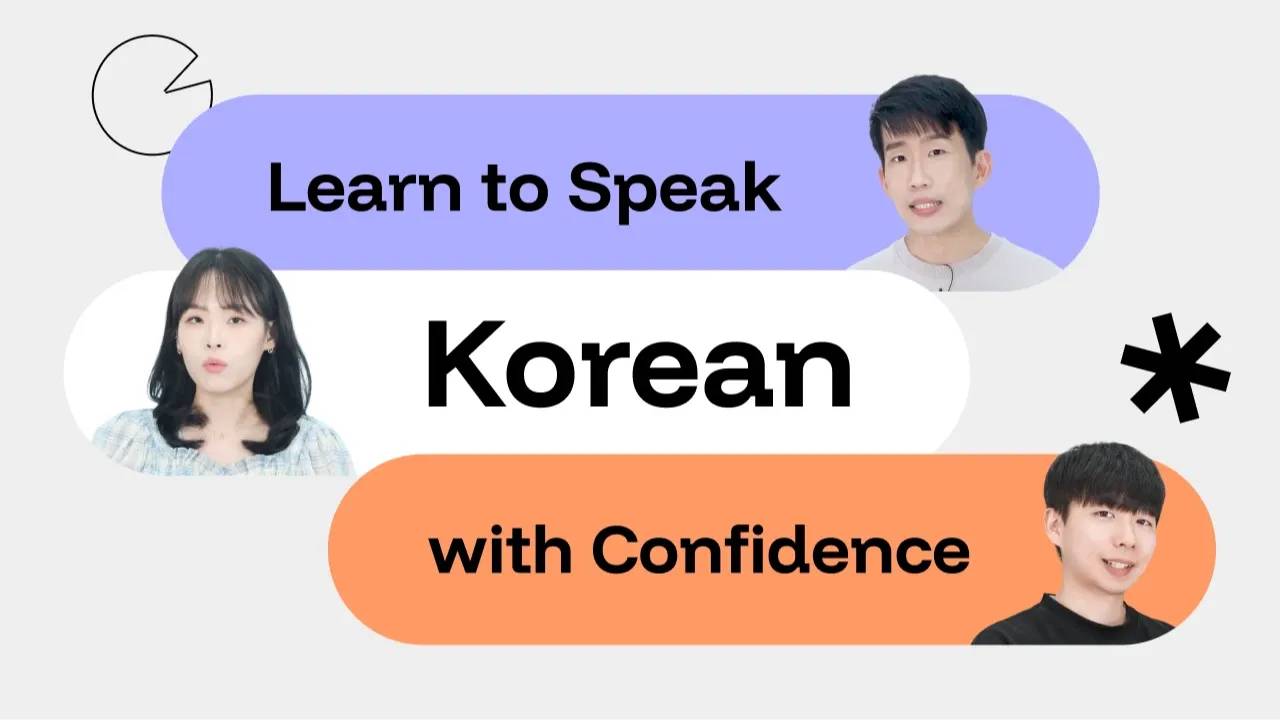
In the crowded landscape of digital language learning, where gamified apps often prioritize streaks over substance, Talk To Me In Korean (TTMIK) has emerged as a beacon of pedagogical consistency. Since its inception in 2009, the platform has eschewed the "quick fix" model of language acquisition, opting instead for a structured, curriculum-based approach that has successfully guided over two million learners worldwide. With a legacy built on 16 years of refinement, TTMIK has transformed from a niche passion project into a cornerstone of the global Korean language education ecosystem.
The Foundation: Why Structure Matters
For many, the journey to fluency in Korean—a language linguistically distinct from English and most Romance languages—can feel daunting. The confusion often stems not from a lack of intelligence, but from a lack of path. TTMIK’s core philosophy is simple yet profound: Anyone can learn Korean if they follow the right steps in the right order.
Unlike platforms that rely on repetitive, isolated vocabulary drills, TTMIK employs a holistic lesson system. Every lesson is designed to move the learner through a four-part cognitive cycle: warming up, absorbing new information, active speaking, and rigorous review. This methodology acknowledges a fundamental truth in linguistics: understanding a concept and being able to deploy it in a real-world conversation are two entirely different skills. By bridging this gap through a standardized, sequential process, TTMIK removes the "decision fatigue" that often causes new learners to quit within their first month.
A Chronology of Growth: From 2009 to Today
The story of TTMIK is one of organic, community-driven evolution. When it launched in 2009, the digital landscape was starkly different. YouTube was in its infancy as an educational tool, and high-quality, accessible Korean language resources were notoriously scarce.
- 2009–2012: The Formative Years. The founders began by addressing the most common questions from international fans of K-culture. The content was built one lesson at a time, often directly shaped by the feedback and queries of the early community.
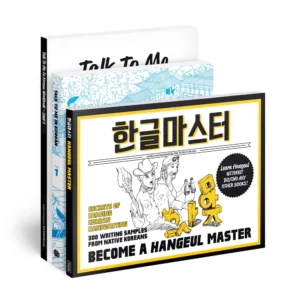
- 2013–2018: Expansion and Legitimacy. As the "Hallyu" (Korean Wave) surged globally, the demand for formal education grew. TTMIK pivoted from a blog-based resource to a robust publishing house, eventually releasing 48 distinct books. With over one million copies sold worldwide, the platform proved that digital learners were still hungry for physical, tactile learning aids.
- 2019–Present: The Digital Ecosystem. Today, the platform stands as a multi-modal powerhouse. With over 1,700 lessons available on both web and mobile, the platform has integrated community interaction and "bootcamp" style programs to provide the accountability that solo learners often lack.
Supporting Data: The Scale of Success
The efficacy of the TTMIK model is best reflected in the numbers. Behind the brand’s success is a rigorous commitment to data-informed curriculum design:
- Global Reach: Over 2 million registered learners have utilized the platform to navigate the complexities of Hangul, honorifics, and sentence structure.
- Educational Depth: The catalog of 1,700+ lessons is not a static repository; it represents 16 years of iterative improvements, reflecting shifts in both the Korean language and modern pedagogy.
- Community Engagement: A YouTube subscriber base of over 2.1 million serves as an R&D department, providing the real-world questions and pain points that dictate the focus of new content.
- Market Penetration: With nearly 50 published books, TTMIK has successfully transitioned from the screen to the bookshelf, cementing its status as an authority in the field.
Learning Your Way: The Three Pillars of the TTMIK Experience
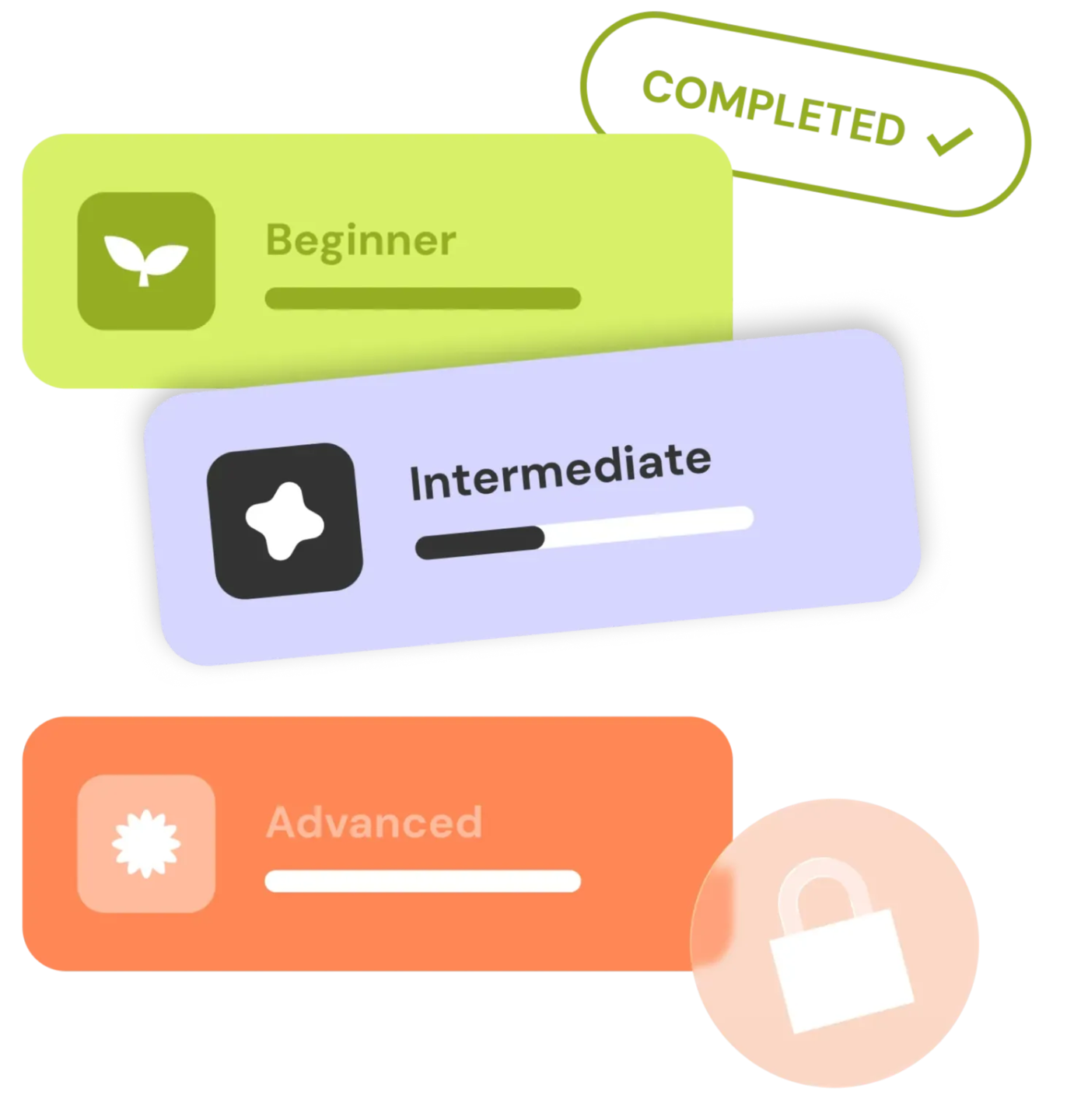
Recognizing that no two students learn the same way, TTMIK has diversified its offerings into three distinct pillars, allowing users to scale their involvement based on their personal goals.
1. The Course Subscription: Self-Paced Mastery
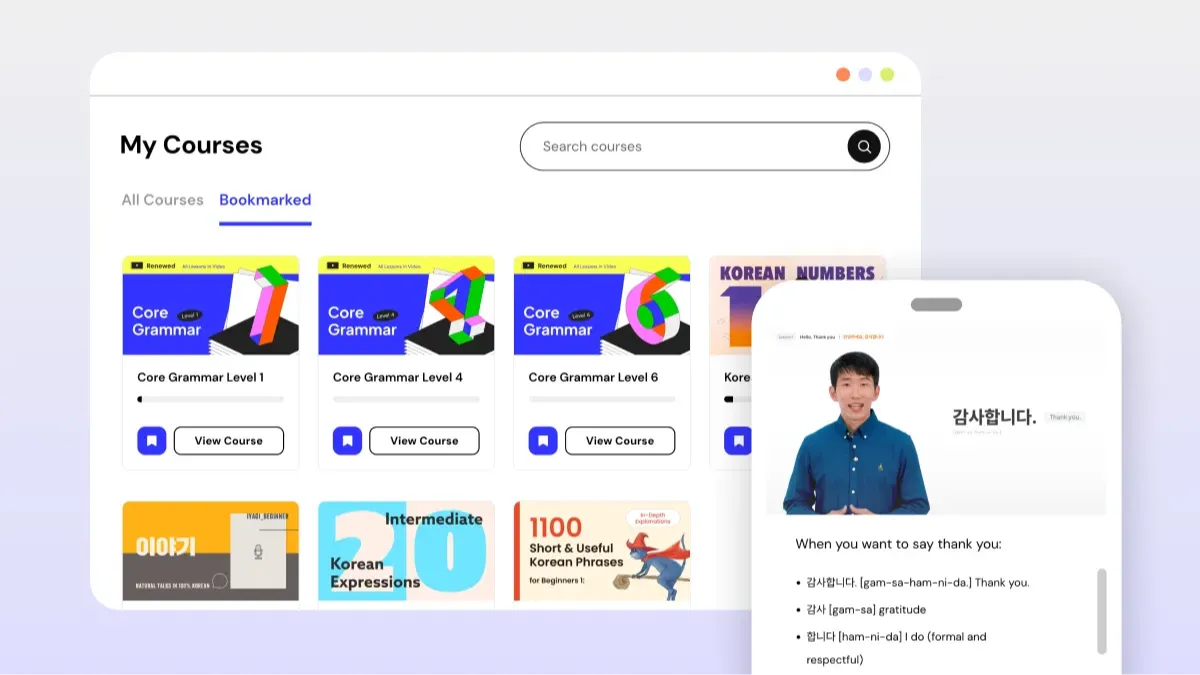
The foundation of the system is the comprehensive library of 1,700+ lessons. Designed for those who prefer autonomy, this path allows learners to move at their own pace, whether they are working through their first sentence or perfecting advanced conversational nuances. It is the digital equivalent of a complete university curriculum, stripped of the administrative overhead.
2. Bootcamp Programs: Structured Accountability
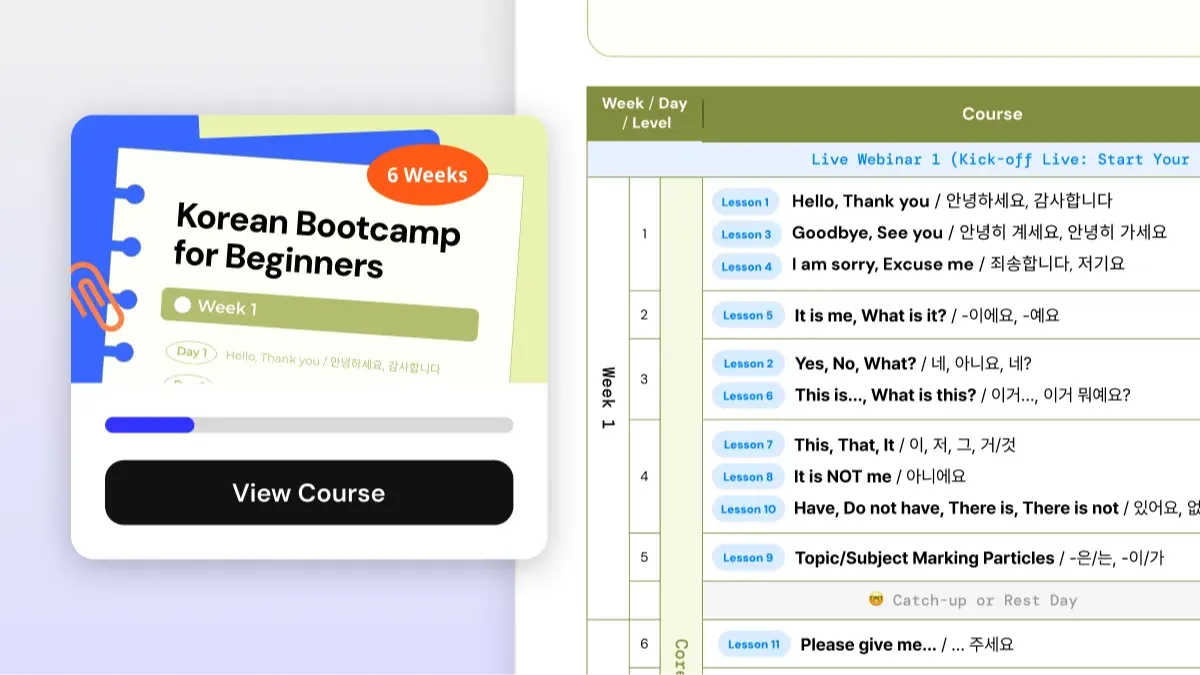
For the learner who finds that total freedom leads to procrastination, TTMIK offers "Bootcamp" programs. These sessions introduce the "good kind" of pressure—deadlines, peer cohorts, and structured goals. It is designed for students who need the external motivation of a schedule to ensure they keep moving toward their target level.
3. Community Engagement: The Social Component
Language is, at its core, a social tool. Recognizing that isolation is the primary cause of dropout, the platform facilitates a global community where learners can connect. By sharing the journey with others, students move from passive consumption of audio files to active, collaborative learning.
Official Perspective: The "No Guessing" Philosophy
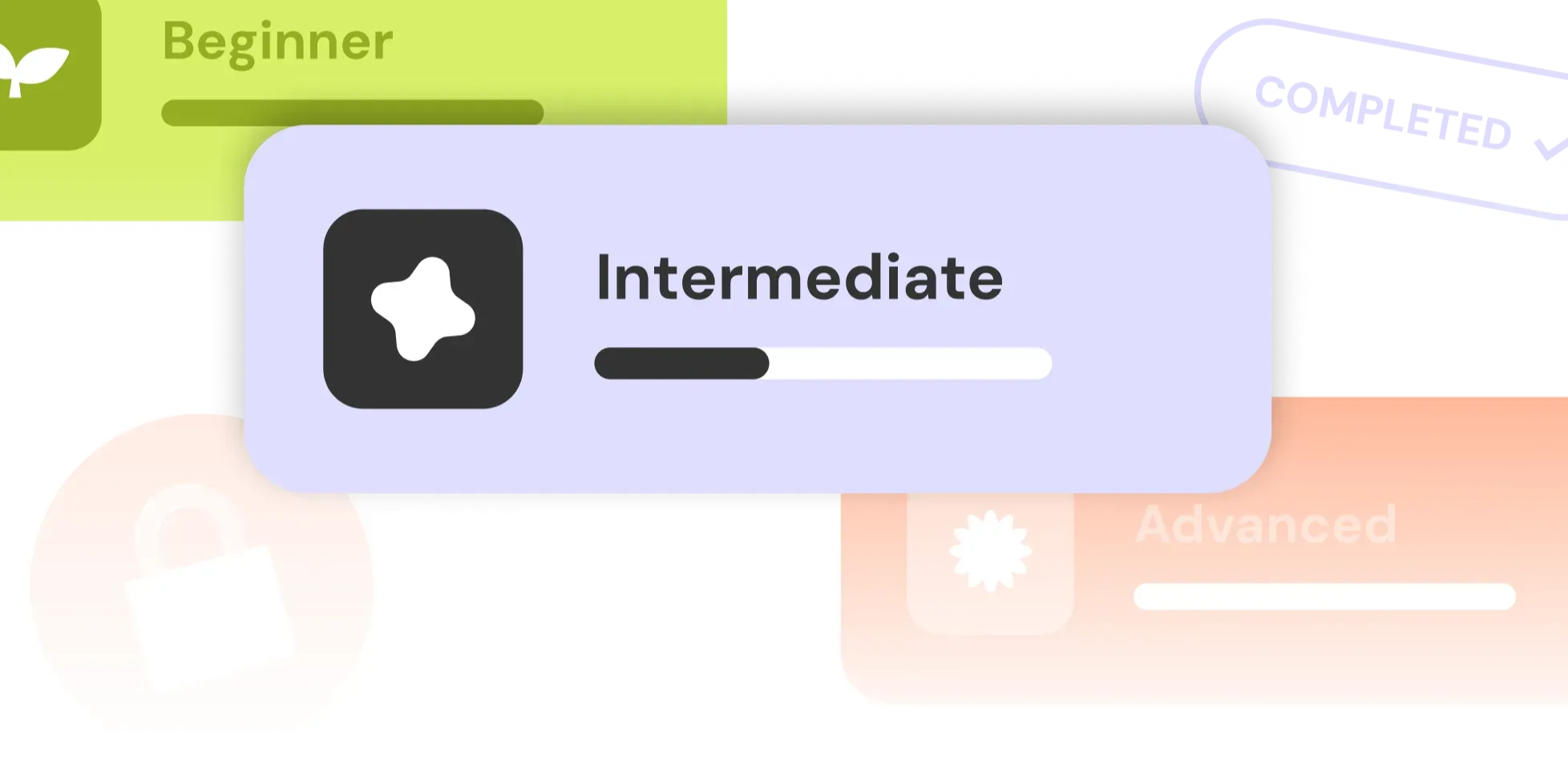
When asked about the common struggle of identifying one’s current skill level, the TTMIK team is adamant: "Not knowing where you stand is completely normal." To address this, the platform has developed a 3-minute, evidence-based level test.
This assessment is designed to eliminate the "guessing game" that plagues self-taught students. By providing an accurate starting point, the platform ensures that learners aren’t wasting time on material they have already mastered, nor are they becoming overwhelmed by content that is too advanced. For those who prefer to own their progression, they also offer a comprehensive PDF roadmap, allowing students to visualize their entire journey from absolute beginner to conversational fluency.
Implications for the Future of Language Learning
The enduring success of Talk To Me In Korean carries significant implications for the future of EdTech. As many companies move toward AI-generated content and purely automated tutoring, TTMIK’s growth suggests that there remains a premium on human-centric, structured, and community-backed curriculum.
The platform’s focus on the "first real conversation" serves as a north star for its students. By emphasizing that the goal is not to pass a test but to communicate, the company has aligned its incentives with the actual desires of its users.
For the prospective student, the barrier to entry is intentionally low. By offering full access during a 7-day trial and a simple cancellation process, TTMIK signals a level of confidence in their product that is rare in the subscription economy. They invite users to try a single lesson—not a sales pitch, but a real lesson—to determine if their pedagogical style is a fit.
Conclusion: Is This the Right Path for You?
Whether you are a K-drama enthusiast looking to understand the dialogue without subtitles, or a career professional aiming to navigate the complexities of Korean business etiquette, the necessity of a structured approach remains constant.
TTMIK has spent 16 years proving that while the Korean language is challenging, it is not impenetrable. By following a path that has been refined by two million previous students, today’s learners can bypass the common pitfalls of self-study. As the platform looks toward the future, it continues to hold the same promise it made in 2009: with the right steps, in the right order, your first real conversation in Korean is closer than you think.
For those ready to embark on this journey, the doors are open. The system is tested, the community is active, and the path is clearly mapped. The only variable remaining is the student’s own commitment to taking that first, crucial lesson.
 Jia Lissa
  Asep Darmawan
  Layla Zulfa
