
 By Jia Lissa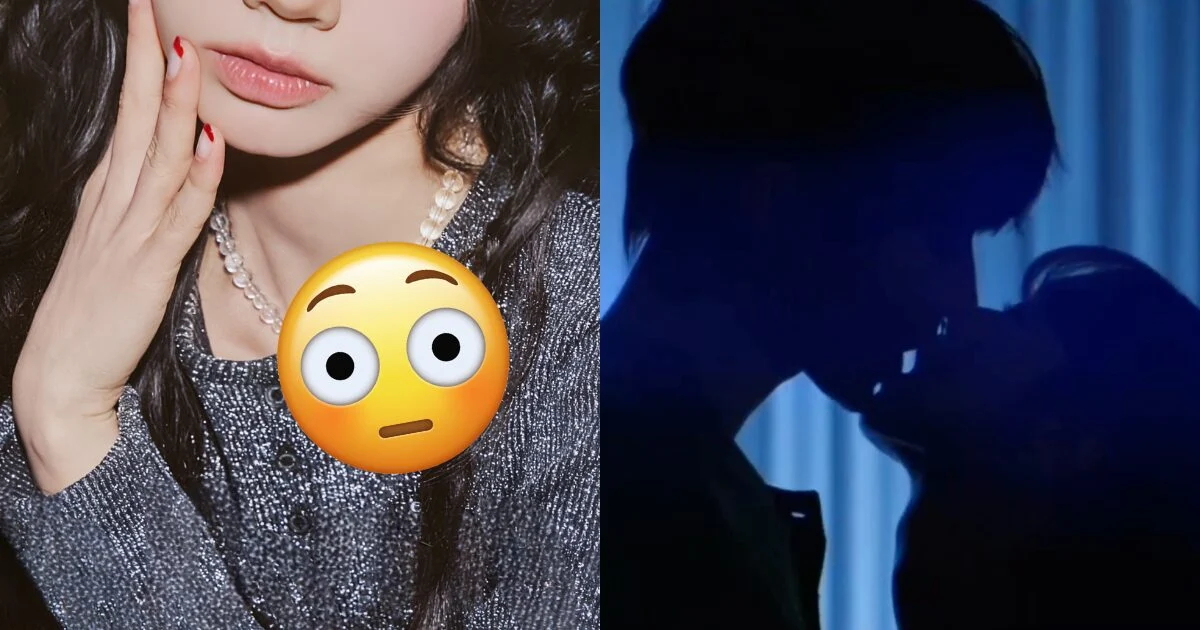
The K-Drama series Dream To You, featuring Girls’ Day’s Hyeri and actor Hwang In Yeop, has become the epicenter of a fervent online discussion following the broadcast of its eighth episode, which included a particularly intense kiss scene and a subsequent "morning after" sequence that quickly went viral across social media platforms. The scenes have sparked considerable debate among K-Drama enthusiasts, signaling a potential shift in the depiction of intimacy within the traditionally more conservative South Korean television landscape.
The Genesis of Dream To You and Its Narrative Core
Dream To You, which commenced its broadcast earlier this year, is a compelling romantic drama that delves into the lives of two protagonists, Woo Su Bin, portrayed by the increasingly popular Hwang In Yeop, and Joo Yi Jae, brought to life by the versatile Hyeri. The series premise revolves around their shared youthful ambition of becoming celebrated movie directors, a dream that initially binds them but later leads their lives down divergent paths.
The narrative, as outlined by the show’s synopsis, introduces Woo Su Bin and Joo Yi Jae as teenagers united by their cinematic aspirations. However, at the pivotal age of 19, Woo Su Bin abruptly departs, leaving Joo Yi Jae to grapple with her unfulfilled dreams. In the subsequent decade, Woo Su Bin relentlessly pursues his directorial ambition, ultimately achieving international acclaim in his thirties with a debut feature film that garners awards at prestigious festivals. His return to South Korea is motivated by a desire to reconnect with Joo Yi Jae, whom he considers his true inspiration. Meanwhile, Joo Yi Jae’s twenties are marked by the harsh realities of life, leading her to abandon her directorial dreams and settle into a career as a broadcasting reporter. Despite her professional stability, she carries an emotional void. The news of Woo Su Bin’s triumphant return reignites her forgotten passion, prompting a re-evaluation of her life choices and the rekindling of a complex relationship. This foundational narrative sets the stage for emotional reunions and intense personal development, culminating in the recent dramatic developments.
Episode 8: A Turning Point in On-Screen Intimacy
The eighth installment of Dream To You marked a significant narrative and emotional climax for the leading couple. The episode featured a pivotal kiss scene between Woo Su Bin and Joo Yi Jae that immediately captivated viewers, drawing comparisons to more explicit portrayals of romance rarely seen in mainstream K-Dramas. Social media reactions highlighted the scene’s unexpected intensity, with fans expressing surprise at its "spicy" nature and the depth of the actors’ performance.
One particular moment that sent ripples through the online community was described by a viewer as involving "the tongue," indicating a level of realism and passion that transcended typical K-Drama romantic gestures. This was quickly followed by a "bedroom scene," depicting the characters waking up together the morning after. This "morning after" sequence, devoid of explicit visuals but laden with suggestive implications, rapidly accumulated over 3 million views across various platforms, underscoring its virality and the audience’s eager consumption of such mature content. The combined impact of these scenes led to an explosion of commentary, with many viewers noting that "mature dramas this year are doing their thing," suggesting a broader trend towards more adult themes in South Korean television.

Social Media Eruption and Audience Reception
The immediate aftermath of Episode 8’s broadcast saw a dramatic surge in social media activity, primarily on platforms like X (formerly Twitter). Keywords related to Dream To You, Hyeri, and Hwang In Yeop trended globally, reflecting the widespread impact of the scenes. Fans shared clips, screenshots, and their candid reactions, often expressing a mix of shock, excitement, and appreciation for the boldness displayed by the production.
Comments ranged from exclamations of "THE TONGUE??? EXCUSE ME?? i was not def prepared for them to go that deep! they really went all in" to "kiss scene again, and this one is so much hotter." The "morning after" scene, depicting the leads in bed together, prompted similar astonishment: "Ohhhh? Mature kdramas are really doing their thing this year. So they’re already sleeping with each other." Many long-time K-Drama viewers reflected on the evolution of content, with one user stating, "the 2019-2020 me would not believe this," and another simply expressing, "can’t believe we’re getting this." These reactions collectively indicate a significant moment for K-Drama, challenging conventional boundaries and expanding audience expectations. The sheer volume of engagement, particularly the 3 million views for the bedroom scene, underscores a hunger among audiences for more realistic and emotionally charged depictions of adult relationships.
The Evolving Landscape of K-Drama Intimacy
The viral success of Dream To You‘s latest episode is not an isolated incident but rather indicative of a broader, gradual shift in the K-Drama industry. Historically, South Korean television dramas, particularly those airing on public broadcast networks, have adhered to strict censorship guidelines, often portraying romantic relationships with a high degree of decorum and subtlety. Kiss scenes, while common, were typically chaste, often depicted as a gentle brush of lips rather than passionate embraces. Explicit sexual content was virtually nonexistent.
However, in recent years, propelled by the global expansion of K-content via streaming platforms like Netflix, Disney+, and Amazon Prime Video, there has been a noticeable trend towards more mature and nuanced storytelling. Productions tailored for these global audiences, or those produced by cable networks with more lenient regulations, have begun to explore themes of sexuality, mental health, and complex relationships with greater frankness. This evolution is partly a response to international audience expectations, where more explicit portrayals of intimacy are common, and partly a reflection of changing societal attitudes within South Korea itself. Dramas such as The World of the Married, Nevertheless, and My Name have previously pushed boundaries with their mature themes and depictions of adult relationships, paving the way for shows like Dream To You to explore similar territories. The reception to these scenes in Dream To You suggests a growing acceptance, and even demand, among viewers for more authentic and less sanitized romantic portrayals.
The Impact on Hyeri and Hwang In Yeop’s Careers
For the lead actors, Hyeri and Hwang In Yeop, these viral scenes carry significant implications for their respective careers. Hyeri, a prominent member of the popular K-pop girl group Girls’ Day, transitioned successfully into acting, establishing herself through roles in dramas like Reply 1988. While she has consistently showcased her versatility, this role in Dream To You, particularly the intimate scenes, marks a notable step towards more mature and complex characters. It allows her to shed some of her "idol actress" image and solidify her standing as a serious dramatic actress capable of handling emotionally charged material. This could open doors to a wider array of roles and challenge her artistic boundaries further.
Hwang In Yeop, on the other hand, has rapidly ascended in popularity following breakout roles in dramas such as True Beauty and The Sound of Magic. Known for his charismatic presence and ability to portray nuanced characters, Dream To You serves as a crucial leading role that showcases his romantic lead capabilities. The intense chemistry displayed with Hyeri, particularly in these viral scenes, cements his status as a formidable romantic lead and enhances his appeal to a broader audience. For both actors, the viral attention translates into increased visibility and potentially higher demand for future projects, albeit with the added scrutiny that comes with performing such sensitive scenes.

Production Strategy and Network Implications
While specific official statements regarding the scenes are typically rare from production companies or networks, the strategic implications are evident. The decision to include such explicit intimacy suggests a deliberate move by the Dream To You production team and its broadcasting network to attract attention and cater to an evolving audience demographic. In an increasingly competitive K-Drama market, pushing creative boundaries can be a potent tool for standing out.
The viral spread of these scenes provides immense, organic marketing for the drama, driving viewership and discussion. For the network, this success could inform future commissioning decisions, encouraging the development of more mature-themed content. It reflects a growing confidence in the audience’s readiness for such narratives and a willingness to explore a broader spectrum of human experiences on screen. However, this strategy also carries potential risks, including backlash from more conservative segments of the audience or stricter regulatory oversight. The positive overwhelming reception, however, suggests that the calculated risk taken by the production team has largely paid off, generating significant buzz and positioning Dream To You as a benchmark for contemporary K-Drama romance.
Broader Cultural and Industry Implications
The virality of the Dream To You scenes extends beyond the immediate success of the drama, signaling broader cultural and industry shifts. It reflects a growing openness in South Korean society to discuss and portray adult relationships with greater realism. This is a significant departure from past trends and aligns with the globalized nature of entertainment consumption, where international audiences have come to expect a certain level of narrative and emotional depth.
For the K-Drama industry as a whole, this moment could catalyze further exploration of mature themes, pushing creators to craft more intricate and true-to-life depictions of love, desire, and human connection. It might also influence casting choices, with producers increasingly seeking actors who are not only talented but also willing and able to portray complex emotional and physical intimacy convincingly. This trend could ultimately lead to a more diverse and sophisticated range of K-Dramas, appealing to a wider global demographic and further solidifying South Korea’s position as a powerhouse in international entertainment. As "mature dramas this year are doing their thing," Dream To You stands as a testament to the evolving artistic landscape, demonstrating a readiness to challenge conventions and deliver narratives that resonate deeply with modern audiences.

