
 By Nila Kartika Wati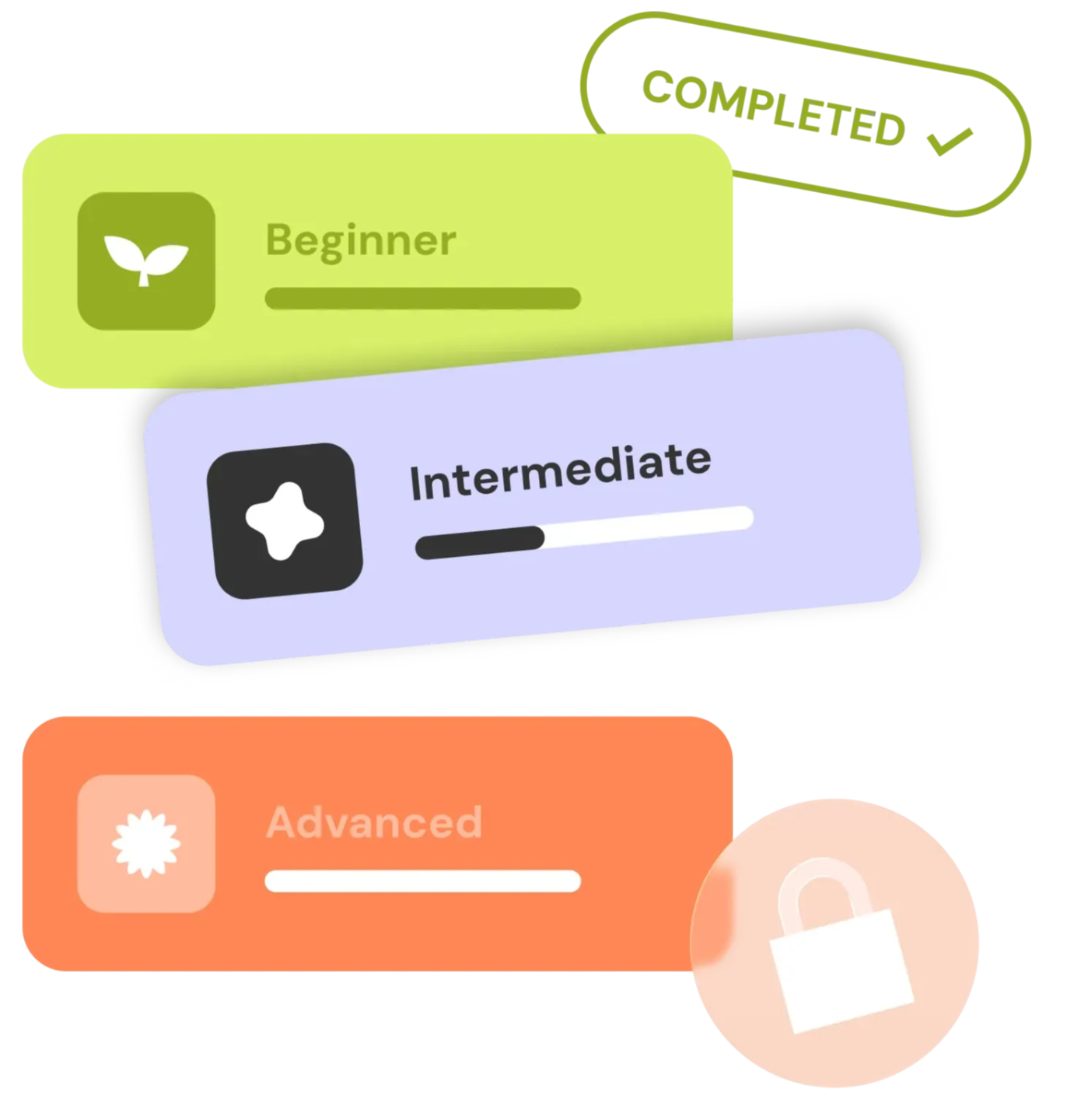
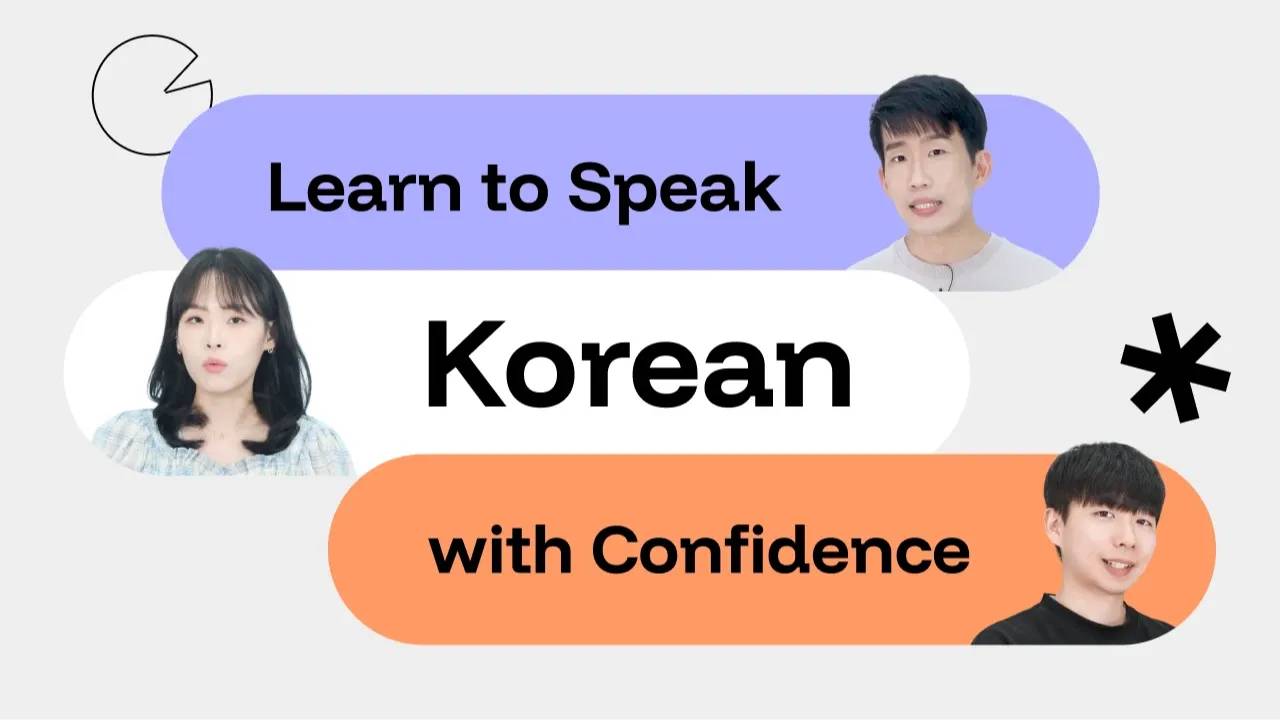
In the modern digital landscape, language learning has evolved from dusty textbooks and rigid classroom lectures to dynamic, mobile-first experiences. At the forefront of this transformation, specifically within the competitive niche of Korean language acquisition, stands Talk To Me In Korean (TTMIK). Since its inception in 2009, the platform has transcended the role of a simple educational app to become a cornerstone of the global Hallyu (Korean Wave) movement, guiding over two million learners toward fluency through a meticulously crafted, structured curriculum.
The Evolution of a Digital Language Giant
The story of Talk To Me In Korean is not merely a tale of technological success; it is a narrative of pedagogical evolution. Founded in 2009, when the digital education market was in its infancy, TTMIK recognized a fundamental flaw in existing Korean language resources: the lack of a logical, step-by-step progression.
While many platforms offered fragmented vocabulary lists or grammar rules, TTMIK focused on the "why" and "how" of language acquisition. By 2025, the platform has accumulated over 16 years of institutional knowledge, refining a methodology that balances cognitive understanding with practical, spoken application. The company’s growth trajectory has mirrored the global explosion of interest in Korean culture, media, and technology, positioning itself as the primary resource for everyone from K-pop enthusiasts to business professionals.
A Chronology of Success: 16 Years of Pedagogy
The success of TTMIK can be traced through several distinct phases of its development:
- 2009–2012 (Foundational Era): TTMIK launches with a focus on podcast-style lessons that prioritize natural, conversational Korean over rigid, formal structures. This period established the brand’s signature tone: accessible, encouraging, and human-centric.
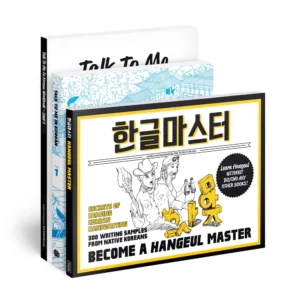
- 2013–2018 (Expansion Era): The platform pivots toward a multi-modal approach. Recognizing that audio alone was insufficient, the team began publishing physical books—eventually reaching 48 titles—and diversifying their digital content to include video tutorials and interactive exercises.
- 2019–2022 (Integration Era): The launch of structured "Bootcamp" programs and community features signaled a shift toward high-accountability learning. This was a response to the "lonely learner" syndrome, where students would start a language but abandon it due to lack of support.
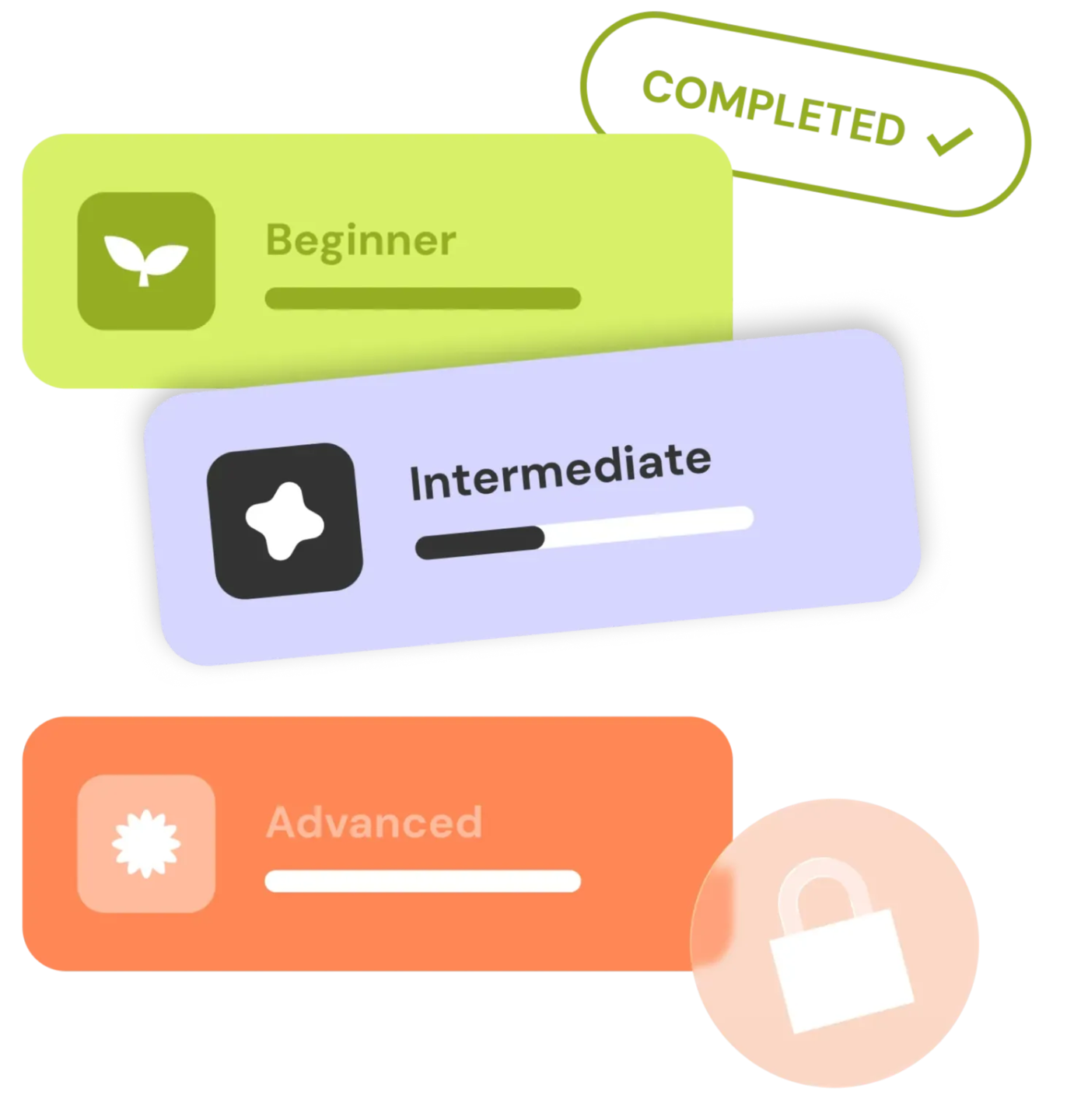
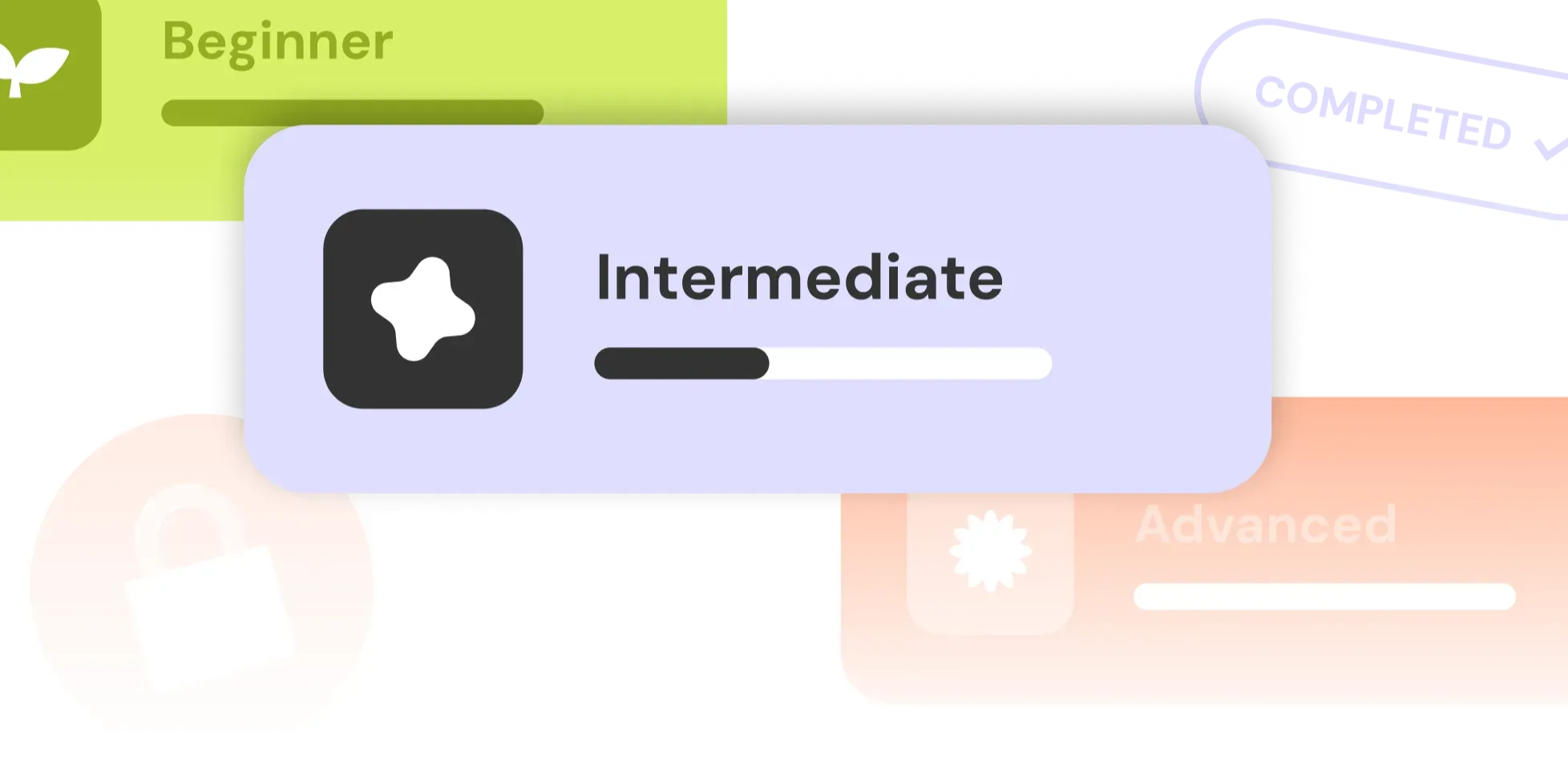
- 2023–Present (Optimization Era): Today, the platform utilizes a sophisticated, data-driven approach to student placement. Through a proprietary level-testing system, the platform ensures that every user starts at the exact point where their current knowledge meets their future goals, minimizing wasted time and maximizing retention.
The Four-Step Methodology: Understanding vs. Usage
One of the most persistent hurdles in second-language acquisition is the "illusion of competence"—the feeling of understanding a grammar rule during a lesson only to fail to use it in conversation. TTMIK addresses this through its proprietary four-step lesson system.
Every lesson on the platform is designed to shepherd the learner through a cognitive and practical cycle:
- Warming Up: Contextualizing the day’s objective through relatable scenarios.
- Learning: Breaking down complex grammar or vocabulary into bite-sized, logical components.
- Speaking: Forcing active recall by requiring the student to produce language rather than just consume it.
- Reviewing: Consolidating the information to move it from short-term to long-term memory.
By standardizing this process across 1,700+ lessons, the platform removes the "decision fatigue" that often causes students to quit. Learners do not need to wonder what to study next; the curriculum provides a clear, illuminated path forward.
Supporting Data: By the Numbers
The efficacy of the TTMIK model is best illustrated by its reach and the scale of its impact. With over two million learners worldwide, the platform’s metrics highlight a deeply engaged community:
- Curriculum Depth: Over 1,700 structured lessons developed over 16 years.
- Global Reach: 2.1 million subscribers on YouTube alone, a massive audience that provides real-time feedback and shapes the direction of future content.
- Physical Legacy: A staggering one million copies of their 48 published books sold globally, proving that the digital-first brand maintains significant weight in traditional educational sectors.
- User Retention: The success of the "Bootcamp" programs demonstrates that users are willing to pay for structured accountability, with high completion rates compared to the industry standard for self-paced apps.
Addressing the Modern Learner: Official Perspectives
In a series of recent statements, the leadership team at TTMIK has emphasized their commitment to flexibility. The platform operates on the philosophy that "everyone learns differently."
"Our goal was never to be just another app," says a company spokesperson. "It was to create a ecosystem where a student could start by listening to a podcast on their commute, move to a formal bootcamp when they need structure, and engage with a community of peers when they need motivation."
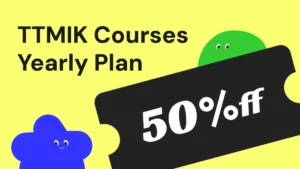
The platform’s FAQ section reflects a keen awareness of user pain points. They proactively address concerns about cost, the viability of free trials, and the anxiety of being a "complete beginner." By offering a 7-day trial and a transparent pricing model that grants full access to the entire library of 1,700+ lessons, they lower the barrier to entry significantly.
Implications for the Future of Language Learning
The rise of Talk To Me In Korean has broader implications for the EdTech industry. It suggests that specialized, niche-focused platforms often outperform generic language giants. By focusing exclusively on the nuances of the Korean language, TTMIK has built a level of trust and authority that generalist apps struggle to replicate.
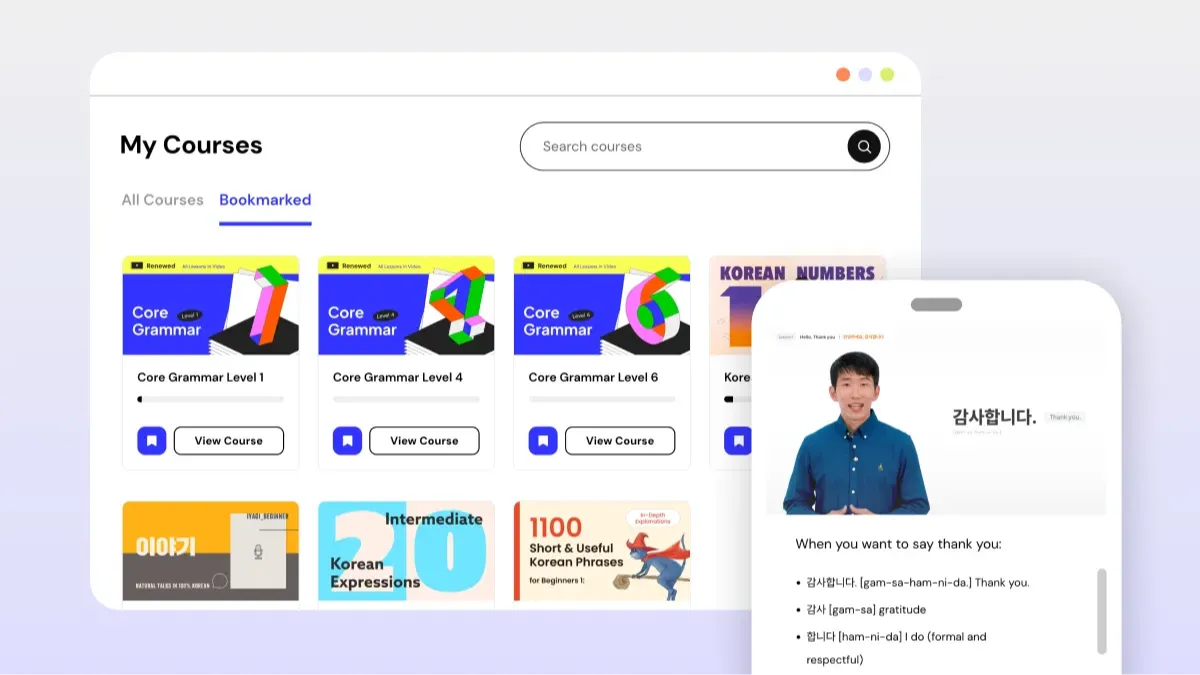
Furthermore, the integration of community-based learning into a digital curriculum is proving to be a winning strategy. As the world becomes increasingly digital, the "human" aspect—real learners sharing their stories, such as Sarah from Canada or Miguel from Spain—acts as a powerful social proof that sustains long-term engagement.
Conclusion: The Path Forward
For anyone currently standing at the threshold of learning Korean, the landscape has never been more welcoming. The barrier is no longer access to information; it is the quality of the path one chooses. TTMIK’s combination of institutional longevity, a robust 1,700-lesson library, and a clear, four-step pedagogical process provides a roadmap that is as reliable as it is efficient.
Whether a user is a complete novice looking to understand the basics of Hangul or an intermediate learner aiming to bridge the gap toward natural conversation, the message from TTMIK remains consistent: learning is a process, and it is a process that works best when you have the right steps in the right order. With 16 years of expertise behind them, and a community of two million peers, the path to fluency has never been more clearly marked.
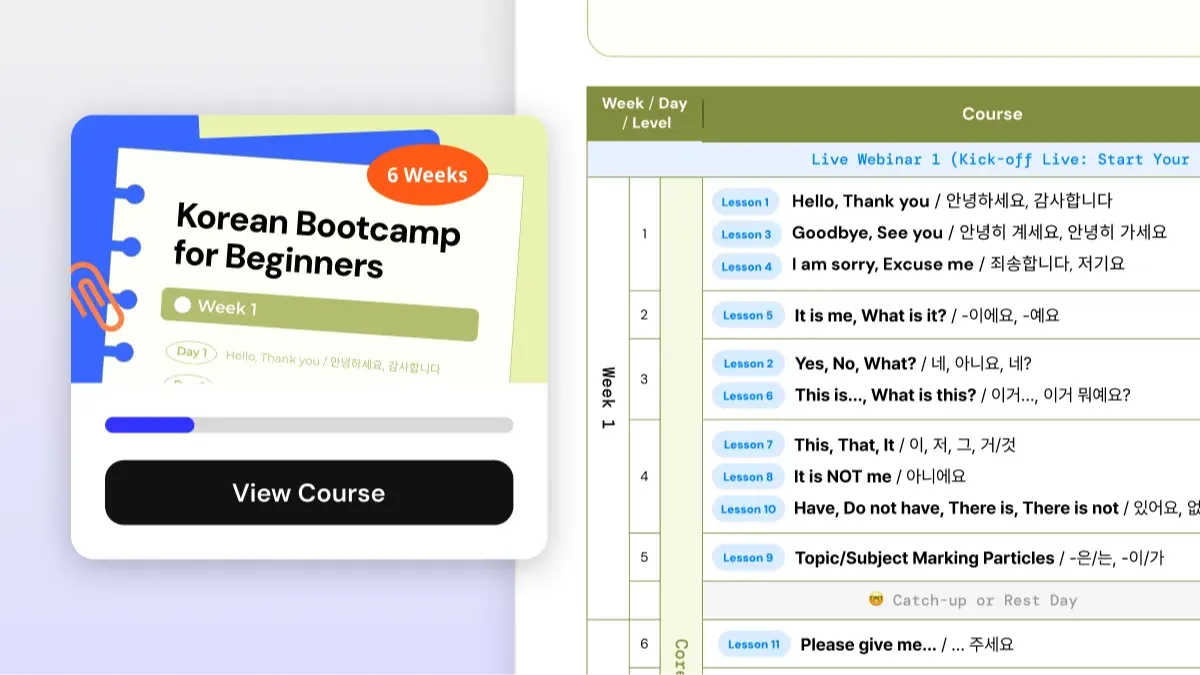
As the digital age continues to reshape how we acquire knowledge, the enduring success of Talk To Me In Korean serves as a blueprint for how language learning should be done: with patience, structure, and a deep, unwavering respect for the learner’s journey.
 Jia Lissa
  Asep Darmawan
  Layla Zulfa
