
 By Pevita Pearce
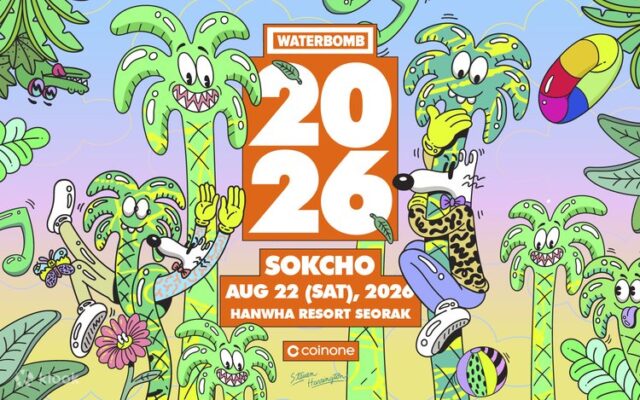
The Sokcho WATERBOMB 2026 festival, held over the past weekend, has become a focal point of intense online discourse following a provocative performance by (G)I-DLE’s leader and producer, Soyeon. As the summer festival season reaches its peak in South Korea, the WATERBOMB series remains one of the most anticipated events on the entertainment calendar, known for its unique blend of live music and large-scale water fights. However, the recent stop in Sokcho has sparked a debate regarding performance standards, artistic expression, and the perceived over-sexualization of K-pop idols after Soyeon debuted a new track with bold choreography.

The Context of Sokcho WATERBOMB 2026
The WATERBOMB festival, which first launched in 2015, has evolved into a massive multi-city tour that defines the South Korean summer music scene. The 2026 iteration has seen record-breaking attendance, with the Sokcho event drawing thousands of fans to the coastal city. The festival’s hallmark is the "Water Fighting" concept, where the audience and artists are divided into teams and engage in water gun battles while performances take place on a specialized stage designed to withstand heavy dousing.
For idols, the WATERBOMB stage is often viewed as a departure from the strictly regulated environment of televised music programs. The atmosphere is generally more relaxed, allowing for more daring fashion choices and high-energy interactions. In recent years, the festival has served as a viral launchpad for several artists, most notably Kwon Eunbi, whose 2023 performance led to a massive resurgence in her career. Consequently, there is significant pressure on performers to deliver memorable, "water-ready" stages that capture the public’s attention.

A Bold Debut: "I Hate Vegetables"
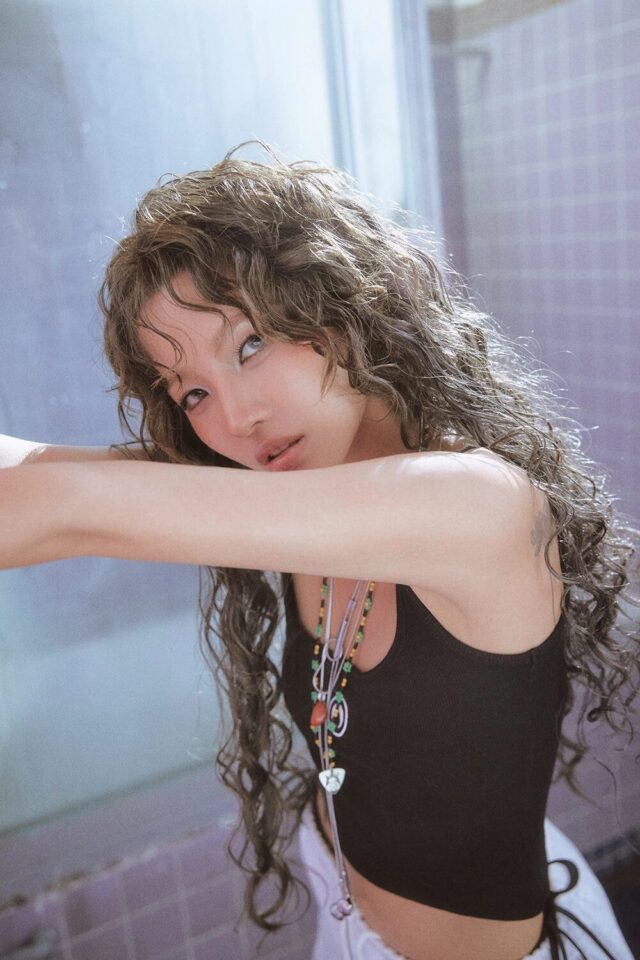
Soyeon, widely recognized as the creative force behind (G)I-DLE’s chart-topping hits, took the Sokcho stage on August 22, 2026. Her setlist included several established hits, but the highlight was the introduction of new material expected to be featured on her upcoming solo studio album. One track, titled "I Hate Vegetables," immediately garnered attention for its juxtaposition of a seemingly whimsical title and a highly mature performance style.
The performance began with Soyeon wearing a layered outfit that was quickly modified as part of the choreography. In a moment that has since gone viral across platforms like X (formerly Twitter) and TikTok, a backup dancer assisted in a "shirt-stripping" move while Soyeon dropped to the stage. This reveal left the artist in a stylized, bikini-inspired top, which she wore for the remainder of the set. The choreography included floor work and high-intensity movements that leaned into a "sexy" aesthetic, a stark contrast to the comedic or lighthearted tone some fans expected from a song about a dislike for vegetables.
The Social Media Firestorm and Comparisons to KATSEYE
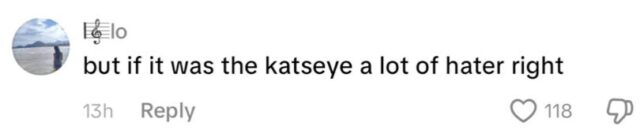
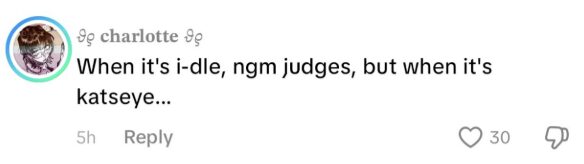
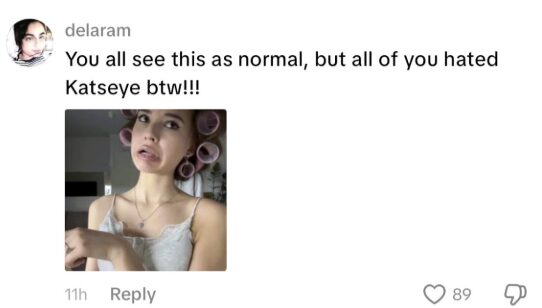
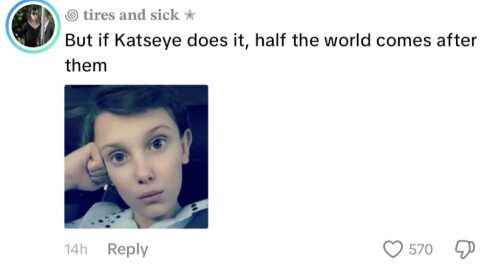
The reaction to the performance was swift and polarized. Shortly after the group’s official TikTok account uploaded a clip of the choreography, the comments section became a battleground for different perspectives on idol styling. A significant portion of the criticism drew comparisons to the global girl group KATSEYE.
Earlier in 2026, KATSEYE had faced scrutiny from certain segments of the K-pop community for what was described as "overly sexual" marketing and styling, particularly given the ages of some members. Critics of Soyeon’s Sokcho performance argued that there was a double standard in how the industry and fans reacted to mature themes. These observers pointed out that while KATSEYE was lambasted for their image, Soyeon’s performance was being celebrated by many as "empowering" or "iconic."
Critics on social media expressed concerns that the boundary for what is considered acceptable for female idols is being pushed too far in the pursuit of viral "Waterbomb moments." Some users commented that the choreography felt "unnecessary" for the song’s theme, while others suggested that the industry is becoming increasingly reliant on shock value to maintain relevance in a crowded market.
Fan Defense and Artistic Autonomy
Conversely, a large contingent of fans and industry observers rushed to Soyeon’s defense, highlighting several key differences between her situation and the controversies surrounding other groups. The primary argument centered on Soyeon’s age and her role as an established adult artist. Born in 1998, Soyeon is a 27-year-old veteran of the industry with nearly a decade of experience. Supporters argued that as an adult, she has the right to explore mature themes and aesthetics in her work.
Furthermore, fans emphasized Soyeon’s status as a self-produced artist. Unlike many idols who follow concepts curated by corporate creative directors, Soyeon is known for having near-total control over her music, lyrics, and stage presence. This autonomy, fans argue, transforms the performance from "exploitation" into "artistic choice."
"She is the one writing the songs and designing the stages," one fan noted in a viral post. "Comparing her to a group that might be directed by a label is a false equivalence. This is her vision."
Other supporters pointed to the specific nature of the WATERBOMB festival itself. The event is age-restricted in many jurisdictions or at least marketed toward an adult audience, with a heavy emphasis on "summer heat" and pool-party vibes. Proponents of the performance argued that the outfit and dance were entirely appropriate for the venue and the specific "water-drenched" aesthetic the festival promotes.
The "Waterbomb Effect" and Industry Trends
The controversy surrounding Soyeon’s performance reflects a broader shift in the K-pop industry’s approach to live events. As physical album sales face potential saturation, the "experience economy"—concerts, festivals, and pop-up events—has become a vital revenue stream. The "Waterbomb Effect" is now a recognized phenomenon where a single viral clip from the festival can result in a significant spike in streaming numbers and brand deals.
This has led to a trend where labels and artists are increasingly willing to take risks with their "Waterbomb" personas. However, this trend also brings the industry into conflict with more conservative segments of the domestic and international fanbase. The debate over Soyeon’s performance is not just about one artist or one song; it is about the evolving standards of the K-pop genre as it balances its traditional roots with a desire to compete on the global stage, where mature themes are more commonplace in pop music.
Chronology of the Incident
- August 22, 2026 (Evening): Soyeon performs at Sokcho WATERBOMB 2026. Clips of "I Hate Vegetables" begin to circulate on X.
- August 23, 2026 (Morning): (G)I-DLE’s official social media accounts post high-definition snippets of the performance. The "shirt-strip" move becomes a trending topic.
- August 23, 2026 (Afternoon): Online forums and TikTok comments begin to show a divide. Comparisons to KATSEYE and discussions on double standards start to gain traction.
- August 24, 2026: Fanbases organize "defense" threads, compiling Soyeon’s previous statements on artistic freedom and the context of the festival to counter the criticism.
Implications for Soyeon’s Upcoming Album
The discourse surrounding the Sokcho performance has inadvertently served as a massive promotional vehicle for Soyeon’s upcoming solo project. While the "I Hate Vegetables" performance was polarizing, it has ensured that the song is one of the most talked-about unreleased tracks of the year.
Market analysts suggest that this "noise" is likely calculated. Throughout her career, Soyeon has frequently used controversy to her advantage, often addressing her critics directly through her lyrics. Songs like "Nxde" and "Queencard" were specifically designed to challenge societal perceptions of female idols and the "male gaze." It is highly probable that the themes of her new album will continue this trajectory, using the Sokcho performance as a live-action prologue to her new artistic chapter.
As of the time of publication, Cube Entertainment has not issued an official statement regarding the social media reaction. Historically, the agency has allowed Soyeon significant leeway in managing her public image and artistic output, a strategy that has proven successful in establishing her as one of the most distinct voices in the industry.

Conclusion
The Sokcho WATERBOMB 2026 festival will likely be remembered as a turning point in the discussion of how "mature" K-pop can be. While critics remain concerned about the direction of performance aesthetics, the overwhelming support from Soyeon’s fanbase suggests a growing acceptance of idol autonomy and adult-oriented concepts. As the line between K-pop and global pop continues to blur, performances like Soyeon’s "I Hate Vegetables" act as a litmus test for the industry’s future, proving that even in a sea of water, the heat of a well-timed controversy remains a powerful tool for artistic and commercial growth.

