
 By Lina Hope
The cinematic landscape of 2026 has been marked by a significant trend: the high-definition restoration and re-release of modern classics. Among the most anticipated events in this revival movement is the theatrical return of the groundbreaking South Korean zombie thriller, Train to Busan. Directed by Yeon Sang-ho, this masterpiece, which originally redefined the survival-horror genre a decade ago, is set to captivate audiences once again in a stunning 4K restoration.
The re-release, spearheaded by Filmarks, is scheduled for August 21, 2026. This limited theatrical engagement promises to bring the high-octane tension and emotional depth of the original film to a new generation of viewers, as well as long-time fans eager to experience the visceral intensity of the zombie apocalypse with unprecedented visual clarity.
The Evolution of a Modern Masterpiece
When Train to Busan first debuted in 2016, it was heralded as a paradigm shift for international horror. By blending social commentary on class disparity and human selfishness with pulse-pounding, high-speed action, the film transcended the limitations of the "undead" subgenre. Set almost entirely within the confines of a speeding KTX train traveling from Seoul to Busan, the film created a claustrophobic atmosphere that amplified the stakes for every character involved.
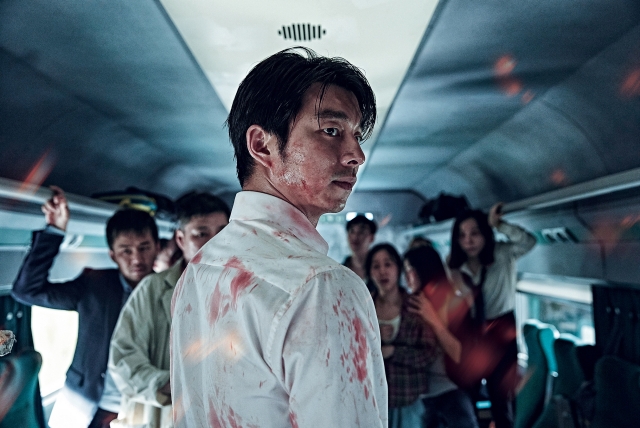
The decision to restore the film in 4K is not merely a technical upgrade; it is an acknowledgment of the film’s lasting cultural impact. The restoration process has meticulously enhanced the color grading, shadow detail, and frame rate stability, ensuring that the harrowing sequences—from the frantic infection of the initial passenger to the desperate final stand—are more immersive than ever before.
Chronology of the Re-release
The roadmap for this theatrical revival was carefully curated to maximize audience engagement across Japan:
- August 21, 2026: The official nationwide release of the 4K restored version begins. Major cinema chains, including MOVIX and 109 Cinemas, are participating in the rollout.
- Late August 2026: Throughout the final week of August, promotional events and special screenings will take place, often featuring guest speakers or retrospective discussions on the legacy of Yeon Sang-ho’s work.
- September 6, 2026: Closing phases for select regional theaters, marking the end of the initial high-profile run.
The release strategy is bolstered by the "Filmarks" platform, which has acted as both a promotional hub and a community organizer, allowing fans to track showtimes, participate in pre-sale ticket lotteries, and share their anticipation for the return of the KTX disaster.

Supporting Data and Technical Specifications
The technical requirements for this 4K presentation were stringent. To ensure the cinematic experience matched the director’s original vision, the film has undergone a rigorous digital remastering process.
Technical Highlights:
- Resolution: Full 4K Ultra HD resolution, providing a four-fold increase in detail compared to the original 2016 standard release.
- Dynamic Range: Improved contrast ratios to heighten the terror in the darker corridors of the train cars.
- Theatrical Format: The 4K restoration is exclusive to the theatrical run, emphasizing the necessity of the cinema experience over home streaming.
- Pricing: Tickets are set at a standard of 1,700 yen, with various cinema-specific discounts (such as student, senior, or late-night pricing) remaining in effect to ensure accessibility.
The film’s runtime remains at 118 minutes, maintaining the original pacing that critics in 2016 praised as "perfectly calibrated for maximum tension."

Official Responses and Industry Impact
The excitement surrounding this re-release is not limited to casual viewers. Industry analysts suggest that the return of Train to Busan serves as a benchmark for how streaming-era audiences consume "legacy" content.
"The hunger for high-fidelity theatrical experiences is growing," says a representative from the distribution team. "By providing a 4K experience for a film that thrives on movement and kinetic energy, we are giving fans a reason to step away from their home screens and return to the shared space of the theater."
Furthermore, the Filmarks platform has reported a surge in "want-to-see" registrations. The social discourse surrounding the film has shifted from mere nostalgia to a critical re-evaluation of its themes. In an era where digital content is often transient, Train to Busan is being solidified as a permanent fixture in the canon of global cinema.
Thematic Implications: Why It Still Matters
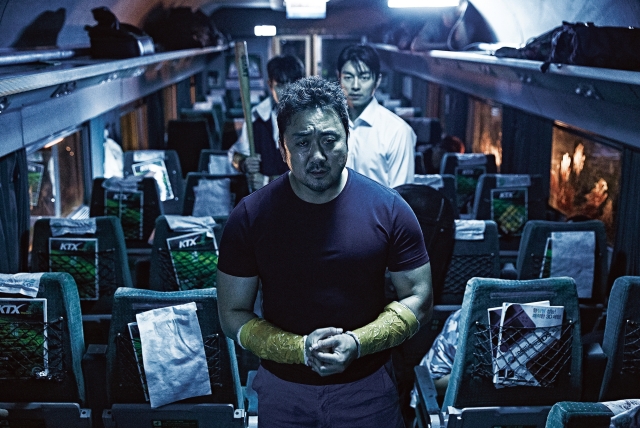
Beyond the visual upgrade, the re-release invites a contemporary audience to revisit the film’s core themes. The story of Seok-woo (played by Gong Yoo), a detached, work-obsessed fund manager who undergoes a profound transformation as he fights to protect his young daughter, resonates perhaps more strongly today than it did in 2016.
The film’s critique of the "every man for himself" mentality, juxtaposed against the selfless acts of sacrifice shown by characters like Sang-hwa (Ma Dong-seok), remains a poignant reflection on societal responsibility. In the 4K restoration, the subtle facial expressions of the actors—the fear, the regret, and the final moments of hope—are rendered with startling clarity, adding an extra layer of emotional weight to the performances.
Conclusion: A Must-Watch Cinematic Event
As the August 21 release date approaches, the buzz continues to build. The return of Train to Busan is more than a re-release; it is a celebration of a film that proved South Korean cinema could dominate the global box office while maintaining a distinctly local, emotional, and artistic soul.

Whether you are a seasoned fan who remembers the gasps in the theater from ten years ago or a newcomer looking to understand why this film holds a 10-year legacy of prestige, the 4K theatrical run is an essential appointment. With tickets now available via Filmarks and participating theater websites, audiences have the chance to board the KTX once more—this time, with a clarity that captures every drop of sweat, every desperate breath, and every frame of cinematic history.
For more information on theater locations, including participating MOVIX and 109 Cinemas venues, visit the official movie website at kao-movie.com. Don’t miss your chance to witness the terror, the heart, and the sheer spectacle of Train to Busan in its most refined form yet.



 Ali Ikhwan
  Nana Wu
  Nana
Nana 
