
 By Ali Ikhwan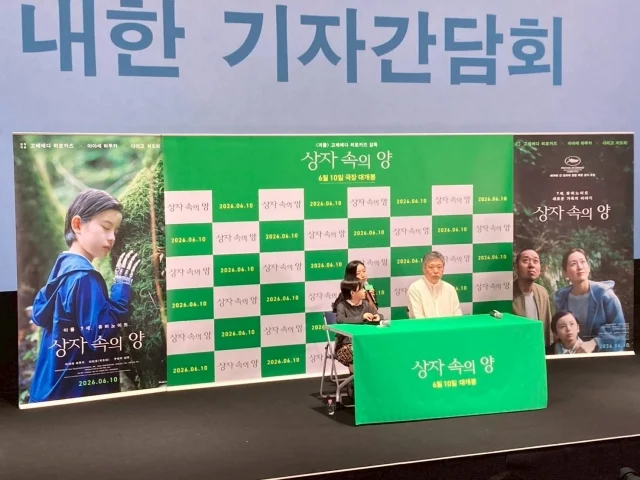
In a groundbreaking development that is poised to redefine the intersection of technology and the performing arts, the South Korean film industry has unveiled a project that challenges our very definition of legacy. The production, titled The Girl’s Song (tentative title), has captured global attention—not merely for its narrative, but for its pioneering use of artificial intelligence to resurrect the likeness and performance of a deceased actress, bringing her back to the screen eight years after her untimely passing.
Produced by AOI Pro., this project represents a significant leap in "digital human" technology. By leveraging advanced deep-learning algorithms and high-fidelity rendering, the production team has achieved a level of realism that blurs the lines between archival footage and generative creation. As the industry grapples with the technical, legal, and moral implications of this feat, the film serves as both a technological marvel and a cautionary tale regarding the digital immortality of performers.
The Genesis of a Digital Legacy
The project began as an ambitious attempt to honor the late actress—a star whose career was tragically cut short—by allowing her to inhabit a final, posthumous role. According to the production notes, the initiative was not a hasty decision but a carefully curated endeavor involving the actress’s estate and former agency.
The core of the technology relies on a massive dataset of the actress’s past performances, interviews, and public appearances. Using this data, engineers trained a generative model capable of synthesizing her facial expressions, vocal inflections, and even idiosyncratic body language. The goal was not merely to mimic her, but to allow her to "perform" in a new script, responding to current co-stars in real-time within the virtual environment of the film’s set.
This isn’t the first time an actor has been digitally recreated, but the scale and the depth of the integration in The Girl’s Song are unprecedented. Unlike previous attempts that relied on static "deepfakes" or short cameos, this project features the digital likeness as a lead character, engaging in complex, emotional scenes that demand a nuanced performance.
A Chronology of the Production
The journey toward this digital resurrection has been a long and meticulous process:
- 2023: Initial discussions between the production house, AOI Pro., and the estate of the late actress began. The primary focus was on ensuring the project aligned with the moral and professional values the actress held during her lifetime.
- May 2026: The production was officially announced to the public, confirming that the actress would appear in the film alongside a cast of current A-list performers.
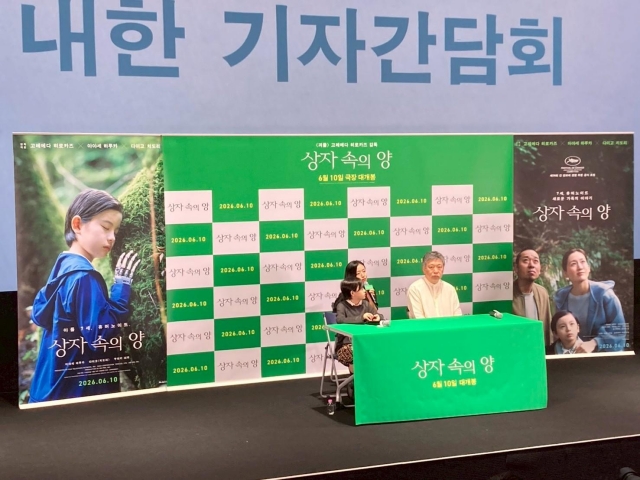
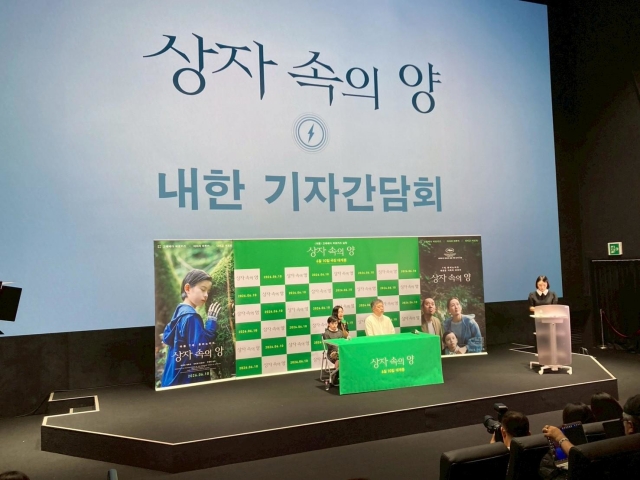
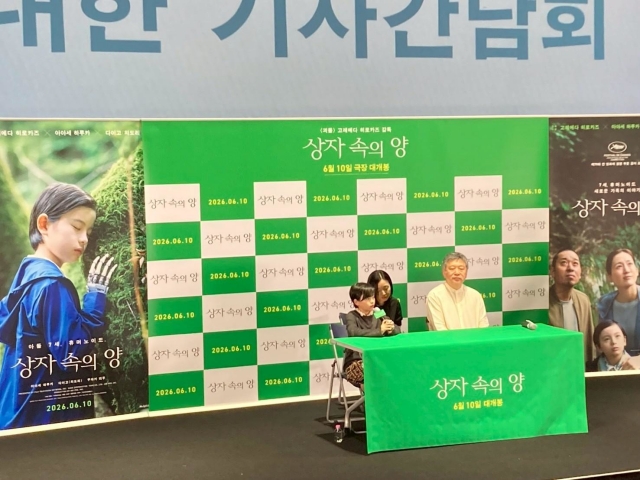
- June 4, 2026: A major press conference was held in Seoul at the MEGABOX COEX, where producers, directors, and the technical team discussed the challenges of the production.
- June 10, 2026: The production team completed the primary filming schedule for the digital lead, marking the conclusion of the most intensive phase of AI-driven animation and rendering.
- Future Outlook: The film is currently in post-production, with a theatrical release anticipated later in the year, signaling a new era for South Korean cinema.
Supporting Data: The Mechanics of Resurrection
Technically, the project utilizes a proprietary system developed by AOI Pro. that integrates skeletal tracking, neural facial mapping, and real-time lighting synchronization.
The data acquisition phase involved scanning hundreds of hours of high-definition archival material. The AI was tasked with "learning" the subtle micro-expressions that define the actress’s unique charm. During the production, the digital model was controlled by a stand-in performer—a "motion-capture shadow"—who provided the physical blocking and emotional tempo of the scene, while the AI layer mapped the deceased actress’s likeness onto the movements in post-production.
Industry analysts note that this approach significantly reduces the "uncanny valley" effect. By grounding the AI in the performance of a live actor, the final product retains a human element that purely synthetic models often lack. However, the cost of such precision is immense, with the production budget for the digital lead segment alone reportedly exceeding the cost of traditional filming by a significant margin.
Official Perspectives: The Debate on Consent
The project has triggered a polarized response from the entertainment industry. Proponents argue that this technology allows for a "second act" for performers whose careers were unfinished, providing a sense of closure for both the family and the fans.
"We are not replacing the human spirit," said a spokesperson for the production team during the June press conference. "We are extending the reach of an artist’s legacy. Every frame has been vetted by the estate, and every line of dialogue was written with the late actress’s known sensibilities in mind."
Conversely, critics and ethics boards have raised alarms. The concept of "digital consent" remains a legal gray area. If an actor passes away, who owns the right to their persona? Can a digital avatar ever truly capture the intent of a deceased human being?
The South Korean Screen Actors Guild has issued a statement calling for clearer regulations regarding the use of AI in post-mortem performances. They emphasize that while technological progress is inevitable, the sanctity of an artist’s image must be protected against commercial exploitation.
Implications for the Future of Cinema
The implications of The Girl’s Song extend far beyond a single film. If successful, this project could open the floodgates for a wave of "revival" cinema, where iconic actors from the past are integrated into modern narratives.
1. The Evolution of Performance Rights:
Legal departments in major studios are now scrambling to update contracts. Clauses that previously covered "likeness rights" are being expanded to include "generative AI persona rights." This ensures that, in the future, actors can specify exactly how their digital image can be used after their death.
2. The Changing Role of the Supporting Cast:
For the actors working alongside the digital lead, the experience was described as "surreal." They had to perform against physical stand-ins, knowing the final emotional weight of the scene would be added by an algorithm. This shifts the focus of acting from direct interaction to a more technical, choreographed process.
3. Audience Reception and Authenticity:
There is a profound question regarding how audiences will perceive this. Will fans feel a deeper connection to the digital representation, or will it create a sense of discomfort? The film’s success will likely depend on the audience’s willingness to suspend their disbelief and accept the digital avatar as a legitimate vessel for performance.
4. The Preservation of Cultural Heritage:
On a more positive note, this technology offers a unique way to preserve the work of legendary actors. By digitizing their performances, studios can create educational tools that allow future generations to "interact" with the history of cinema in a way that was previously impossible.
Conclusion: A Mirror to Humanity
As we look toward the release of The Girl’s Song, we are witnessing more than just a technological breakthrough; we are seeing the beginning of a conversation about the nature of humanity in a digital age.
Is the "soul" of a performance found in the physical presence of the actor, or is it contained within the patterns of their speech and movement? By choosing to bring back the departed, the producers have forced us to confront the permanence of digital data versus the fragility of the human body.
Regardless of whether The Girl’s Song succeeds at the box office, it has already cemented its place in history as the project that dared to bridge the gap between memory and reality. It stands as a testament to our enduring desire to keep those we admire alive, even when the laws of nature suggest otherwise. The future of film is here, and it is as haunting as it is beautiful.

 Lina Hope
  Nana Wu
  Nana
Nana 
