 By Reynand Wu
BTS member V, globally recognized as Kim Taehyung, has recently become the subject of widespread online debate following the release of a new TikTok video that has drawn significant criticism across social media platforms. The video, which first surfaced on August 24, 2026, quickly ignited a firestorm, with netizens expressing a range of reactions from aesthetic disapproval to serious accusations of cultural appropriation, highlighting the intensified scrutiny faced by global K-pop idols in the digital age.
The controversy originated shortly after V, under his TikTok handle "@tete," posted a short video clip featuring himself engaged in certain mannerisms and a dance sequence. While the content was initially shared by many fans as an example of V’s charismatic and often playful online presence, its reposting on prominent X (formerly Twitter) accounts, such as @TheePopCore, amplified its reach and exposed it to a broader, more critical audience. The repost, which initially described V as looking "insanely cool and fine," inadvertently became a catalyst for a wave of negative commentary.
Chronology of the Controversy
The timeline of the unfolding controversy began swiftly:
- August 24, 2026, Morning (KST): V uploads a new short video to his official TikTok account, @tete, featuring a performance sequence. The video is captioned "Turronnoooo~" and uses a specific audio track, suggesting it might be part of a popular trend on the platform.
- August 24, 2026, Afternoon (KST): The X account @TheePopCore, known for sharing K-pop updates and viral content, reposts V’s TikTok video, accompanying it with a positive caption. This repost brings the video to a wider global audience beyond V’s immediate TikTok followers.
- August 24, 2026, Evening (KST) onwards: Initial reactions on X begin to emerge. A segment of netizens expresses critical views, labeling V’s behavior in the video as "stupid," "cringy," and "unimpressive." These comments primarily focus on the aesthetic and perceived awkwardness of the performance.
- August 25-26, 2026: The nature of the criticism shifts and intensifies. A more significant and vocal group of users begins to accuse V of cultural appropriation. These accusations center on the perception that V’s gestures, dance moves, or overall demeanor in the video were imitative of Black culture, specifically American hip-hop or street culture, without appropriate acknowledgment or understanding. Several tweets explicitly state, "now he wants to be black so bad" and question why "Korean yns gotta go" and adopt such behaviors.
- August 26, 2026, and beyond: The debate escalates further, drawing comparisons to past controversies involving other K-pop idols who faced similar backlash for alleged cultural appropriation. Users cite cases involving groups like "Tarazzan" and "Kiss of Life," questioning the perceived inconsistency in public and industry responses to such incidents. The discussion expands to broader critiques of the K-pop industry’s relationship with Black culture, highlighting the sentiment that some artists "love taking black culture but hate black people." Fan defenses also begin to emerge, attempting to contextualize V’s actions or dismiss the criticism as unwarranted.
The Dual Nature of Criticism: Aesthetic Disapproval vs. Cultural Appropriation
The backlash against V’s TikTok video can be broadly categorized into two distinct, though occasionally overlapping, spheres. The first, and arguably less severe, line of criticism revolved around subjective aesthetic judgments. Comments describing V’s actions as "stupid asf" or "cringy" reflect personal preferences and the often-harsh scrutiny applied to public figures’ casual online content. In the fast-paced and trend-driven environment of TikTok, content can quickly be deemed "out of touch" or "awkward" by a global audience with diverse comedic and performative sensibilities. While this type of criticism can be damaging to an artist’s immediate public image, it rarely carries the deeper socio-political implications of the second category.
The more significant and impactful criticism centers on the accusations of cultural appropriation. This term refers to the adoption or use of elements of a minority culture by members of the dominant culture, often without understanding or respecting the original context, meaning, or significance of those elements. In the context of K-pop, this issue frequently arises concerning elements of Black American culture, particularly hip-hop music, fashion, and dance, which have profoundly influenced the genre. Critics argue that V’s behavior in the TikTok video—described vaguely in initial reports but consistently linked by accusers to specific mannerisms or stylistic choices—constituted an uncritical adoption of elements perceived to belong to Black culture.
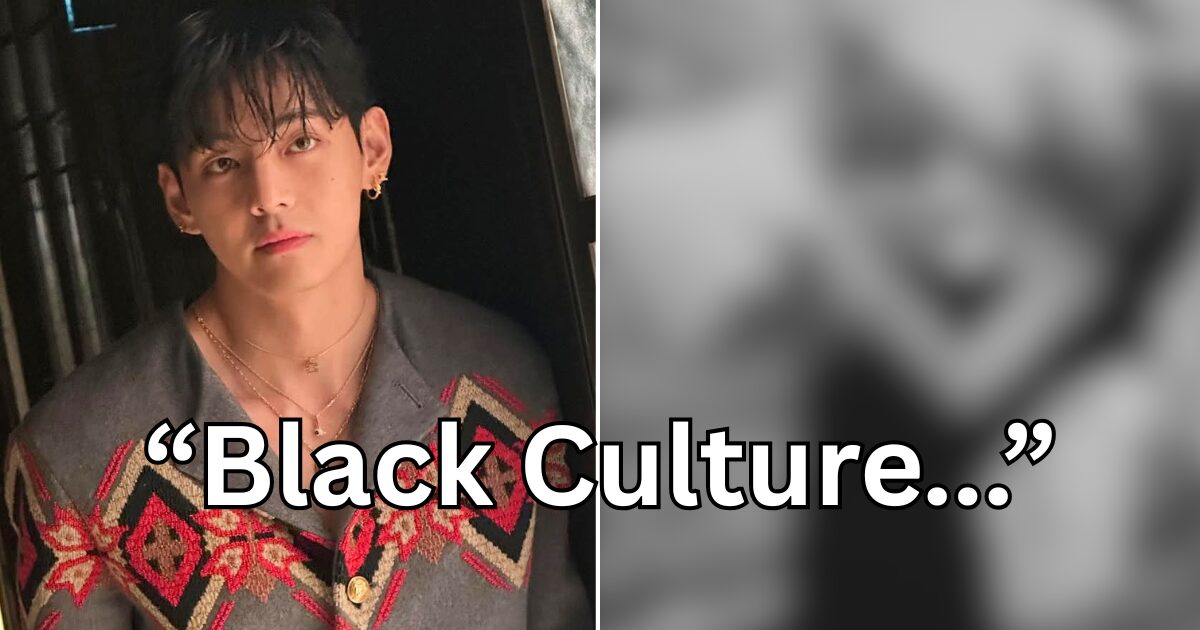
These accusations are particularly potent given the historical and ongoing discussions about systemic racism and the exploitation of Black cultural forms globally. The sentiment expressed by one netizen, "they love taking black culture but hate black people for some reason," encapsulates the frustration felt by many who observe K-pop artists adopting cultural aesthetics without, in their view, advocating for or showing solidarity with the communities from which those aesthetics originate. This perspective underscores a demand for K-pop artists and their agencies to demonstrate genuine understanding and respect, rather than mere imitation, especially as their global influence expands.
Background Context: K-pop’s Enduring Struggle with Cultural Sensitivity
This is not an isolated incident for the K-pop industry. The genre has a well-documented history of navigating accusations of cultural appropriation, particularly as it has grown into a global phenomenon. From hairstyle choices like dreadlocks and cornrows, which carry deep cultural and historical significance for Black communities, to the use of religious imagery or traditional attire from various cultures in music videos and performances, K-pop agencies and artists have repeatedly faced calls for greater cultural sensitivity and education.
Past controversies involving prominent K-pop groups and idols serve as crucial precedents. For instance, Mamamoo faced extensive backlash in 2017 for performing in blackface in a parody video, an act widely condemned as deeply offensive due to its racist history. Similarly, G-Dragon of BIGBANG has been criticized on multiple occasions for wearing hairstyles and accessories associated with Black culture. More recently, groups like (G)I-DLE and Stray Kids have also encountered scrutiny for perceived appropriation in their styling or music. The mention of "Tarazzan" and "Kiss of Life" in the current discussion suggests that these groups may have faced similar, perhaps less widely publicized, criticisms, indicating a persistent, industry-wide challenge.
The consistent recurrence of such incidents points to a systemic issue within the K-pop training and production systems. Critics often argue that while agencies are adept at global marketing and talent development, there is a significant gap in cultural education for idols and creative teams, particularly regarding the nuances of diverse global cultures. As K-pop seeks to expand its reach in markets like the United States, Europe, and Africa, where discussions around cultural appropriation are highly sensitive, this lack of understanding becomes a critical vulnerability.
BTS’s Position and Amplified Scrutiny
BTS, as a septet that has achieved unprecedented global success, occupies a unique position. The group has consistently advocated for messages of self-love, diversity, and social justice, often through campaigns with organizations like UNICEF. Their immense global fanbase, ARMY, is renowned for its diversity and active engagement in social discourse. This background means that any misstep by a member is not just a personal controversy but can reflect on the entire group’s carefully cultivated image and its broader message.
V, as one of the most recognizable faces of BTS, commands an enormous following across all social media platforms. His personal activities, including his solo music, fashion choices, and casual online posts, are subject to intense scrutiny from millions of fans and critics worldwide. This level of visibility means that even an seemingly innocuous TikTok video can be dissected, interpreted, and debated with a fervor that artists of lesser global stature might not experience. The weight of representing a global phenomenon like BTS places an immense responsibility on individual members to be culturally aware and sensitive in all their public interactions.

Potential Statements and Industry Response (Inferred)
As of the immediate aftermath of the controversy, there has been no official statement from Big Hit Music, V’s agency and a subsidiary of HYBE Corporation. However, based on past incidents involving K-pop idols and cultural appropriation, several types of responses are typically observed or anticipated:
- Initial Silence: Agencies often maintain silence in the immediate hours or days following a controversy, allowing them to assess the situation, gauge public sentiment, and formulate a carefully worded response.
- Removal of Content: A common first step, if the content is deemed problematic, is its swift removal from all platforms. This acts as a tacit acknowledgment of the issue without an explicit admission of guilt.
- Apology and Explanation: Should the controversy persist and intensify, a formal apology may be issued. These apologies often emphasize "unintentional harm," "lack of awareness," or "misunderstanding," rather than outright admission of racist intent. They typically reaffirm the artist’s and agency’s commitment to respecting all cultures and promise greater caution and education in the future.
- Internal Review and Education: Behind the scenes, agencies might initiate internal reviews of their content creation processes and implement enhanced cultural sensitivity training for artists, producers, and stylists.
- Fan Defense: Concurrently, large fanbases like ARMY often mobilize to defend the artist. This can involve attempting to provide context for the actions, arguing against the accusations, or even attempting to deflect criticism onto other entities or individuals. This fan activity, while supportive, can sometimes exacerbate the controversy by creating further division online.
For a group of BTS’s stature, any official response would be meticulously crafted to minimize further damage and uphold the group’s global image. The potential for a statement to be misinterpreted or to further inflame tensions would be a major concern for HYBE’s public relations team.
Broader Impact and Implications
The controversy surrounding V’s TikTok video carries several significant implications for the artist, BTS, and the broader K-pop industry:
- Impact on V’s Individual Image: While V’s popularity is immense, repeated accusations of cultural insensitivity could subtly erode his image as a thoughtful and globally conscious artist. It places a burden on him to demonstrate greater awareness in future public appearances and social media interactions.
- Repercussions for BTS’s Brand: BTS has painstakingly built a brand synonymous with positive global messages. Controversies, even those involving individual members, can reflect negatively on the entire group, potentially alienating segments of their diverse fanbase or providing ammunition for detractors. It reinforces the challenge of maintaining an impeccable image under constant global surveillance.
- A Call for Industry-Wide Reform: This incident serves as another stark reminder to K-pop agencies that their global expansion necessitates a commensurate expansion in cultural literacy and sensitivity. The recurring nature of cultural appropriation controversies highlights the need for systemic changes in artist training, content development, and creative direction. Agencies may be compelled to invest more heavily in cultural consultants and diversity experts to avoid future missteps.
- Fueling the Cultural Appropriation Discourse: The incident will undoubtedly add to the ongoing global discourse on cultural appropriation, particularly within the entertainment industry. It will likely spark renewed debates about authenticity, respect, and the responsibilities of artists who draw inspiration from cultures other than their own.
- Fanbase Dynamics and Internal Divisions: While ARMY is known for its unity, controversies like this can create internal rifts. Some fans might prioritize defending the artist unconditionally, while others may acknowledge the validity of the criticisms and advocate for greater accountability. This internal debate reflects the complex ethical landscape that modern fandoms must navigate.
- The Double-Edged Sword of Global Reach: TikTok, like other global platforms, offers unparalleled reach but also exposes artists to an equally unparalleled level of scrutiny and diverse interpretations. Content intended for lighthearted entertainment can be viewed through critical cultural lenses worldwide, demanding that artists be perpetually mindful of the global implications of their actions.
In conclusion, BTS V’s latest TikTok video has inadvertently become a focal point for crucial discussions surrounding cultural sensitivity, accountability, and the complexities of global entertainment. As K-pop continues its ascent on the world stage, such incidents underscore the critical need for artists and their management to engage with profound cultural awareness and respect, ensuring that their global influence is wielded responsibly and ethically. The resolution of this controversy, and the lessons learned from it, will undoubtedly shape future interactions between K-pop and its increasingly diverse global audience.

