The landscape of South Korean political thrillers is set to be redefined with the highly anticipated return of the prestige drama series Made in Korea. Following a critically acclaimed first season that captured the volatile atmosphere of 1970s South Korea, the upcoming sequel, Made in Korea 2, promises a deeper, more sophisticated exploration of institutional corruption, personal betrayal, and the relentless pursuit of absolute power.
Featuring an ensemble cast led by global superstar Hyun Bin, alongside veteran actors Jung Sung Il and Roh Jae Won, the second season leaps nine years into the future. With the core characters now occupying vastly different positions within the state apparatus, the series explores how time, status, and survival instincts have fractured old alliances and forged dangerous new rivalries.
Main Facts: Key Details and Release Schedule
Made in Korea 2 is structured as a tight, high-intensity six-episode miniseries, prioritizing cinematic pacing and narrative density over the traditional, longer-form drama format. The production team has designed a strategic release schedule to build and maintain audience momentum.
Made in Korea 2
Director: Woo Min Ho
Lead Cast: Hyun Bin, Jung Sung Il, Roh Jae Won, Woo Do Hwan, Jung Woo Sung, and Heo Jung Do
Total Episodes: 6 episodes
Premiere Date: September 9 (Episodes 1 and 2)
Release Pattern: Two episodes released every Wednesday following the premiere
Broadcasting/Streaming Partner: Viki (International distribution)
The series is positioned as a tentpole release for the autumn season, aiming to capture both domestic viewers and international audiences who have grown increasingly fond of high-concept, historically grounded Korean political dramas.
Narrative Chronology: From the 1970s to a Nine-Year Leap
To fully comprehend the stakes of Made in Korea 2, it is essential to trace the chronological evolution of its narrative world, which spans nearly a decade of turbulent South Korean history.
+-------------------------------------------------------------------------+
|                                CHRONOLOGY                               |
+-------------------------------------------------------------------------+
|                                                                         |
|  [Season 1: The 1970s Era]                                              |
|  * Baek Ki Tae climbs the ranks through ruthless ambition.               |
|  * Prosecutor Jang Geon Young sacrifices everything to bring him down.  |
|  * High-stakes confrontation sets off a major historical event.         |
|                                                                         |
|                                    v                                    |
|                             [9-Year Interval]                           |
|  * Power structures shift; Baek Ki Tae rises to Acting KCIA Director.   |
|  * Pyo Hak Soo falls behind, forced to accept a subordinate role.      |
|  * Jang Geon Young quietly plans his ultimate counterattack.            |
|                                                                         |
|                                    v                                    |
|  [Season 2: The New Era]                                                |
|  * Baek Ki Tae solidifies his grip on the peak of national intelligence.|
|  * Blue House Chief Cheon Seok Jung faces threats from new rivals.      |
|  * Brother Baek Ki Hyun enters the fray with a different path to power. |
+-------------------------------------------------------------------------+
Season 1: The Genesis of Ambition
The first installment of the franchise was set against the backdrop of the 1970s—a decade characterized by rapid economic modernization, authoritarian governance, and intense backroom political maneuvering. The story centered on the fierce clash between two ideological opposites:
Baek Ki Tae (Hyun Bin): A man driven by an insatiable hunger for wealth, influence, and social ascension.
Jang Geon Young (Jung Woo Sung): An unyielding public prosecutor who was willing to dismantle his own life and career to halt Ki Tae’s corrupt ascent.
The climax of the first season saw these two forces collide during a monumental, nation-shaking historical event, leaving both men scarred and setting the stage for an inevitable reckoning.
Season 2: The Re-alignment of Power
Made in Korea 2 picks up nine years after the devastating events of the Season 1 finale. The passage of nearly a decade has transformed the geopolitical and institutional landscape of the country, as well as the personal fortunes of the main players:
Baek Ki Tae has successfully navigated the treacherous waters of state intelligence, rising to the absolute peak of authority as the acting director of the Korean Central Intelligence Agency (KCIA).
Jang Geon Young, battered but unbroken, has spent the last nine years in the shadows, meticulously preparing a devastating counterattack to dismantle Ki Tae’s empire.
Baek Ki Hyun (Woo Do Hwan) enters the arena. As Ki Tae’s younger brother, Ki Hyun seeks to carve out his own path to the upper echelons of society—one that diverges sharply from his brother’s methods, creating a volatile familial rift.
Character Profiles and Shifting Alliances
The core appeal of the sequel lies in its complex character study. The nine-year gap has forced the characters to adapt, resulting in a fascinating reshuffling of the series’ central power dynamics.
Character
Season 1 Status
Season 2 Status
Primary Motivation
Baek Ki Tae (Hyun Bin)
Ambitious, rising power-seeker
Acting Director of the KCIA
Consolidating supreme authority
Cheon Seok Jung (Jung Sung Il)
Blue House Chief of Staff (No. 2)
Threatened Blue House Chief of Staff
Retaining power; neutralizing rivals
Pyo Hak Soo (Roh Jae Won)
High-ranking rival to Ki Tae
Subordinate officer under Ki Tae
Survival; reclaiming leverage
Jang Geon Young (Jung Woo Sung)
Crusading Prosecutor
Shadowy strategist
Systemic retribution and justice
Baek Ki Hyun (Woo Do Hwan)
Absent / Uninvolved
Independent power-seeker
Establishing an independent legacy
Baek Ki Tae (Hyun Bin): From Outlaw to KCIA Kingpin
No longer the hungry outsider clawing his way up, Baek Ki Tae begins Season 2 at the pinnacle of state intelligence. As the acting director of the KCIA, his decisions carry national security implications. However, holding the crown makes him the ultimate target. Surrounded by enemies both old and new, Ki Tae must determine which of his alliances are genuine and which are merely waiting for the opportune moment to betray him.
Cheon Seok Jung (Jung Sung Il): The Ruthless Strategist of the Blue House
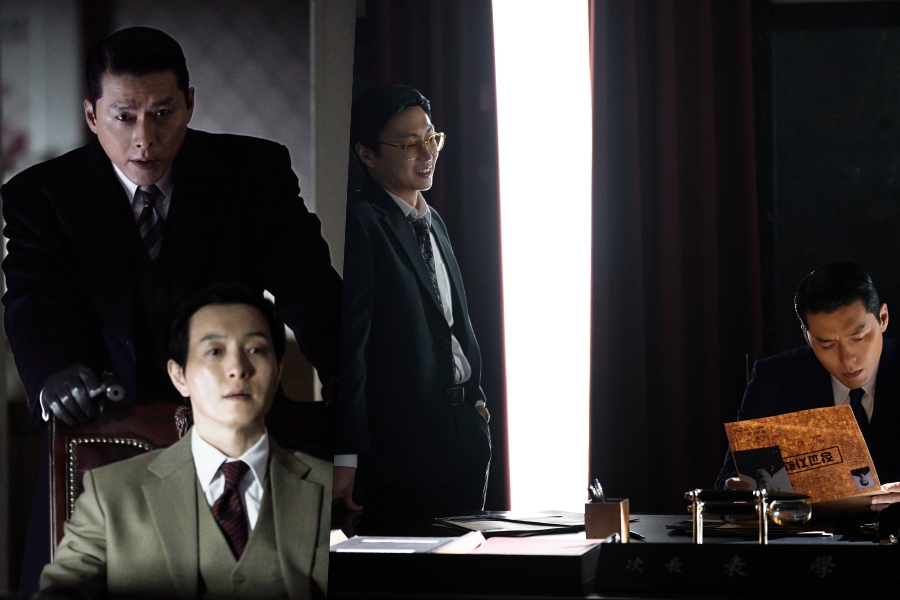
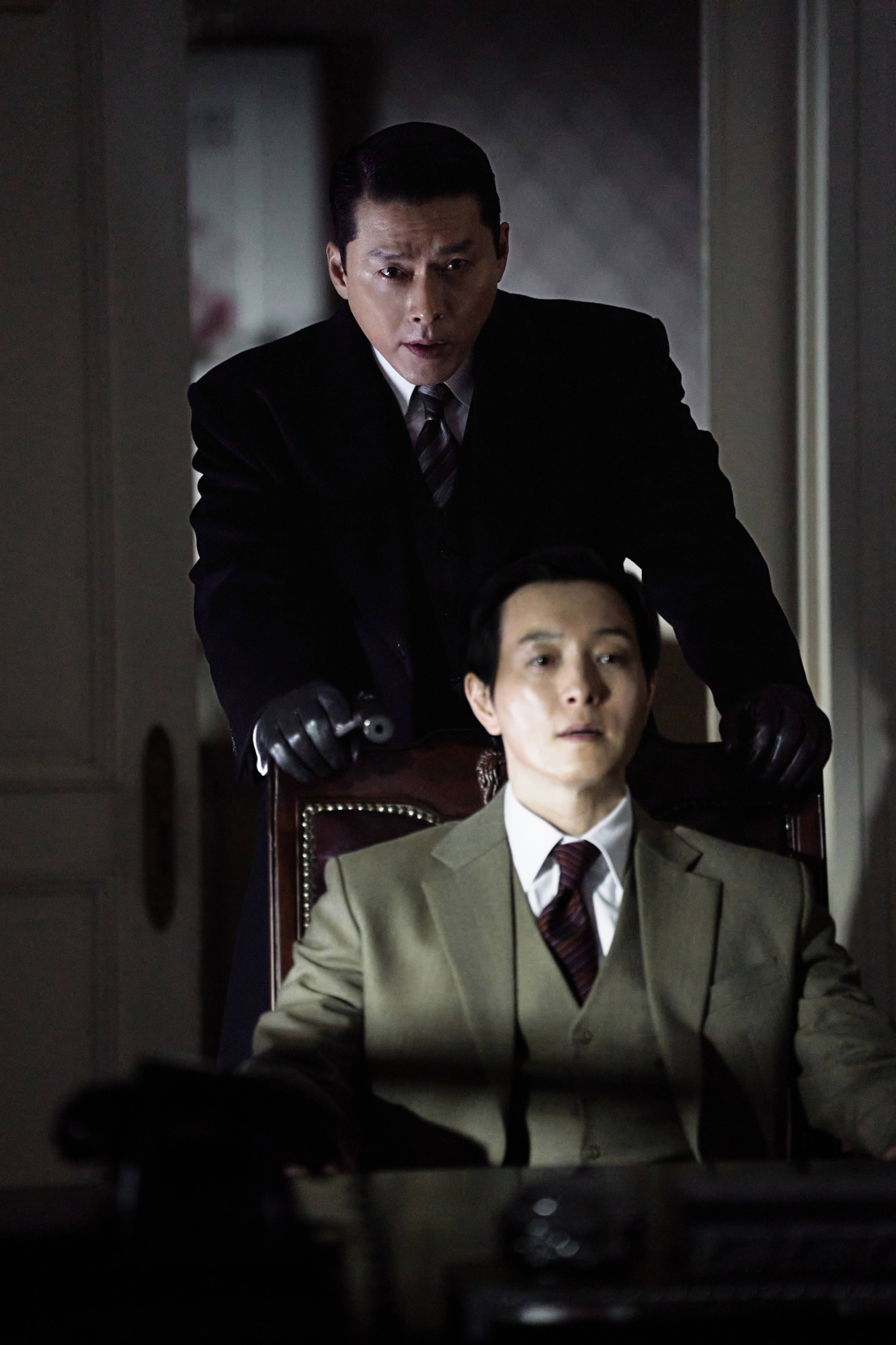
As the powerful Blue House Chief of Staff, Cheon Seok Jung has long enjoyed a position of near-absolute influence, answering only to the nation’s president. However, the arrival of a dangerous new rival, Hwang Dae Shik (Heo Jung Do), threatens Seok Jung’s status as the country’s undisputed "Number Two." Facing an existential threat to his political survival, Seok Jung is forced to reach out to Baek Ki Tae, a man he once viewed merely as a useful tool.
Pyo Hak Soo (Roh Jae Won): The Unpredictable Survivor
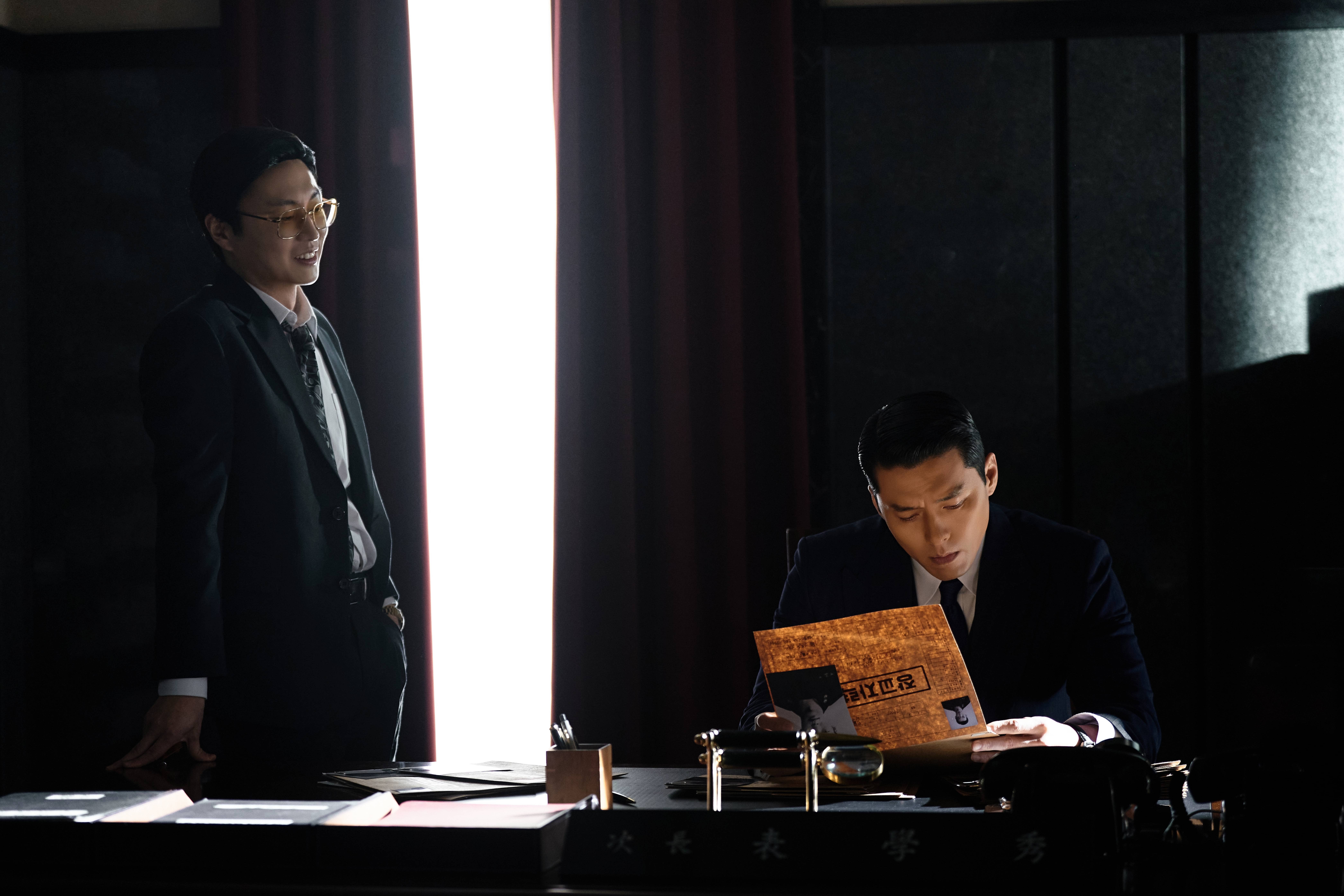
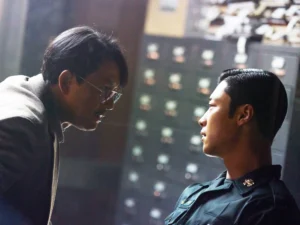
Perhaps no character has undergone a more radical physical and psychological transformation than Pyo Hak Soo. In Season 1, Hak Soo was a sharp, formidable rival who stood on equal footing with Baek Ki Tae. Nine years later, he is introduced with a completely altered appearance—wearing a wig and glasses—symbolizing his fall from grace and his desperate need to blend into the background. Now forced to serve directly under his former rival, Hak Soo is a ticking time bomb, driven by a fierce desire to survive and reclaim his lost status.
Behind the Scenes: Actor Insights and Director’s Vision
The cast and creative team of Made in Korea 2 have shed light on the psychological underpinnings of these characters, highlighting the subtle acting choices that define the sequel’s tense atmosphere.
Psychological Warfare: Hyun Bin and Jung Sung Il on Mutual Reliance
The evolving dynamic between Baek Ki Tae and Cheon Seok Jung serves as the emotional and political anchor of the sequel. Hyun Bin noted that the power balance between the two men has become far more reciprocal than before:
"In Season 1, Baek Ki Tae was the one looking toward Cheon Seok Jung, seeking his favor and validation. But in Season 2, the dynamic has shifted. I felt that Cheon Seok Jung also comes to rely heavily on Baek Ki Tae to maintain his own grip on power."
Conversely, Jung Sung Il offered a chillingly pragmatic interpretation of his character’s motives, emphasizing the transactional nature of high-level politics:
"It doesn’t matter to Cheon Seok Jung who sits in that position. Baek Ki Tae has simply taken the seat that Hwang Guk Pyeong once occupied. Baek Ki Tae is a card he can discard at any time if the situation becomes unfavorable."
This fundamental disagreement between the characters—one seeking mutual reliance, the other viewing the relationship as entirely disposable—sets up an incredibly tense psychological battle that will unfold across the six episodes.
+-------------------------------------------------------------------+
|               THE TRIAD OF KCIA POWER DYNAMICS                    |
+-------------------------------------------------------------------+
|                                                                   |
|                       Cheon Seok Jung                             |
|                    (Blue House Chief of Staff)                    |
|                            /                                     |
|                 Fragile   /              Disposable              |
|                Alliance  /                 Asset                 |
|                         /                                        |
|                        v                 v                        |
|                  Baek Ki Tae <-------- Pyo Hak Soo                |
|             (Acting KCIA Director)  Undercurrent of               |
|                                       Resentment                  |
|                                                                   |
+-------------------------------------------------------------------+
The Physical and Mental Transformation of Roh Jae Won
Roh Jae Won spoke at length about the challenges of portraying Pyo Hak Soo’s fall from grace. The actor focused heavily on the underlying resentment that comes from being subordinated to a former peer:
"They were rivals in Season 1, but in Season 2, Baek Ki Tae is his direct superior. The subtle discomfort that comes from that, along with the precarious situations where Hak Soo crosses that professional boundary, is the biggest difference."
To capture Hak Soo’s desperate survival instincts, Roh adopted a specific internal monologue during filming:
"I repeatedly reminded myself: ‘I have to survive this game somehow. I’m smarter than you, and my choice is the right one.’ That mental state of defiant survival guided every scene."
Director Woo Min Ho’s Vision: The Wild Card "Trickster"
Director Woo Min Ho, celebrated for his ability to direct complex political thrillers with cinematic flair, emphasized that Pyo Hak Soo is the key wildcard of the season.
"Pyo Hak Soo plays a much more pivotal role in Season 2 than in Season 1," Woo explained. "He is like a trickster ball that could bounce in any direction at any moment. His unpredictability keeps both the characters and the audience on edge."
Implications: The Rise of High-Concept Political Thrillers in Hallyu
The production and release of Made in Korea 2 carry significant implications for the South Korean entertainment industry, reflecting broader trends in how modern K-dramas are produced, structured, and consumed globally.
The Prestige 6-Episode Format
Historically, South Korean dramas have favored 16-to-20-episode seasons, allowing for slow-burn romances and extensive subplot development. However, the rise of global streaming services has popularized the "prestige miniseries" format.
By limiting Made in Korea 2 to just six episodes, the creators can maintain a relentless pace, eliminate narrative filler, and allocate a higher budget per episode. This approach mirrors Western prestige dramas, focusing on high production value, tight editing, and cinematic storytelling.
Historical and Political Fascination
The KCIA and the Blue House during the late 20th century remain incredibly compelling subjects for South Korean media. This era of rapid economic expansion, coupled with intense political surveillance and authoritarian control, provides a rich canvas for dramatization. Made in Korea 2 taps into this historical fascination, offering domestic audiences a dramatized look at the country’s complex political roots, while providing international viewers with a gripping, high-stakes introduction to South Korea’s modern history.
With its stellar cast, refined script, and sharp focus on the psychological toll of ambition, Made in Korea 2 is poised to be a landmark release, proving once again that the most dangerous battles are not fought on battlefields, but in the quiet, carpeted corridors of power.

 By Ammar Sabilarrohman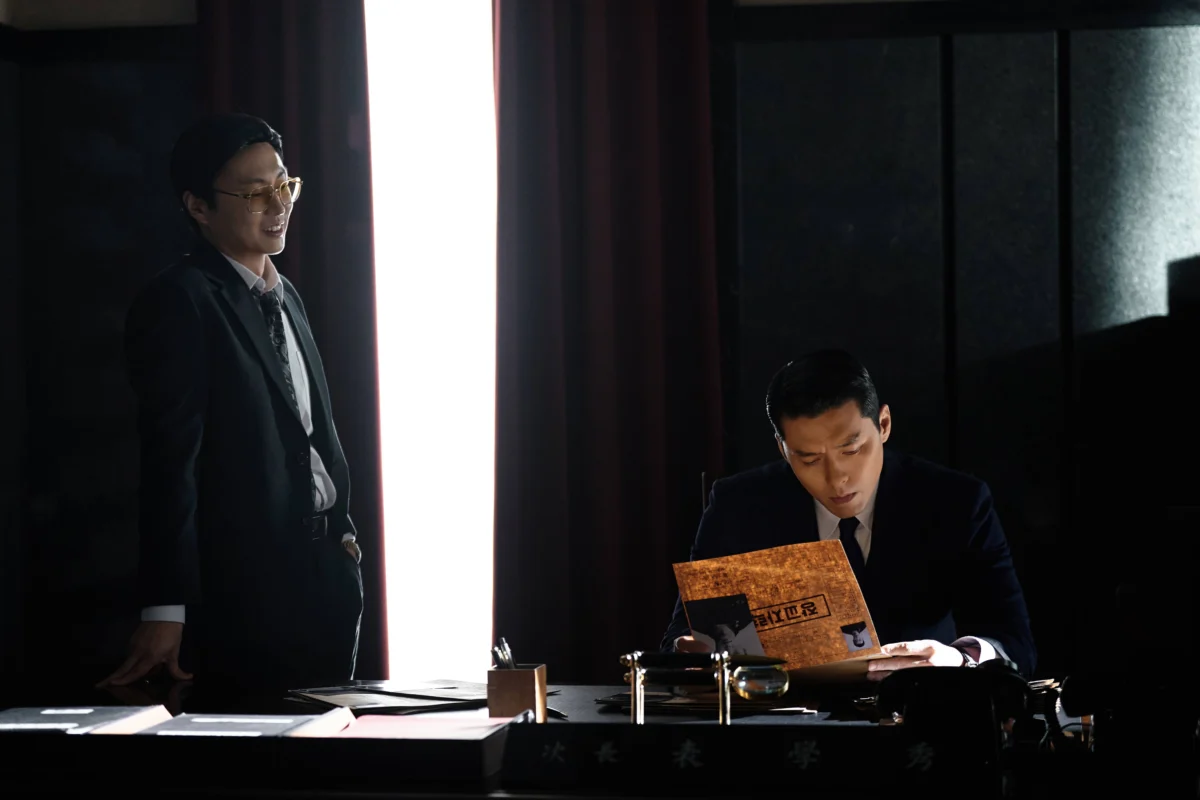


 Jia Lissa
  Nana
Nana  Dwi Wanna
