
 By Muslim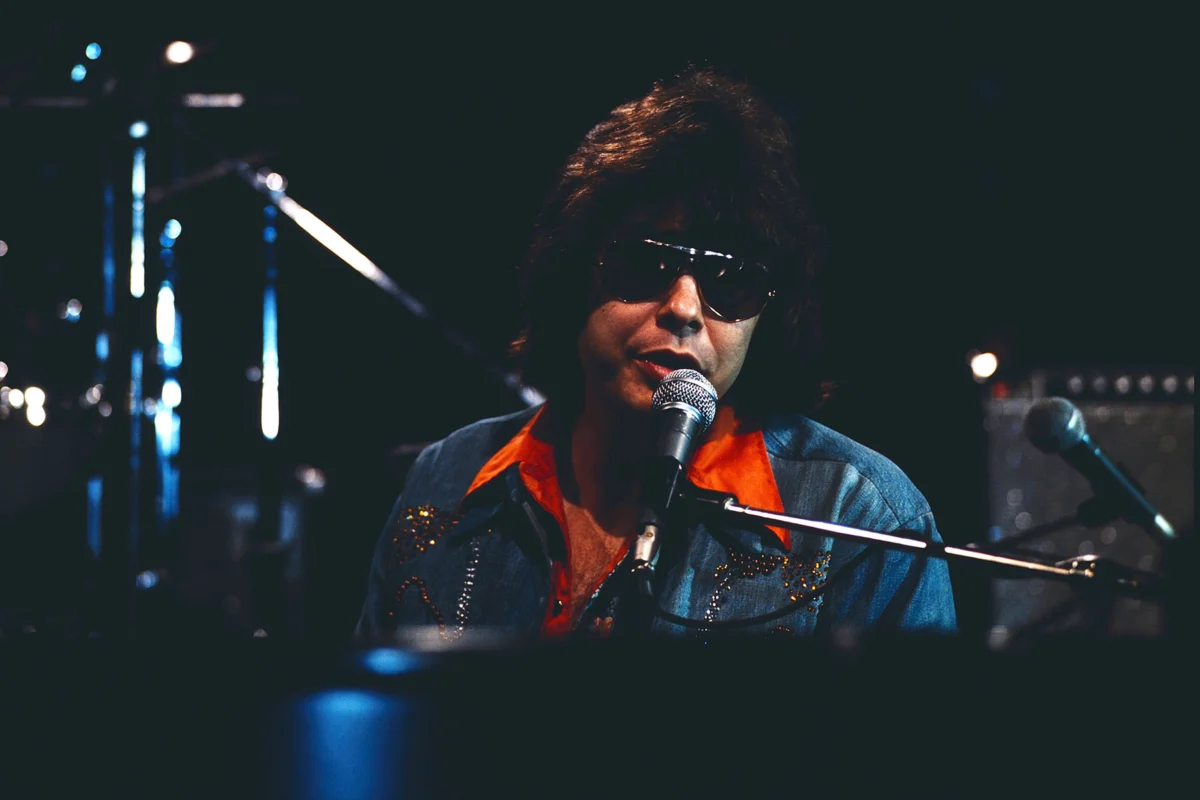
When Ronnie Milsap’s "(I’m a) Stand by My Woman Man" ascended to the pinnacle of Billboard‘s Hot Country Songs chart on August 28, 1976, its public triumph masked a simmering legal dispute that would ultimately reshape the song’s authorship credits. This chart-topping success, the sixth of Milsap’s remarkable 35 career No. 1 hits, became a focal point for a copyright infringement claim rooted in a seemingly innocuous musical flourish.
The genesis of the controversy lay within the recording sessions at the esteemed RCA Studio A. Producer Tom Collins, a prominent figure known for his work with artists like Barbara Mandrell and Steve Wariner, reportedly tasked session pianist Hargus "Pig" Robbins with crafting a distinctive piano lick for the chorus of "(I’m a) Stand by My Woman Man." Collins’ directive was for Robbins to emulate the improvisational style he might employ for a George Jones or Tammy Wynette recording. The intention was to imbue the track with a certain country authenticity.
Coincidentally, the title of Milsap’s song bore a striking resemblance to Tammy Wynette’s iconic 1968 hit, "Stand by Your Man." This phonetic similarity, coupled with Robbins’ creative interpretation, led him to develop a piano fill that, in the ears of some, sounded remarkably akin to a lick he had previously performed on Wynette’s signature song. This creative echo, intended as an homage or a stylistic choice, inadvertently became the crux of the legal challenge.
Following the release and subsequent popularity of Milsap’s recording, publisher Al Gallico allegedly initiated a lawsuit against Tom Collins, alleging copyright violation. Gallico, whose publishing catalog encompassed a significant number of country music standards, contended that Robbins’ piano fill in "(I’m a) Stand by My Woman Man" constituted an unauthorized appropriation of material from "Stand by Your Man." The core of the claim revolved around the melodic and harmonic similarities of the instrumental passage, suggesting it was too derivative to be considered an original creation.
The Legal Ramifications and Authorship Redress
The legal proceedings, though not extensively detailed in public records, resulted in a significant alteration of the song’s songwriting credits. As a consequence of the copyright dispute, the BMI.com Songview database, a widely recognized source for music rights information, now lists the song as co-written by Kent Robbins, Tammy Wynette, and Billy Sherrill. This attribution reflects a compromise or a ruling that acknowledged the connection to Wynette’s seminal work.
Kent Robbins, the original credited songwriter of "(I’m a) Stand by My Woman Man," was a respected figure in country music, with his compositions later finding success through artists like John Anderson ("Straight Tequila Night") and George Strait ("Write This Down"). Tragically, Kent Robbins passed away in 1997, leaving him unable to directly comment on the later developments regarding his song’s authorship. It is important to note that Kent Robbins was not related to the pianist Hargus "Pig" Robbins.
Billy Sherrill, a legendary producer and songwriter in his own right, was instrumental in shaping the careers of many country music artists, including Charlie Rich and Tanya Tucker, and was a key collaborator with Tammy Wynette. His inclusion as a co-writer alongside Wynette and Kent Robbins suggests a recognition of his influence or contribution to the song’s arrangement or conceptualization within the context of the legal settlement.
A Chronology of Success and Controversy
The journey of "(I’m a) Stand by My Woman Man" from its chart debut to its authorship revision can be traced through a specific timeline:
- July 10, 1976: The song makes its initial appearance on Billboard‘s Hot Country Songs chart.
- August 28, 1976: "(I’m a) Stand by My Woman Man" reaches the No. 1 position on the Hot Country Songs chart. This date is noteworthy as it is the same day, nine years prior, that Tammy Wynette recorded and released her groundbreaking hit, "Stand by Your Man."
- February 1977: Ronnie Milsap receives the Grammy Award for Best Country Vocal Performance by a Male for his rendition of the song.
- Around 1977: Following the song’s commercial success and potential legal claims, the authorship credits are adjusted to include Tammy Wynette and Billy Sherrill alongside Kent Robbins.
- 1997: Original songwriter Kent Robbins passes away.
Beyond the Chart: Accolades and Further Recognition
The success of "(I’m a) Stand by My Woman Man" extended beyond its chart performance and the ensuing legal entanglement. The song was a critical and commercial triumph for Ronnie Milsap, solidifying his status as a dominant force in country music.
In addition to Milsap’s Grammy win, the song garnered significant industry recognition. Kent Robbins received a nomination from the Country Music Association (CMA) for Best Country Song. This nomination underscored the song’s merit as a piece of songwriting, even amidst the disputes over its ultimate authorship. The Grammy and CMA nominations collectively highlight the artistic quality and widespread appeal of the track, irrespective of the behind-the-scenes legal wrangling.
The confluence of Milsap’s chart-topping performance on August 28, 1976, and the original recording date of Tammy Wynette’s "Stand by Your Man" on August 28, 1968, adds a layer of poignant coincidence to the narrative. This temporal alignment, whether intentional or accidental, further emphasizes the thematic and sonic connections that likely fueled the copyright concerns.
Analyzing the Implications: Copyright, Creativity, and Compromise
The case of "(I’m a) Stand by My Woman Man" offers a compelling illustration of the complexities inherent in copyright law within the music industry. The incident highlights the fine line between inspiration and infringement, particularly in genres like country music where stylistic conventions and musical phrases can be widely shared and adapted.
- The Role of the Producer: Tom Collins’ directive to Hargus "Pig" Robbins is central to the narrative. Producers often play a crucial role in shaping a song’s sonic identity, and their creative decisions can have far-reaching consequences. In this instance, Collins’ request for a specific type of musical embellishment, while seemingly straightforward, inadvertently led to a legal challenge.
- The Power of Similarity: The subjective nature of musical similarity is often at the heart of copyright disputes. What one listener or musician perceives as a fresh interpretation, another might view as a direct imitation. The legal system grapples with these nuances, often relying on expert testimony and comparisons of musical elements to determine infringement.
- The Impact of a Hit Song: The commercial success of "(I’m a) Stand by My Woman Man" undoubtedly amplified the stakes of the copyright claim. When a song becomes a major hit, any potential infringement is magnified, and publishers and rights holders are often more inclined to pursue legal action to protect their interests.
- Authorship as a Negotiated Outcome: The eventual alteration of the songwriting credits suggests a resolution that sought to acknowledge the perceived connection to Wynette’s earlier work. This outcome, while potentially dissatisfying to the original songwriter, demonstrates how legal settlements can lead to a renegotiation of creative ownership, reflecting a balance between artistic integrity and legal obligation. The inclusion of Wynette and Sherrill on the credits may have been a strategic move to avoid further protracted litigation or to appease parties with vested interests in the legacy of "Stand by Your Man."
- Legacy and Documentation: The BMI.com Songview database serves as a lasting record of this legal resolution. For musicologists, historians, and industry professionals, such databases are invaluable for understanding the evolution of musical works and the often-complicated history of their creation and ownership. The current credit structure for "(I’m a) Stand by My Woman Man" is a testament to the enduring impact of this legal dispute on the song’s official documentation.
In conclusion, the story of "(I’m a) Stand by My Woman Man" is more than just a tale of a chart-topping country hit. It is a narrative woven with threads of creative collaboration, legal contention, and the enduring power of musical precedent. The distinctive piano lick that propelled Ronnie Milsap to the top of the charts inadvertently became the catalyst for a legal battle that ultimately reshaped the song’s credited authorship, leaving a lasting mark on the song’s historical record and serving as a reminder of the intricate relationship between artistic creation and copyright protection in the music industry.

