
 By Reynand Wu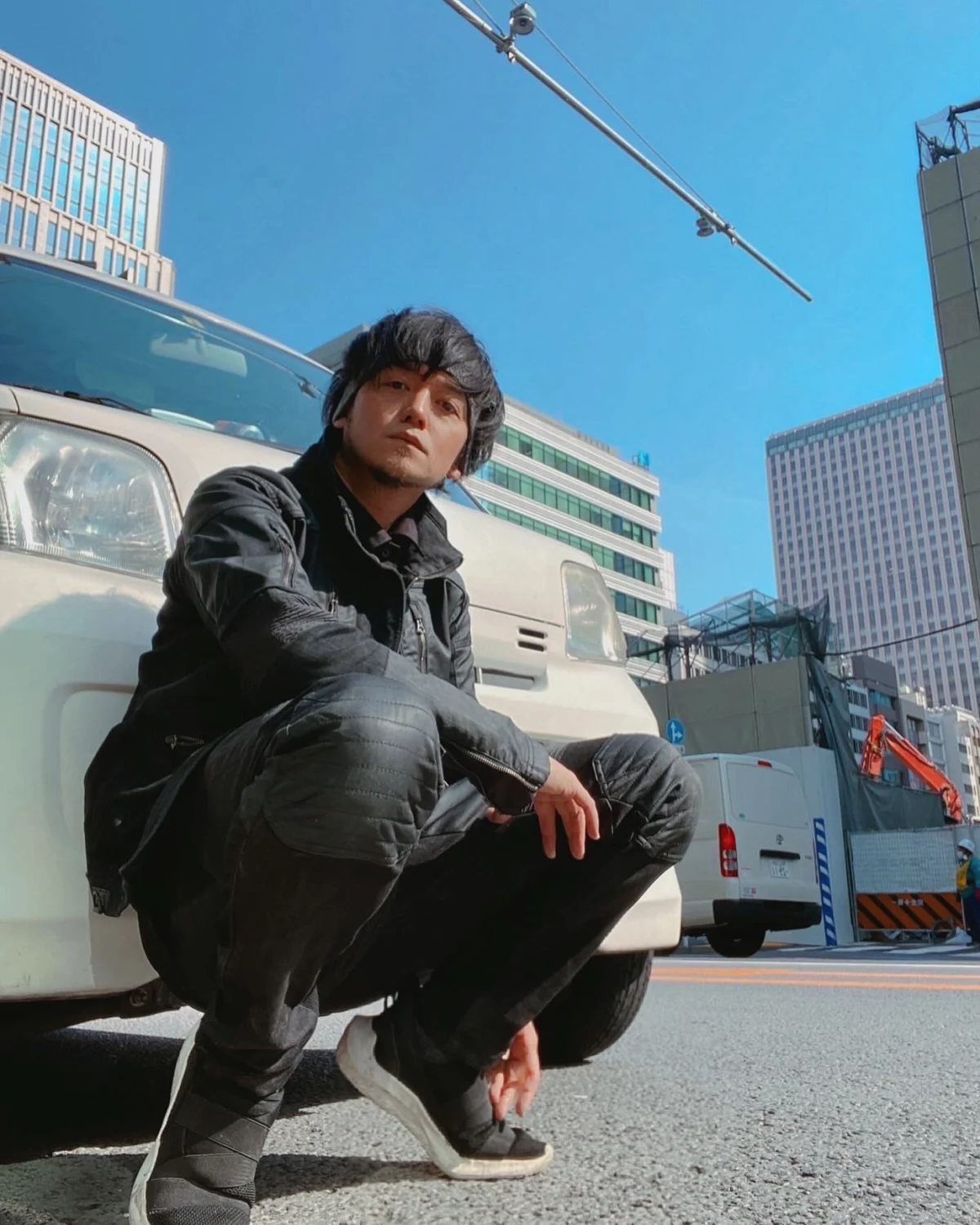
The transition from the glitz and glamour of the entertainment industry to the rigorous physical labor of professional cleaning is a narrative seldom heard in the world of celebrity. However, for Kota Miura, a veteran of the Japanese acting scene, this shift was not merely a career change but a necessary step toward reclaiming his mental well-being. Miura, widely recognized for his roles in popular television dramas and the cult-favorite "Kamen Rider" franchise, recently opened up about his decision to leave the limelight at the age of 40. His journey serves as a poignant reflection on the pressures of the modern entertainment industry and the evolving conversation surrounding mental health and career fulfillment in Japan.
A Career Defined by Versatility and Dedication
Kota Miura’s career in the Japanese entertainment industry spanned over two decades, during which he established himself as a reliable and versatile performer. He is perhaps best known to international and domestic audiences for his role in Kamen Rider Amazons, a darker, more mature entry in the long-running tokusatsu (special effects) franchise. In the series, Miura portrayed Mamoru, also known as the Mole Amazon, a character whose complex emotional arc and eventual descent into tragedy required a high level of nuance.
Beyond the "Kamen Rider" universe, Miura was a staple in Japanese television, appearing in various dramas such as Bad Guy and numerous stage productions. Like many actors of his generation, Miura’s career was built on a foundation of constant work, auditions, and the perpetual need to maintain a public persona. In the Japanese "talent" (tarento) system, the pressure to remain relevant can be suffocating, with actors often working grueling hours for years to secure their place in a highly competitive market.
The Catalyst for Change: Mental Health and the Pandemic
The decision to retire from acting was not an overnight impulse but the result of a cumulative mental toll that began to peak as Miura approached his late 30s. During a recent appearance on Fuji TV’s late-night program Bee The TOP, Miura spoke candidly about the internal struggle that preceded his departure from the industry. He described a growing sense of distress and a feeling that the profession was no longer sustainable for his mental health.
The onset of the global COVID-19 pandemic in 2020 acted as a significant catalyst for this crisis. The entertainment industry worldwide faced an unprecedented standstill, but in Japan, the impact on freelance and mid-tier actors was particularly severe. Production schedules were canceled, theaters were shuttered, and the pipeline for new roles evaporated almost instantly. For Miura, the sudden lack of work provided a moment of forced reflection. The absence of the "actor" identity, combined with the financial uncertainty brought on by the pandemic, exacerbated his mental health struggles.
By 2021, the distress had reached a point where Miura realized that a return to his previous life was no longer an option. At age 40, a milestone often viewed as a turning point in professional life, he made the executive decision to prioritize his peace of mind over his public profile.
From the Screen to the Squeegee: The Transition to Peekaboo
Following his retirement from the entertainment industry in July 2021, Miura sought a fresh start that was entirely removed from the pressures of performance. His path led him to an unexpected mentor: Irie Shinya. Shinya, himself a former high-profile comedian and member of the duo "Karateka," had undergone a dramatic career pivot of his own. After being dismissed from the major talent agency Yoshimoto Kogyo due to a controversy involving "dark business" (unauthorized performances for organized crime groups, which Shinya maintained he did without knowledge of the clients’ backgrounds), Shinya reinvented himself as a businessman.

Shinya founded "Peekaboo," a professional cleaning company that specialized in residential and commercial maintenance. Shinya’s story of redemption and hard work resonated with Miura. In June 2021, Miura reached out to Shinya via social media, expressing an interest in joining his team. Following a formal interview process, Miura was hired, trading his scripts for cleaning supplies.
The transition to manual labor was a deliberate choice. For many individuals dealing with the abstract pressures of the creative arts or high-stakes corporate environments, the tangible nature of physical labor can be therapeutic. In his current role, Miura focuses on the immediate, visible results of his work—transforming a dirty space into a clean one—providing a sense of accomplishment that is distinct from the subjective nature of acting reviews or audience ratings.
The Socio-Economic Context of Second Careers in Japan
Miura’s story is particularly noteworthy within the context of Japanese society, which has traditionally valued lifelong employment and viewed drastic career shifts with skepticism. However, the "Lost Decades" and the recent pandemic have begun to shift this perspective. The concept of a "second career" (daini no jinsei) is becoming more common as individuals seek better work-life balance and mental health.
According to data from the Japanese Ministry of Health, Labour and Welfare, the pandemic led to a significant increase in reported cases of anxiety and depression among workers in the arts and service sectors. The volatility of the acting profession, where income is irregular and job security is non-existent, makes actors particularly vulnerable. Miura’s willingness to publicly discuss his mental health and his new job as a cleaner challenges the stigma associated with "downward" social mobility. In reality, Miura views this move not as a step down, but as a step toward a more grounded and authentic life.

Public Reaction and the Stigma of Manual Labor
The news of Miura’s career change sparked a wave of discussion across Japanese social media platforms. While some fans expressed sadness at his retirement, the overwhelming majority of responses were supportive. Netizens praised his courage for leaving a prestigious field to pursue a job that, while physically demanding, offered him stability and mental clarity.
The reaction also highlighted a growing appreciation for the "essential" nature of cleaning work. In Japan, professional cleaning is a highly respected trade that requires precision and attention to detail. By embracing this role, Miura has inadvertently become a spokesperson for the dignity of manual labor. His presence in the industry serves as a reminder that professional worth is not solely defined by fame or the visibility of one’s work.
The Influence of Irie Shinya’s Business Philosophy
The success of Miura’s transition can also be attributed to the environment fostered by Irie Shinya at Peekaboo. Shinya has been vocal about his mission to provide a "place of belonging" for those who have faced setbacks in their careers. His company employs several individuals who have transitioned from the entertainment world or other high-pressure industries.
Shinya’s philosophy emphasizes the "rebooting" of one’s life through hard work and humility. For Miura, working under someone who understood the highs and lows of the entertainment industry provided a safety net. It allowed him to transition into a new field without the fear of being judged for his past or his reasons for leaving.
Broader Implications for the Entertainment Industry
Kota Miura’s departure from acting raises important questions about the support systems available for performers. The entertainment industry often prioritizes the "product"—the film, the drama, the idol—over the human beings creating it. Mental health resources are often scarce, and the fear of being "blacklisted" or labeled as "difficult" prevents many from seeking help.
Miura’s story suggests a need for:
- Mental Health Advocacy: Increased transparency regarding the psychological demands of the acting profession.
- Career Counseling: Programs that help former performers transition their transferable skills (discipline, teamwork, communication) into other sectors.
- Destigmatization of "Ordinary" Jobs: Normalizing the idea that a career in the arts does not have to be a lifelong commitment if it comes at the cost of one’s health.
Conclusion: A New Chapter of Quiet Fulfillment
Today, Kota Miura is no longer Mamoru the Mole Amazon or a face on a television screen; he is a dedicated professional ensuring the cleanliness and comfort of his clients’ homes. While the physical demands of the job are a far cry from the air-conditioned sets of Fuji TV, the mental rewards appear to be far greater.
His journey from a popular actor to a professional cleaner is a powerful testament to the importance of self-preservation. By choosing to walk away from a career that was causing him distress, Miura has redefined what success looks like. It is not found in the applause of a crowd or the credits on a screen, but in the quiet satisfaction of a job well done and the peace of mind that comes with living a life aligned with one’s needs. As more public figures speak out about their mental health struggles and the reality of their "post-fame" lives, the narrative of the "failed" actor is being replaced by one of the "resilient" individual, paving the way for others to prioritize their health over their heritage.

