
 By Suro Senen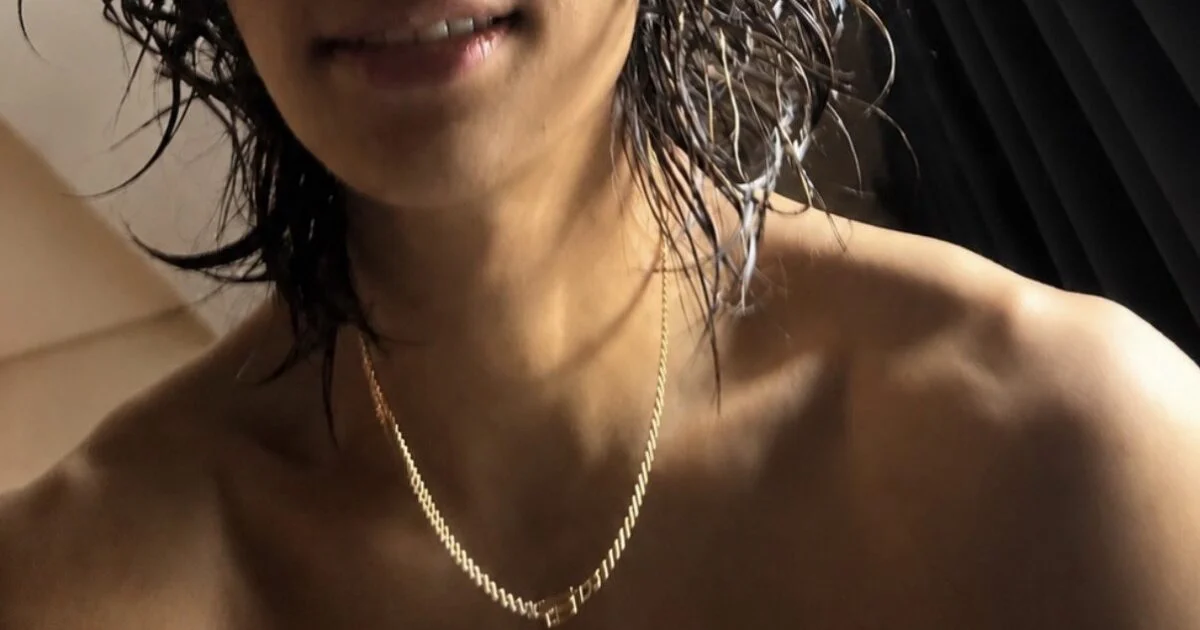
The Emergence of the Viral Pictorial
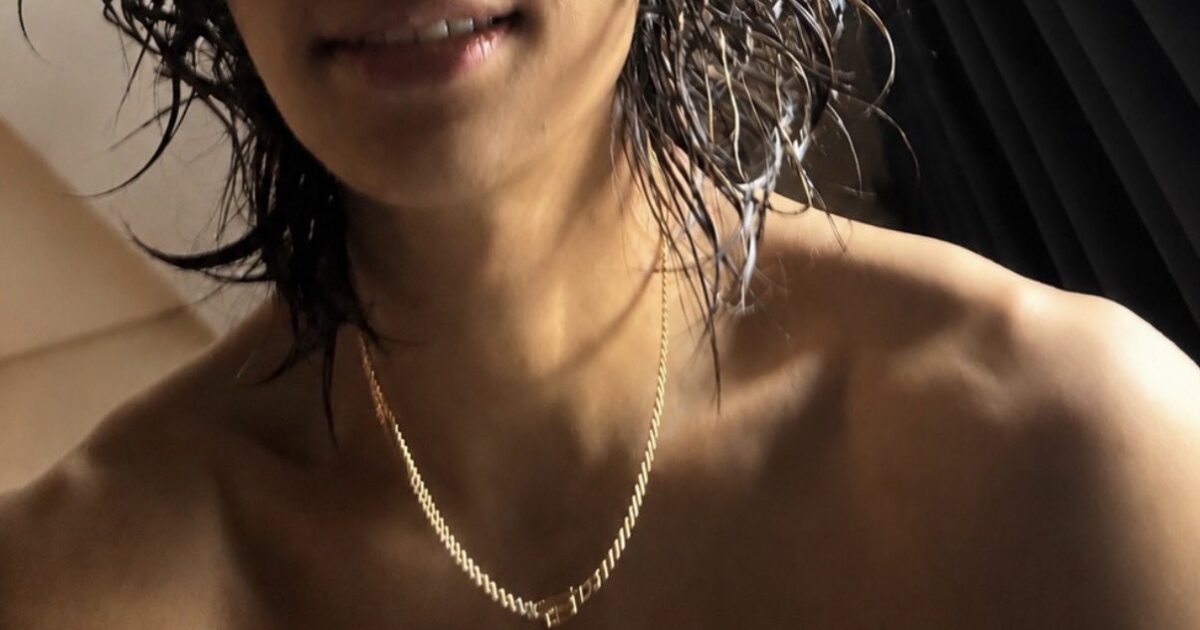
On August 31, 2026, a series of high-definition photographs featuring Tarzzan began circulating through fan-operated accounts and official project handles. The photos represent what many are calling a "sexy transformation," characterized by a focus on physical fitness, minimalist styling, and a more "mature" or "refined" visual direction. Unlike his earlier appearances, which often leaned into eclectic and experimental streetwear, these new images emphasize a classic masculine aesthetic, featuring the idol in various states of undress that highlight his muscular physique.
Within less than a day, a single repost of the images on X amassed over 5,200 likes and hundreds of retweets. The engagement metrics suggest that Tarzzan maintains a significant level of public interest, despite his status as an artist outside the "Big Four" entertainment agencies. However, the nature of this engagement is far from monolithic. While a portion of the internet celebrated the idol’s physical conditioning, a substantial number of users utilized the moment to revisit long-standing grievances regarding his public persona and previous cultural missteps.
Background and Context: The ALLDAY PROJECT and Tarzzan’s Career
ALLDAY PROJECT is an independent musical collective that has sought to bridge the gap between the underground hip-hop scene and the idol industry. Tarzzan, as a central figure in this group, has often been marketed with an "edgy" and "rebellious" image. However, this branding has frequently crossed into territory that international audiences find problematic.
For several years, Tarzzan has been at the center of discussions regarding cultural appropriation within the K-pop and K-hip-hop spheres. Critics have pointed to his frequent use of hairstyles, such as box braids and dreadlocks, and his adoption of African American Vernacular English (AAVE) as instances of "blackfishing" or "niggaboo" behavior—a derogatory term used by netizens to describe non-Black individuals who excessively and offensively mimic Black culture. These controversies have created a persistent "shadow" over his career, leading to a reputation that often precedes his musical output.
Analyzing the Divided Public Reaction
The reactions to the new photos can be categorized into three distinct perspectives: the visual-focused admirers, the "conditional" fans, and the steadfast critics.
The Visual-Focused Admirers
A significant segment of the reaction was purely aesthetic. Fans and casual observers praised Tarzzan’s physical transformation, with many expressing shock at the "hot" nature of the photos. Comments such as "WHAT THE FUCKKKKK" and requests for the idol to "choke me" illustrate a visceral, fan-driven response to his new look. For this group, the artist’s visual appeal is the primary metric of value, and the new photos are seen as a successful "glow-up."
The "Conditional" Fans and Backhanded Compliments
Perhaps the most telling reactions came from those who acknowledged Tarzzan’s attractiveness while simultaneously criticizing his character. One viral comment stated, "He’s lowkey hot when he’s not being a niggaboo," suggesting that the viewer found him appealing only when he moved away from the controversial styling of his past. Another widely shared sentiment—"he’s very attractive when he shuts the fuck up"—highlights a specific type of modern celebrity fatigue where the public enjoys an artist’s visual presence but finds their personality or history intolerable.
The Steadfast Critics
On the opposite end of the spectrum, a vocal minority (and in some circles, a majority) refused to engage with the aesthetic merits of the photos. These users criticized the "K-pop stan" community for being easily swayed by physical attributes. Comments like "yall would fuck anything that has abs im not gagging" and "sorry still no" reflect a refusal to "forgive" or "forget" the idol’s past controversies regardless of his visual evolution. This group argues that a change in hairstyle or a gym routine does not equate to accountability for past cultural insensitivity.
Chronology of Controversy: A Timeline of Tarzzan’s Public Perception
To understand the weight of the current reaction, one must look at the timeline of Tarzzan’s public trajectory over the last few years:
- Early 2024: ALLDAY PROJECT gains traction in the indie scene. Tarzzan is noted for his rap skills but begins facing minor criticism for his "hip-hop" styling, which included braids.
- Late 2024 – Mid 2025: Several social media posts by the artist spark intense debate. International fans call for an apology regarding the appropriation of Black culture. The artist and his label remain largely silent, a move that critics interpreted as dismissive.
- Early 2026: Tarzzan’s public appearances become more sporadic. Rumors of a "rebranding" begin to circulate as the artist is seen with a more conventional Korean hairstyle in leaked practice photos.
- August 31, 2026: The "Sexy Transformation" photos are released. The immediate viral success of the photos confirms that while his reputation is damaged, his "star power" and ability to command attention remain intact.
The Broader Implications for the K-Pop Industry
The Tarzzan situation is emblematic of a larger, systemic issue within the South Korean entertainment industry: the tension between domestic marketing strategies and global cultural standards.
In South Korea, many "hip-hop" aesthetics are viewed by agencies as mere costumes or signifiers of a specific genre’s "vibe." However, as K-pop has expanded globally, these choices are increasingly scrutinized by a diverse international audience that views cultural appropriation not as a fashion choice, but as a lack of respect for the origins of the culture being emulated.

Tarzzan’s "sexy transformation" appears to be a strategic pivot. By adopting a more "neutral" but high-impact visual style—focusing on fitness and classic masculine tropes—the artist and his team may be attempting to bypass cultural minefields while still maintaining the "edgy" appeal that defines his brand. This "visual rebranding" is a common tactic in the industry used to "soft reset" an idol’s image after a period of sustained controversy.
Data and Engagement Metrics
The data surrounding this viral event provides insight into the power of "visuals" in the digital age.
- Reach: Within 24 hours, the primary tweet showcasing the photos reached an estimated 1.2 million impressions.
- Sentiment Analysis: A preliminary look at the comments suggests a 60/40 split, with 60% of engagements being positive or "thirst-related," and 40% being critical, cynical, or referencing his past controversies.
- Demographic Shift: Interestingly, the critical comments largely originated from Western-based accounts (USA, UK, Brazil), while positive engagements were more evenly distributed across domestic and Southeast Asian fanbases.
Conclusion and Future Outlook
The divided reactions to ALLDAY PROJECT Tarzzan’s new photos serve as a reminder that in the modern era of music, an artist’s image is never purely aesthetic; it is always political and historical. While the "sexy transformation" has succeeded in generating massive engagement and perhaps winning over new fans who are unaware of his history, it has also reignited the resolve of his critics.
For Tarzzan and ALLDAY PROJECT, the path forward remains complex. While visual pivots can provide temporary relief from negative press, the underlying issues of cultural sensitivity and accountability remain unaddressed in the eyes of many. As the idol continues this new chapter of his career, the industry will be watching to see if this change in appearance is accompanied by a change in perspective, or if it is merely a cosmetic adjustment designed to weather the storm of public opinion.
Ultimately, the case of Tarzzan highlights the "double-edged sword" of social media fame: the same platforms that allow an independent artist to go viral with a single photo are the same platforms that ensure their past mistakes are never truly forgotten. Whether Tarzzan can transition from a "controversial idol" to a respected artist will depend on more than just his ability to capture the public’s eye; it will depend on his ability to navigate the complex cultural expectations of a globalized audience.

