
 By Basiran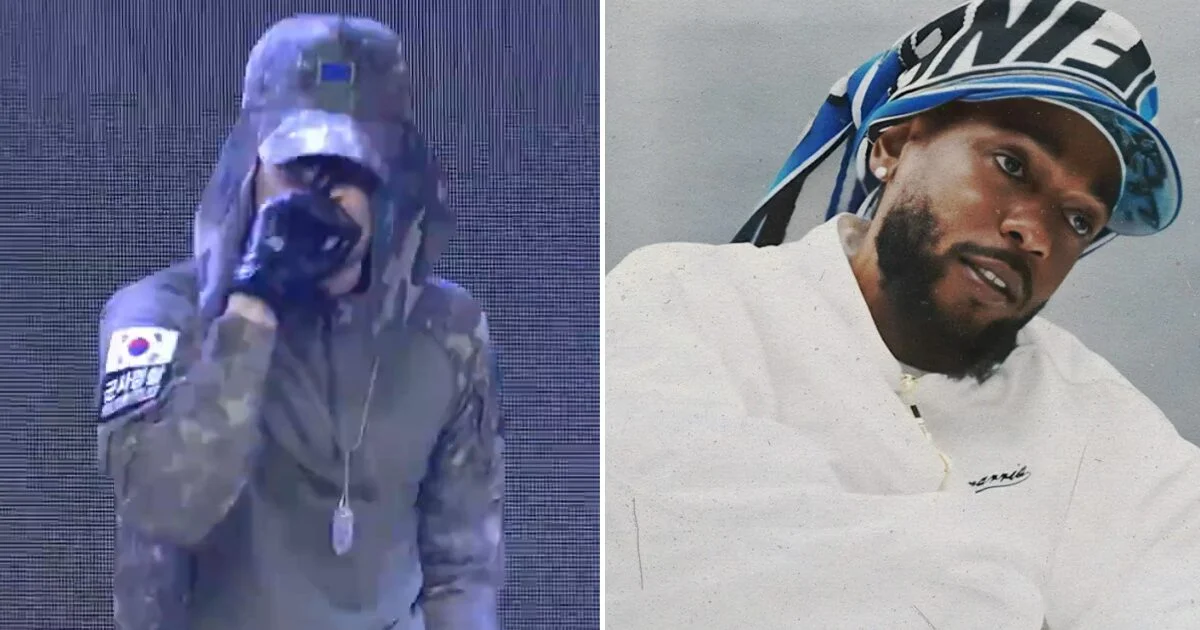
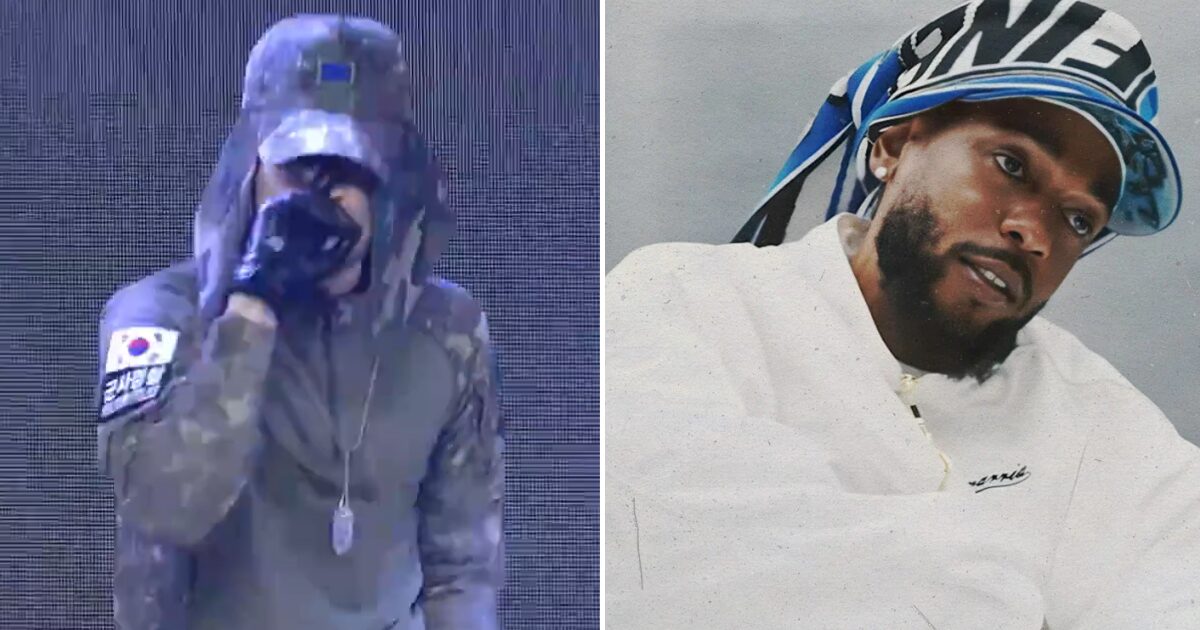
A performance by a South Korean Air Force serviceman, featuring a cover of Kendrick Lamar’s highly charged diss track "Not Like Us" alongside "tv off," has erupted into a significant global controversy, drawing widespread attention from international media and sparking intense debate across social media platforms. The video, initially posted weeks prior, gained unprecedented traction after being shared by a prominent Kendrick Lamar fan account on X (formerly Twitter) on September 1, 2026. This sudden virality thrust the performance into the global spotlight, prompting a polarized discussion about cultural exchange, appropriation, and the complexities of lyrical interpretation in a military context.
The video showcases a South Korean soldier delivering a cover of the impactful hip-hop tracks, a common occurrence within the mandatory military service system of South Korea, where enlisted personnel frequently participate in cultural events to boost morale and engage with the public. These performances often feature contemporary popular music, ranging from K-Pop hits to international chart-toppers, reflecting the diverse musical tastes of the young conscripts and broader South Korean society. However, the selection of Kendrick Lamar’s "Not Like Us," a track deeply embedded in a specific cultural and socio-political context, proved to be a lightning rod for criticism and praise alike.
Mandatory Military Service and Cultural Expression in South Korea
In South Korea, mandatory military service is a fundamental civic duty for all able-bodied men, typically commencing between the ages of 18 and 28. The duration of service varies by branch, with the Air Force generally requiring 21 months of commitment. This system, deeply ingrained in the nation’s psyche due to ongoing geopolitical tensions, shapes a significant period in the lives of young South Korean men. While the primary focus remains on military training and national defense, cultural activities and entertainment play a crucial role in maintaining morale, fostering camaraderie, and presenting a modern image of the armed forces to the public.
K-Pop idols, actors, and other public figures are not exempt from this duty, often enlisting and performing at military-organized events during their service. Recent examples include enlisted K-Pop idols performing popular tracks like NewJeans’ "Hype Boy," which also garnered viral attention, albeit for entirely different reasons. These performances are typically sanctioned by military authorities, intended to be lighthearted and engaging. The inclusion of contemporary music, whether domestic or international, is often seen as a way to connect with a younger audience and showcase the versatility and talent within the ranks. The soldier’s performance of Kendrick Lamar’s songs falls within this established tradition of military cultural events, though its specific content has undeniably pushed the boundaries of typical repertoire.
The Original Context: Kendrick Lamar’s "Not Like Us"
To fully grasp the magnitude of the controversy, understanding the original context and lyrical depth of Kendrick Lamar’s "Not Like Us" is paramount. Released as part of a highly publicized and intense rap feud between Kendrick Lamar and Drake in 2024, "Not Like Us" quickly transcended its origins to become a cultural phenomenon. The track is a visceral, unapologetic diss, characterized by its West Coast G-funk-inspired beat and direct, aggressive lyrics. Beyond its immediate target, the song delves into themes of authenticity, community loyalty, territoriality, and perceived betrayal within the hip-hop landscape, particularly drawing on specific cultural touchstones and historical grievances within the Black American experience.
Lyrical references such as "forty acres and a mule," "colonizers," and pointed critiques of perceived cultural appropriation and exploitation are woven throughout the song. These phrases carry significant historical weight, referencing unfulfilled promises to formerly enslaved people in the United States and broader narratives of systemic injustice. The song became an anthem for many who felt that Lamar was speaking truth to power, championing authenticity and defending cultural integrity. Its massive commercial success, topping charts globally and dominating social media trends, cemented its status as one of the most impactful songs of the year. The accompanying track, "tv off," also by Kendrick Lamar, though less central to the controversy, shares a similar artistic vein of raw expression and social commentary. The profound cultural and historical specificity embedded within "Not Like Us" is precisely what made its performance by a non-Black South Korean serviceman at a military event so contentious.
The Spark: A Viral Reshare Ignites Debate
The initial upload of the South Korean Air Force soldier’s performance to YouTube, featuring both "Not Like Us" and "tv off," likely circulated within niche communities for some time without widespread international notice. However, the landscape dramatically shifted on September 1, 2026, when a popular X account, "kendrick Lyrics" (@WordFromKdot), known for sharing content related to the acclaimed rapper, reposted the video with the caption: "South Korean Air Force covers Kendrick Lamar’s ‘Not Like Us’ and ‘tv off’ 🇰🇷🇺🇸." This single act of resharing propelled the video into the timelines of millions globally, including a vast audience unfamiliar with the nuances of South Korean military culture or the initial intent behind the performance.
The repost quickly accumulated millions of views, shares, and comments, demonstrating the immense power of social media to disseminate content and catalyze instant global reactions. The sheer volume of engagement from diverse audiences, many of whom were primarily familiar with Kendrick Lamar and the cultural context of his music, set the stage for the ensuing controversy. The video’s unexpected virality was further amplified as it was picked up by numerous other content creators, cultural commentators, and ultimately, mainstream US news outlets, transitioning from an internet curiosity to a significant talking point.
A Chasm of Interpretation: Netizen Reactions
The virality of the performance immediately exposed a deep chasm in interpretation, leading to fiercely divided reactions among netizens worldwide. The controversy largely centered on two main axes: cultural appropriation and the perceived misinterpretation of the song’s profound lyrical message, especially within a military context.
Critiques and Concerns:
Many online users expressed significant discomfort and outright criticism. A common sentiment, exemplified by comments such as "They really missed the whole message of the song," highlighted the perceived irony and inappropriateness of a non-Black individual, particularly within a military setting, performing a song so deeply rooted in the Black American experience and its historical struggles. Specific lyrics, like those referencing "forty acres and a mule" or the repeated assertion "I ain’t like that, I ain’t black," were singled out as particularly jarring when sung by someone outside the demographic to whom those lines originally referred.
One X user, @thundercatliker, sarcastically remarked, "south korean talking about some ’40 acres and a mule’ alright," underscoring the perceived disconnect. Another, @Tyre_94, quipped, "We as a community gotta do something about Koreans lmao," reflecting a sense of exasperation among some Black netizens who felt their cultural expressions were being co-opted without full understanding or respect for their origins. The military context further fueled criticism, with @sodjthe3rd asking, "I just fucking realised its a military event. who the fuck brought up the idea to use kendrick for military propaganda," suggesting the performance was a tone-deaf attempt at public relations or even a form of cultural weaponization. The perceived dissonance between the song’s themes of authenticity and resistance and its performance by a uniformed military member became a central point of contention.
Defenders and Advocates for Cultural Exchange:
Conversely, a segment of the audience viewed the performance through a lens of appreciation for cultural exchange and the global reach of Black music. These proponents often emphasized the skill of the performer and saw the act as a testament to the universal appeal and influence of hip-hop culture. For them, the performance was not an act of appropriation but rather an acknowledgment and celebration of Black artistry on a global stage.
Dr. Allison Wiltz (@queenie4rmnola) encapsulated this perspective with a concise statement: "Black culture has global influence." This viewpoint suggests that the spread of music and cultural forms, even those with deeply specific origins, is a natural and often positive outcome of globalization. From this perspective, the soldier’s performance could be interpreted as a genuine tribute or an expression of admiration for Kendrick Lamar’s work, rather than an attempt to claim ownership or misrepresent the source material. They argued that art, by its nature, transcends borders and that global engagement with a genre like hip-hop demonstrates its powerful resonance worldwide, irrespective of the performer’s background.
Broader Implications: Cultural Diplomacy, Appropriation, and the Digital Age
The controversy surrounding the South Korean soldier’s Kendrick Lamar cover extends beyond a simple debate over a single performance; it touches upon significant contemporary issues in cultural diplomacy, the nuances of cultural appropriation, and the challenges of managing public perception in the hyper-connected digital age.
Cultural Appropriation vs. Appreciation: The core of the debate lies in the often-fuzzy line between cultural appreciation and appropriation. Appreciation involves understanding, respecting, and honoring the source culture, often with a sense of humility and acknowledgment. Appropriation, conversely, typically involves taking elements from a minority or marginalized culture without understanding or acknowledging their original context, often for commercial gain or superficial reasons, sometimes stripping them of their original meaning or commodifying them. For many critics, the performance veered into appropriation due to the specific, sensitive nature of "Not Like Us" and its deep ties to Black American history and experience. For others, it was a genuine display of admiration, showcasing the global impact of a powerful artistic voice. This incident highlights the ongoing global conversation about who has the right to interpret and perform certain cultural works, particularly those laden with historical and social significance.
Military Public Relations in the Digital Age: For the South Korean military, this incident presents a complex public relations challenge. While the initial intent was likely to foster morale and present a modern, culturally aware image, the unforeseen global backlash underscores the difficulties of navigating cross-cultural sensitivities in an instant-feedback environment. Military organizations worldwide increasingly engage in cultural outreach and public diplomacy, but this event demonstrates that content selection must be meticulously considered, especially when engaging with culturally specific material. The global spread of the video means that the South Korean military’s cultural output is now subject to international scrutiny, demanding a heightened awareness of global cultural contexts and potential misinterpretations.
The Internet’s Role in Cross-Cultural Dialogue (and Conflict): The rapid dissemination of the video via X and its subsequent analysis by US outlets illustrate the internet’s unparalleled power to amplify cultural phenomena and accelerate cross-cultural dialogue—or conflict. In an era where content can travel instantaneously across continents, interpretations can vary wildly based on individual and collective cultural backgrounds. What might be perceived as a harmless or even laudable act of cultural engagement in one context can be seen as deeply offensive or ignorant in another. This incident serves as a potent reminder of the need for greater cultural literacy and sensitivity in a globalized world, where artistic expressions are constantly being recontextualized and reinterpreted.
Navigating Cross-Cultural Nuances: The South Korean military, like other institutions operating in a globalized environment, will likely need to re-evaluate its guidelines for cultural performances. While celebrating global music is generally positive, the choice of material requires careful consideration of its historical, social, and political undertones. This incident underscores the broader challenge for any culture attempting to engage with, or borrow from, another—particularly when power dynamics or historical injustices are at play. It emphasizes that cultural exchange, while enriching, is not always straightforward and requires an ongoing commitment to understanding and respect.
As the debate continues to unfold across social media and within cultural commentaries, the South Korean soldier’s performance of Kendrick Lamar’s "Not Like Us" stands as a vivid case study in the complexities of global cultural interaction in the 21st century. It forces a conversation about artistic freedom, cultural ownership, and the responsibilities that come with engaging with art that carries profound meaning beyond its melodic surface. The incident serves as a critical point of reflection for both audiences and creators on how cultural expressions are received, interpreted, and sometimes controversially recontextualized in a world increasingly interconnected yet still grappling with deep-seated cultural differences.

