
 By Muslim
In recent weeks, the globally renowned K-pop sensation BTS has found itself at the epicenter of a renewed and aggressive online campaign, primarily orchestrated by accounts known for propagating hate and inciting animosity towards various groups. This digital offensive, centered around the hashtag #BTSDisband, initially gained traction following a Chris Brown-related controversy involving members of the group, and has since evolved into a more widespread and malicious digital assault, culminating in an unexpected clash with a dating application. The incident has not only reignited debates about online harassment but also sparked heated accusations of homophobia, further complicating the already volatile landscape of K-pop fandoms.
The genesis of the current wave of antagonism can be traced back to a specific controversy involving BTS members, particularly RM and J-Hope, and their alleged association or appreciation for American R&B artist Chris Brown. While the exact details of the "Chris Brown-related controversy" remain somewhat ambiguous in the public sphere, it reportedly involved actions or statements by the BTS members that fans perceived as endorsing or overlooking Brown’s well-documented history of domestic violence. Given BTS’s immense global platform and their consistent messaging of self-love, social awareness, and inclusivity, any perceived deviation from these values can provoke a strong reaction from their dedicated fanbase, known as ARMY, as well as from external critics. This sensitivity is amplified by the widespread awareness and condemnation of domestic violence, making any association with individuals implicated in such acts a significant reputational risk for public figures, especially those with a young and socially conscious following.
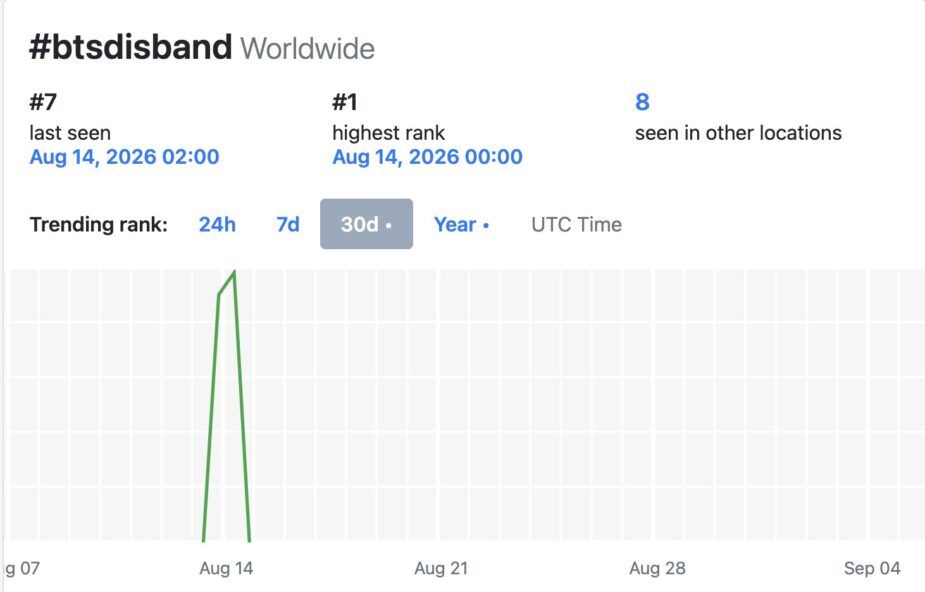
The immediate fallout from this controversy was swift and severe. Almost instantaneously, the hashtag #BTSDisband surged across social media platforms, particularly X (formerly Twitter), reaching the top trending spot globally on the day the Chris Brown controversy initially surfaced. This rapid ascent indicated a coordinated effort, or at least a highly reactive collective sentiment, aimed at calling for the group’s dissolution. While a portion of these initial mentions might have stemmed from genuine disappointment or criticism, a significant number originated from accounts with a documented history of anti-BTS sentiment or those generally involved in online hate campaigns targeting various public figures and communities. This suggests that the controversy served as a convenient pretext for pre-existing antagonists to amplify their negative agenda.
However, the #BTSDisband hashtag did not dissipate with the immediate aftermath of the Chris Brown discussion. Instead, it persisted, detached from its original context, and became a general vehicle for expressing disdain towards the group. This sustained usage, often without any specific commentary on the initial controversy, signaled a broader campaign of harassment rather than a focused critique. It was within this environment that an unlikely participant entered the fray, further escalating the conflict and adding new layers of complexity to the unfolding drama.
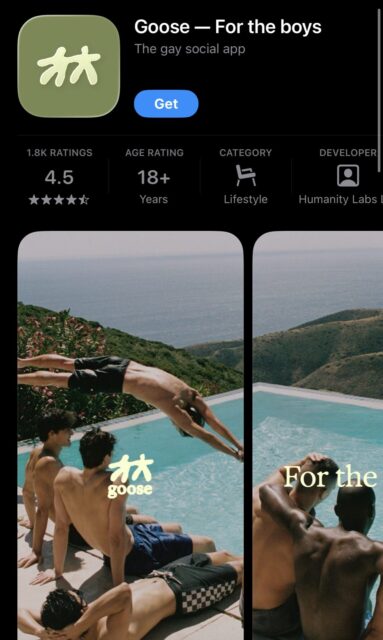
On September 3, 2026, the X account for Goose Dating, a mobile application described as a "gay app for more than hookups," became a focal point of the #BTSDisband controversy. Goose Dating, currently available exclusively in the United States, made a post featuring a video of aespa’s song "Kiss And Tell" while conspicuously including the #BTSDisband hashtag. The post, which quickly amassed over 1 million views, showcased a seemingly random association of a rival K-pop group with a hashtag explicitly calling for the disbandment of BTS. The motivations behind Goose Dating’s decision to utilize such a provocative and negative hashtag remain unclear. It could be interpreted as an attempt at trend-jacking to increase visibility, a misguided marketing strategy, or perhaps a genuine expression of sentiment from the account’s operator. Regardless of intent, the action was perceived by many as unprofessional and an endorsement of online harassment.
The response from BTS’s fanbase was immediate and decisive. Accounts dedicated to protecting BTS from malicious content and online threats quickly mobilized. One prominent account, "BTS PROTECT (@BTSPROTECT07)," issued a direct call to action on September 4, 2026, providing instructions to ARMY members on how to report Goose Dating on various app stores. The rationale for this directive was clear: the app’s official social media account was actively participating in a hate campaign against BTS, and such behavior was deemed inappropriate for a platform available on major digital storefronts. This organized reporting effort aimed to hold the app accountable for its conduct and potentially pressure it to remove the offending post or face consequences such as removal from app stores.
However, this organized fan activism quickly drew counter-criticism, leading to accusations of homophobia and "cult-like" behavior directed at the BTS fanbase. Critics argued that targeting a gay dating app for a tweet, regardless of its content, was an act of homophobia. Tweets emerged expressing sentiments such as, "this is just straight up homophobia btw" and "omg y’all are an actual cult," suggesting that ARMY’s actions were driven by prejudice against the LGBTQ+ community rather than a legitimate grievance about online harassment. Another user pointed out the perceived irony, stating, "the random homophobia to ‘defend’ 7 men that don’t know u," implying an irrational and bigoted response. These accusations placed the BTS fanbase in a difficult position, forcing them to defend their motives amidst a storm of criticism.
In response, BTS fans vehemently denied the accusations of homophobia, asserting that their actions were solely focused on the unprofessional conduct of a business account, not the sexual orientation of its target demographic. They argued that the app’s nature as a "gay app" was irrelevant to the core issue. Key arguments from the fanbase included: "no one would be reporting the app if they didn’t tweet a hate hashtag btw. instead of calling out the admin of a business acc for being unprofessional, yall making up a whole different scenario lmao." Other fans echoed this sentiment, emphasizing that the issue was about "professionalism" and holding a business accountable for engaging in what they considered a hate campaign. They underscored the distinction between legitimate homophobia and holding a company accountable for its social media strategy, irrespective of its user base. One fan wrote, "so professionalism is not a requirement for a job anymore?" highlighting the perceived breach of corporate etiquette. Another tweet stated, "this is why no one takes actual homophobia seriously btw," suggesting that mislabeling legitimate criticism as homophobia trivializes actual instances of prejudice.
The incident underscores several broader implications regarding social media dynamics, brand responsibility, and the nature of modern fandom. Firstly, it highlights the increasingly volatile and weaponized nature of hashtags on platforms like X. What begins as a reaction to a specific event can quickly morph into a sustained campaign of harassment, often amplified by accounts with ulterior motives. The rapid trending of #BTSDisband demonstrates how easily negative narratives can gain traction, especially when targeting high-profile figures.
Secondly, the clash involving Goose Dating brings corporate social media responsibility into sharp focus. While engaging with trending topics can be a strategy for visibility, it carries significant risks, particularly when involving divisive or hateful content. For a brand, especially one catering to a specific community like the LGBTQ+ community, aligning with a hashtag that promotes hate against another group can lead to severe reputational damage and calls for boycotts or removal from platforms. The incident serves as a cautionary tale for companies seeking to leverage viral trends without fully understanding the potential consequences and ethical implications.
Thirdly, the controversy illuminates the immense power and dual nature of K-pop fan activism. While fanbases like ARMY are renowned for their positive impact, including charitable endeavors and coordinated support for their idols, their collective action can also be perceived as overly aggressive or even "cult-like" by outsiders. The organized reporting of Goose Dating, while framed by fans as a defense against harassment, was interpreted by critics as an overreach and an act of prejudice. This highlights the delicate balance fan communities must strike between protective advocacy and avoiding actions that can be misconstrued or weaponized against them. The incident also showcases the inherent difficulty in navigating accusations of identity-based prejudice, even when the primary grievance is unrelated to identity.
Finally, for BTS, this incident is another reminder of the intense scrutiny and constant threats they face as a globally dominant cultural phenomenon. Their immense popularity makes them a frequent target for online harassment, anti-fans, and coordinated attacks. The group and their agency, HYBE, continuously grapple with managing these digital challenges, often relying on the vigilance and coordinated efforts of their fanbase to counter negative narratives and protect the artists’ image.
As of September 5, 2026, the debate continues to rage across social media platforms. The incident with Goose Dating has added a new dimension to the ongoing online battle surrounding BTS, moving beyond simple criticism to encompass accusations of homophobia and discussions about corporate ethics. The resolution of the app store reports remains to be seen, but the event undeniably serves as a potent example of the complex, often fraught, intersection of celebrity culture, social media activism, and corporate responsibility in the digital age.

