
 By Evan Lee Salim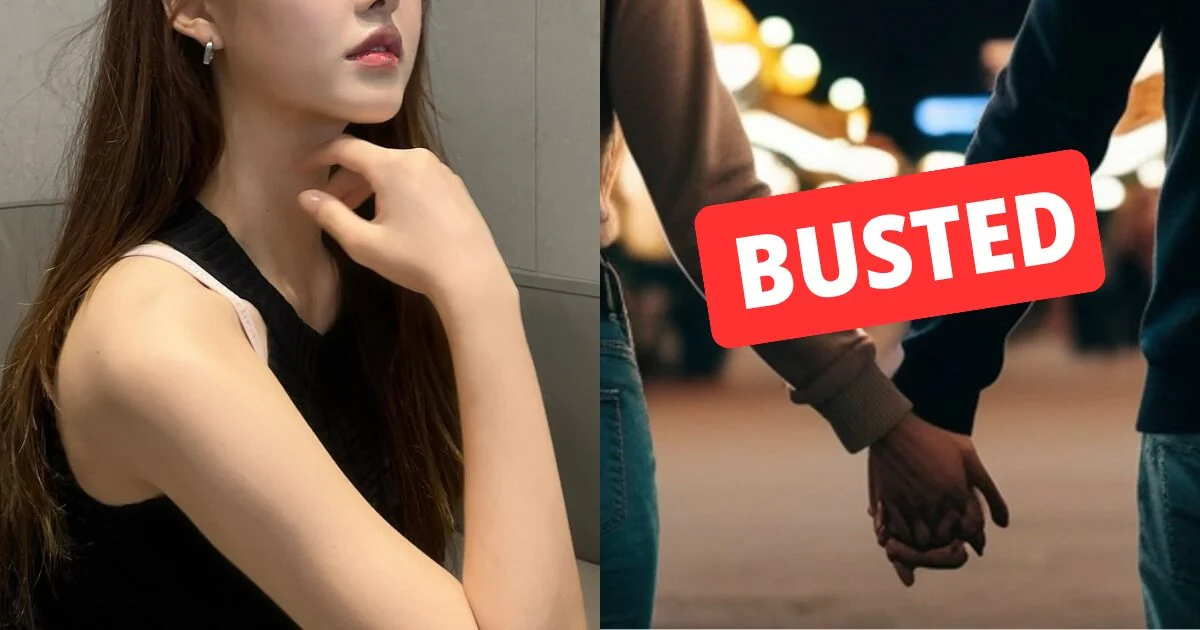
Former K-Pop idol Hyokey, known during her active career as Hyogyeong of the now-disbanded girl group ARIAZ, has continued to draw significant attention by offering candid insights into the demanding realities of the idol industry, particularly focusing on the stringent unwritten and often contractual rules surrounding romantic relationships. Her latest revelations, shared through her personal channel, delve into her own dating experiences as a trainee and a budding idol, culminating in a striking anecdote about being caught on her very first physical date, an event that underscored the pervasive surveillance and intense scrutiny faced by K-Pop artists.
The Unveiling: Hyokey’s Candid Revelations
Hyokey’s recent video expands upon her previous disclosures, which notably included claims about a former group center allegedly securing her position through a relationship with their agency’s CEO. This pattern of transparency has positioned Hyokey as a prominent voice in the growing discourse surrounding the less glamorous, often restrictive, aspects of K-Pop stardom. In her latest discussion, she meticulously detailed two distinct experiences with romantic connections during her formative years in the industry.
Her first "relationship" began during her trainee period, a time characterized by intense training regimens, isolation from external social circles, and immense pressure to perfect one’s craft. This connection, Hyokey explained, was entirely virtual, conducted solely through text messages and phone calls. The individuals involved never met in person, instead finding mutual support and companionship in each other’s voices and words. This form of clandestine communication highlights the profound emotional needs of trainees, who are often cut off from typical social interactions and familial support systems, seeking solace in discreet connections that would not jeopardize their dreams. Such virtual relationships, while seemingly innocuous, reflect the profound lengths to which trainees must go to maintain a semblance of personal connection without violating the strict "no-dating" clauses often embedded in their contracts or tacitly enforced by their agencies.
The second instance, however, carried far more tangible risks. While still a trainee, Hyokey was introduced to a male idol who had already made his debut. This marked a significant escalation from her previous virtual encounter, as it involved an actual in-person meeting. They arranged to go on a date, an activity fraught with peril in the heavily monitored world of K-Pop. During their outing, Hyokey observed her date frequently checking his phone, a habit he explained was a precautionary measure to see if anyone had spotted them and subsequently posted about their encounter online. This constant vigilance underscores the omnipresent fear of exposure that plagues idols, whose private lives are often considered public property by a segment of their fanbase and the media.
Hyokey admitted that she initially dismissed the severity of the risk. Her thought process was simple: the male idol "wasn’t even that famous," leading her to believe that their discreet meeting wouldn’t attract significant attention or lead to any serious repercussions. This perception, while understandable from a layperson’s perspective, dramatically underestimated the extensive networks of fans and industry insiders who are constantly on the lookout for any deviation from the carefully curated idol image. Her assumption proved critically mistaken. The pair were indeed caught on their very first date, a swift and immediate consequence of their ill-fated rendezvous. The following day, upon arriving at her company, Hyokey was confronted by her fellow members, who approached her with a mixture of shock and concern, demanding to know if she was "crazy" for taking such a monumental risk. It was revealed that a friend of one of her group members had spotted them together, quickly relaying the information. Her members, acutely aware of the potential career-ending implications, urged her to cease the relationship immediately before their company staff discovered the transgression, an event that could have severely jeopardized her debut prospects or even led to her expulsion from the trainee program.
ARIAZ and Hyokey’s Journey: A Brief Background
ARIAZ debuted on October 24, 2019, under Rising Star Entertainment, a sub-label of the veteran agency Star Empire Entertainment. The group consisted of six members: Yunji, Dawon, Sihyeon, Yeori, Hyogyeong (now Hyokey), and Jueun. Their debut single, "Grand Opera," showcased a dramatic and elegant concept, initially garnering some attention within the competitive K-Pop landscape. However, the group faced significant challenges throughout their career, including controversies preceding their debut and a highly competitive industry environment that made it difficult for newer acts from smaller agencies to gain consistent traction. Despite their efforts, ARIAZ struggled to achieve widespread commercial success or a significant breakthrough. The group officially disbanded on September 15, 2022, just shy of their third anniversary, leaving many fans disappointed and highlighting the precarious nature of idol careers.
Following the disbandment, Hyokey transitioned into a new phase of her life, choosing to share her experiences as a K-Pop idol through her personal social media channels. Her decision to speak out has provided a rare and unfiltered look behind the meticulously crafted facade of the K-Pop industry. Her revelations, including the recent details about her dating life and the earlier claims regarding alleged preferential treatment based on a CEO relationship, have sparked considerable discussion among fans and industry observers alike, contributing to a broader conversation about transparency, ethics, and the human cost of idol stardom.

The Unspoken Rules: Dating in the K-Pop Industry
Hyokey’s experience vividly illustrates the pervasive "no-dating" culture that has long been a foundational, albeit controversial, aspect of the K-Pop industry. While not always explicitly written into contracts for all idols, the expectation to remain publicly single and unattached is a deeply ingrained norm, particularly for rookie groups and those attempting to establish a loyal fanbase.
- Contractual Clauses and Enforcement: Many K-Pop idol contracts, especially for trainees and newly debuted artists, include strict "no-dating" clauses, sometimes extending for several years post-debut. These clauses are legally contentious in some jurisdictions, raising questions about individual autonomy and human rights. However, agencies often defend them by arguing that they protect their significant financial investments in training and promoting idols, and maintain the "imaginary boyfriend/girlfriend" image crucial for fan engagement. Violation of these clauses can lead to severe penalties, ranging from fines and suspension of activities to outright contract termination and expulsion from the group or agency. Surveillance, including monitoring of phones, social media, and personal schedules, is often employed to enforce these rules.
- Idol Image and Fan Culture: The core of the "no-dating" rule lies in the unique relationship between K-Pop idols and their fans. Idols are often marketed as aspirational figures, embodying ideals of perfection, dedication, and availability. For a significant portion of the fanbase, particularly in East Asia, the idol serves as a "surrogate partner" or an object of intense, often parasocial, affection. Any indication of a real-life romantic relationship can shatter this illusion, leading to feelings of betrayal, disappointment, and anger among fans. This phenomenon, sometimes referred to as "fan ownership," can result in significant backlash, including boycotts of merchandise, withdrawal of support, and even organized protests against the idol or their agency.
- Company Control and Investment: From an agency’s perspective, an idol’s dating life is not merely a personal matter but a business asset. Companies invest millions in training, housing, promoting, and branding their idols. A dating scandal can jeopardize this investment by alienating fans, damaging the group’s reputation, and reducing commercial appeal. Therefore, agencies exert considerable control over idols’ private lives, implementing strict rules designed to mitigate risks and maintain marketability. This control often extends to limiting social interactions, managing public appearances, and carefully curating an idol’s public persona.
- Consequences of Exposure: The consequences of being caught dating can be severe and far-reaching. For rookies like Hyokey was at the time, such an incident could lead to immediate termination of their trainee contract or being removed from a debut lineup. For debuted idols, it can result in a significant drop in popularity, loss of endorsement deals, forced hiatuses, or even the eventual disbandment of their group. The mental health toll on idols living under such constant pressure and fear of exposure is also immense, contributing to stress, anxiety, and depression.
Industry Perspectives and Reactions
While specific agencies rarely comment on individual idols’ dating revelations, the general industry stance remains largely unchanged: maintaining an unattached image is paramount for K-Pop idols, especially during their early career stages. Agencies argue that these rules are necessary for the economic viability of the K-Pop model, which heavily relies on the aspirational fantasy and emotional connection between idols and fans. They emphasize the intense competition and the need for idols to fully commit to their careers without distractions that could undermine their public image or fan support.
From the idol’s perspective, as evidenced by Hyokey’s candid account, the reality is one of immense sacrifice and emotional deprivation. The desire for normal human connection and companionship often clashes with the stringent demands of their profession. This creates an ethical dilemma where personal happiness is often pitted against professional success, leading many idols to engage in secret relationships or forgo dating entirely.
Fan reactions to dating news are often polarized. Traditional K-Pop fandoms, particularly in South Korea, tend to react strongly negatively to dating revelations, perceiving them as a betrayal. However, there has been a noticeable shift among international fans and younger demographics, with a growing number advocating for idols’ rights to personal lives and expressing support for their relationships. Despite this evolving sentiment, the economic power of traditional fandoms often dictates agency policies.
Implications and The Future of K-Pop Idol Contracts
Hyokey’s ongoing revelations contribute significantly to a broader, critical examination of the K-Pop industry’s practices. Her story highlights several key implications:
- Mental Health Crisis: The constant fear of exposure, the denial of basic human desires for connection, and the intense scrutiny contribute to a significant mental health burden on idols. Such conditions can lead to severe psychological distress, burnout, and even tragic outcomes. Transparency from former idols like Hyokey sheds light on the systemic pressures that contribute to these issues.
- Ethical Debate on Contracts: The legality and ethics of "no-dating" clauses and other restrictive terms in idol contracts are subjects of ongoing debate. Critics argue that such clauses infringe upon human rights and personal autonomy, while proponents defend them as necessary for the unique business model of K-Pop. As public awareness grows, there may be increasing pressure for agencies to revise these contracts to be more equitable and humane.
- Shifting Industry Landscape: While change is slow, the increasing vocalness of former idols and growing international pressure might gradually influence industry practices. There’s a subtle shift towards greater acceptance of idol relationships, particularly for established idols, though rookies remain under immense pressure. Hyokey’s contributions, along with those of other former idols, are vital in challenging the status quo and pushing for greater transparency and artist welfare.
- Fan Culture Evolution: The dialogue sparked by such revelations also influences fan culture. As more fans become aware of the sacrifices idols make, there’s a potential for a more empathetic and less possessive approach to idol relationships, though this remains a gradual process.
In conclusion, Hyokey’s brave decision to share her experiences offers an invaluable glimpse into the hidden costs of K-Pop stardom. Her account of being caught on a first date, a seemingly minor transgression in the outside world, underscores the immense pressure, surveillance, and personal sacrifice demanded by the industry. Her revelations fuel an important ongoing conversation about the balance between entertainment industry demands and the fundamental human rights and well-being of the artists who bring K-Pop to life, challenging stakeholders to consider a more sustainable and humane future for idols.

