
 By Siti Muinah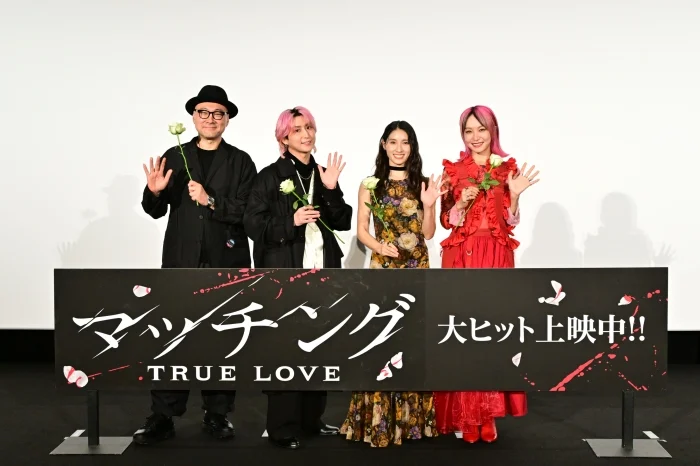
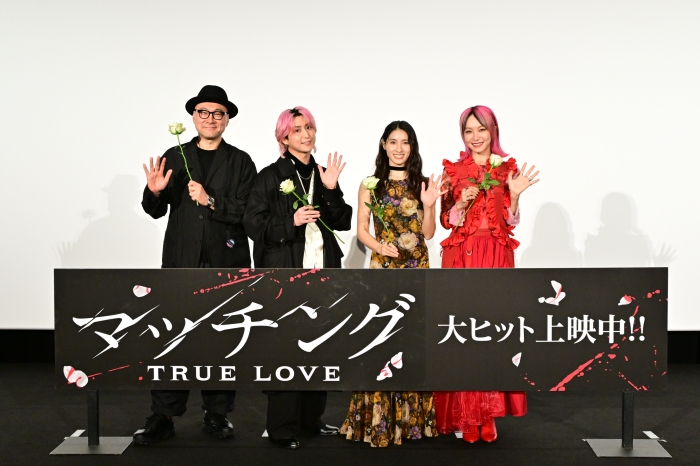
The Japanese entertainment landscape has long been defined by its ability to blend high-stakes drama with the profound, often melancholic beauty of human connection. The latest cinematic venture, TRUE LOVE, which premiered on October 10, 2026, is no exception. Produced by the powerhouse team behind the TRUE LOVE film committee and distributed by TOHO, the film has quickly ascended to the top of the cultural conversation, marked by an A-list ensemble cast and a hauntingly beautiful theme song by the iconic artist, LiSA.
As the film continues to dominate the box office, it has become clear that TRUE LOVE is more than just a seasonal release; it is a meticulously crafted exploration of destiny, grief, and the enduring nature of affection.
The Core Narrative: A Tapestry of Human Emotion
At its heart, TRUE LOVE tells the story of intersecting lives, anchored by a central narrative that balances the harsh realities of modern existence with the ethereal quality of fated encounters. The film stars Masaki Suda, Kento Nagayama, and the globally renowned singer-songwriter LiSA.
The plot follows a complex web of characters whose paths cross in ways that defy conventional logic. Suda delivers a raw, grounded performance as the male lead, whose internal struggle with loss serves as the film’s emotional compass. Nagayama provides a counter-weight, offering a performance that shifts from stoic restraint to profound vulnerability. Meanwhile, LiSA’s involvement—both in front of the camera and as the musical voice of the project—adds a layer of authenticity that bridges the gap between traditional cinema and modern J-pop culture.
The film explores the "50-year gap" of memory—a central plot device that challenges the characters to reconcile their past mistakes with their current reality. This narrative arc is not merely a trope; it serves as a philosophical inquiry into how we define ourselves through our experiences and the people we have lost along the way.
Chronology of the Production
The journey of TRUE LOVE from script to screen was one of quiet intensity.
- Initial Concept (Late 2025): The production committee began development with a focus on "timeless emotion." The script was designed to be a departure from standard romantic dramas, aiming instead for a psychological realism that prioritizes character development over plot twists.
- Casting Announcements (Early 2026): The inclusion of Masaki Suda and Kento Nagayama set the industry abuzz. When LiSA was announced as a primary cast member, it signaled that the film would lean heavily into the musicality of its atmosphere.
- Principal Photography (Spring/Summer 2026): Filming took place across Japan, with the crew prioritizing locations that emphasized the contrast between urban isolation and natural permanence.
- The Premiere (October 10, 2026): Held at a major TOHO cinema complex, the premiere was attended by the lead cast and production staff. The response was immediate, with critics praising the film’s visual language and the chemistry between the leads.
The Power of the Soundtrack: LiSA’s Melodic Contribution
No discussion of TRUE LOVE is complete without addressing its musical score. LiSA, a titan in the Japanese music industry, did not just lend her voice to the film; she became the soul of the production. Her theme song, which shares the film’s title, has already reached over 120 million streams worldwide, signaling a massive crossover success that extends well beyond Japan.
The music video for the theme, which features the lead cast in a series of abstract, emotionally charged vignettes, has been praised for its cinematographic ambition. LiSA’s performance in the film is surprisingly subtle; she avoids the traps of "idol acting," choosing instead to embody her character’s quiet strength. The song itself, characterized by soaring vocals and a minimalist piano arrangement, captures the essence of the film’s central conflict: the tension between holding on and letting go.

Supporting Data: Why "TRUE LOVE" Resonates
Market analysts have noted several factors contributing to the film’s immediate commercial success.
- Demographic Reach: While the film appeals to the younger demographic who follow the careers of Suda and LiSA, its themes of long-term loss and the weight of memory have resonated deeply with older audiences (40+).
- Cinematic Quality: The film utilizes a color palette that shifts as the characters’ memories evolve. This technical choice has been highlighted by critics as a masterclass in visual storytelling, reinforcing the narrative’s focus on the subjective nature of time.
- Social Media Engagement: The "TRUE LOVE" campaign utilized a unique strategy, focusing on short, enigmatic clips that encouraged viewers to speculate on the film’s ending. This "puzzle-box" marketing generated a significant amount of user-generated content, further driving interest.
Official Responses and Creative Vision
During the press junket following the release, director and producers emphasized that TRUE LOVE was meant to be a collaborative effort between the actors and the technical crew.
"We didn’t want to tell the audience what to feel," the director stated in a recent interview. "We wanted to provide a space where the audience could sit with their own memories of love and loss."
Masaki Suda, reflecting on his role, noted the difficulty of playing a character who is essentially living in two timelines at once. "It required a level of internal focus that I hadn’t tapped into before. Every gesture, every glance had to be weighted with the history of the character."

LiSA echoed these sentiments, noting that the recording process for the theme song was heavily influenced by her time on set. "Being in the environment, feeling the atmosphere of the scenes—it changed the way I approached the lyrics. It wasn’t just a song anymore; it was a continuation of the dialogue the characters were having on screen."
Implications: The Future of Japanese Romantic Cinema
TRUE LOVE represents a significant shift in the Japanese film industry. For years, the market has been saturated with adaptations of popular manga or light novels. TRUE LOVE, being an original screenplay, serves as a proof-of-concept that there is a massive, untapped audience for high-quality, character-driven original dramas.
The success of the film also highlights the power of "crossover" talent. By bringing in a music superstar like LiSA to anchor a dramatic role, the production team was able to leverage her massive fanbase while simultaneously broadening the film’s artistic credibility. This strategy is likely to be mimicked by other studios looking to compete in an increasingly crowded global streaming market.
Furthermore, the film’s exploration of memory and the "50-year gap" taps into a broader cultural anxiety regarding the rapid pace of change in the modern world. By anchoring its story in the concept of "True Love"—not as a fairy tale, but as a grueling, often painful commitment—the film provides a necessary emotional catharsis for a generation grappling with uncertainty.

Conclusion
As the weeks progress, TRUE LOVE shows no signs of slowing down at the box office. It stands as a testament to the fact that when storytelling is grounded in genuine emotion, the cultural barriers that typically divide international audiences begin to dissolve.
Whether it is through the haunting melodies of its soundtrack, the nuanced performances of its leads, or the visually striking direction, the film leaves an indelible mark on the viewer. It is a reminder that while memories may fade or change over time, the imprint of a true connection is permanent.
For those who have yet to experience it, TRUE LOVE is not merely a viewing experience; it is an invitation to reflect on the nature of the bonds we forge and the weight of the lives we touch. It is, in every sense, a cinematic masterpiece of the current era.
Production Credits & Details
- TRUE LOVE
- Lead Cast: Masaki Suda, Kento Nagayama, LiSA
- Director: (Staff Committee)
- Original Concept: KADOKAWA
- Theme Song: "TRUE LOVE" by LiSA (SACRA MUSIC / Sony Music Labels Inc.)
- Production Committee: TRUE LOVE Film Committee
- Official Website: movies.kadokawa.co.jp/matching/


 Neng Nana
  Lina Irawan
