
 By Basiran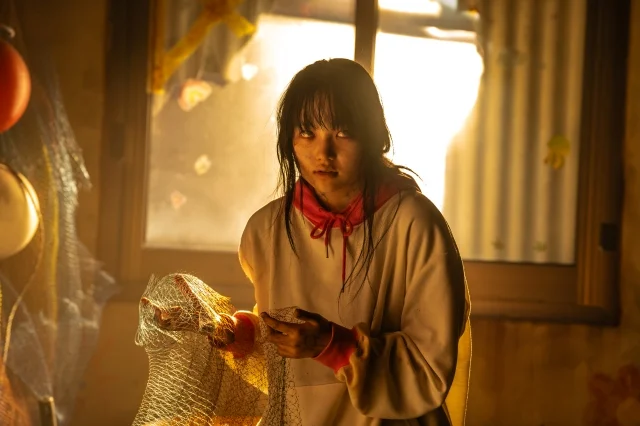
The landscape of South Korean cinema has long been defined by its ability to blend high-concept genre tropes with profound, heart-wrenching human emotion. In the latest contribution to this rich tradition, the film My Daughter is a Zombie (directed by Lee Wan-min) has emerged as a critical and commercial sensation. Garnering significant attention for its poignant exploration of paternal love, the film has officially been confirmed for a wide theatrical release in Japan on November 13, 2025.
As audiences prepare for this emotional journey, the film’s narrative—which centers on a father’s desperate attempt to protect his zombified daughter—is being hailed as a masterclass in genre-bending storytelling. By moving away from the conventional "flesh-eating" horror tropes typical of the zombie sub-genre, My Daughter is a Zombie redefines the stakes, placing the focus squarely on the resilience of the human spirit.
The Core Narrative: A Paternal Odyssey
The story follows a man living in a world where a mysterious viral outbreak has turned a significant portion of the population into the undead. However, the film subverts the apocalyptic urgency of films like Train to Busan or Alive. Instead, it adopts a more intimate, domestic perspective.
The protagonist, faced with the heart-shattering reality that his daughter has been infected, refuses to succumb to the standard protocols of isolation or elimination. Instead, he dedicates his remaining existence to keeping her safe, hidden, and—as much as possible—integrated into a semblance of their former life. The tension of the film is not derived from jump scares, but from the crushing weight of the question: How far would you go to protect the person you love, even when they are no longer who they once were?
Chronology of Production and Release
The journey of My Daughter is a Zombie from a creative concept to an international theatrical release has been meticulously managed.
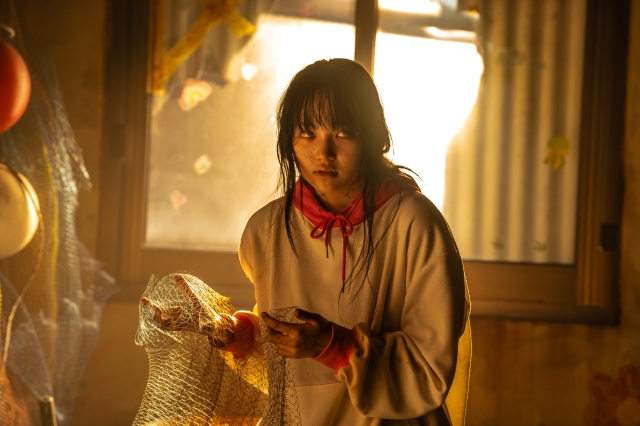
- Developmental Phase (2024): The project was developed under the watchful eyes of Next Entertainment World and Studio N. During this time, the script underwent several iterations to ensure that the emotional core of the father-daughter relationship remained the focal point, rather than the action sequences.
- Initial Screenings (Early 2025): The film began circulating in the festival circuit, where it received accolades for its cinematography and the powerhouse performance of its lead actor. Critics particularly noted the film’s "restrained intensity."
- The Announcement (October 2025): Official confirmation was provided by Japanese distributors, Klockworx, stating that the film would hit screens across the country on November 13, 2025.
- The Countdown: As of late October 2025, marketing campaigns have ramped up, with posters and teasers highlighting the stark, melancholic beauty of the film’s visual aesthetic.
Supporting Data: Why This Film Resonates
The success of My Daughter is a Zombie is not merely anecdotal. In an era of blockbuster fatigue, audiences are increasingly gravitating toward "humanist" horror.
According to industry analysts, the film’s appeal can be broken down into three key pillars:
- The Subversion of Expectation: By stripping away the fast-paced, high-octane action typically associated with the genre, the film appeals to a wider demographic—including those who might otherwise avoid horror.
- Cultural Resonance: The film taps into the universal anxiety of parental protection. The "zombie" element serves as a metaphor for terminal illness or the inevitable changes children undergo as they grow, making the narrative deeply relatable.
- Performative Depth: Early reviews from the film’s limited domestic run have consistently pointed to the lead actor’s performance as the anchor of the film. Without the need for dialogue-heavy scenes, the physical acting captures the exhaustion and devotion of a man who has lost everything but his purpose.
Official Responses and Creative Vision
The production team, including the creative minds at Studio N, have been vocal about the intentions behind the project. In a recent press release, the production house emphasized that the film was intended to be a "love letter to the endurance of family."
"We didn’t want to make a movie about monsters," the director shared during a recent roundtable. "We wanted to make a movie about a man who refuses to give up on his child. The zombies are just the backdrop. The real story is the silence, the small gestures of love, and the unbearable weight of memory."
The Japanese distribution team at Klockworx has also expressed high confidence in the film’s success. By securing a November release, they are positioning the film for the late-autumn awards season, hoping to capture the attention of cinephiles looking for more somber, reflective content as the year comes to a close.
Implications for the Genre and International Cinema
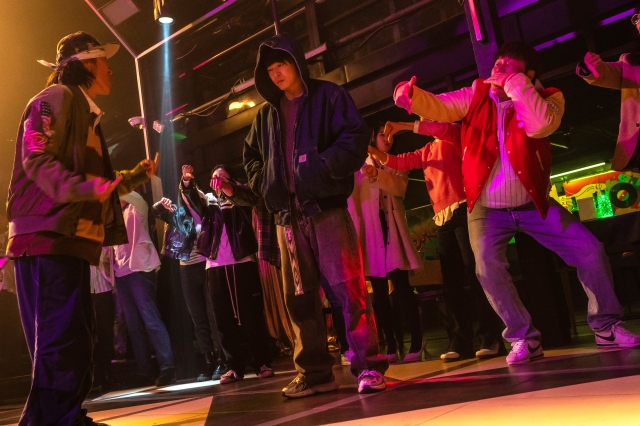
The release of My Daughter is a Zombie represents a broader trend in South Korean cinema—the move toward "prestige genre" films. No longer content to simply replicate the successes of the past, creators are using genre frameworks to explore complex philosophical and psychological themes.
The Shift in Global Perspective
For international audiences, the film serves as a reminder of the maturity of the Korean film industry. While international markets often see Korean horror as synonymous with extreme violence or high-concept thrills, My Daughter is a Zombie pushes the envelope in the other direction. It is a slow-burn narrative that demands patience from the viewer, rewarding them with an emotional payoff that is as devastating as it is beautiful.
Economic and Cultural Impact
The cross-border collaboration between South Korean studios and Japanese distributors highlights the growing interconnectedness of the Asian entertainment market. With films like this, the cultural exchange is no longer just about pop-music or idol culture; it is about shared storytelling.
If the film performs as well as expected in the Japanese market, it is highly likely that we will see an increase in similar "humanist genre" projects being greenlit for international distribution. The ability to translate the emotional nuance of a father’s love across language barriers is the ultimate test of a film’s quality, and early signs suggest this movie will pass that test with flying colors.
The "BoA" Connection and Musical Themes
Interestingly, the film has also garnered attention for its unique sound design and promotional ties. The influence of classic emotional ballads, often associated with artists like BoA, has been cited by the production team as an inspiration for the film’s tone.
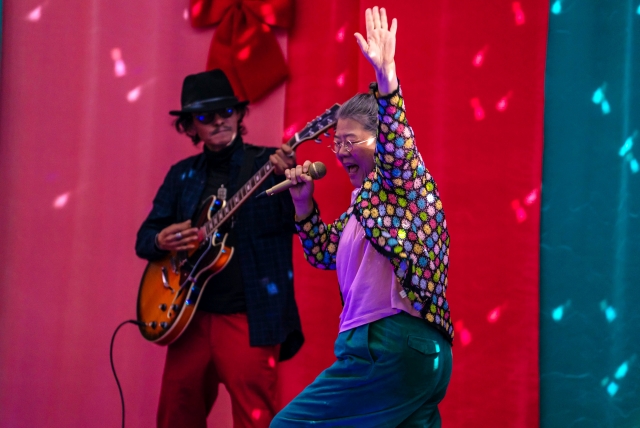
Just as a ballad relies on a slow build-up to an emotional crescendo, the film’s pacing is designed to mirror the ebb and flow of grief. The promotional materials have utilized music that echoes the themes of "you are still my No. 1," a nod to the enduring, unwavering nature of the father’s love, even when the object of that love has been fundamentally altered. This thematic layering has helped the film build a unique identity, separating it from the "disposable" nature of typical horror releases.
Conclusion: A Must-Watch for the Discerning Viewer
As November 13 approaches, the anticipation for My Daughter is a Zombie continues to build. Whether you are a fan of the zombie genre, a devotee of international cinema, or simply someone looking for a story that explores the deepest reaches of human devotion, this film promises to be a standout cinematic event.
It is rare that a film manages to be both a genre piece and a profound character study, but early evidence suggests that My Daughter is a Zombie achieves this balance with grace. By focusing on the quiet, often ignored corners of a world gone mad, the film manages to find a sliver of humanity in the darkness.
For those planning to attend the premiere or subsequent screenings, be prepared for an experience that will stay with you long after the credits roll. This is not just a film about the end of the world; it is a film about the beginning of a father’s final, most important duty.
Quick Facts: The Production
- Distributor: Klockworx
- Production: Next Entertainment World & Studio N
- Release Date: November 13, 2025
- Sound: 5.1ch Surround Sound
- Key Themes: Paternal love, grief, societal collapse, resilience.
For more information on theater locations and ticket availability, please visit the official website at https://klockworx.com/movies/sekamusu/.
 Siti Muinah
  Neng Nana
