
 By Reynand Wu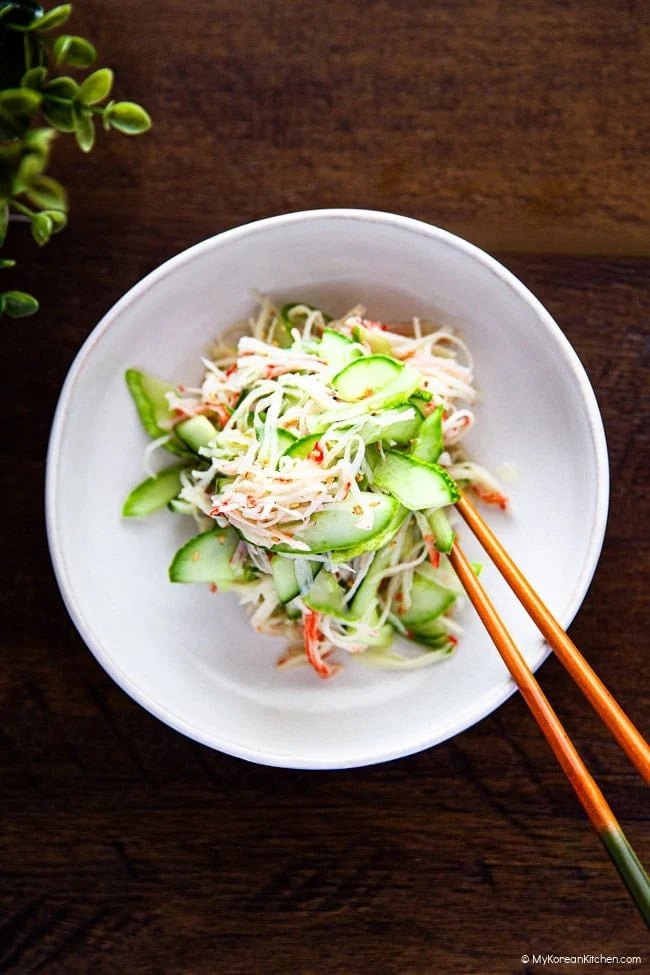
In the pantheon of Korean cuisine, while the fermented depths of kimchi and the savory heat of gochujang-based stews often command the global spotlight, there exists a quieter, more understated category of dishes that form the backbone of the daily meal: banchan. Among these essential side dishes, the Korean Cucumber Crab Salad stands out as a masterclass in texture, simplicity, and efficiency. It is a dish that requires no cooking, relies on the alchemy of fresh ingredients, and perfectly encapsulates the Korean culinary philosophy of balancing crunch, sweetness, and acidity.
The Culinary Anatomy of a Classic
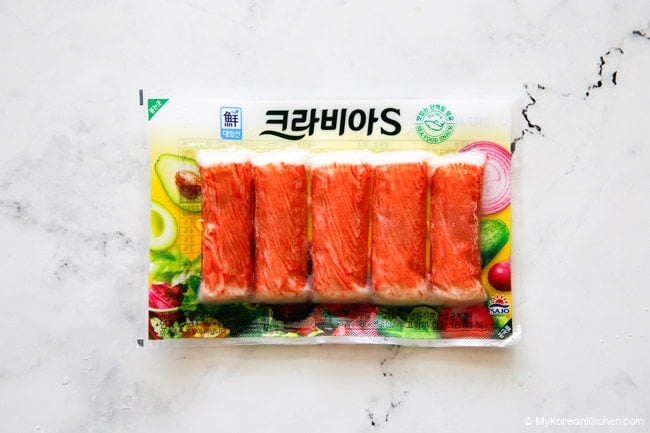
At its core, this salad is a minimalist’s dream. It pairs the crisp, hydrating snap of fresh cucumbers with the delicate, fibrous sweetness of premium imitation crab meat, known in Korea as Kraemi. While standard imitation crab has long been a staple in Korean households, the shift toward higher-quality, surimi-based products has elevated this humble side dish from a school cafeteria afterthought to a sophisticated, palate-cleansing accompaniment.
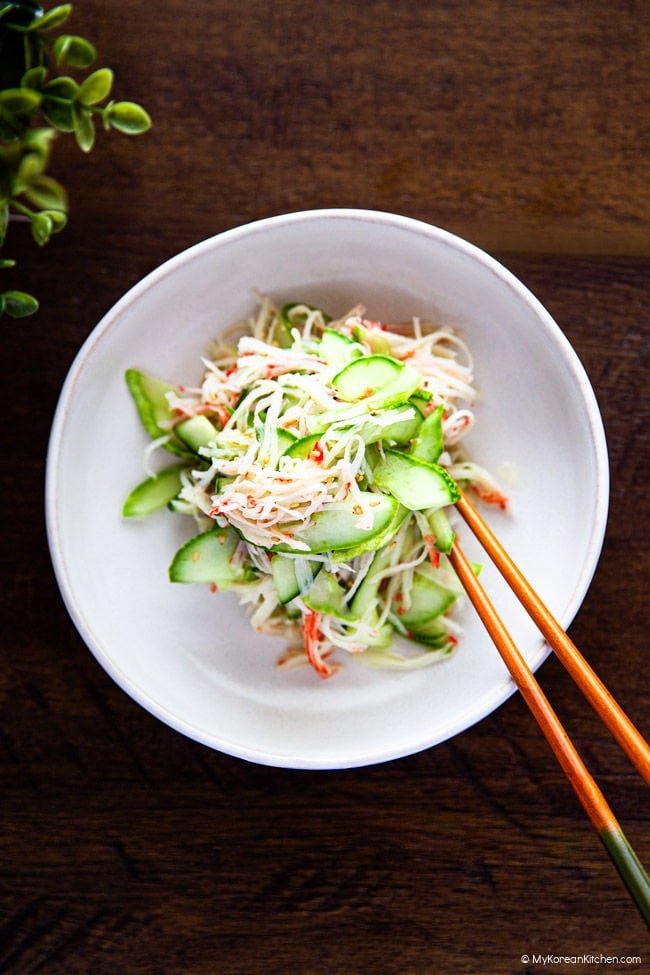
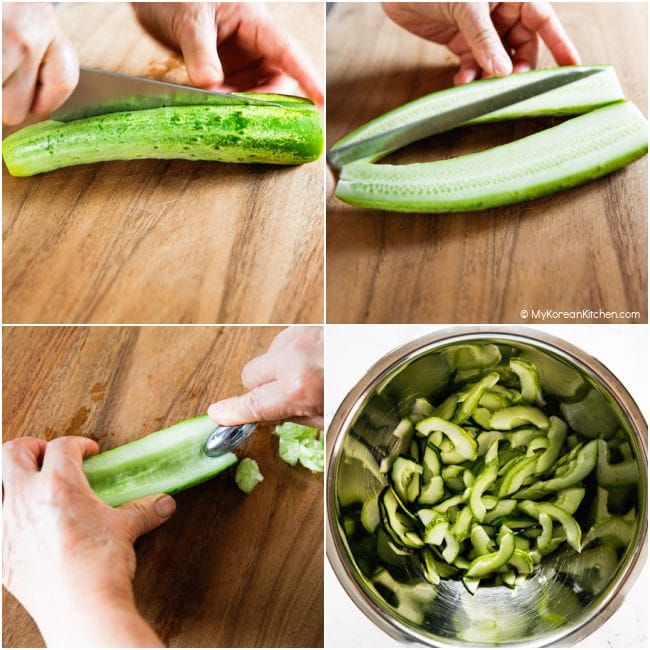
The brilliance of the dish lies not in complex techniques, but in the precision of the preparation. By removing the seed-heavy, moisture-rich core of the cucumber, the chef ensures that the structural integrity of the vegetable remains firm, allowing the dressing to adhere rather than pool at the bottom of the bowl.
Chronology: From School Lunch to Gourmet Side
The history of this salad is deeply rooted in the mid-20th-century evolution of the Korean domestic kitchen.
- The Formative Years (1970s–1990s): During the era of rapid industrialization in South Korea, school cafeterias and home kitchens sought efficient ways to provide nutrient-dense, affordable meals. The introduction of mass-produced imitation crab made this salad an instant hit. It was economical, required minimal prep time, and provided a bright, cooling contrast to the heavy, spicy nature of traditional stews.
- The Refinement Era (2000s–2015): As the Korean middle class grew, so did the demand for higher-quality ingredients. The introduction of Kraemi—a more premium imitation crab meat—changed the texture profile of the dish. Unlike the rubbery, uniform strands of earlier versions, Kraemi offered a flaky, tender mouthfeel that mimicked real crab meat.
- The Modern Resurgence (2020–Present): Today, the dish has seen a resurgence in popularity due to the "clean eating" movement. It is currently hailed as a low-calorie, high-protein side dish that fits perfectly into the contemporary health-conscious diet, earning its place on the tables of modern urbanites and traditional families alike.
Supporting Data: Nutrition and Composition
While the salad is celebrated for its flavor, the nutritional profile is equally compelling. Based on standard preparation methods, a single serving (roughly 1/6th of a standard recipe) contains approximately 78 calories.
Nutritional Breakdown per Serving:
- Total Carbohydrates: 15g
- Protein: 3g
- Total Fat: 1g (primarily from the trace amounts in the dressing)
- Fiber: 2g
- Sodium: 384mg (largely derived from the seasoning and the cured nature of the crab meat)
The low fat content, combined with the high water content of the cucumber, makes this an ideal "hydrating" side dish, particularly during the humid Korean summers. The inclusion of garlic and vinegar provides not just flavor, but a traditional nod to the digestive benefits favored in East Asian nutrition.
Expert Perspectives and Professional Techniques
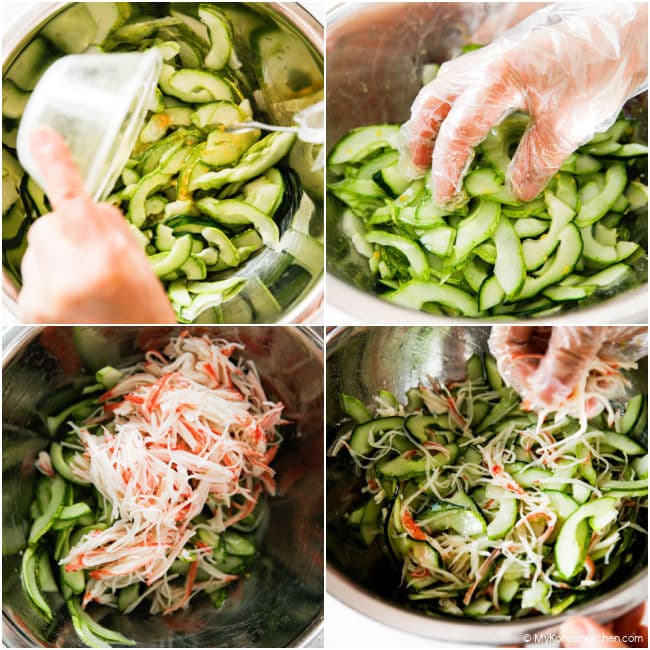
Culinary experts emphasize that the success of this dish is entirely dependent on the "toss" and the "cut."
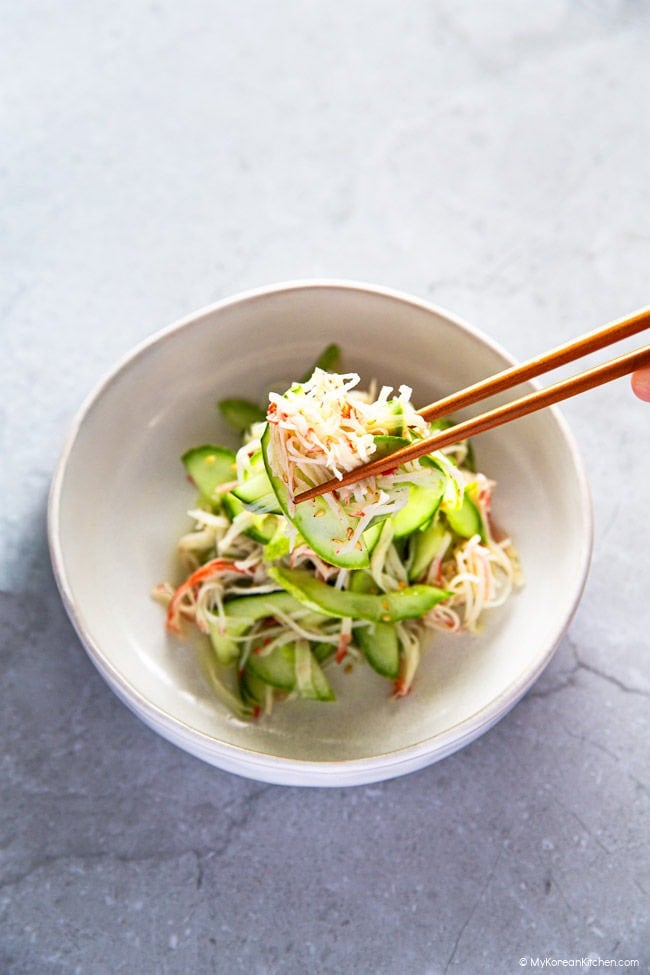
"When you cut the cucumber diagonally, you aren’t just doing it for aesthetics," says one local chef. "You are increasing the surface area. A flat, circular slice allows the dressing to slide off. A diagonal slice creates a textured surface that catches the garlic, mustard, and sugar, ensuring every bite is uniformly seasoned."
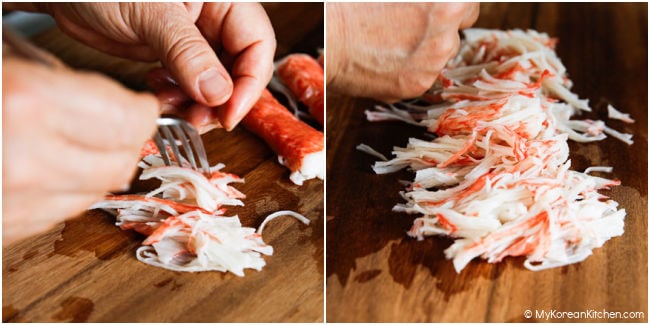
Furthermore, the technique of using a fork to shred the Kraemi is critical. By pulling the crab meat along its natural grain, the cook creates thin, delicate strands that mimic the texture of the cucumber slices. If the crab is chopped with a knife, the salad loses its structural harmony; the shreds are essential for the "mouthfeel" that defines a high-quality iteration of this dish.
The Role of the Dressing: A Delicate Balance
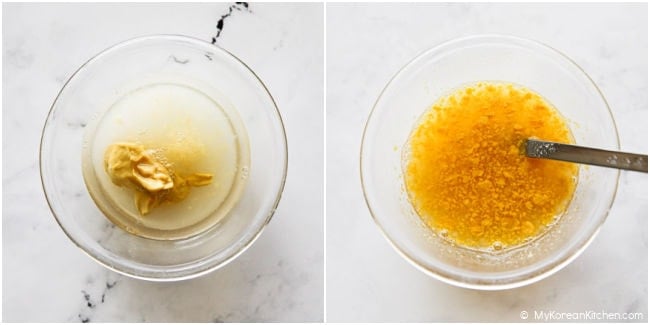
The dressing is the binding agent that elevates the salad from a pile of ingredients to a cohesive dish. It is a classic emulsion of:
- Granulated Sugar: Provides the base sweetness that cuts through the acidity.
- Rice Vinegar: Adds the bright, sharp tang necessary to wake up the palate.
- Dijon Mustard: A modern, slightly bold addition that adds depth and a subtle spicy undertone.
- Minced Garlic: The essential aromatics that provide the signature "Korean" depth.
- Salt: The bridge that balances the sugar and the acidity.
Professional chefs often advise allowing the sugar to dissolve completely into the vinegar before adding the cucumbers. This ensures that no grit remains and the flavor is distributed evenly throughout the liquid.
Implications for Modern Home Cooking
The implications of the Korean Cucumber Crab Salad for the modern home cook are profound. It represents a move away from the "all-day cook" mentality of traditional Korean cuisine toward "quick-prep, fresh-ingredient" cooking.
Why It Remains a Staple:
- Minimal Waste: Because the dish is best served immediately, it encourages the consumption of fresh produce rather than relying on pantry staples that may sit for weeks.
- Versatility: While it is a banchan (side dish) by definition, its flavor profile makes it an excellent addition to poke bowls, as a topping for cold noodles, or even as a light lunch salad served over a bed of mixed greens.
- Accessibility: The ingredients are available in almost any international grocery store, making it a perfect entry point for those looking to explore Korean flavors without the need for specialized equipment or fermented ingredients that require long lead times.
Storage and Sustainability
Despite the encouragement to eat the dish fresh, many busy households utilize the "component prep" method. By slicing the cucumbers and shredding the crab separately—and keeping the dressing in a sealed container—the salad can be assembled in seconds.
However, one must be wary of the "osmotic effect." Cucumbers are largely water; when salt and sugar are applied, they draw moisture out. If the salad is stored for longer than a few hours, the cucumbers will soften and the dish will become watery. Consequently, the professional recommendation is to store the components separately and combine them only at the moment of serving.
Conclusion: A Timeless Classic
The Korean Cucumber Crab Salad is more than just a recipe; it is a reflection of a culture that values the seasons and the integrity of raw ingredients. By balancing the crunch of the earth with the delicate sweetness of the sea, this dish remains a vital part of the Korean culinary identity. Whether it is served at a school lunch, a family dinner, or a high-end restaurant, its ability to provide a clean, satisfying, and refreshing bite is unmatched.
As we continue to see a global interest in Korean cuisine, dishes like this serve as a reminder that the most memorable meals are often those that require the least effort, relying instead on the harmony of simple, high-quality ingredients. To make this dish at home is to participate in a long-standing tradition of efficiency and flavor, proving once and for all that simplicity is, indeed, the ultimate sophistication.

 Layla Zulfa
  Asro
Asro  Laily UPN
