
 By Neng Nana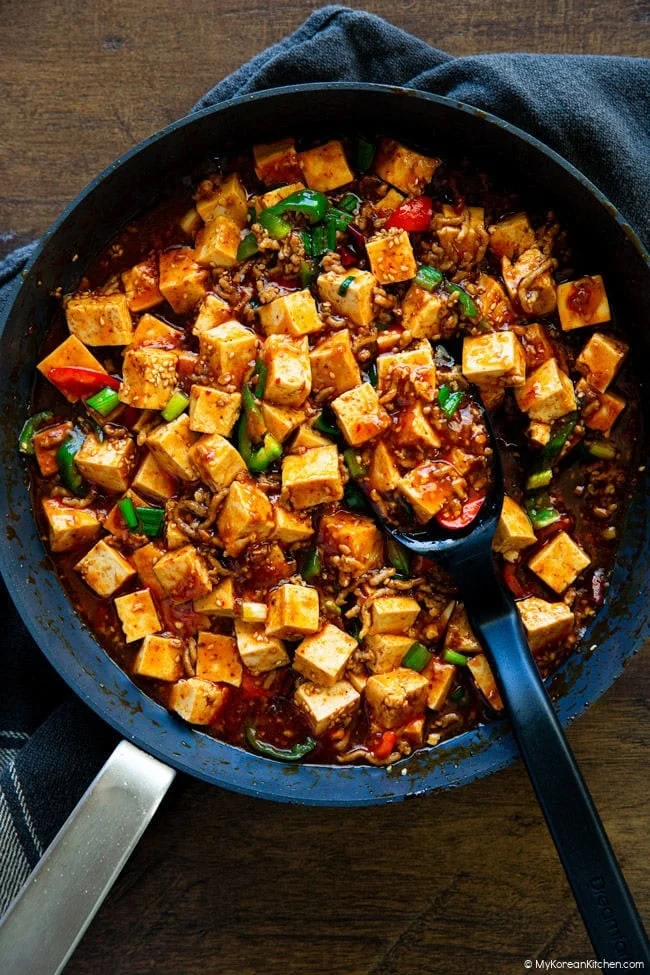
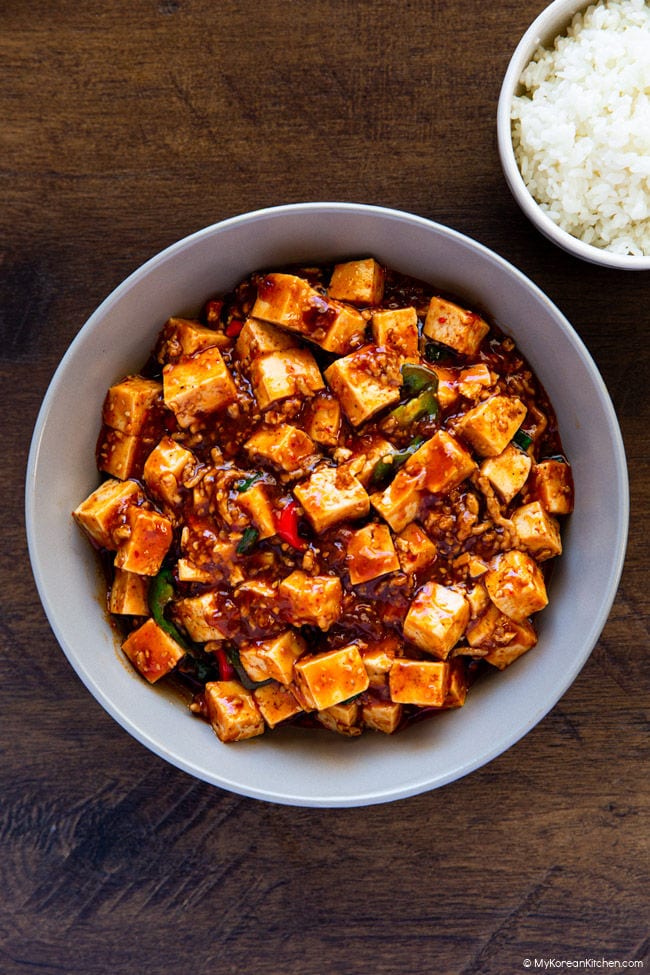
In the vast landscape of East Asian culinary traditions, few dishes possess the iconic status and sensory impact of Mapo Tofu. Originating from the Sichuan province of China, the dish—traditionally defined by its silky tofu, numbing "mala" spice, and fermented broad bean paste—has long been a benchmark for comfort food. However, in modern global kitchens, chefs and home cooks alike are beginning to reinterpret this classic through the lens of other regional flavor profiles. One of the most compelling of these evolutions is the Korean-style Mapo Tofu, a dish that trades the aggressive numbing sensation of Sichuan peppercorns for a deeply layered, umami-rich experience driven by the fundamental pillars of Korean pantry staples: ssamjang, anchovy stock, and gochugaru.
The Evolution of a Classic: Defining the Korean Twist
At its core, the appeal of Mapo Tofu remains universal: it is a dish of contrast. The delicate, velvet texture of the tofu provides a neutral canvas for a bold, savory, and spicy sauce. When transitioning this to a Korean-inspired iteration, the goal is not to replicate the Chinese original, but to pay homage to its spirit while utilizing the distinct fermented depth of Korean cuisine.
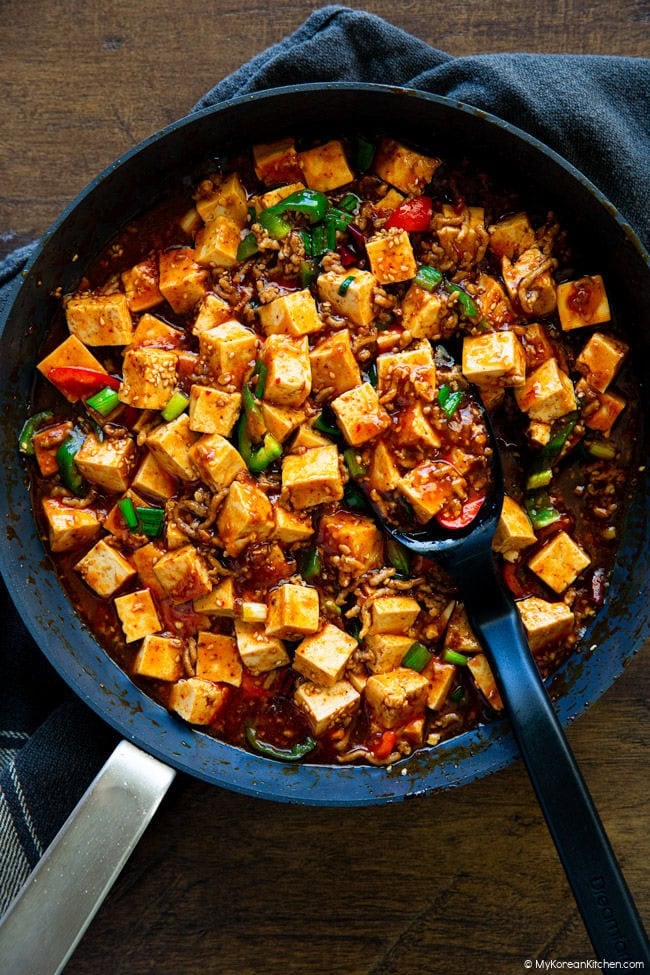
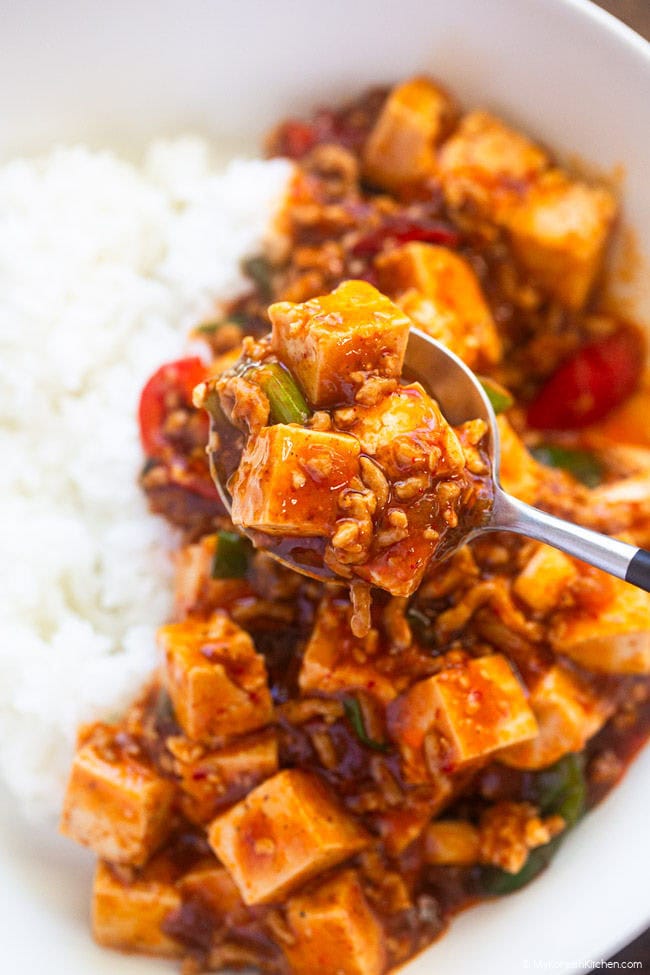
The "Korean twist" relies heavily on the integration of ssamjang—a thick, spicy, and nutty paste composed of doenjang (fermented soybean paste) and gochujang (fermented chili paste). Unlike the Chinese doubanjiang, which brings a sharp, salty fermentation, ssamjang introduces a subtle sweetness and a robust, earthy complexity that rounds out the dish. When combined with anchovy-based stocks, the result is a sauce that feels inherently "homestyle"—approachable, deeply comforting, and exceptionally satisfying when paired with a steaming bowl of short-grain white rice.
Chronology: A Step-by-Step Culinary Blueprint
Creating this dish requires precision, particularly when layering the flavors of the sauce. The following process ensures that every component—from the chili oil to the starch-thickened finish—retains its integrity.
1. The Foundation: Artisanal Chili Oil
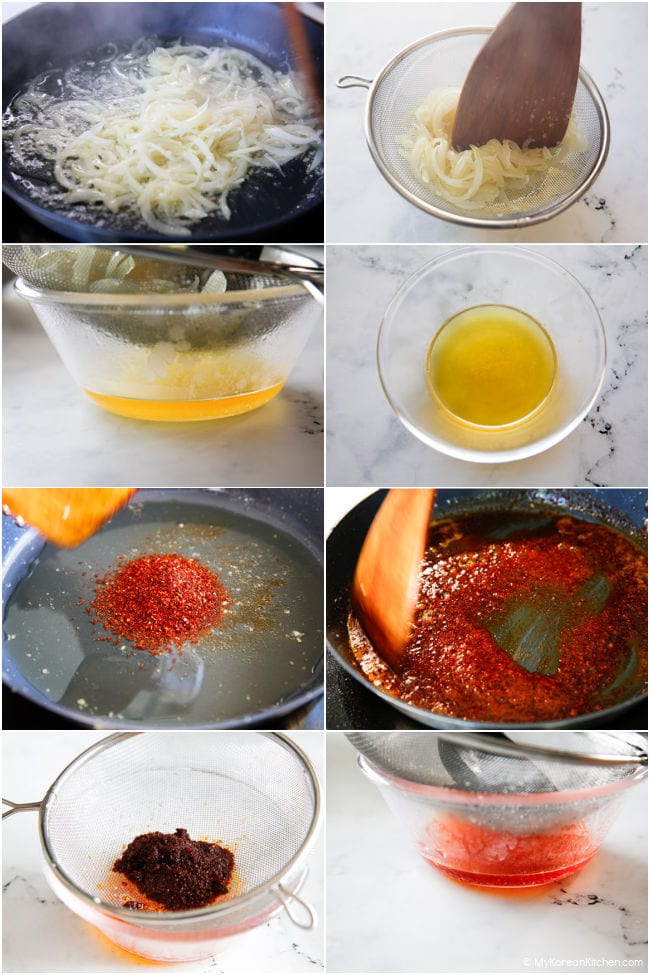
The process begins with the production of a bespoke Korean chili oil. Unlike mass-produced alternatives, the home-style method involves infusing high-quality cooking oil with aromatics like onion and minced garlic. By frying these until golden and then straining, the cook captures the essence of the aromatics without the texture. This infused oil is then used to bloom gochugaru (Korean red chili flakes), creating a vibrant, fragrant base that serves as the backbone of the dish.
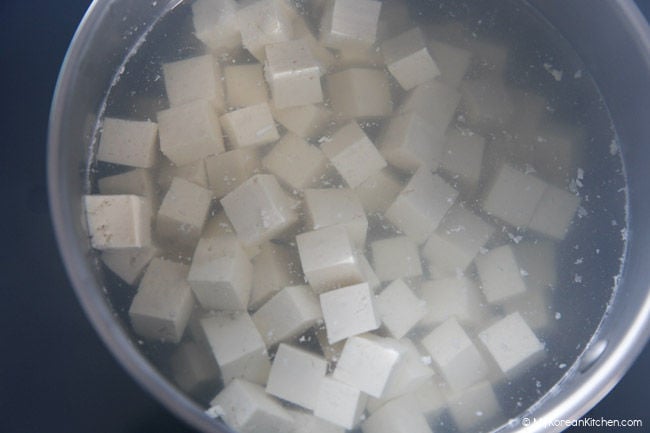
2. The Tofu Blanch
One of the most common mistakes in tofu cookery is neglecting the preparation of the protein itself. By blanching firm tofu in salted boiling water for approximately one minute, the cook achieves two things: the tofu is gently heated through, ensuring it doesn’t cool the sauce later, and the structure is slightly tightened, reducing the risk of the cubes disintegrating during the folding process.
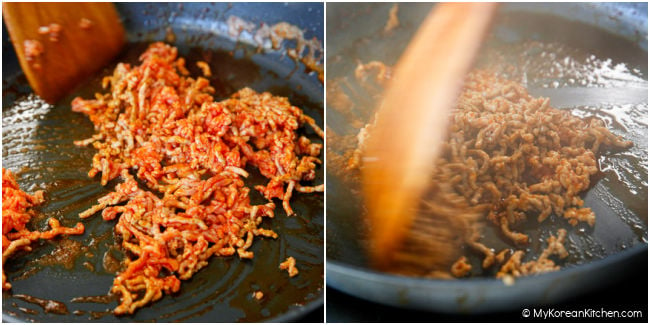
3. The Sauté and Sauce Build
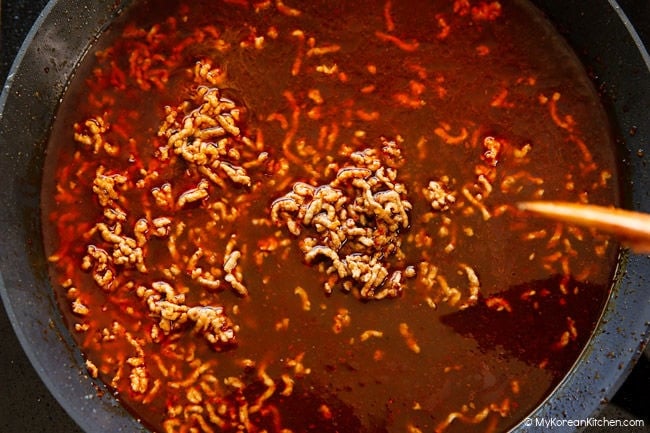
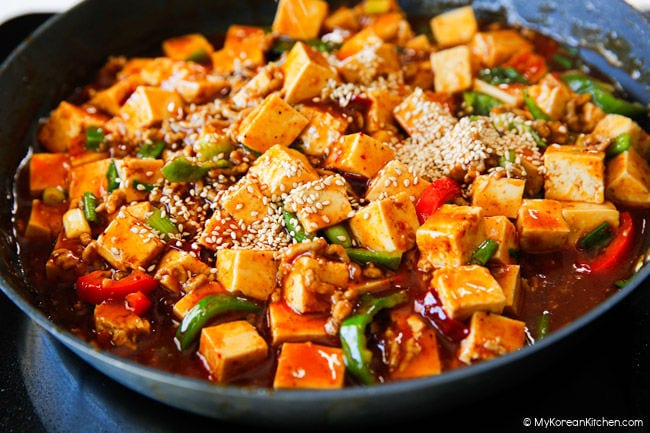
The minced pork is browned in the previously prepared chili oil, allowing the fat to render and crisp. Once the pork achieves a light golden hue, the sauce mixture—comprised of anchovy stock, anchovy fish sauce, soy sauce, and ssamjang—is introduced. The anchovy stock serves as a critical bridge, providing a foundational umami that elevates the sauce from a simple chili-based liquid to a complex, restaurant-quality gravy.
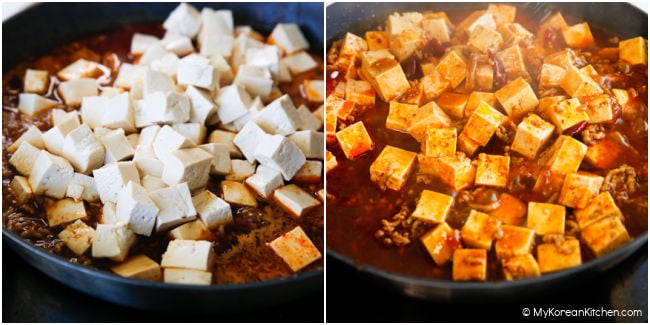
4. The Integration and Thickening
The blanched tofu is folded into the simmering sauce with the utmost care. The final step involves the addition of a starch slurry, a technical maneuver that transforms the liquid into a glossy, clingy sauce that coats each piece of tofu. The dish is finished with a drizzle of sesame oil and a sprinkle of toasted sesame seeds, adding a final note of nuttiness to balance the spice.
Supporting Data: Understanding the Umami Profile
To understand why this recipe resonates with home cooks, one must examine the nutritional and chemical composition of the ingredients. The inclusion of ssamjang is not merely for flavor; it contributes significant glutamates, which are responsible for the "umami" sensation.
Nutritional Snapshot
While the dish is undeniably rich, it offers a balanced profile of protein and fiber. A standard serving contains approximately 394 calories, with 9 grams of protein and 4 grams of dietary fiber. The sodium content is elevated—a common trait in dishes relying on fermented pastes—which underscores the importance of serving this dish with plain, steamed rice to provide a neutral balance.
| Component | Metric |
|---|---|
| Calories | 394 kcal |
| Protein | 9 g |
| Fat | 29 g |
| Carbohydrates | 26 g |
| Sodium | 1,761 mg |
The high fat content is primarily derived from the chili oil and the pork, which are essential for carrying the fat-soluble flavor compounds of the chili flakes and the aromatics.
Expert Perspectives: Why This Recipe Works
Culinary experts often point to the "comfort factor" as the primary driver behind the success of this Korean adaptation. In traditional Sichuan Mapo Tofu, the mala (numbing) sensation can be polarizing. By shifting the profile toward the sweet-savory balance of Korean cuisine, the dish becomes more accessible to a wider palate.
"The key is the anchovy stock," notes one culinary analyst. "In Korean cooking, myeolchi-yuksu (anchovy broth) is the secret weapon that makes everything taste like it has been simmering for hours. When you add that to the tofu, you are creating a shortcut to deep, developed flavor that usually takes much longer to achieve."
Furthermore, the choice of tofu is a critical decision. While firm tofu is recommended for structural integrity, many home cooks have begun experimenting with silken tofu. The expert consensus suggests that if you are looking for the "melt-in-your-mouth" experience often found in high-end establishments, silken tofu is the superior choice, provided the cook exercises extreme caution during the folding process.
Implications for the Modern Home Kitchen
The rise of recipes like this Korean-style Mapo Tofu reflects a broader trend in home cooking: the hybridization of traditional dishes to suit local pantry availability and taste preferences. This is not "fusion" in the sense of forced experimentation, but rather an organic evolution of cuisine.
The Accessibility Factor
By utilizing ingredients like ssamjang and gochugaru, which are now staples in most well-stocked international aisles, the recipe removes the barrier to entry for home cooks. It encourages the use of pantry staples to create something that feels special and intentional.
Storage and Development
A unique implication of this recipe is its longevity. Unlike many stir-fry dishes that must be consumed immediately to maintain texture, the sauce in this Mapo Tofu actually improves with time. Because the tofu is simmered in a fermented sauce, the flavors continue to permeate the protein as it sits in the refrigerator. The developer notes that the dish is often even better the next day, making it an ideal candidate for meal prep.
A Community Connection
The engagement surrounding this recipe—demonstrated by the active community of home cooks sharing their results on platforms like Instagram—highlights the social aspect of cooking. The call to action for users to tag the creator (@MyKoreanKitchen) fosters a sense of shared learning. It transforms the act of cooking from a solitary chore into a collaborative experience where tips, such as substituting water for anchovy stock or adjusting the chili level, are openly exchanged.
Conclusion: A New Standard for Weeknight Comfort
Korean-style Mapo Tofu serves as a prime example of how traditional boundaries can be fluid. By respecting the integrity of the tofu while daring to inject the soul of the Korean pantry, this dish achieves a rare harmony. It is warm, comforting, and deeply satisfying—a testament to the idea that the best recipes are those that can adapt to the cook while maintaining the heart of the original inspiration. Whether you are a fan of traditional Sichuan spice or a newcomer to the world of fermented bean pastes, this dish offers a profound, umami-forward experience that is well worth the time in the kitchen.
As we look toward the future of home cooking, the success of such recipes suggests that our kitchens will continue to become more interconnected, borrowing the best techniques from across the globe to create meals that are not only delicious but deeply, authentically personal.
 Raul Delapena Setiawan
  Asep Darmawan
  Nana Wu
