
 By Evan Lee Salim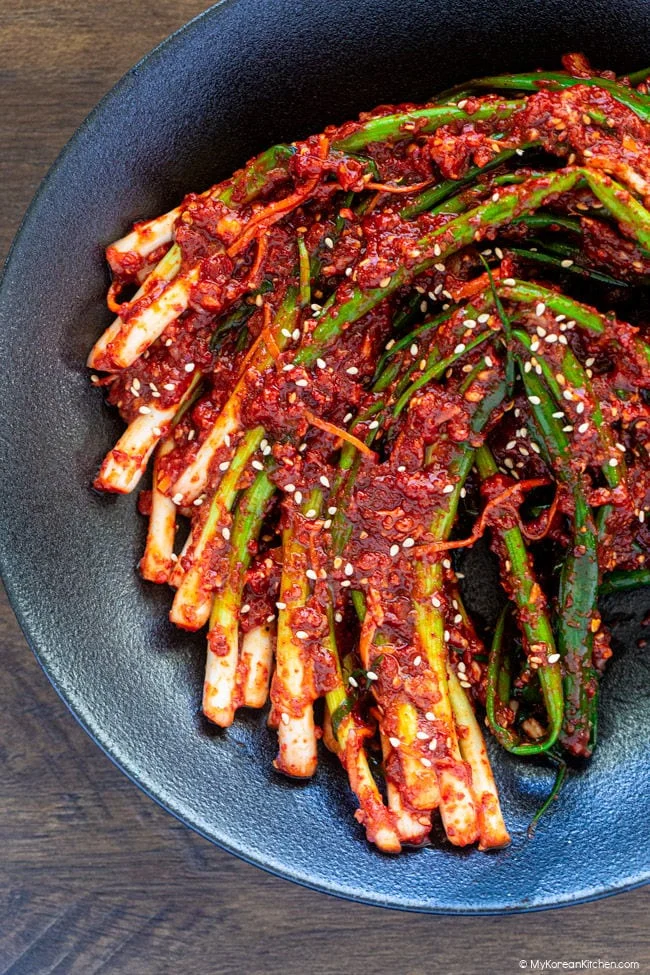
In the vast, vibrant landscape of Korean cuisine, kimchi is not merely a side dish; it is a cultural cornerstone. While the globally recognized napa cabbage variety—baechu-kimchi—often takes center stage, there exists a more aggressive, aromatic, and deeply satisfying counterpart that has captured the palates of aficionados: Pa Kimchi. Composed of tender green onions coated in a robust, umami-laden red seasoning, this variety offers a flavor profile that is simultaneously spicy, savory, slightly sweet, and profoundly complex.
For those who have yet to experience the sharp, pungent, and intoxicating bite of fermented scallions, understanding the craft behind this dish is the first step toward culinary appreciation.
Main Facts: The Essence of Pa Kimchi
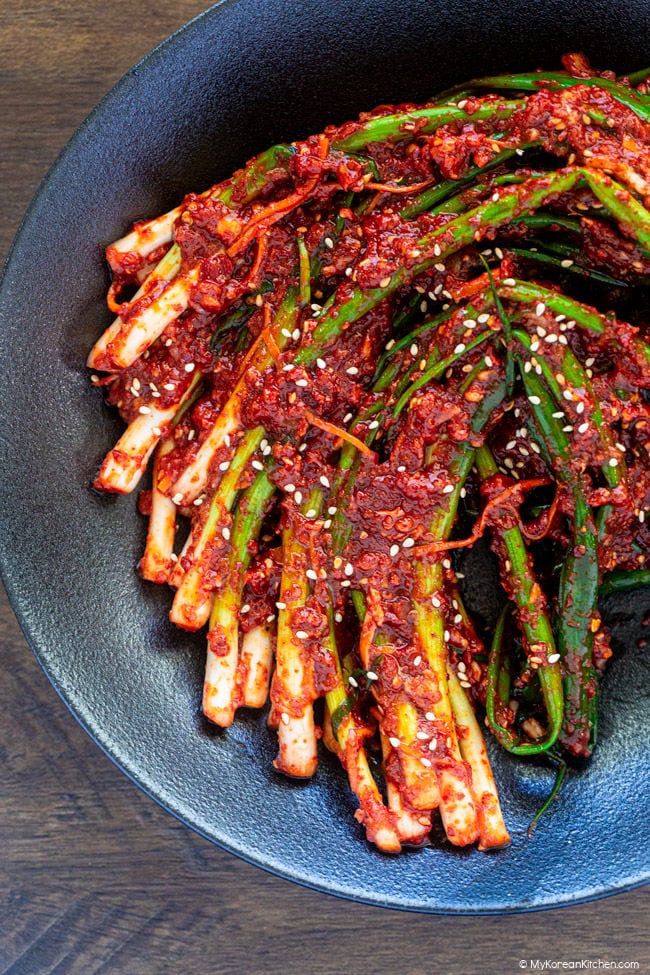
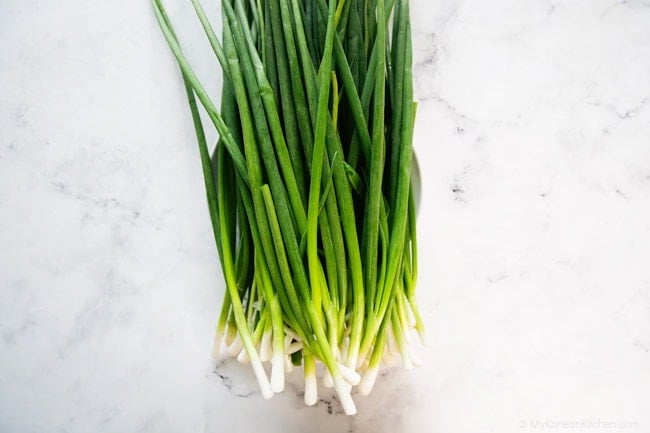
At its core, Pa Kimchi is a study in texture and intensity. Unlike the leafy structure of cabbage, green onions provide a structural snap that persists even through the fermentation process. The dish relies on a base of jjokpa (chives or young green onions) or silpa (thin scallions).
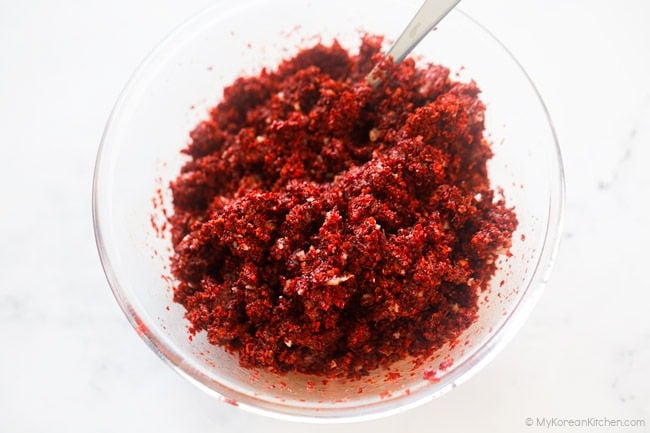
The seasoning is the true protagonist of this dish. It is a thick, viscous paste built from a foundation of anchovy fish sauce, anchovy broth, saeujeot (salted fermented shrimp), and the indispensable gochugaru (Korean red chili flakes). By incorporating fresh fruit—typically apple or pear—and a cooked flour paste, the seasoning achieves a balance that mitigates the inherent heat of the chilies while providing the substrate necessary for healthy lactic acid bacteria to thrive during fermentation.
A Chronological Evolution of the Recipe
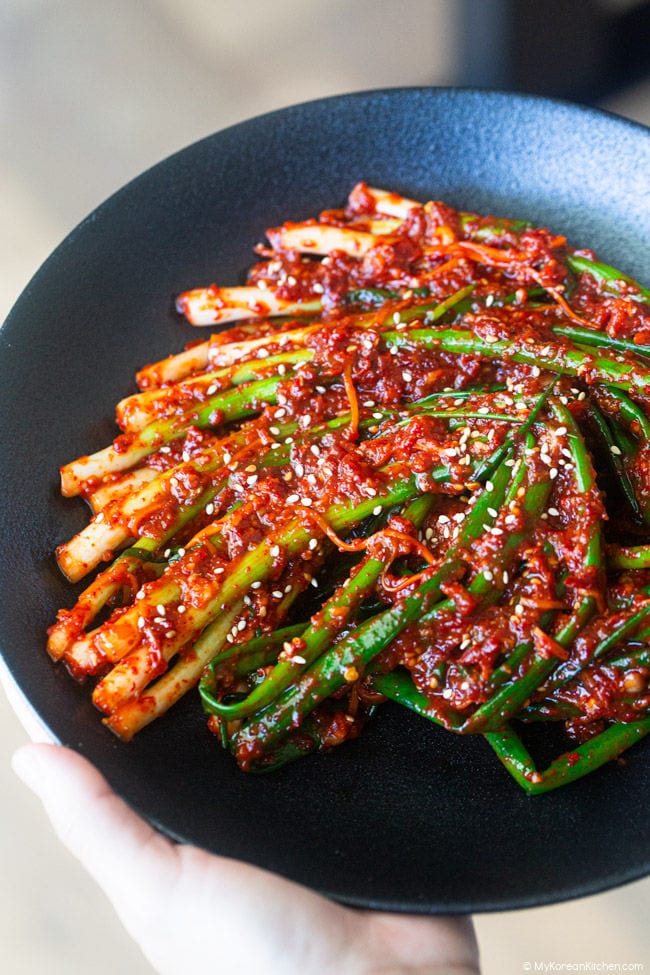
The preparation of Pa Kimchi is a deliberate, step-by-step process that prioritizes flavor absorption. The modern technique favored by culinary experts and home cooks alike can be broken down into five distinct phases:
Phase 1: Pre-Seasoning the Aromatics
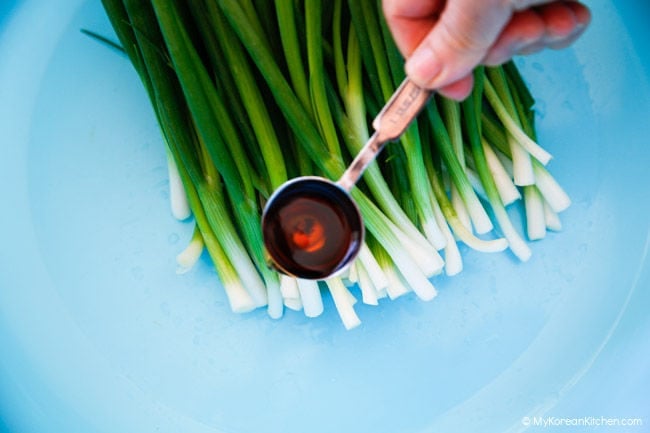
Unlike many vegetable preparations that require a lengthy salting (brining) process, the green onions used in this dish are treated with more care. The white stems, which are naturally more fibrous and pungent, are drizzled with anchovy fish sauce. This brief, targeted marination allows the salt to penetrate the stems, ensuring the base is savory from the start without collapsing the delicate green tops.
Phase 2: The Base Construction
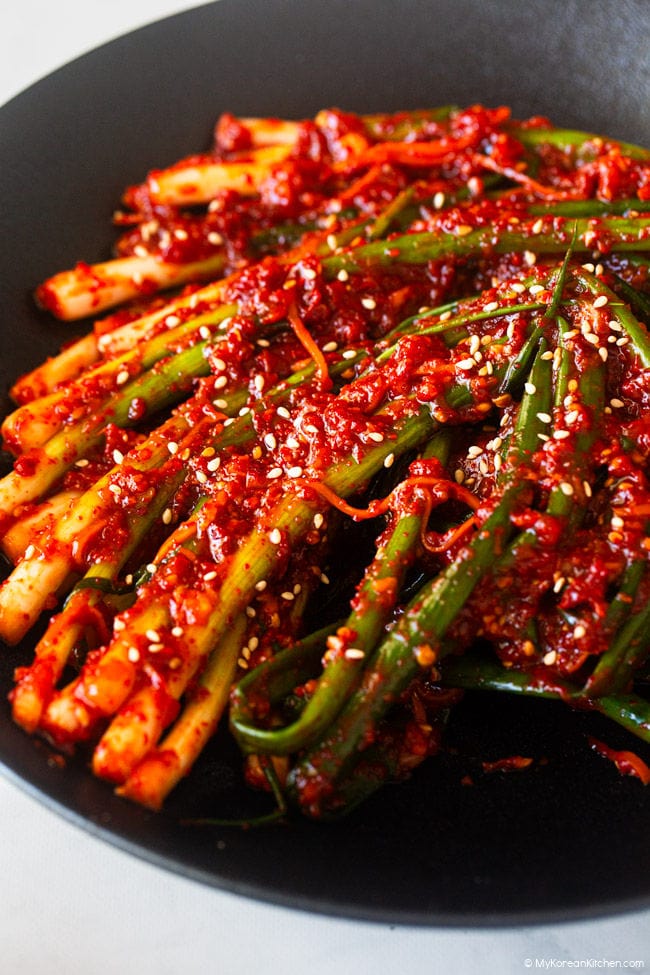
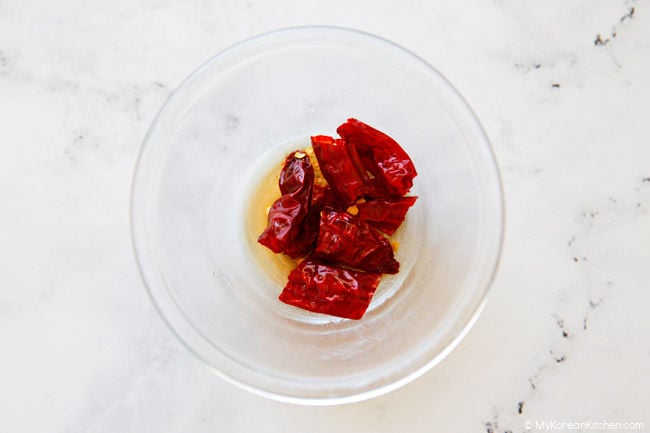
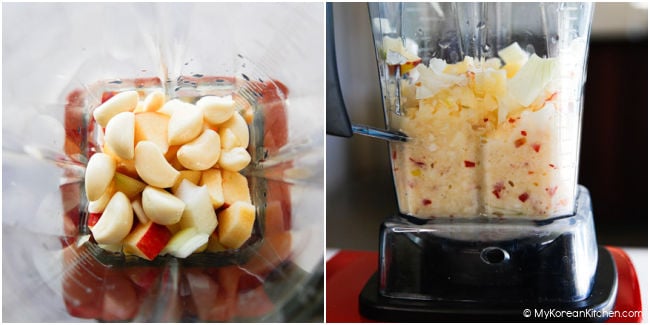
The umami profile is built by blending aromatics—garlic, onion, and fresh apple—with a concentrated anchovy stock. This creates a natural sweetness that balances the salinity of the fish sauce. If dried red chilies are used, they are soaked in the fish sauce at this stage, softening their texture and infusing the liquid with a deep, earthy heat.
Phase 3: The Blooming of the Seasoning
The gochugaru is mixed with the liquid components and a starch-based flour paste. The flour paste is crucial; it acts as a thickening agent, allowing the sauce to cling to the slippery green onions, and provides the sugars necessary for fermentation. Allowing the gochugaru to "bloom" in the liquid for several minutes is a vital, often overlooked step that creates a smoother, more uniform red color and a richer, less raw chili flavor.
Phase 4: Gentle Integration
Once the seasoning paste is prepared, the green onions are added. The cardinal rule here is gentle handling. Rubbing or pressing the scallions would release bitterness and cause them to become mushy. Instead, the onions are folded into the paste, ensuring every crevice of the scallion is coated.
Phase 5: Fermentation and Development
Pa Kimchi is unique in its readiness. While it can be consumed immediately as a fresh "kimchi salad," the real transformation occurs as it sits in an airtight container at room temperature for several hours before moving to the refrigerator. Over the course of a week, the sharp, raw bite of the green onion mellows, and the seasoning deepens into a complex, tangy, and deeply savory experience.
Supporting Data: Why the Ingredients Matter
The success of Pa Kimchi is dictated by the quality and choice of ingredients. Culinary testing and traditional practice highlight several key variables:
- The Choice of Onion: Young, thin-stemmed green onions are superior to mature, thick-stemmed ones. The younger onions have a higher water content and a more delicate cellular structure, allowing them to absorb the seasoning paste fully without becoming woody.
- Plum Extract vs. Corn Syrup: The inclusion of sweeteners is not for dessert-like qualities, but for chemical balance. Korean plum extract (maesil-cheong) is the gold standard, providing a subtle, fruity acidity that aids in the breakdown of the fibrous onion layers. Corn syrup is a functional alternative, favored for its ability to create a glossy, appetizing finish and a more neutral sweetness.
- The Role of Fish Sauce: The anchovy content provides the "umami bomb" that makes Pa Kimchi so addictive. It acts as the primary seasoning, providing the essential salinity that preserves the dish.
Official Perspectives: The Cultural Shift
The evolution of the author’s relationship with Pa Kimchi mirrors a broader cultural trend. Many who grew up in Korea or within Korean-diaspora households often found Pa Kimchi to be an "acquired taste." Compared to the mildness of white cabbage or the crunch of radish, the intensity of green onion could feel overwhelming to a younger palate.
However, as the culinary world has embraced bolder, fermented flavors, Pa Kimchi has seen a resurgence in popularity. The pairing of Pa Kimchi with samgyeopsal (pork belly) is now considered a "gastronomic necessity." The acidity and heat of the kimchi cut through the high fat content of the grilled pork, effectively cleansing the palate between bites. Furthermore, its inclusion in noodle dishes like jajangmyeon provides a necessary sharp counterpoint to the heavy, savory black bean sauce.
Experts note that this specific kimchi is currently a hallmark of "home-style" cooking, often signifying a kitchen that values traditional, potent, and uncompromised flavors.
Implications: The Future of Fermentation
The implications of mastering Pa Kimchi extend beyond a single dish. It represents the importance of "controlled fermentation" in modern home cooking. As more people move away from ultra-processed foods, the reliance on traditional methods—such as using a flour paste to feed fermentation bacteria—is becoming a recognized skill.
Furthermore, the "no-rubbing" technique for green onions serves as a lesson in ingredient management. It teaches the cook to respect the cellular integrity of the vegetables. By minimizing mechanical stress on the scallions, the dish remains visually appealing and texturally sound for weeks, proving that good cooking is often about knowing when not to manipulate the ingredients.
Final Thoughts
If you have hesitated to attempt Pa Kimchi due to its bold reputation, consider this an invitation to reconsider. It is a dish that rewards patience. Whether you enjoy it fresh, with the crisp, peppery bite of the raw onion, or wait for the week-long fermentation to yield a soft, tangy, and deeply umami-rich masterpiece, Pa Kimchi stands as a testament to the sophistication of Korean preserved foods. It is not just a side dish; it is a vital experience for anyone seeking to understand the true potential of the humble green onion.
Nutritional Profile (Estimated)
- Calories: 58 kcal
- Carbohydrates: 11g
- Protein: 2g
- Fat: 2g
- Sodium: 809mg (Note: High sodium content is typical for fermented products)
- Fiber: 4g
Disclaimer: This nutritional information is provided as an estimate based on standard ingredient values and should not replace professional dietary advice.
 Raul Delapena Setiawan
  Asep Darmawan
  Nana Wu
