 By Ammar Sabilarrohman
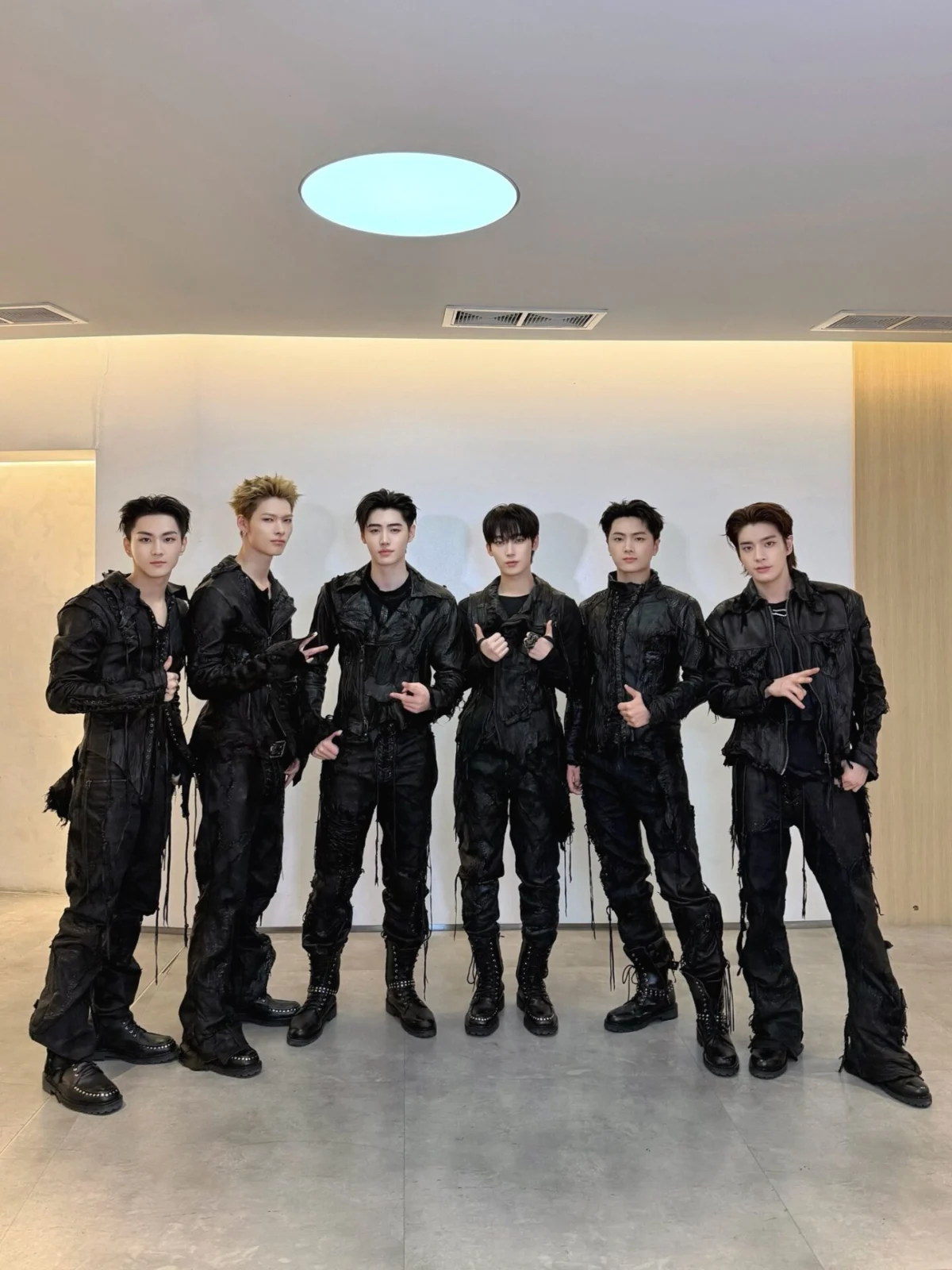
The K-Pop industry finds itself once again grappling with pressing questions surrounding artist safety and fan etiquette following a recent incident involving Sunoo, a member of the popular boy group ENHYPEN. A viral video circulating across social media platforms on November 18, 2026, purportedly captured a fan striking Sunoo’s hand multiple times during a fan event, sparking immediate and intense condemnation from fans globally. This incident, occurring just hours ago according to initial reports, has reignited long-standing debates about the boundaries of fan-artist interactions and the efficacy of security measures implemented by management agencies, particularly BELIFT LAB, a subsidiary of HYBE Corporation.
The Incident: A Breach of Boundaries at a Fan Event
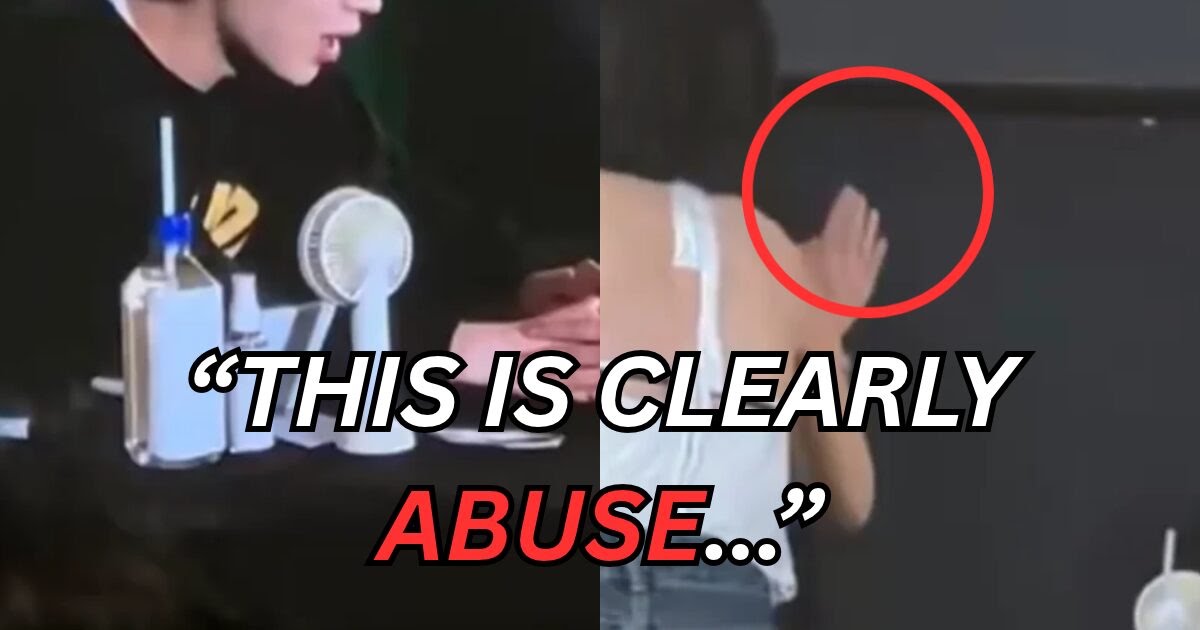
The focal point of the controversy is a video clip, widely shared and analyzed by ENGENEs (ENHYPEN’s official fanbase), depicting Sunoo engaging with an attendee at what appears to be a fan signing or meet-and-greet event. In the footage, the female fan is seen holding Sunoo’s hand as they converse. Alarmingly, throughout their interaction, the fan reportedly made several forceful contact gestures, appearing to hit or slap Sunoo’s palm. Toward the conclusion of the interaction, as the fan prepared to depart, another hitting motion was observed. However, a separate angle of the incident provided a crucial detail: Sunoo, seemingly anticipating the gesture, managed to quickly withdraw his hand, narrowly avoiding the final impact.
The visual evidence of these interactions, particularly the repeated nature of the hitting gesture, has been a significant source of distress for fans. Despite the idol maintaining a professional demeanor and a smile throughout the encounter, many observers noted subtle cues suggesting discomfort or surprise at the fan’s actions. This perceived lack of respect for personal space and the physical nature of the interaction immediately drew criticism, with fans asserting that such behavior crosses a fundamental line from enthusiastic engagement to inappropriate physical contact.
Chronology of Outrage: Social Media Erupts
The timeline of the public reaction unfolded rapidly. The video first surfaced on various social media platforms, including X (formerly Twitter), around two hours prior to the initial reports on November 18, 2026. Within minutes, the clip went viral, shared countless times across fan accounts and K-Pop news aggregators. Hashtags such as #ProtectSunoo and #BELIFTLAB_DO_YOUR_JOB began trending worldwide, indicating the swift and organized nature of the fanbase’s response.
Initial reactions from ENGENEs were characterized by a mixture of shock, anger, and profound concern for Sunoo’s well-being. Many expressed disbelief that such an incident could occur under the watchful eyes of event staff and security personnel. Screenshots and slowed-down versions of the video were widely circulated as fans meticulously analyzed the interaction, solidifying their conviction that the fan’s actions were unacceptable and potentially harmful. The collective sentiment quickly coalesced into a demand for accountability, both from the individual involved and from BELIFT LAB for its perceived failure to adequately safeguard its artist.
Fan Demands and Criticisms: A Call for Accountability
The outrage articulated by ENGENEs extended beyond mere condemnation of the fan’s behavior. A significant portion of the criticism was directed squarely at BELIFT LAB and its parent company, HYBE Corporation, for what fans perceived as insufficient security protocols. Numerous posts highlighted the perceived laxity in managing fan interactions, questioning why staff did not intervene immediately upon witnessing the inappropriate contact.

Fans vehemently argued that idol-fan events, while designed to foster connection, must adhere to strict boundaries to ensure the safety and comfort of the artists. They emphasized that idols are not "friends" with fans and should not be subjected to overly familiar or physical interactions that might cause distress. Specific demands from the fanbase included:
- Banning the offending fan: A widespread call for the individual responsible to be permanently banned from all future ENHYPEN and HYBE-related events.
- Increased security measures: Urgent requests for BELIFT LAB to review and significantly enhance security training for event staff, including clear protocols for identifying and intervening in inappropriate fan behavior.
- Public statement and apology: A demand for a formal statement from BELIFT LAB acknowledging the incident, apologizing for the lapse in security, and outlining concrete steps to prevent recurrence.
- Protection of artist’s personal space: Reiteration of the importance of respecting idols’ personal boundaries and ensuring a safe environment for all interactions.
The emotional intensity of these calls reflected a broader frustration within K-Pop fandoms, who have long advocated for better protection for their idols against various forms of harassment, ranging from online abuse to physical intrusions.
The Broader Context: K-Pop Fan Events and Inherent Risks
Fan events, such as fan signings and fan meetings, are integral to the K-Pop industry model. They provide a unique opportunity for idols to connect directly with their fanbase, fostering loyalty and strengthening the parasocial relationships that are crucial for an idol group’s success. These events typically involve idols sitting at tables, interacting with fans one-on-one, signing albums, and often engaging in brief conversations or playful exchanges. However, this close proximity also presents inherent risks, making stringent security and clear guidelines paramount.
Over the years, the K-Pop industry has witnessed numerous incidents highlighting the delicate balance between fan engagement and artist protection. These have ranged from fans attempting to give inappropriate gifts, making overly personal comments, or, as in Sunoo’s case, engaging in unwanted physical contact. Agencies are tasked with creating a controlled environment, but the sheer volume of attendees and the often-frenzied atmosphere can make comprehensive oversight challenging. The incident with Sunoo underscores the constant tension between allowing genuine fan interaction and safeguarding artists from potential harm or discomfort.
Agency Responsibility and Past Precedents: A Pattern of Concern
BELIFT LAB, as part of the HYBE Corporation ecosystem, operates within an industry that is acutely aware of the challenges posed by extreme fan behavior, often referred to as "sasaeng" activities. Sasaengs are obsessive fans who engage in stalking or other invasive behaviors, often crossing legal and ethical lines. While the fan in the Sunoo incident may not fit the extreme definition of a sasaeng, their actions contribute to a larger narrative of boundary infringement that agencies are expected to combat.
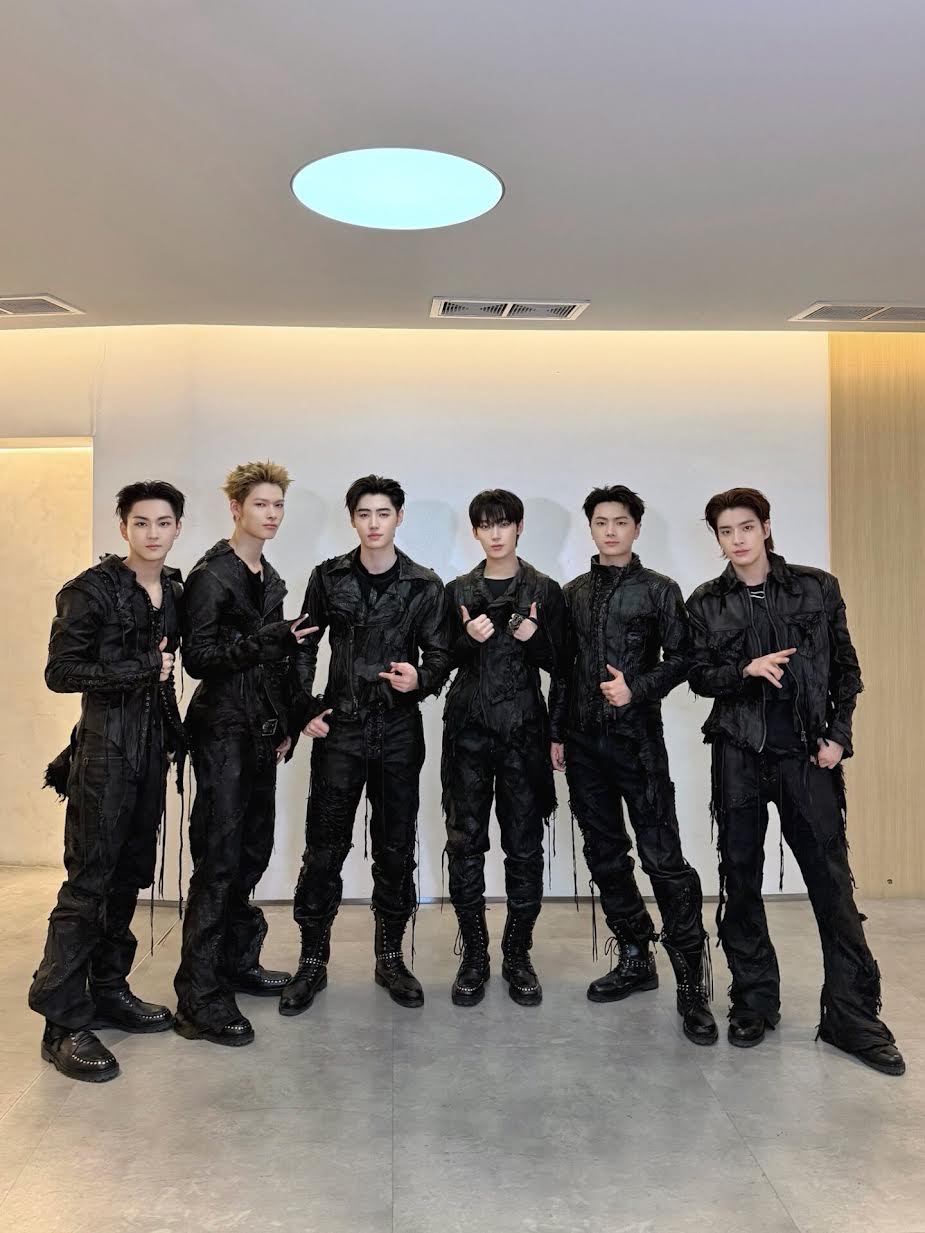
The Sunoo incident is not an isolated event for HYBE-affiliated groups. The original report itself alluded to another recent concern: Jay, another member of ENHYPEN, had reportedly been targeted by a stalker. This revelation, mentioned alongside the Sunoo incident, paints a troubling picture of consistent security challenges faced by the group. Stalking, a severe form of harassment, poses a significant threat to an artist’s personal safety and mental well-being, often requiring legal intervention and heightened security measures. The juxtaposition of these two incidents—a public physical interaction and a private stalking case—underscores the multifaceted nature of threats K-Pop idols face, from overzealous fans at public events to dangerous individuals in their private lives.
This pattern raises serious questions about the effectiveness of current security protocols across HYBE labels. Fans argue that while companies often issue warnings against inappropriate behavior, the enforcement of these rules and the swift protection of artists in real-time events often fall short. The perception that idols are left to navigate uncomfortable situations alone, or that security is reactive rather than proactive, fuels fan discontent and calls for more robust protective measures.
Implications for Artist Well-being and Industry Standards

The psychological toll of such incidents on idols cannot be overstated. Constantly being in the public eye, coupled with intense fan scrutiny and occasional boundary violations, can contribute to significant stress, anxiety, and feelings of vulnerability. Idols are expected to maintain a cheerful and approachable demeanor, which can make it difficult for them to openly express discomfort or anger in real-time without potentially alienating a segment of their fanbase. Sunoo’s continued smile despite the reported hitting highlights this unspoken pressure.
Beyond the immediate impact on the individual artist, incidents like this have broader implications for industry standards. They serve as a stark reminder to all entertainment agencies about the critical importance of:
- Comprehensive Security Training: Ensuring event staff are not only present but are also thoroughly trained to recognize and de-escalate inappropriate interactions swiftly and effectively.
- Clear Guidelines and Consequences: Publicly communicating strict guidelines for fan behavior at events, along with transparent consequences for violations, such as immediate removal and permanent bans.
- Proactive Risk Assessment: Continuously assessing potential risks at various types of fan events and adapting security measures accordingly.
- Artist Support Systems: Providing robust psychological support systems for idols to cope with the pressures and negative experiences that can arise from fan interactions.
The Future of Fan Engagement: A Call for Mutual Respect
The incident involving Sunoo serves as a critical juncture for the K-Pop industry to re-evaluate the delicate balance between fostering intimate fan-artist connections and ensuring the uncompromised safety and well-being of its stars. While fan enthusiasm is a driving force behind the industry’s global success, it must be tempered with respect for personal boundaries and a clear understanding that idols, despite their public personas, are individuals deserving of dignity and protection.
The widespread outrage from ENGENEs demonstrates the powerful role fan communities play in advocating for their idols. Their collective voice, amplified through social media, can exert significant pressure on agencies to implement necessary changes. The future of K-Pop fan engagement will undoubtedly depend on a renewed commitment from both agencies and fans to uphold principles of mutual respect, safety, and appropriate conduct. Without these foundational elements, the very events designed to bring idols and fans closer together risk becoming sources of distress and controversy, ultimately harming the vibrant culture they seek to celebrate. The industry must move decisively to protect its artists, ensuring that opportunities for connection never become opportunities for harassment or harm.

