 By Muslim
By [Your Name/Journalistic Desk]
A growing sense of political exhaustion and the perceived futility of international intervention have led to a steady decline in public interest regarding human rights abuses in North Korea, according to a landmark study released this month.
The report, published by the Seoul-based Database Center for North Korean Human Rights (NKDB), paints a stark picture of a South Korean public that is increasingly aware of the humanitarian crisis occurring just across the demilitarized zone, yet simultaneously more disengaged from it than at any point in recent years. As policymakers grapple with how to keep the issue on the national agenda, the findings suggest that the challenge is no longer a lack of information, but rather a profound crisis of efficacy.
The Core Findings: A Trend of Disengagement
The 2026 NKDB report reveals that 37% of South Korean respondents now categorize themselves as “not interested” in the human rights situation in the Democratic People’s Republic of Korea (DPRK). This represents a 1.5 percentage-point increase from 2025 and a more significant 3.4 percentage-point climb from 2022.
While these increments may appear incremental in a vacuum, they represent a sustained, multi-year trend of psychological detachment. The survey highlights a paradoxical reality: while awareness of North Korean human rights abuses—including the existence of political prison camps, state-mandated forced labor, and systematic suppression of religious and political expression—remains high among the South Korean populace, this knowledge is no longer translating into active concern or calls for policy shifts.
The primary driver of this apathy, according to the respondents, is the belief that there are “no meaningful solutions” to the problem. Many South Koreans appear to have reached a state of "compassion fatigue," viewing the North Korean regime as an intractable monolith immune to external pressure or diplomatic discourse.
Chronology of Concern: A Historical Context
To understand the current decline, one must look at the fluctuations in public sentiment over the last decade.
- 2014–2016: Following the landmark UN Commission of Inquiry (COI) report on human rights in the DPRK, public interest in the South reached a zenith. The report provided graphic, detailed accounts of crimes against humanity, which galvanized local NGOs and prompted intense media scrutiny.
- 2018–2019: The period of inter-Korean detente, marked by the summits between Moon Jae-in and Kim Jong Un, saw a shift in focus. The South Korean government’s emphasis on peace and reconciliation often sidelined human rights discussions, leading to a temporary dip in public pressure as the priority shifted toward denuclearization and economic cooperation.
- 2020–2022: The COVID-19 pandemic effectively sealed North Korea’s borders, leading to an information vacuum. During this time, the difficulty of verifying human rights conditions led to a sense of helplessness, which began the current trend of rising disinterest.
- 2023–2026: The current era is characterized by a "normalization" of the threat. With North Korea increasingly aligned with Russia and continuing its rapid missile development, the public’s focus has shifted toward national security and the immediate threat of military provocation, leaving human rights as a peripheral, secondary concern.
Supporting Data: The Anatomy of Apathy
The NKDB data offers a deeper look at the demographic and psychological factors contributing to this trend. When asked to rank the reasons for their lack of engagement, respondents consistently pointed to three distinct areas:
1. The "Solution Gap"
Over 45% of those who expressed disinterest cited the perception that neither the South Korean government nor the international community has the tools to change the status quo. The feeling that “nothing works” acts as a barrier to empathy; when a problem is viewed as unsolvable, the human psychological response is often to tune it out to avoid the distress of helplessness.
2. Information Fatigue
While there is more data available than ever before—including satellite imagery of prison camps and testimony from recent defectors—the public feels inundated by conflicting reports. The sheer scale of the regime’s brutality has become, for some, a numbing background noise.
3. The Generational Divide
The survey also highlights a stark generational gap. Older generations, who still harbor vivid memories of the Korean War or the height of the Cold War, tend to view the issue through a lens of national identity and historical obligation. Younger South Koreans, who have never known a time when the Korean peninsula was not divided, tend to view North Korea as a separate, foreign entity rather than a lost part of their own nation. This "othering" of the North has significantly lowered the sense of personal responsibility toward the suffering of its citizens.
Official Responses and Expert Analysis
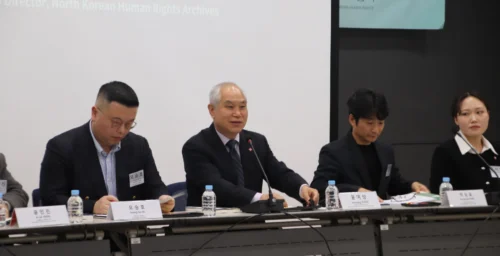
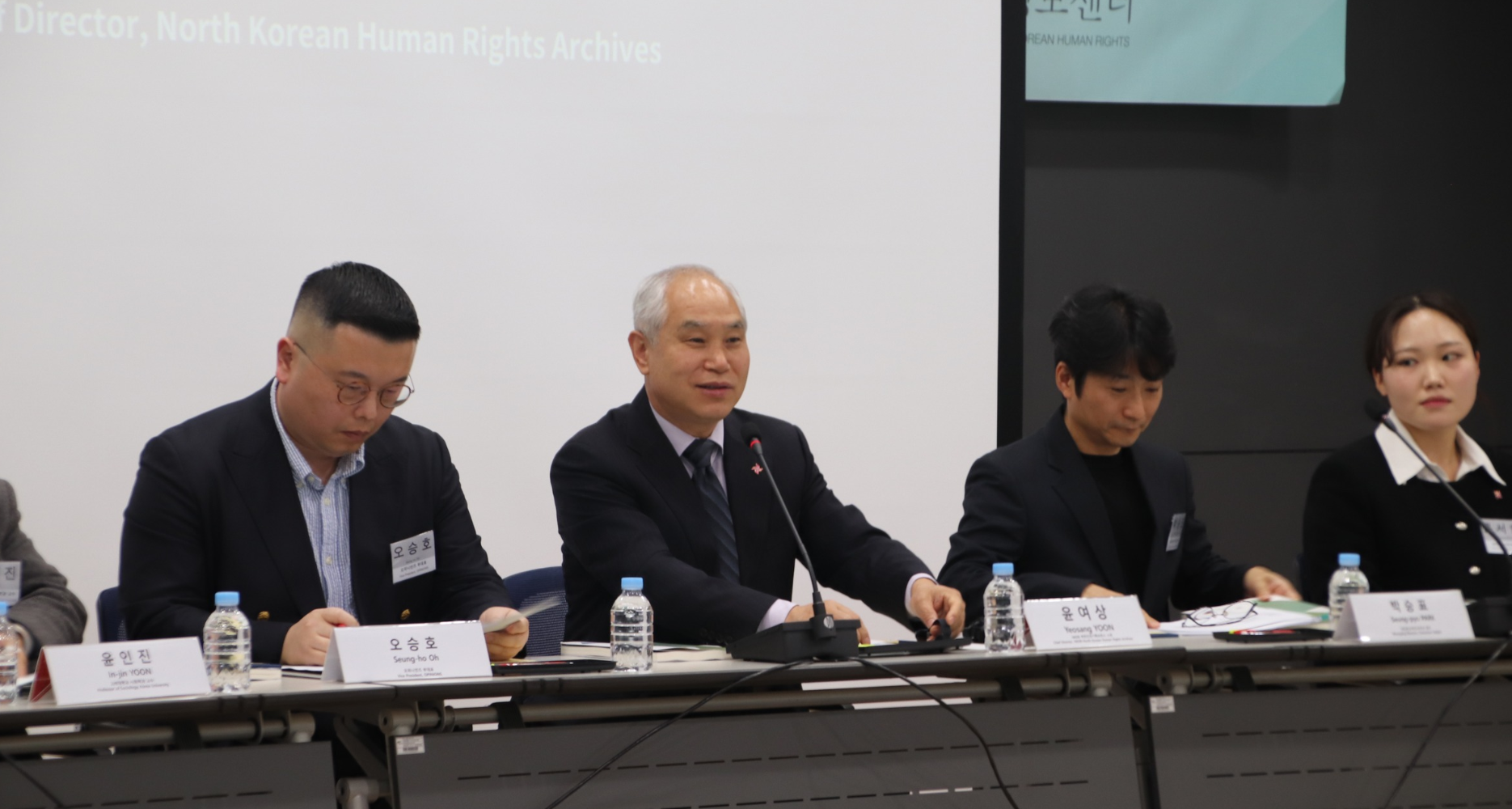
The release of the NKDB report has triggered a flurry of activity in Seoul’s policy circles. Officials from the Ministry of Unification have acknowledged the findings, characterizing them as a "sobering reality check."
"We recognize that the public’s perception of our efficacy is tied to our ability to achieve tangible results," said one official on the condition of anonymity. "However, the human rights situation in the North is not just about policy; it is about the fundamental dignity of the Korean people. We must find new ways to communicate that this is not just a ‘North Korean’ issue, but a ‘Korean’ issue."
Academics and human rights advocates argue that the government must move away from the traditional, confrontational rhetoric that characterized previous administrations.
"The current approach is often framed as a political weapon," notes Dr. Lee Sang-min, a human rights researcher. "When human rights are used solely as a stick to beat the Pyongyang regime, it loses its humanitarian character. The public is tired of political posturing. They need to see a path where human rights initiatives actually improve the lives of individuals, whether through humanitarian aid or support for defectors."
Implications: The Long-term Cost of Silence
The decline in interest has profound implications for the future of the Korean Peninsula. If the South Korean public remains disengaged, the political cost of prioritizing human rights in diplomatic negotiations will increase, potentially leading to a permanent excision of the issue from inter-Korean policy.
The Erosion of Accountability
Without consistent public pressure, international organizations and the South Korean government may find it harder to maintain funding for vital programs, such as the documentation of abuses or the support networks for North Korean defectors currently living in the South.
The Security-Rights Trade-off
There is a growing fear that the "security-first" approach—prioritizing nuclear disarmament over all else—will solidify. If human rights are permanently sidelined, the international community risks validating the North Korean regime’s narrative that its internal governance is beyond the purview of global law.
A Challenge to National Identity
Perhaps the most subtle, yet dangerous, implication is the long-term impact on the concept of unification. If the citizens of the South no longer care about the lives of those in the North, the moral and emotional impetus for reunification will continue to wither. A nation that ignores the plight of its kin eventually loses the very foundation upon which its national identity is built.
Conclusion: Bridging the Divide
The NKDB report is more than just a collection of statistics; it is a warning. The "disinterest" documented is not necessarily an absence of morality, but a symptom of a deeper, systemic failure to provide a credible path toward progress.
To reverse this trend, civil society, the government, and the international community must work together to reframe the conversation. This requires moving beyond the repetition of well-known abuses and toward a strategy that emphasizes the human element—the stories of individuals, the possibilities of incremental change, and the acknowledgment that a sustainable peace cannot be built on a foundation of systemic human rights violations.
The challenge for the coming year will be to turn the tide of apathy. As long as the "solution gap" remains, the silence in Seoul will only embolden the regime in Pyongyang. Restoring interest in the human rights of the North is not just a diplomatic task; it is an urgent moral imperative for the future of the Korean people.


 Iffa Jayyana
 Suro Senen
 Asro

