
 By Asro
By International Affairs Desk
In a move that has significantly heightened anxieties along the volatile Demilitarized Zone (DMZ), North Korean forces have installed propaganda loudspeakers at two strategic locations along the inter-Korean border. The deployment follows a series of bellicose threats from high-ranking officials in Pyongyang, marking a return to the psychological warfare tactics that have characterized decades of hostility on the peninsula. While the equipment is now visible to observers on the southern side, the silence emanating from the devices has left security analysts and border residents in a state of uneasy anticipation.
The Current Situation: Visible Presence, Auditory Silence
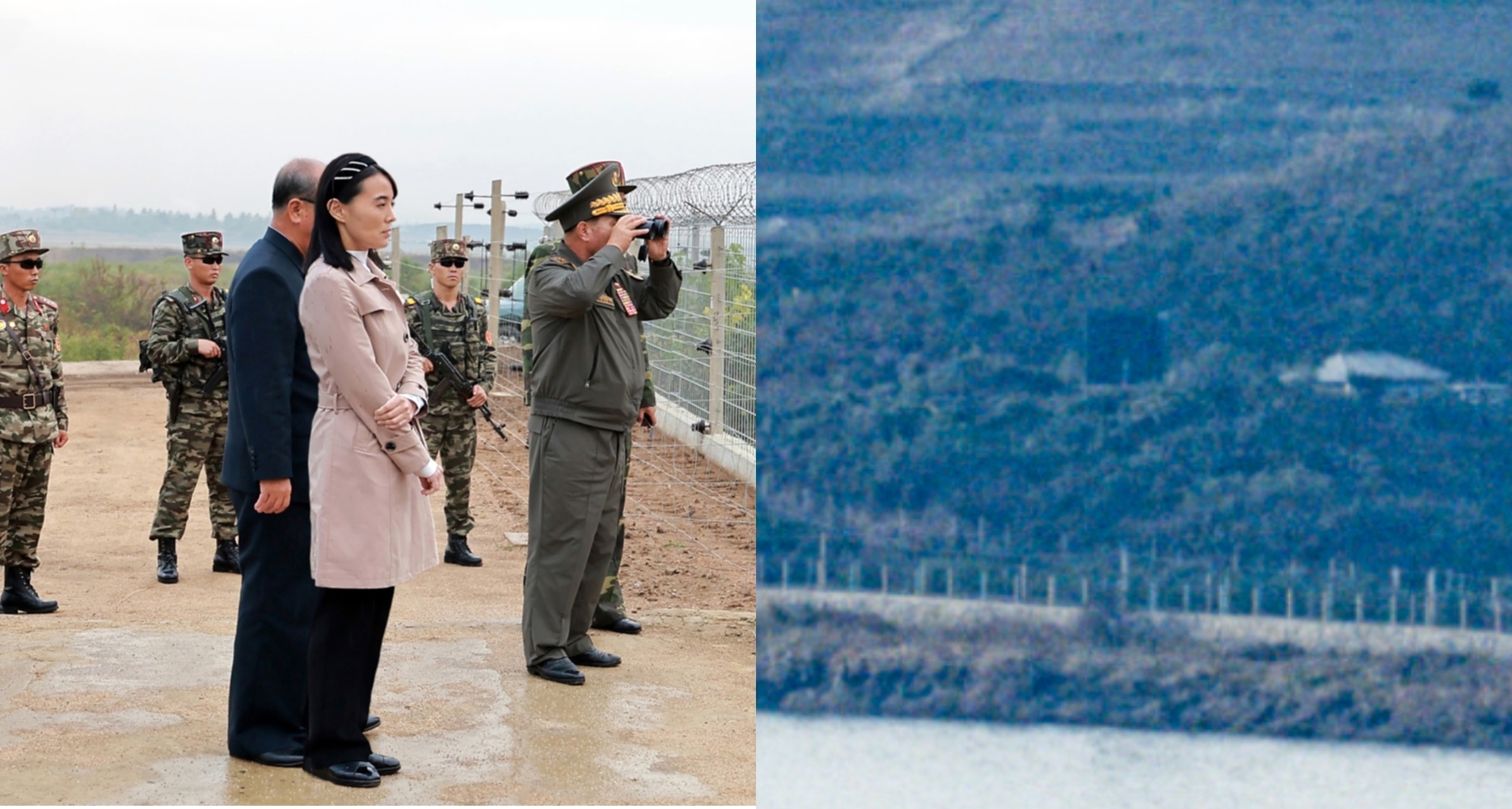
As of Wednesday, November 4, 2026, NK News has confirmed the presence of newly installed North Korean loudspeaker arrays at two distinct points along the border. These installations were observed from the Odusan Unification Observatory in Paju and the Key Observatory in Yeoncheon, both situated within South Korea’s Gyeonggi Province.
Despite the visual confirmation of these heavy-duty sound systems, the border remains quiet. Reporters and local residents stationed near the Paju and Yeoncheon sectors have confirmed that no broadcasts—neither propaganda music, political commentary, nor news bulletins—have been audible from the North as of this writing.
"The structures are unmistakable," noted one observer familiar with the border infrastructure. "They are clearly intended to be seen, yet the tactical silence is just as loud as the broadcasts themselves."
For the residents of these border communities, the physical installation of the speakers serves as a tangible manifestation of a deteriorating security environment. While the absence of sound offers a temporary reprieve, the historical precedent for these devices suggests that they are rarely installed for purely decorative purposes.
Chronology of Escalation: From Rhetoric to Reality
The current deployment did not occur in a vacuum; it is the culmination of a months-long drift toward confrontation.
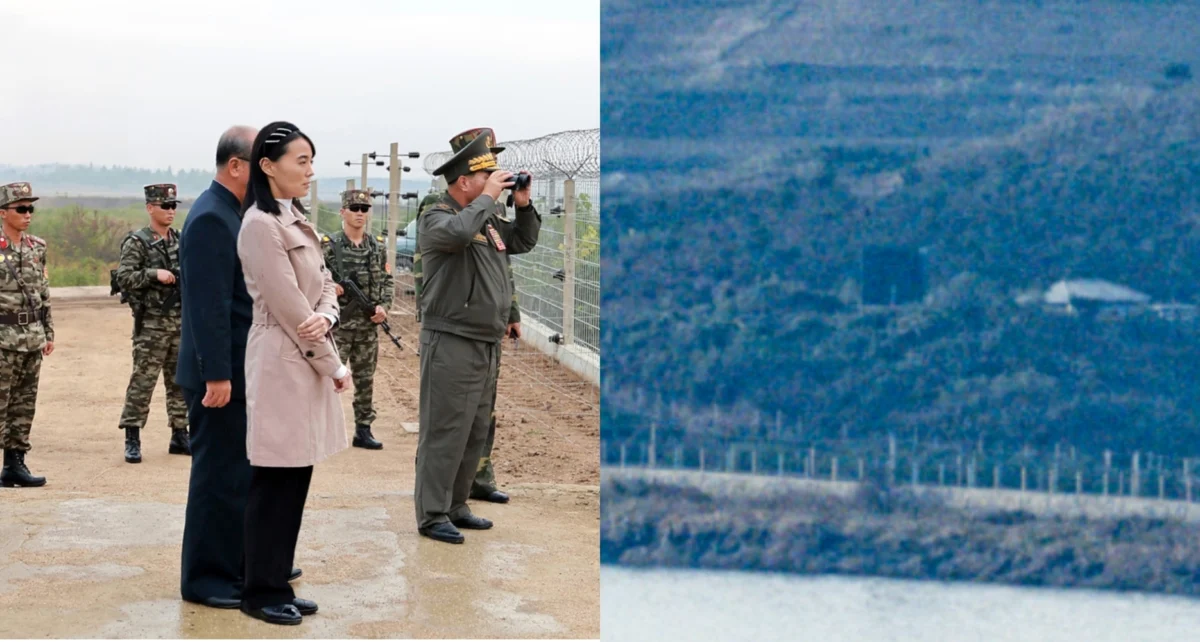
- Late October 2026: Kim Yo Jong, the powerful sister of North Korean leader Kim Jong Un and a key spokesperson for the regime’s foreign policy, conducted a high-profile visit to the inter-Korean border. During this visit, she issued scathing warnings regarding South Korean activities, specifically citing the distribution of anti-regime leaflets by activist groups and the continuation of joint military exercises with the United States.
- Early November 2026: Following Kim Yo Jong’s visit, the state-run Korean Central News Agency (KCNA) amplified the regime’s narrative, framing the North’s defensive posture as a necessary reaction to "provocations" from the South.
- November 4, 2026: NK News reports confirmed the physical installation of the loudspeakers at the Paju and Yeoncheon locations, corroborating rumors that had been circulating among military analysts for several days.
The timeline suggests a calculated, staged approach by Pyongyang. By visiting the border first, Kim Yo Jong signaled the regime’s intent, effectively "priming" the audience—both domestic and international—for the shift in tactical operations. The installation of the hardware is the second phase of this campaign, transitioning from verbal threats to physical preparations.
The Strategic Logic of Psychological Warfare
The use of loudspeakers is a classic, albeit archaic, tool of inter-Korean psychological warfare. Historically, both North and South Korea have utilized these systems to broadcast content ranging from K-pop and weather reports to blistering critiques of the opposing government’s leadership.
The Power of Sound
During periods of high tension, the "Voice of the Border" becomes a critical weapon. For North Korea, the primary objective of these broadcasts is twofold:
- Ideological Reinforcement: Countering the influence of foreign information (such as South Korean media) that has historically leaked across the border.
- Deterrence and Harassment: By broadcasting at high volumes, the North aims to disrupt the lives of South Korean border residents and military personnel, creating an atmosphere of constant friction.
However, the efficacy of these broadcasts in the modern era is heavily debated. With the proliferation of USB drives, SD cards, and clandestine radio broadcasts, the "airwaves" are far more crowded than they were during the Cold War. Nevertheless, the physical presence of the speakers forces the South Korean military to adjust its own readiness posture, diverting resources and attention toward potential countermeasures.
Official Responses and Regional Implications
The South Korean government has remained remarkably disciplined in its public response to the installations. Officials from the Ministry of Unification and the Ministry of National Defense have stated that they are monitoring the situation with "heightened vigilance."
Seoul’s Measured Approach
South Korea’s policy of "strategic patience" is being tested. While the current administration has vowed to respond firmly to any direct military provocation, they are also cognizant of the dangers of an escalatory spiral. Should the North begin broadcasting, Seoul is expected to weigh its options—including the potential resumption of its own loudspeaker broadcasts, which were previously dismantled as a gesture of goodwill during the 2018 diplomatic thaw.
The Washington-Seoul Nexus
The United States, as a key security guarantor for South Korea, is closely monitoring the situation. With the U.S. presidential transition period and ongoing geopolitical shifts in the Indo-Pacific, the stability of the Korean Peninsula remains a top priority. Experts argue that Pyongyang may be utilizing this window of uncertainty to test the resolve of the incoming administration and to pressure Seoul into making concessions regarding humanitarian aid or sanctions relief.
Implications: A New Era of Border Instability
The deployment of these loudspeakers is emblematic of the broader collapse of inter-Korean dialogue. Since the failure of the Hanoi Summit in 2019 and the subsequent demolition of the inter-Korean liaison office in 2020, the relationship between the two Koreas has devolved into a state of "cold peace."
Impact on Local Populations
For the residents of Paju and Yeoncheon, the return of the speakers is a grim reminder of their geographical reality. Many of these families have lived under the shadow of the DMZ for generations, navigating the cycle of fear and normalcy. The psychological toll of hearing daily propaganda—or the anticipation of it—is significant. Local authorities have already begun reviewing safety protocols, ensuring that residents are prepared should the situation escalate further.
The Risk of Miscalculation
Perhaps the most dangerous implication of the current installation is the risk of miscalculation. In a highly militarized zone where communication channels are largely dormant, the margin for error is razor-thin. A stray technical malfunction or an overly aggressive broadcast could lead to a tactical skirmish. History has shown that border incidents can quickly spiraled into larger conflicts if both sides feel their national prestige or security is being challenged.
Conclusion: The Long Road Ahead
As the loudspeakers stand silent on the North Korean horizon, the world watches to see if this is merely a symbolic gesture or the precursor to a broader campaign of psychological warfare. The installation marks a definitive shift away from the diplomatic engagement that once defined the era, signaling a return to the hardened, confrontational tactics of the past.
For the international community, the challenge lies in de-escalating the situation before the silence is broken. Whether the North intends to commence broadcasts or simply use the speakers as a bargaining chip remains to be seen. What is clear, however, is that the inter-Korean border has once again become the epicenter of regional instability, serving as a stark reminder that in the absence of dialogue, the instruments of war—even those as rudimentary as a loudspeaker—become the primary language of statecraft.
As we move further into late 2026, the question is not just whether the broadcasts will start, but what they will signify for the future of the Korean Peninsula. If the past is any indication, the path forward will be dictated by the delicate balance of provocation and restraint, a balance that is becoming increasingly difficult to maintain.
Disclaimer: This report is based on current observations and available intelligence as of November 2026. The security situation on the Korean Peninsula remains fluid and subject to rapid change.



 Lina Hope
 Ammar Sabilarrohman
 Pevita Pearce

