
 By Lina Hope
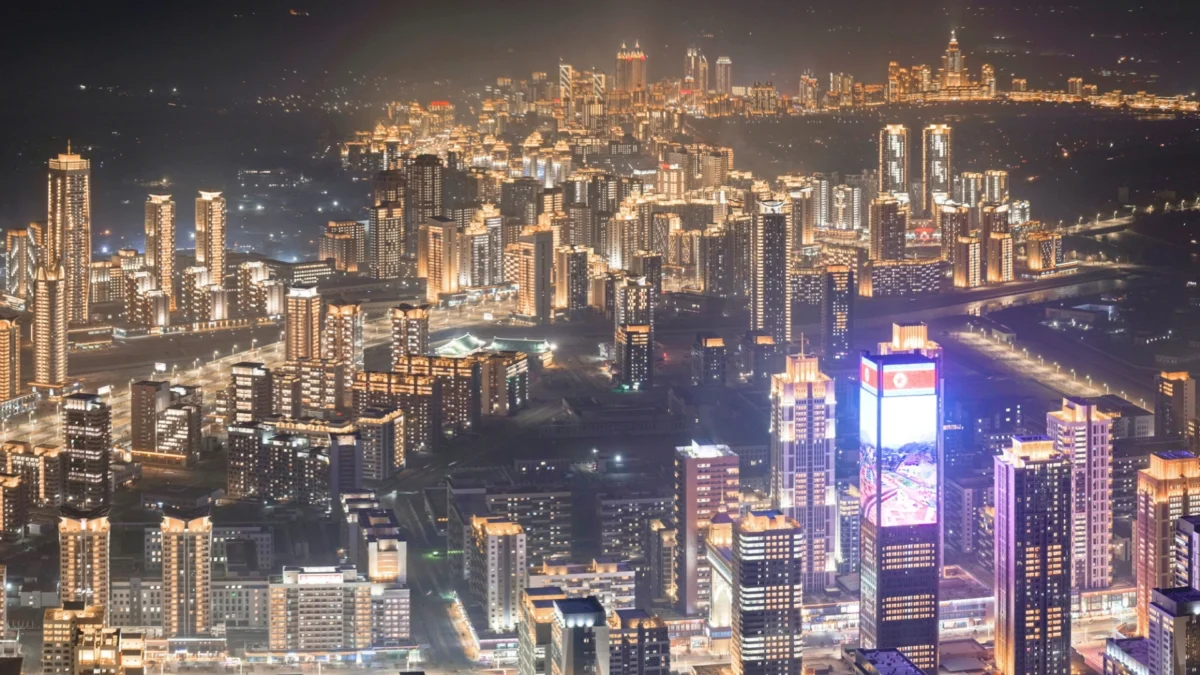
North Korea’s recent economic indicators, which have surprised many international observers, are not the result of structural reform or sustainable development. Instead, a comprehensive new analysis by the Institute for National Security Strategy (INSS)—a think tank affiliated with South Korea’s National Intelligence Service (NIS)—suggests that the North’s recent growth is an artificial byproduct of the ongoing war in Ukraine.
As Pyongyang deepens its military-industrial collaboration with Moscow, the surge in munitions production has provided a temporary, high-octane fuel for the North Korean economy. However, experts warn that this growth is inherently fragile, tethered to the fluctuating demands of a foreign conflict. Once the guns in Ukraine fall silent, the illusion of economic recovery is likely to evaporate, leaving the Kim Jong Un regime to face a harsh, structural reality.
Main Facts: The Anatomy of a War-Driven Economy
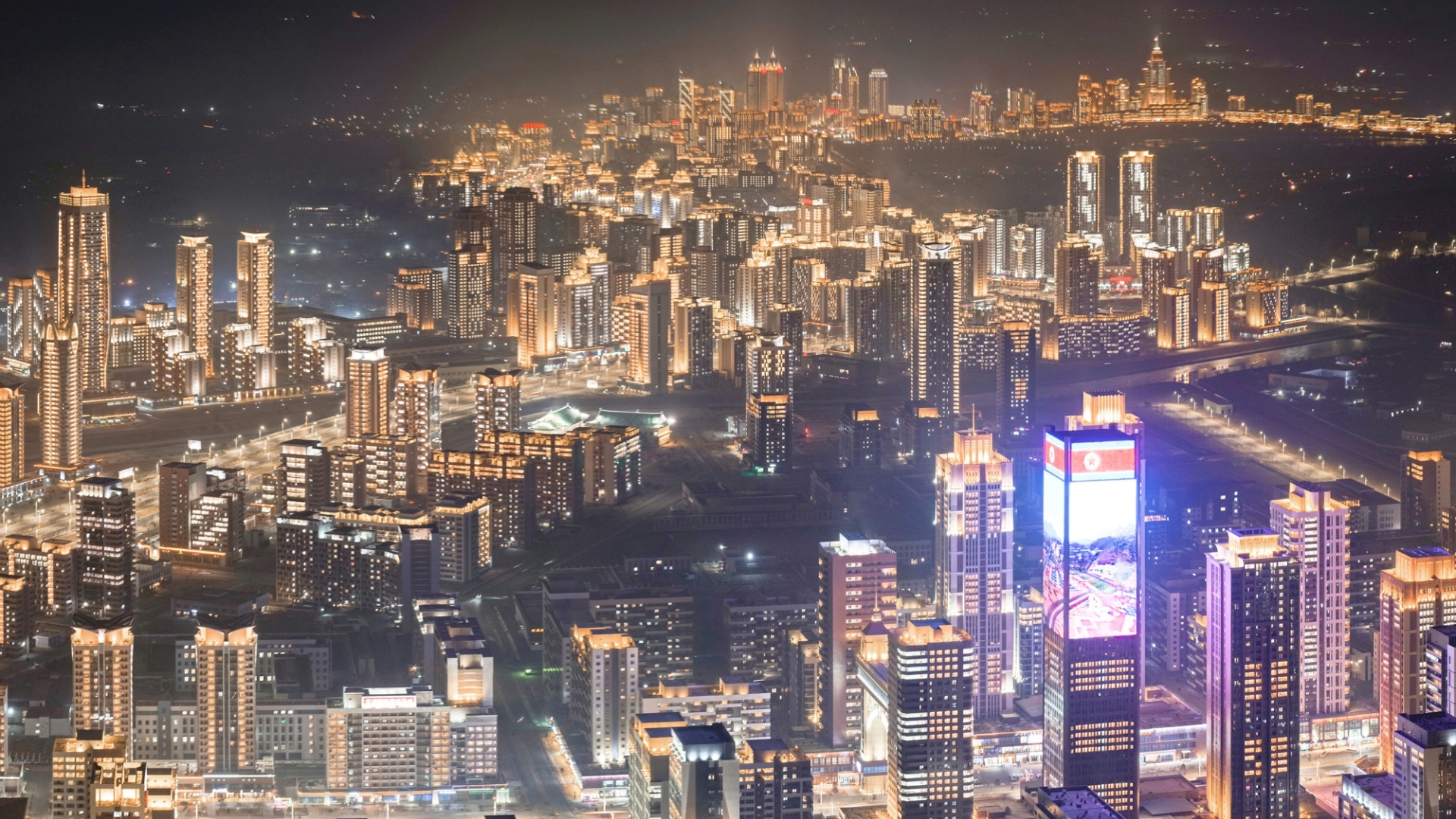
The narrative of North Korea’s "economic success" has recently gained traction in major Western media outlets, including the Wall Street Journal and the New York Times. These reports pointed to visible construction projects in Pyongyang and a reported increase in industrial output as signs that the DPRK has finally overcome the stagnation induced by the COVID-19 pandemic and years of international sanctions.
The INSS report, authored by analyst Lim Soo-ho, offers a sobering counter-narrative. The findings suggest that the DPRK’s economic uptick is almost entirely concentrated in the heavy industry and defense sectors. By supplying Russia with artillery shells, missiles, and other military hardware, North Korea has effectively pivoted its entire state apparatus toward a "wartime footing."
- The Munitions Engine: The influx of Russian resources—whether in the form of raw materials, energy, or hard currency—has allowed North Korea to restart idle factories.
- Sectoral Imbalance: While military factories are running at peak capacity, the civilian economy remains largely depressed. The "success" seen in high-profile construction projects is largely a vanity effort to project strength, rather than a sign of robust consumer-led growth.
- Dependence on Conflict: The growth is not organic. It is a derivative of a geopolitical crisis. As long as Russia requires the DPRK’s vast stockpiles of conventional weaponry, the North Korean economy will receive a lifeline.
A Chronology of the North Korean Economic Pivot
To understand how North Korea reached this point, one must look at the timeline of the last five years, characterized by isolation followed by a strategic re-engagement with Russia.
2020–2022: The Great Isolation
Following the onset of the COVID-19 pandemic, North Korea shuttered its borders completely, halting even its minimal trade with China. The economy contracted significantly, with food shortages reaching critical levels. During this period, the state tightened control over all economic activity, effectively reversing the limited market reforms of the previous decade.
2023: The Strategic Realignment
As the war in Ukraine evolved into a protracted war of attrition, Russia’s need for conventional munitions became acute. Simultaneously, North Korea sought a partner to bypass international sanctions. The meeting between Kim Jong Un and Vladimir Putin in the Russian Far East marked the beginning of a formal arms-for-resources pipeline.
2024–2025: The Industrial Surge
Throughout 2024, satellite imagery began to show increased activity at North Korean shipyards, rail hubs, and munitions factories. The INSS report notes that this period saw the highest levels of industrial production in a decade. This was not the result of domestic innovation but the direct consequence of "war-demand" orders coming from Moscow.
2026: The Current State of Play
As of late 2026, the DPRK economy is operating as an extension of the Russian military-industrial base. The regime has successfully prioritized defense production, which has created a temporary veneer of stability, but the lack of investment in civilian infrastructure, agriculture, and light industry suggests that the long-term outlook remains grim.
Supporting Data: Behind the Numbers
The INSS analysis relies on a combination of satellite intelligence, trade data, and anecdotal reports from within the country. While the DPRK does not release transparent economic statistics, the following indicators provide a clear picture:
- Industrial Capacity Utilization: Factories associated with the Second Economic Committee (responsible for munitions) have seen a 30% to 40% increase in operational hours compared to the 2020–2022 period.
- Trade Volatility: Official trade figures, while obscured, show a massive spike in raw material imports from Russia, particularly petroleum and refined fuels, which are essential for sustaining the munitions production lines.
- Construction vs. Consumption: While new skyscraper projects in Pyongyang have garnered international attention, the availability of basic food items and household goods in provincial markets remains low. The divergence between "showcase" development and "survival" economics has never been wider.
Official Responses and International Perspectives
The international community remains divided on how to interpret these developments.
The ROK Perspective: Seoul’s intelligence and security community, as evidenced by the INSS report, is increasingly concerned about the long-term implications. The ROK government argues that by becoming a critical supplier to Russia, North Korea is entrenching itself in a cycle of aggression, making denuclearization and future inter-Korean dialogue even more difficult.
The Western View: While some Western analysts initially hailed the "economic success" as a sign that sanctions were failing, the tone has shifted. There is growing consensus that the "success" is unsustainable. "This is not economic development; it is a fire sale of the nation’s military assets to sustain a regime in crisis," one diplomatic source noted.
The Russian/DPRK Narrative: Both Moscow and Pyongyang continue to maintain that their cooperation is strictly within the bounds of international law and is intended to foster "mutual development." They frame the growth as a triumph of socialist planning over Western economic strangulation.
Implications: The Looming "Post-War" Cliff
The most dangerous aspect of the current situation is what happens when the demand for North Korean munitions eventually plateaus or declines.
1. The Economic Cliff
If the war in Ukraine ends or if Russia’s domestic production capacity catches up to its needs, North Korea will lose its primary economic engine. Without a transition to civilian-led growth, the regime could face a catastrophic economic contraction, potentially leading to renewed famine or social instability.
2. Deepening Dependency
The current policy has effectively locked North Korea into a subordinate position to Russia. Moscow is now the primary arbiter of the North’s economic health. This limits Kim Jong Un’s strategic autonomy, as he must tailor his foreign policy to satisfy his largest benefactor.
3. The Nuclear Question
There is a fear that once the "war economy" runs out of steam, the regime may turn to nuclear brinkmanship to demand fresh concessions from the international community. The expertise gained through the current military production cycle could also be redirected toward further accelerating the regime’s nuclear and missile programs.
4. Human Cost
The greatest impact will be felt by the North Korean people. The prioritization of military industry has diverted labor and resources away from the agricultural sector, which is already struggling to feed the population. The regime is effectively gambling the future of its citizens on the lifespan of a foreign conflict.
Conclusion
The recent uptick in North Korea’s economic indicators is a seductive narrative for those looking for signs of change in the Hermit Kingdom. However, the analysis provided by the INSS makes it clear: this is a war-fueled bubble.
Pyongyang is not building a sustainable future; it is performing a high-stakes balancing act. By turning its economy into a munitions factory for Russia, the regime has gained temporary relief from the pressures of isolation. But this path offers no exit strategy. When the geopolitical winds shift, the structural weaknesses that have long plagued the DPRK—food insecurity, industrial decay, and technological isolation—will return with even greater force.
The international community must look past the lights of Pyongyang’s new skyscrapers and recognize the systemic rot beneath. The "success" is fleeting, and the eventual reckoning could be the most significant challenge for the Korean Peninsula in the coming decade.
 Ammar Sabilarrohman
 Pevita Pearce
 Nana Wu

