
 By Nana
The Statistical Context: A 99% Decline in Market Traction
The most striking aspect of JUSTB’s recent comeback is the sharp discrepancy between their past performance and their current sales figures. According to data provided by Hanteo Chart, which tracks real-time physical album sales from authorized retailers, the sixth mini-album k-pop sold a total of 264 copies during its first week of release. On several days within that inaugural week, the chart recorded zero sales, a phenomenon rarely seen for a group of JUSTB’s stature and tenure.
To put these numbers into perspective, one must look at the group’s historical data. JUSTB reached a significant commercial peak in November 2022 with the release of their third mini-album, =(NEUN). That project saw first-week sales exceeding 52,000 copies, marking them as a rising force among mid-tier boy groups. The drop from over 50,000 copies to just 264 represents a decrease of more than 99.4%. In the competitive landscape of the Seoul-based music scene, such a steep decline is often interpreted as a "red flag" regarding the group’s relationship with its domestic distributor or a potential collapse of the core purchasing fandom.
While physical sales have plummeted, the group’s digital presence appears to maintain some level of momentum. The official music video for the title track, "Party Time (Nanlina)," has garnered over 1.7 million views on YouTube since its debut. This disparity between millions of views and fewer than 300 album sales suggests a significant disconnect between casual digital listeners and the dedicated "collector" fanbase that typically drives physical revenue.
Historical Background and Group Evolution
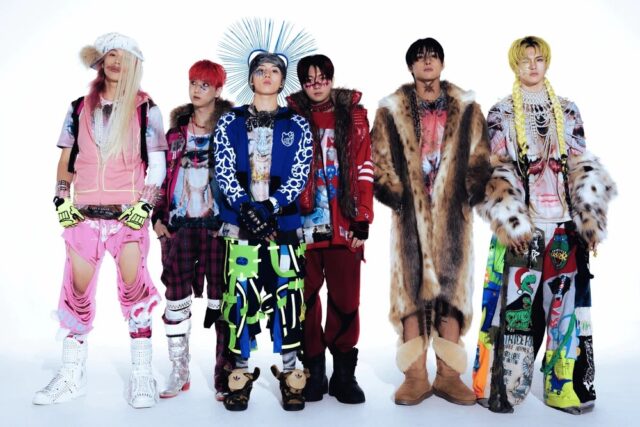
JUSTB, managed by Bluedot Entertainment, debuted on June 30, 2021, with the mini-album Just Burn. The group was formed with a high degree of anticipation, as several members had already gained public recognition through popular survival programs. Lim Jimin was a finalist on SBS’s The Fan, while Geonu and JM participated in the high-profile Mnet survival show I-LAND, which formed the group ENHYPEN. Other members, including Bain and Heeju, had appeared on Under Nineteen, ensuring the group had a pre-established following before their official launch.
During their early years, JUSTB carved out a niche with a powerful, performance-oriented "rage" concept, characterized by dark aesthetics and intense choreography. Their debut title track, "Damage," was produced by B.A.P’s Bang Yong-guk, lending them a sense of sonic credibility. Over the course of five subsequent releases, they transitioned through various themes, eventually moving toward the more experimental and vibrant sounds found in their latest release. However, the drastic shift in sales for k-pop suggests that the group may be struggling to maintain their footing in an increasingly saturated market dominated by "Big Four" agencies (HYBE, SM, YG, and JYP).
Possible Factors Behind the Sales Slump
Industry analysts and fans alike have proposed several theories to explain the 264-copy figure. One of the most common explanations in such scenarios involves logistical and distribution failures. In the K-pop industry, it is not uncommon for smaller agencies to face issues with stock availability or shipping delays. If an album is not stocked in Hanteo-certified stores during the first week, those sales cannot be recorded, regardless of how many pre-orders were placed.
Furthermore, the title of the album itself, k-pop, may have inadvertently created a marketing hurdle. In the digital age, Search Engine Optimization (SEO) is paramount. By naming an album and a title track with highly generic terms, a group risks being buried in search results, making it difficult for fans to find purchase links or official content.
There is also the consideration of the "touring vs. selling" strategy. JUSTB has remained active on the international stage, recently announcing their K-Pop Rave tour. Some groups shift their focus toward live performances and international appearances, which can sometimes lead to a neglect of the domestic physical market. However, even for a touring-focused group, a triple-digit sales figure is an anomaly that usually suggests deeper internal or external complications.
Fan Reactions and Public Concern
The K-pop community on social media platforms like X (formerly Twitter) and Reddit has reacted with a mixture of shock and mobilization. Fans, known as "ONLY B," have expressed fear that these low numbers could lead to the group’s disbandment. In the South Korean idol industry, the "seven-year curse" is a well-known phenomenon where groups often dissolve if they do not reach certain profit milestones before their initial contracts expire. For a group in their third or fourth year, a sales drop of this magnitude is frequently a precursor to a hiatus or a formal end of activities.

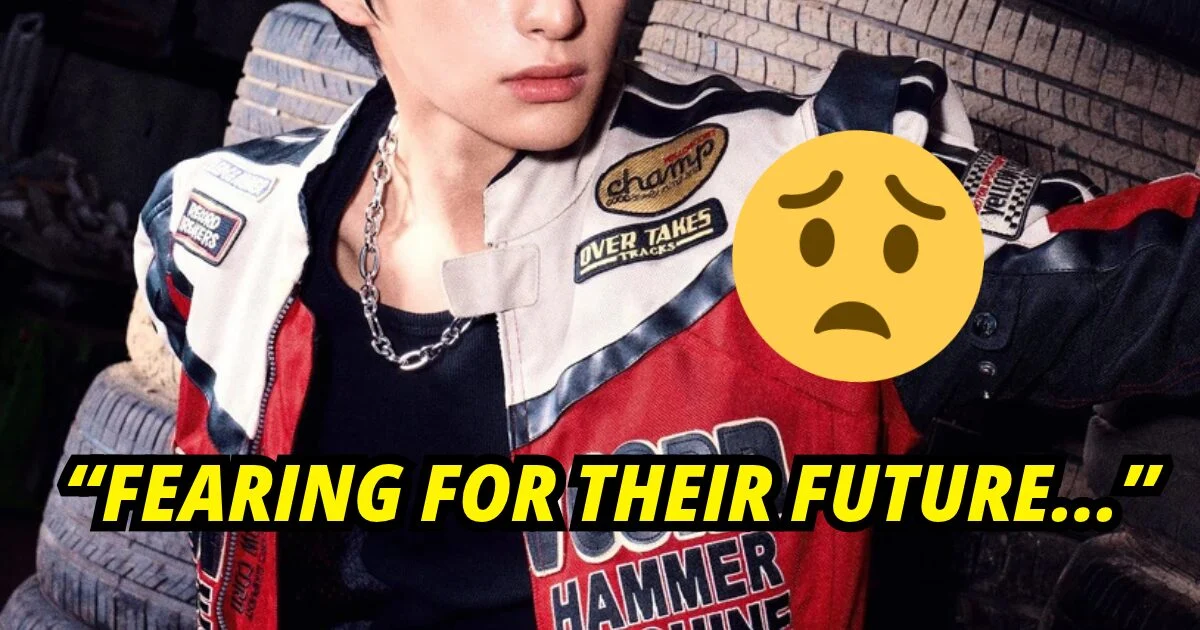
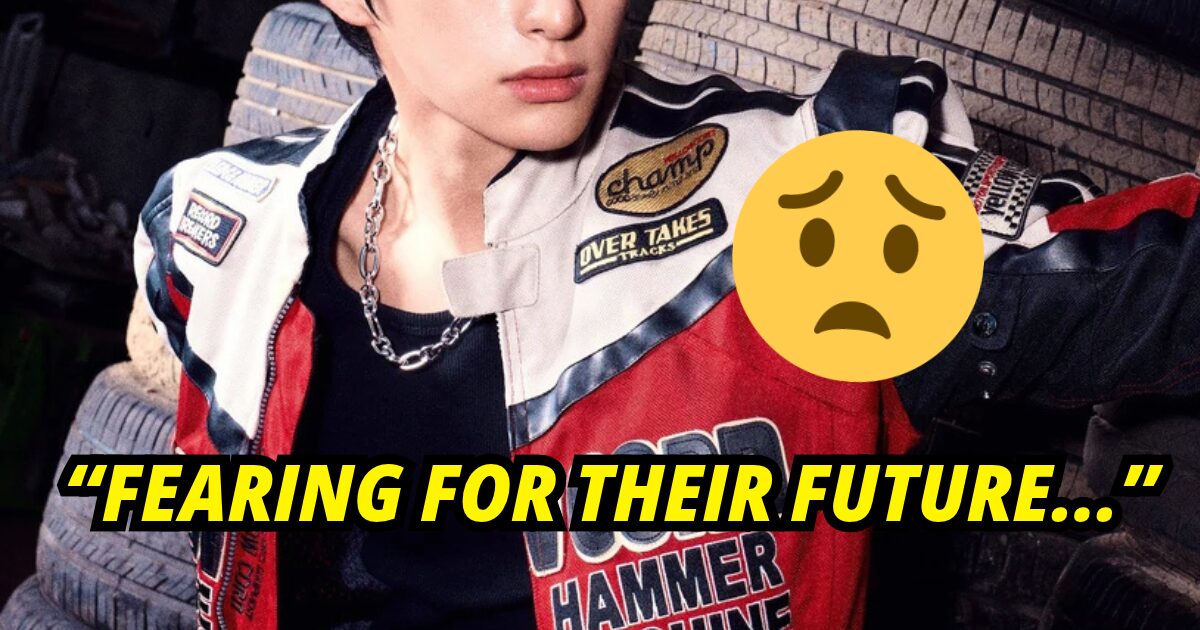
One fan’s post, which went viral within the community, stated, "I’m fearing for their future. Y’all go support this group. Their music is unique and they have always been inclusive." Others pointed out the affordability of the latest release, noting that it was released in a "jewel case" format, which is typically cheaper than standard photobook versions, making the low sales even more baffling.
The group has also been praised for its perceived inclusivity. Discussions among international fans often highlight the members’ supportive stances on various social issues, which has fostered a loyal, albeit currently smaller, global audience. This emotional connection has led to a grassroots movement where some netizens, who were not previously fans of the group, have purchased copies of k-pop specifically to help boost the numbers and prevent potential disbandment.
Broader Implications for Mid-Tier K-Pop Groups
The situation surrounding JUSTB highlights a growing crisis for K-pop groups from small and medium-sized enterprises (SMEs). As the industry becomes more globalized, the gap between the "haves" and the "have-nots" is widening. While top-tier groups now routinely sell millions of copies in their first week, mid-tier groups are finding it harder to capture the attention of a domestic audience that is increasingly focused on a few dominant acts.
The "disbandment threshold" is a grim reality for many idols. When an agency can no longer recoup the costs of music production, styling, and promotion through physical sales or domestic CF (commercial) deals, they often pivot to indefinite hiatuses. JUSTB’s current predicament serves as a cautionary tale about the volatility of the market. It underscores the fact that even with talented members from famous survival shows and a string of successful past releases, sustained commercial success is never guaranteed.
Chronology of JUSTB’s Recent Activities
To understand the current state of the group, a look at their timeline over the last 24 months is essential:
- November 2022: Release of =(NEUN). The group achieves a career-high with 52,000+ sales, suggesting a strong upward trajectory.
- 2023: The group focuses on international engagement, including fan meets and smaller-scale overseas performances. Digital singles are released to maintain visibility.
- Early 2024: Rumors of a comeback begin to circulate, but the timeline is pushed back, leading to a longer-than-usual gap between physical mini-albums.
- Late 2026: The announcement of the sixth mini-album, k-pop. The promotional cycle begins with "Party Time (Nanlina)."
- November 2026: Hanteo Chart releases the first-week sales data for k-pop, revealing the 264-copy figure and sparking the current wave of concern.
Analysis of Potential Recovery
Despite the alarming nature of the 99% sales drop, there remains a path to recovery for JUSTB. If the low numbers are indeed the result of a distribution error or a lack of physical stock, a correction in the following weeks’ data—tracked by the Circle Chart (formerly Gaon), which measures shipments rather than individual retail sales—could provide a more accurate and perhaps less dire picture.
Furthermore, the group’s upcoming K-Pop Rave tour presents an opportunity to generate revenue through ticket sales and merchandise, which can sometimes be more lucrative for an agency than physical album sales. If the tour is successful, Bluedot Entertainment may have the capital necessary to fund future projects and re-evaluate their marketing strategy for the Korean market.
However, the psychological impact of such low sales on both the artists and the fandom cannot be ignored. In an industry where "hype" is a currency, a perceived loss of popularity can become a self-fulfilling prophecy. The next few months will be a defining period for JUSTB as they navigate the fallout of these numbers and attempt to prove that their artistic value exceeds their current commercial metrics.
Conclusion
The case of JUSTB and the 99% decrease in sales for their album k-pop is a stark reminder of the precarious nature of the idol industry. While the group continues to produce high-quality music and engage with fans worldwide, the harsh reality of the charts has cast a shadow over their future. Whether this event is a temporary logistical hiccup or a sign of a more permanent decline remains to be seen. For now, the "ONLY B" fandom and the wider K-pop community remain on high alert, hoping that the group’s talent and past achievements will be enough to carry them through this period of uncertainty. As the industry continues to evolve, the story of JUSTB will likely be studied as a significant example of the challenges facing the "non-Big Four" groups in the modern era of K-pop.

