
 By Nana Wu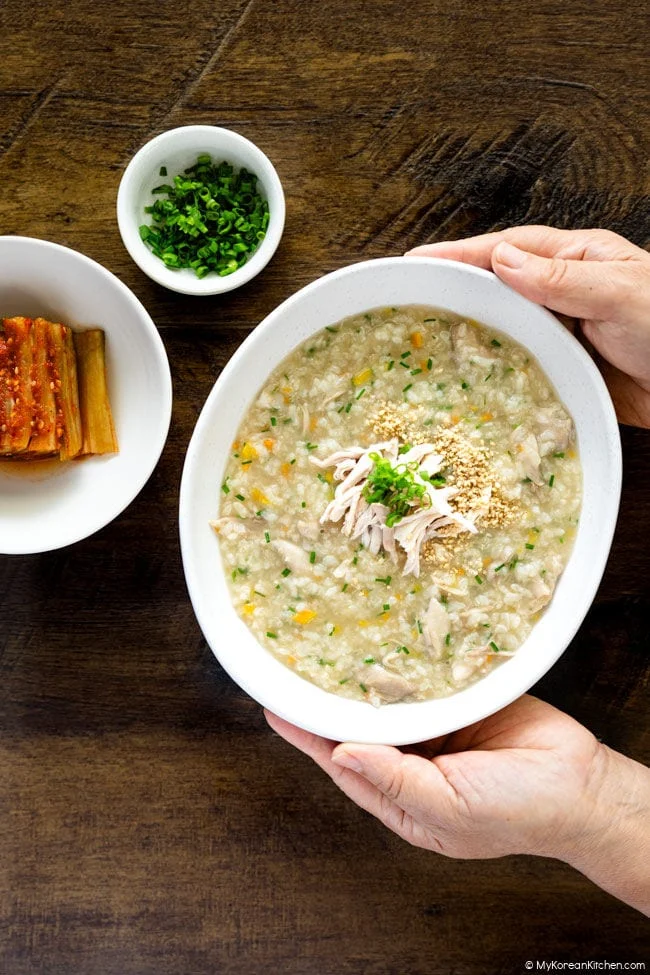
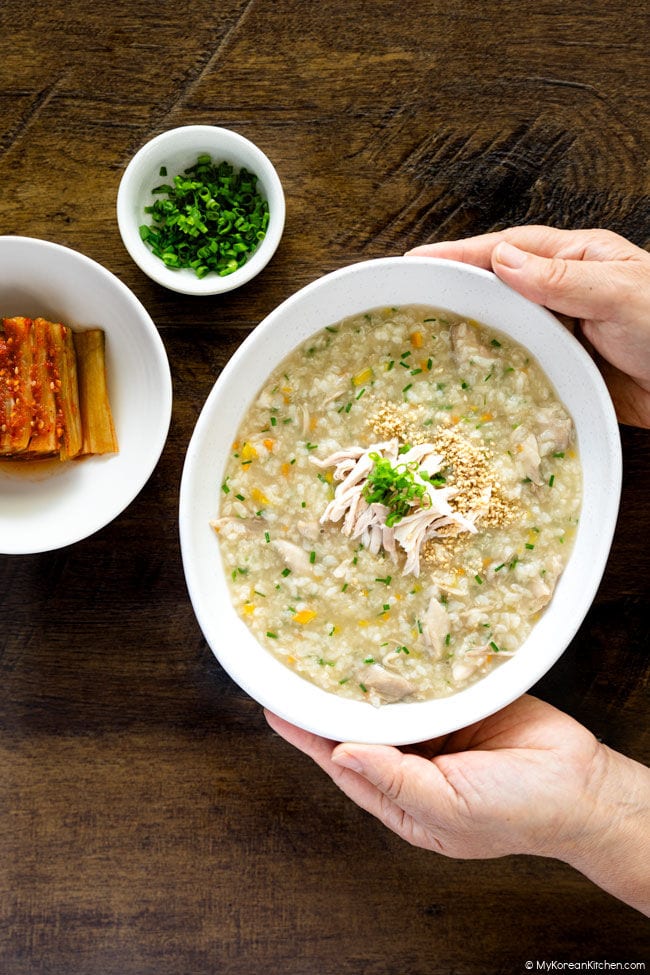
In the expansive landscape of Korean cuisine, few dishes possess the restorative power of dakjuk. Often described as the Korean equivalent of chicken soup, this savory rice porridge is far more than a simple meal; it is a cultural staple designed to nourish, heal, and provide solace. Whether served to a loved one recovering from an illness or enjoyed as a warm, grounding breakfast on a biting winter morning, dakjuk represents the intersection of traditional culinary wisdom and modern nutritional needs.
The Essence of Dakjuk: A Culinary Definition
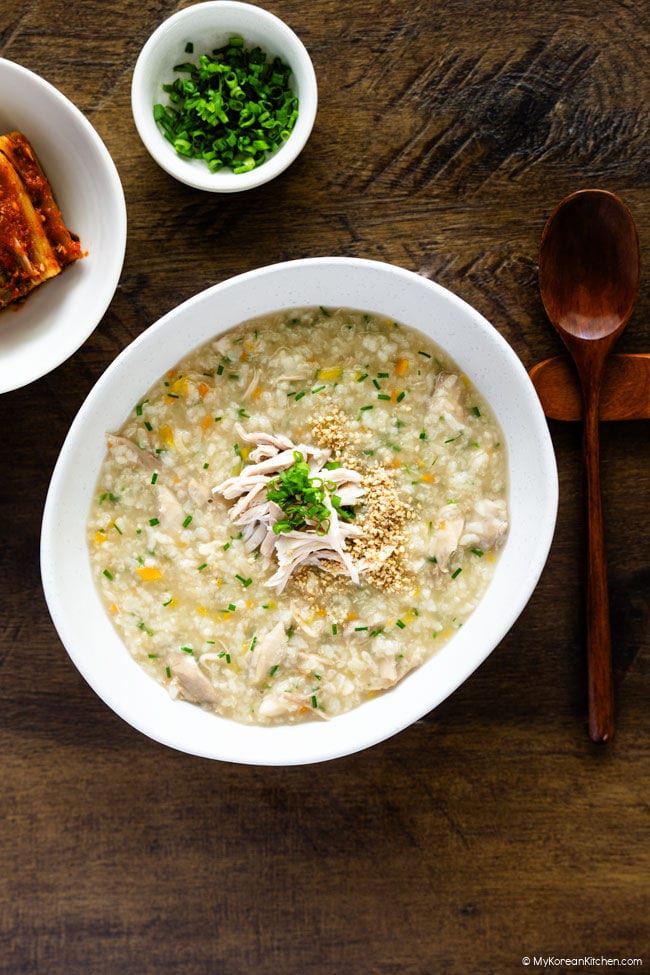
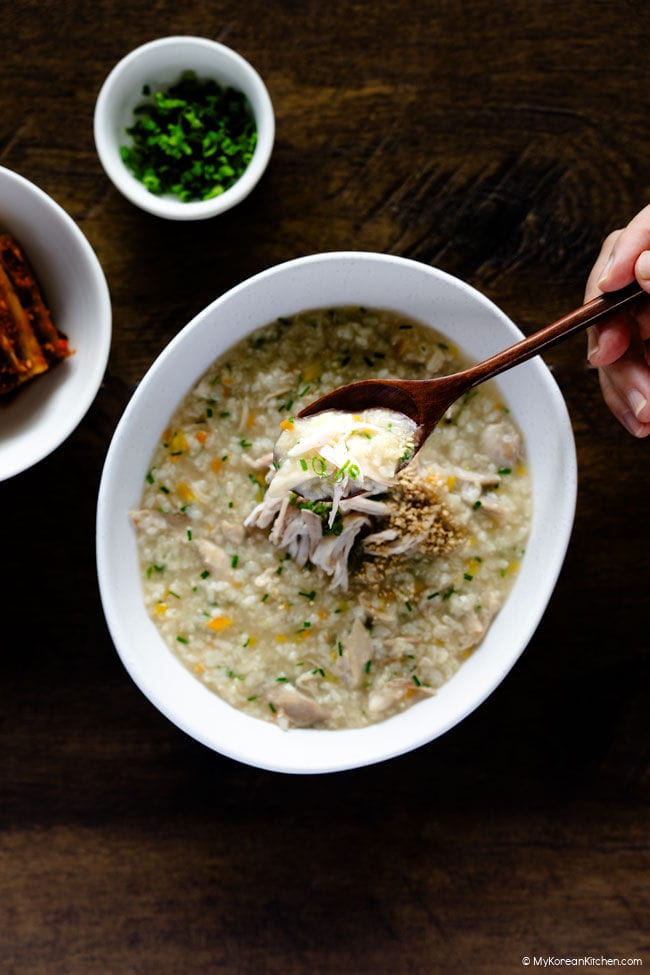
At its core, dakjuk (닭죽) is a slow-simmered porridge where the name itself provides a concise recipe: "dak" (chicken) and "juk" (porridge). The dish is characterized by a creamy, velvety texture achieved through the patient breakdown of rice grains in a deeply seasoned, nutrient-dense chicken broth.
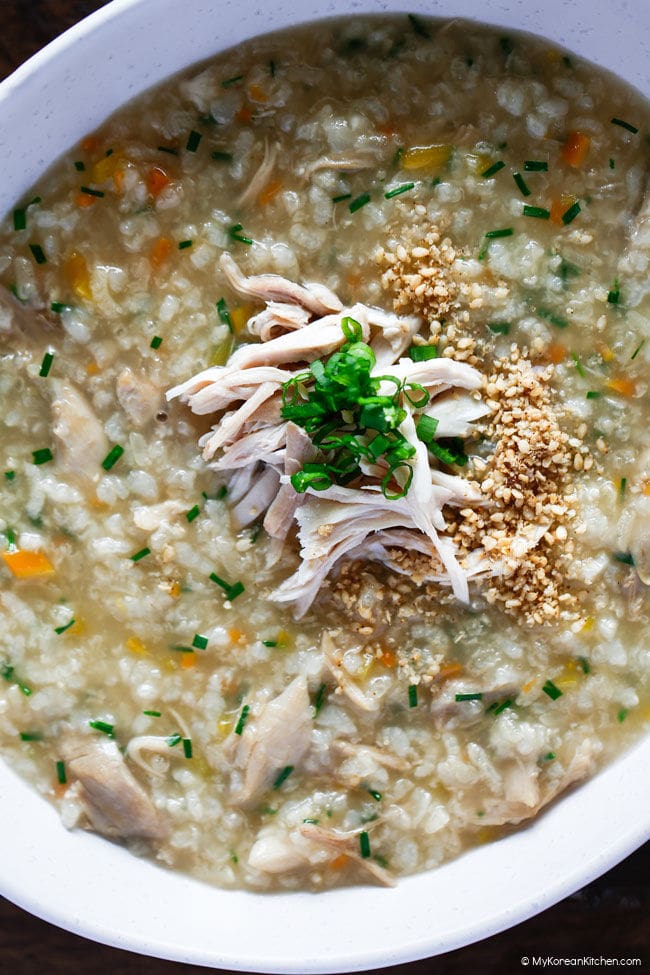
Unlike Western-style chicken soups that often feature clear, thin broths, dakjuk is intentionally thickened. It is designed to be gentle on the digestive system, making it the primary choice in Korean households for those feeling "run down" or under the weather. It is a quintessential example of "food as medicine," a concept deeply ingrained in Korean culinary philosophy.
Chronology: The Evolution of the Dish
While the exact origins of porridge in Korea date back centuries, the evolution of dakjuk mirrors the nation’s history. Historically, rice was a precious commodity; porridge (juk) was a clever, practical way to stretch a small amount of grain to feed a large family. By simmering rice with ample water or stock, households could produce a substantial volume of food that was both filling and easy to digest.
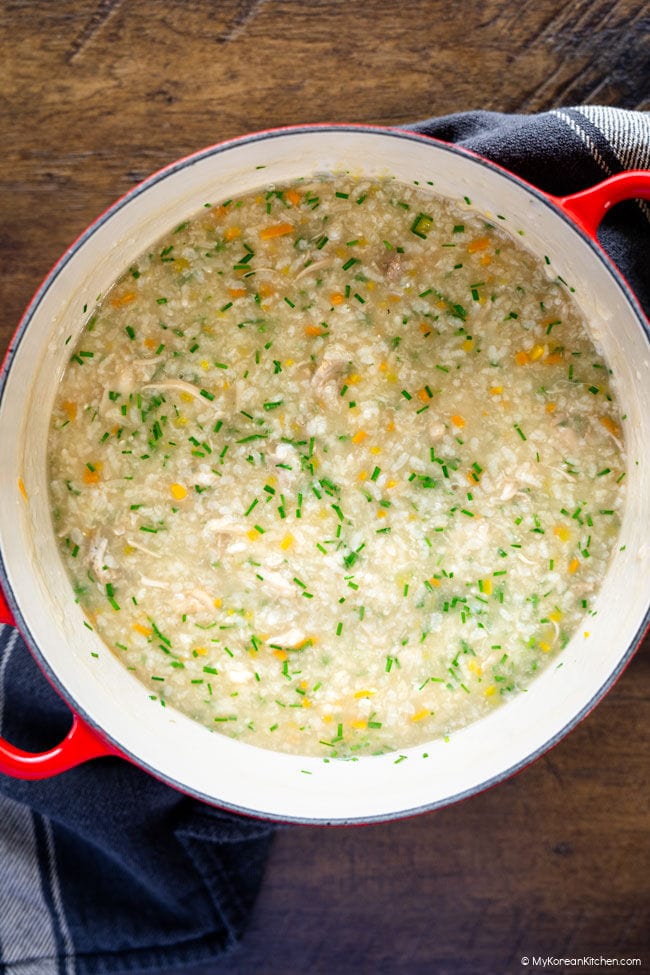
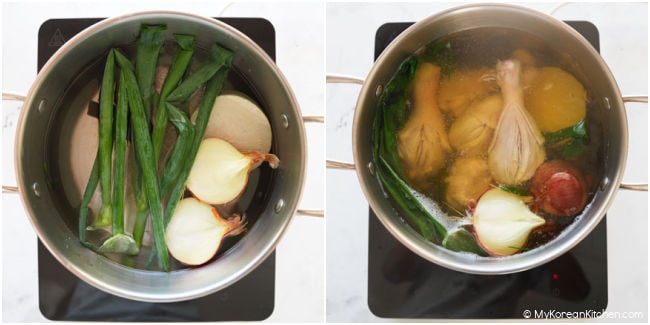
As Korea transitioned into the modern era, the preparation of dakjuk shifted from a necessity born of scarcity to a deliberate choice made for health and comfort. The 20th and 21st centuries saw the refinement of the dish, with chefs and home cooks alike emphasizing the quality of the stock—incorporating aromatics like radish, green onions, and garlic to elevate the humble porridge into a sophisticated, flavor-forward dish.
The Science of Texture and Flavor: Why Technique Matters
The difference between an ordinary bowl of porridge and a masterfully prepared dakjuk lies in the technical execution. The secret, according to culinary experts, is a two-fold approach: controlling the integrity of the protein and maximizing the starch release of the rice.
The Protein Strategy
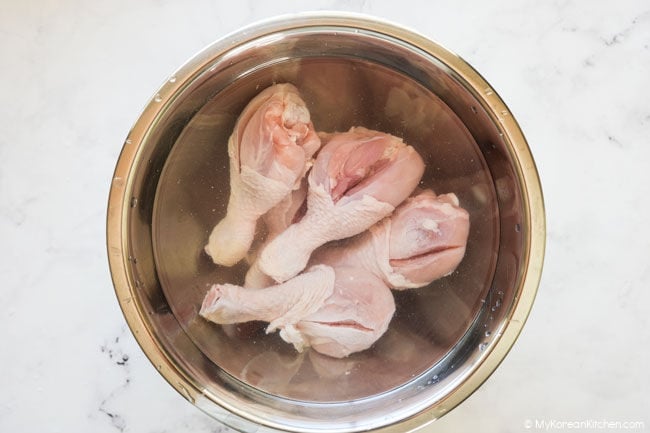
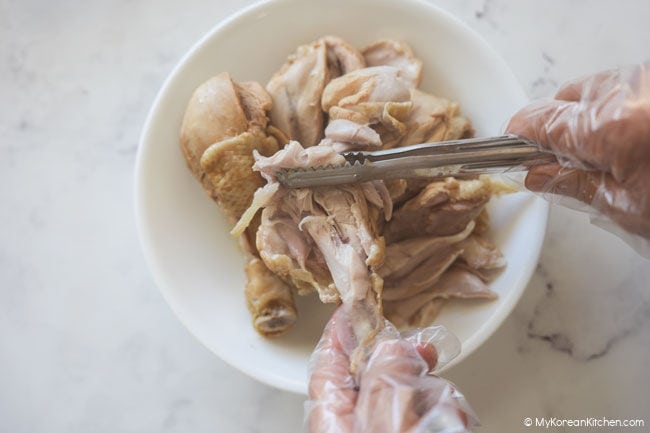
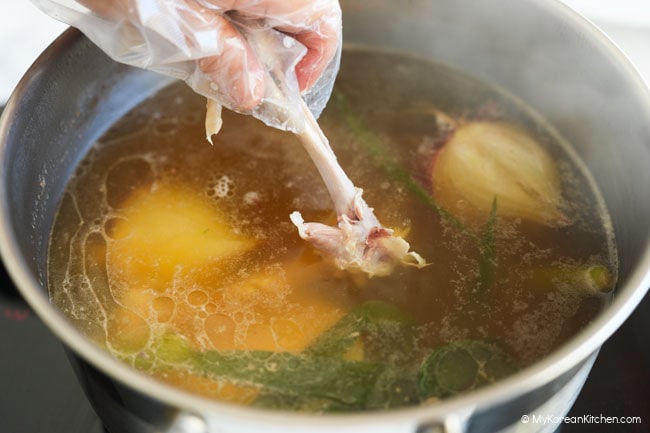
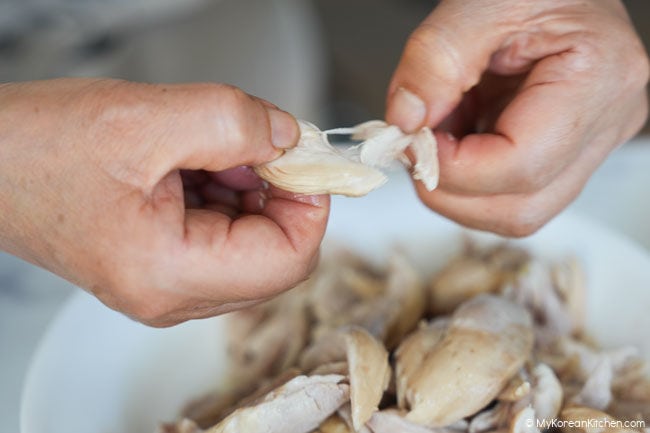
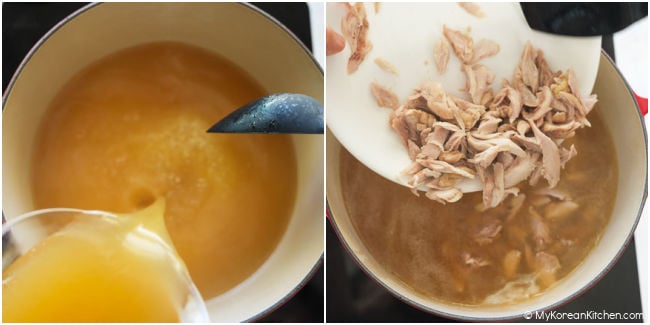
In high-quality dakjuk, the chicken is not boiled to death. Culinary techniques dictate that the chicken should be simmered for only about 20 minutes before being removed from the pot. This prevents the breast meat or drumsticks from turning dry or stringy. By removing the meat and returning the bones to the broth for an additional 20-minute simmer, the cook ensures that the stock is infused with the collagen and marrow from the bones, resulting in a rich, velvety mouthfeel without sacrificing the tenderness of the shredded chicken served on top.
The Rice Preparation
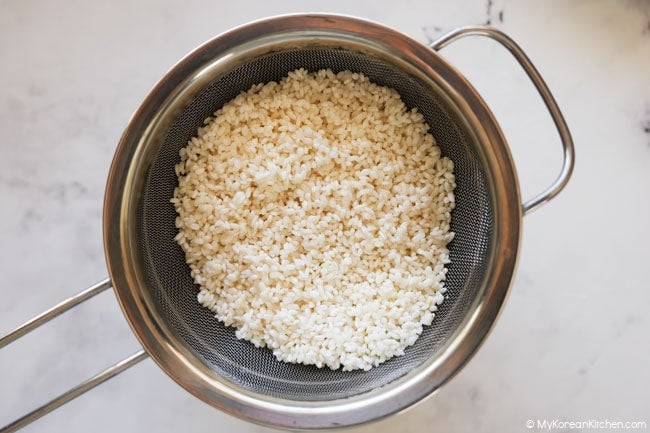
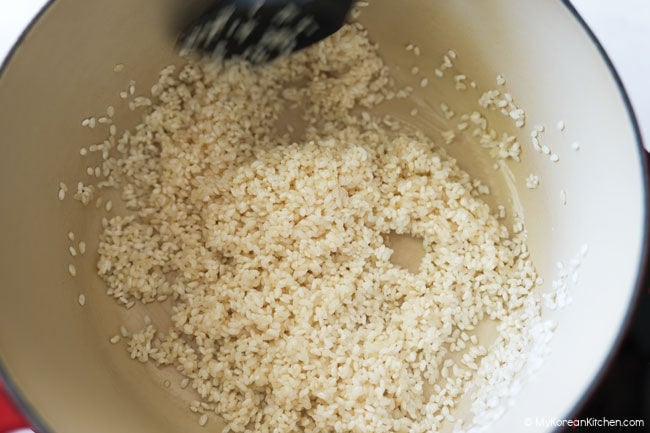
The use of glutinous rice (sweet rice) mixed with standard short-grain rice is critical. Glutinous rice provides the necessary starch to create a thick, cohesive consistency, while the regular rice provides texture and prevents the porridge from becoming overly gluey. Furthermore, a signature technique involves sautéing the soaked rice in sesame oil before adding the broth. This step toasts the grains, imbuing the final dish with a subtle, nutty richness that acts as the backbone of the flavor profile.
Supporting Data: Nutritional Profile
Dakjuk is widely regarded as a balanced meal, providing a clean source of protein and complex carbohydrates. Based on standard preparation methods, a typical serving offers:
- Calories: ~499 kcal
- Protein: 29g (derived from lean chicken)
- Carbohydrates: 48g (complex starches)
- Fat: 21g (largely healthy fats from sesame oil)
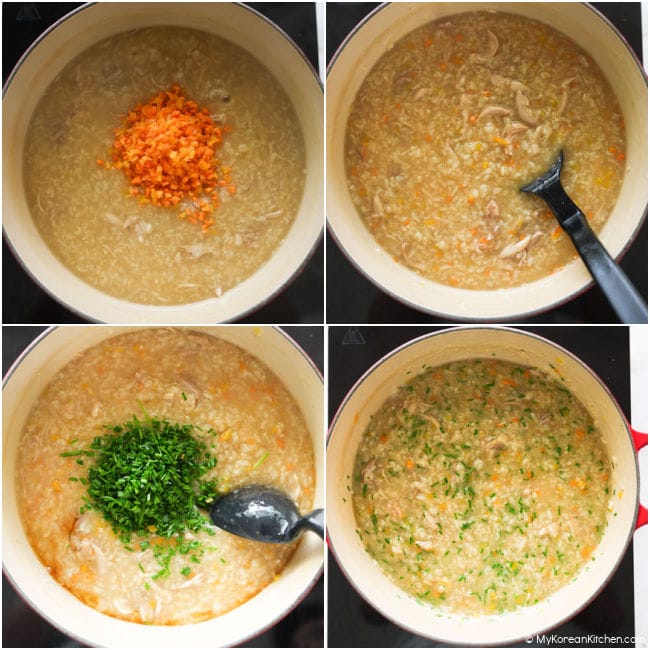
- Micronutrients: Significant amounts of Vitamin A and C, largely contributed by the inclusion of carrots and aromatic vegetables like radish and green onion.
This nutritional density makes it an ideal recovery food, providing sustained energy without the heavy saturated fats found in more indulgent dishes.
Implications for Modern Home Cooking
The rise of "slow food" movements globally has brought dishes like dakjuk back into the spotlight. In an era of high-stress lifestyles, the act of standing over a pot, stirring the rice as it slowly transforms, acts as a form of meditative practice. The implications for the modern home cook are clear: dakjuk is an accessible entry point into Korean home cooking that requires minimal equipment but rewards patience and attention to detail.
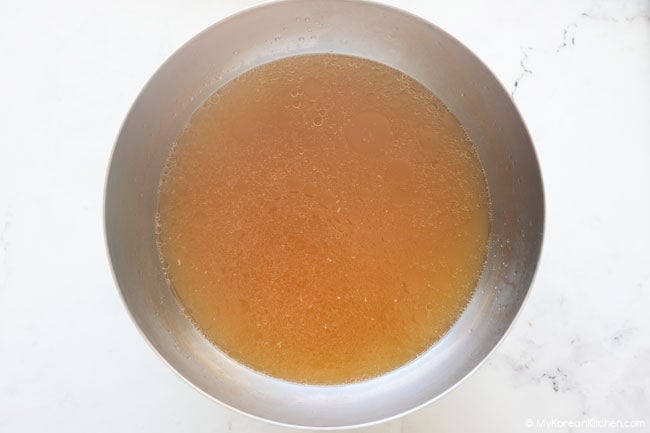
Furthermore, its versatility cannot be overstated. By reserving a portion of the stock, the cook can easily adjust the consistency of leftovers, ensuring the dish remains as palatable on the second day as it was on the first. This practical aspect makes it a favorite for meal-prepping households.
Expert Perspective: The Role of Accompaniments
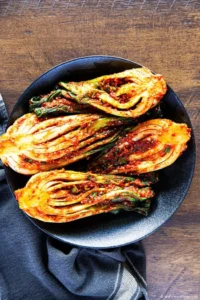
No analysis of dakjuk is complete without mentioning its traditional pairings. In Korea, the porridge is rarely eaten in isolation. It is almost always served alongside baechu-geotjeori (fresh kimchi salad) or dongchimi (radish water kimchi).
The acidity and crunch of these fermented vegetables provide a necessary contrast to the warm, smooth, and savory profile of the porridge. This pairing is not merely a matter of taste; the probiotics in the kimchi aid in the digestion of the rice, reinforcing the health-conscious nature of the meal.
Conclusion: A Timeless Staple
Dakjuk stands as a testament to the idea that the most nourishing foods are often the simplest. By marrying the humble grain of rice with the foundational depth of a chicken stock, it provides a restorative experience that transcends borders. As more people seek out "comfort foods" that offer genuine nutritional value, the appreciation for this Korean classic is likely to continue its steady growth, cementing its place in the global culinary consciousness as the ultimate bowl of warmth.
Whether you are a novice cook looking to master a new technique or a seasoned pro seeking a reliable, heart-warming recipe, dakjuk offers a perfect balance of science, culture, and flavor—a dish that truly feeds the soul.
 Raul Delapena Setiawan
  Asep Darmawan
  Pevita Pearce
