
 By Raul Delapena Setiawan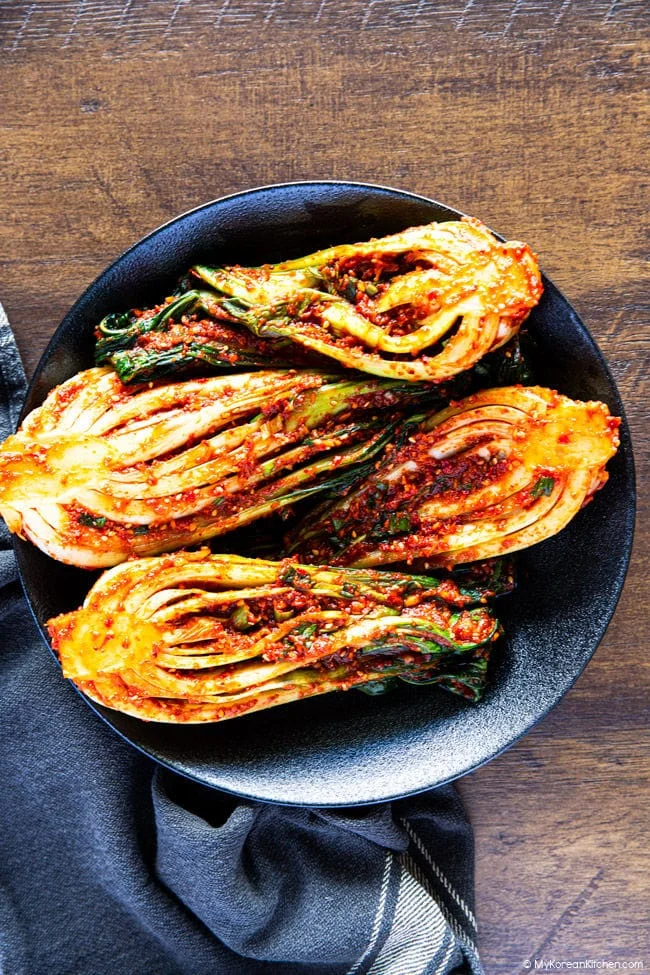
For decades, the global perception of kimchi has been inextricably linked to the iconic, ruby-red, fermented napa cabbage. It is the gold standard of Korean side dishes, appearing on dinner tables from Seoul to New York. However, in the kitchens of home cooks and culinary innovators, a quieter, fresher revolution is taking place. Bok choy—the elegant, jade-hued cousin of the brassica family—is stepping into the spotlight, offering a unique textural profile and a delicate flavor that demands its own place in the fermentation pantheon.
The Distinctive Profile of Bok Choy Kimchi
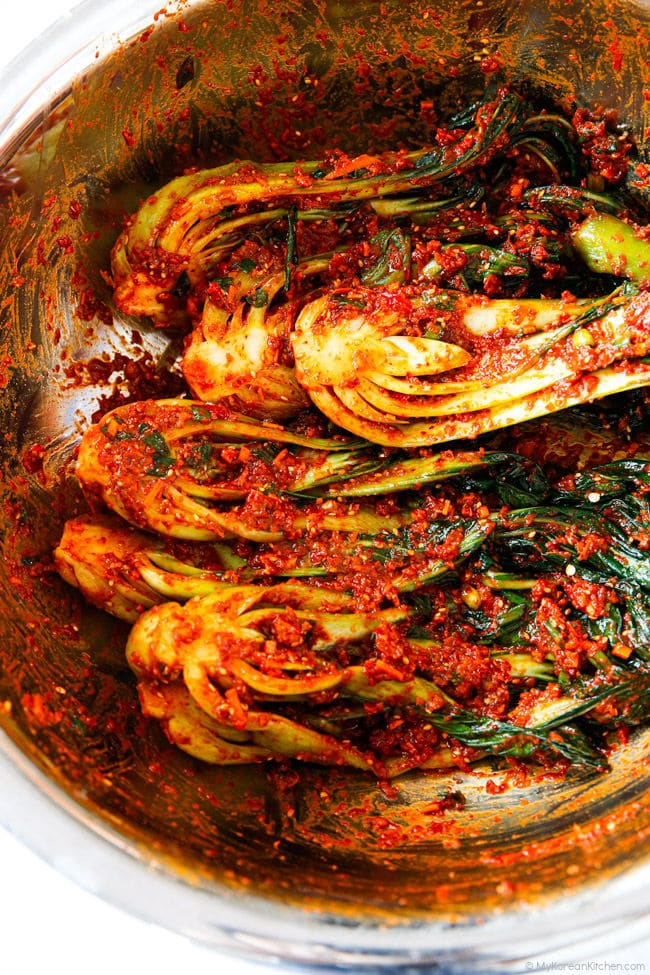
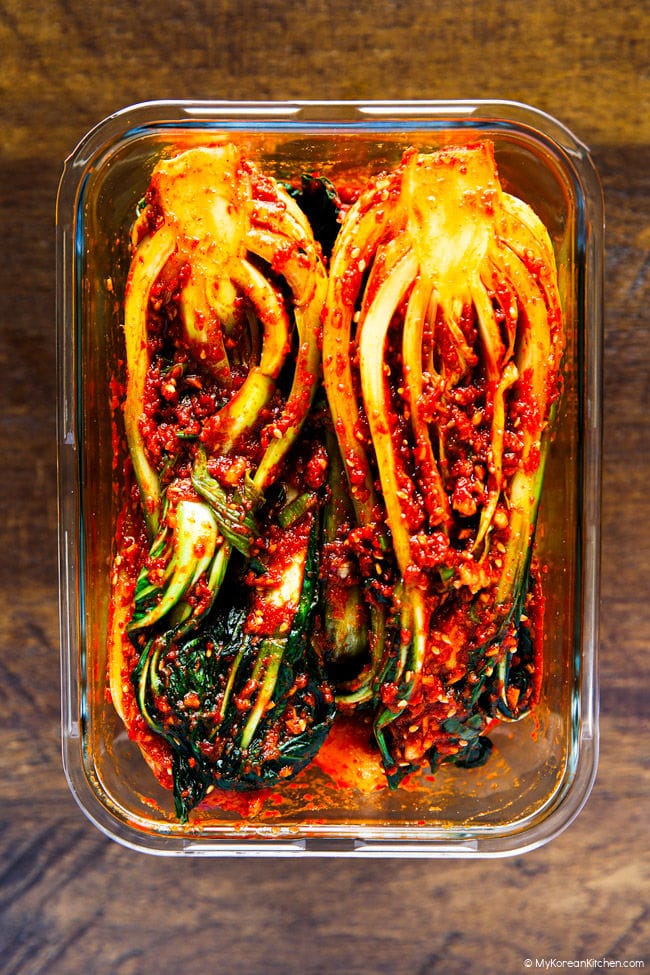
Bok choy kimchi is not merely a substitute for traditional recipes; it is a distinct culinary entity. While napa cabbage offers a soft, yielding texture after fermentation, bok choy brings a robust, clean crispness that evokes the snappy bite of celery. Its stalks are succulent, retaining a bright, vegetal sweetness that stands in stark contrast to the slightly earthy undertones of cabbage.
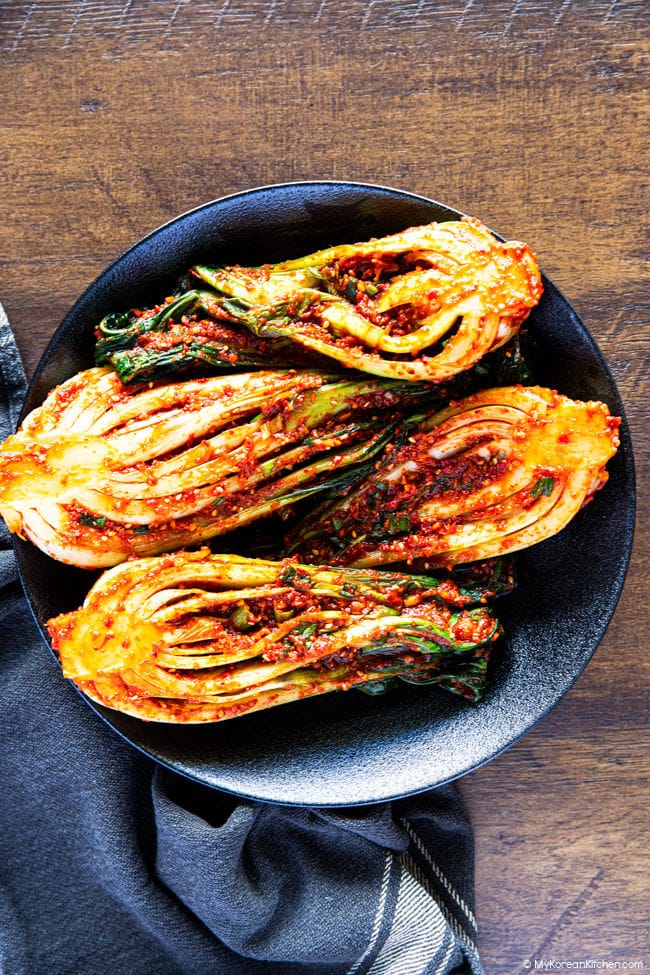
Culinary experts note that the garden-fresh quality of bok choy makes it an ideal candidate for "quick" or "young" kimchi (geotjeori). Because the leaves and stems are more delicate, they absorb the complex, umami-rich seasoning paste more rapidly than their heavier counterparts. For home gardeners and farmers market enthusiasts, this recipe provides an essential outlet for surplus harvests, transforming a staple vegetable into a vibrant, probiotic-rich condiment that can be ready to serve in as little as 24 hours.
A Chronology of Preparation: From Garden to Jar
The process of crafting bok choy kimchi is an exercise in precision and patience, following a structured methodology that respects the structural integrity of the vegetable.
Phase 1: Preparation and Sanitation
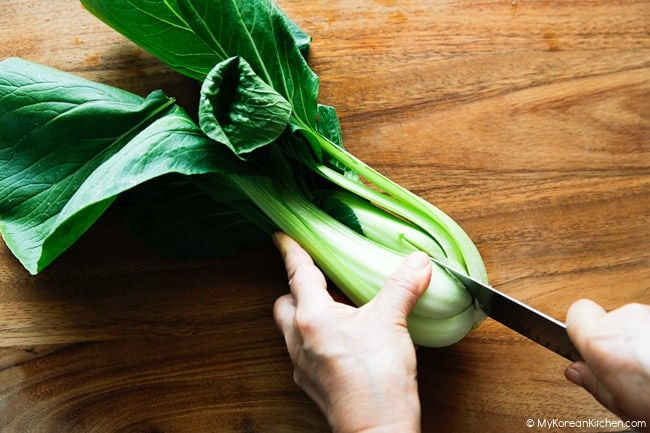
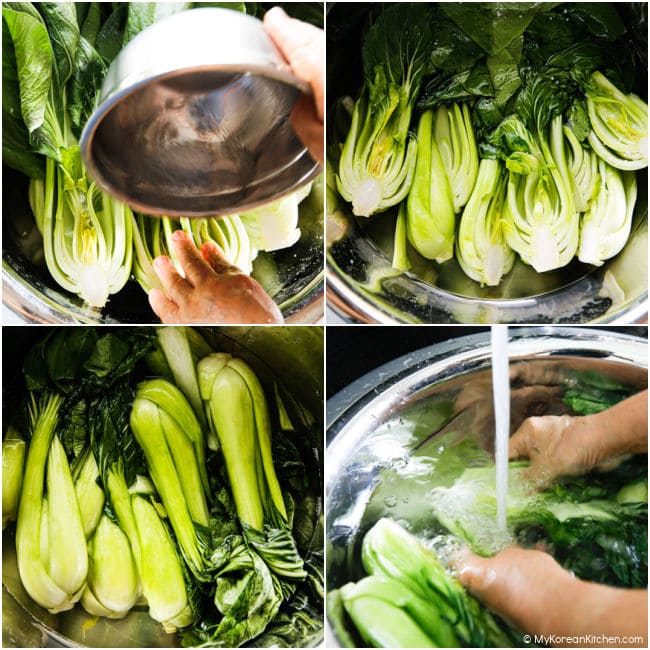
The process begins with careful selection. Small, tender bok choy heads are preferred. The root end is trimmed with a surgical thinness, just enough to ensure the leaves remain attached to the base. This "whole-head" approach is traditional; it preserves the aesthetic of the vegetable and allows the diner to slice it to their preferred size at the table. Thorough rinsing is non-negotiable; because of the plant’s growth habit, dirt frequently hides in the deep crevices of the stems.
Phase 2: The Art of Brining
Brining is the foundational step that dictates the success of the fermentation. A saline solution is used to draw out excess moisture, which prevents the final product from becoming soggy. Depending on the density of the stalks, the bok choy is soaked for 60 to 90 minutes. During this window, the cook must perform a manual rotation of the greens to ensure uniform salinity. Once the stems reach a state of flexibility—where they can bend without snapping—the rinsing phase commences to remove excess surface salt.
Phase 3: The Seasoning Matrix
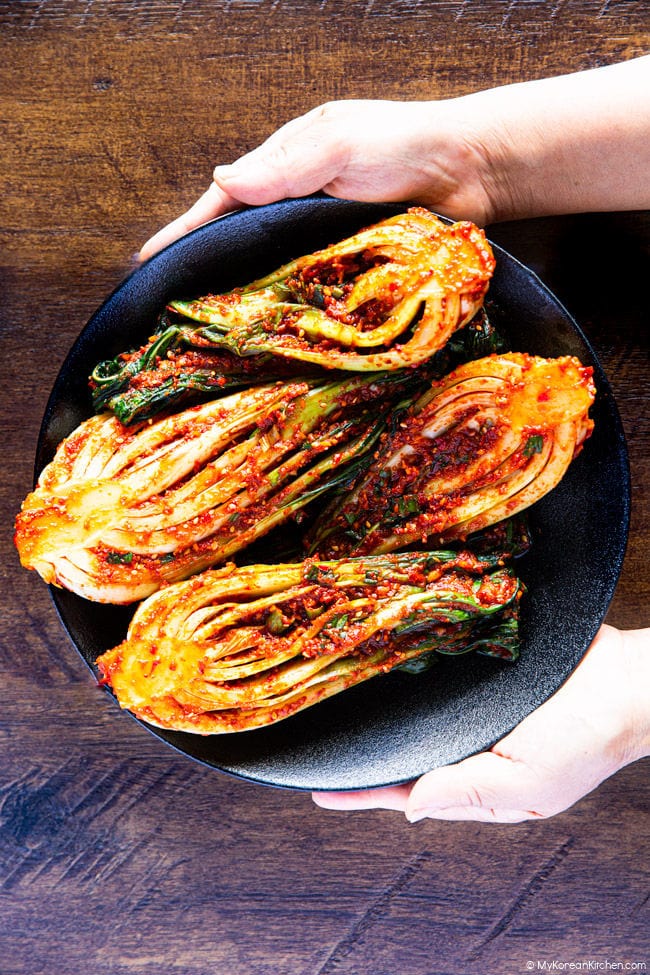
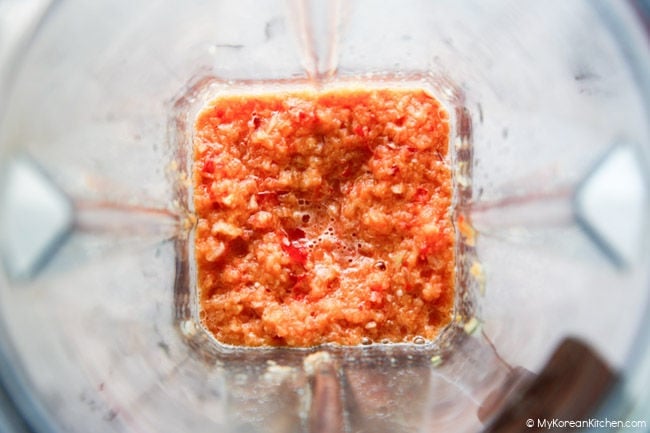
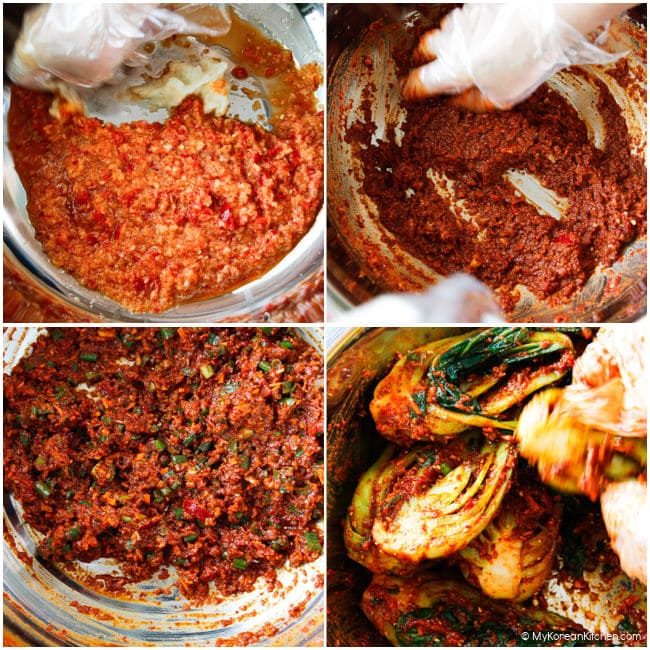
The complexity of the kimchi relies on the seasoning paste. This is where the culinary identity of the dish is formed. A blender is used to combine apple (for natural sweetness and enzyme activity), garlic, ginger, fermented salted shrimp (saeujeot), fish sauce, and plum syrup. This base provides the deep umami notes.
Crucially, a flour-based "porridge" is incorporated. By heating a mixture of flour and water until it reaches a thin, gelatinous consistency, the cook creates a binder that allows the spice paste to adhere to the slick surface of the bok choy. Finally, the Korean chili flakes (gochugaru), sugar, and aromatics like green onion, carrots, and optional red sweet pointed peppers are folded in.
Supporting Data: The Science of Spice and Texture
A common point of contention among enthusiasts is the heat level. Traditionalists argue for the high-octane spice of pure gochugaru, which provides both the characteristic heat and the signature vibrant, deep red hue. However, nutritional and culinary data suggest that modifications can yield a more accessible profile without sacrificing the dish’s identity.
For those sensitive to heat, the substitution of a portion of gochugaru with mild paprika powder is a viable alternative. While the paprika lacks the complex fermentation-friendly properties of gochugaru, it allows for a vibrant color and a milder, family-friendly palate. Testing has shown that the addition of thinly sliced red sweet pointed pepper compensates for the loss of texture that occurs when reducing the volume of the coarser chili flakes.
Nutritional Profile
Beyond its flavor, bok choy kimchi is a nutritional powerhouse. Per serving, it offers:
- Fiber: A high fiber content (approx. 24g per batch) aids digestion.
- Micronutrients: It is exceptionally rich in Vitamin C (415mg) and Vitamin A, essential for immune function.
- Probiotics: As a fermented food, it supports gut microbiome health, a cornerstone of modern dietary recommendations.
Official Perspectives and Culinary Recommendations
Professional chefs and traditional Korean cooking advocates emphasize that this style of kimchi is best consumed "young." Unlike napa cabbage, which can be aged for months to develop deep, sour flavors, bok choy reaches its peak maturity within three to five days.
"The goal is to maintain that fresh, crisp bite," notes a leading culinary consultant. "If you allow it to ferment for too long, the delicate cell structure of the bok choy will break down, resulting in a loss of the very texture that makes this dish special."
For optimal storage, a 1.8-liter (approx. 2-quart) airtight container is recommended. This size allows for the necessary headspace during the active fermentation phase while ensuring the vegetables remain submerged in their own juices—a critical factor in preventing surface spoilage.
The Broader Implications for Global Palates
The rise of bok choy kimchi reflects a broader trend in global gastronomy: the hybridization of traditional techniques with accessible, local ingredients. As kimchi continues to integrate into non-Korean diets, the ability to adapt the recipe—using readily available produce like bok choy—ensures the longevity of the fermentation practice.
This dish pairs exceptionally well with heavy, fatty proteins. Its crisp, acidic, and slightly spicy profile cuts through the richness of grilled pork belly (samgyeopsal) or boiled pork wraps (bossam). By balancing the fat of the meat with the sharp, fermented brightness of the bok choy, the dish provides a sensory contrast that elevates the entire dining experience.
As we look to the future of home-fermented goods, the adoption of bok choy signals a move toward versatility. It invites the home cook to experiment, to respect the history of the method while embracing the flexibility of the ingredients at hand. Whether you are a seasoned fermenter or a curious newcomer, this recipe serves as a reminder that the essence of kimchi is not found in a single, rigid rulebook, but in the vibrant, living process of transforming humble greens into something extraordinary.
In conclusion, for those looking to broaden their culinary repertoire, the jump from cabbage to bok choy is not just a change in vegetable—it is a change in perspective, inviting a lighter, crunchier, and deeply satisfying experience to the table.


 Asep Darmawan
  Nana Wu
  Pevita Pearce
