 By Raul Delapena Setiawan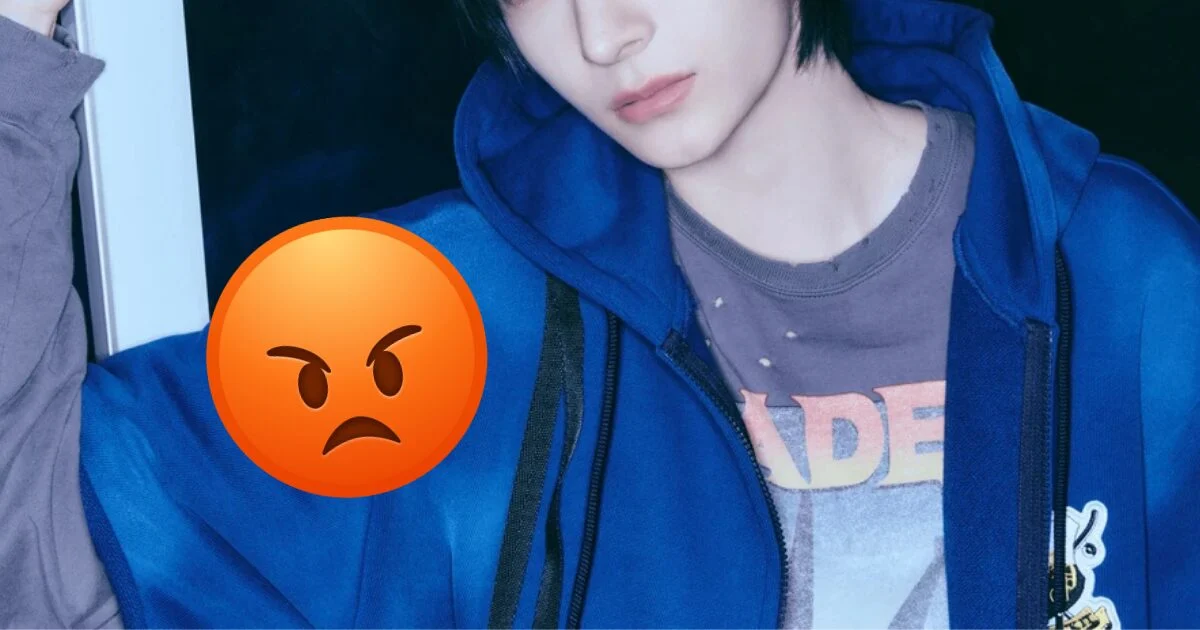
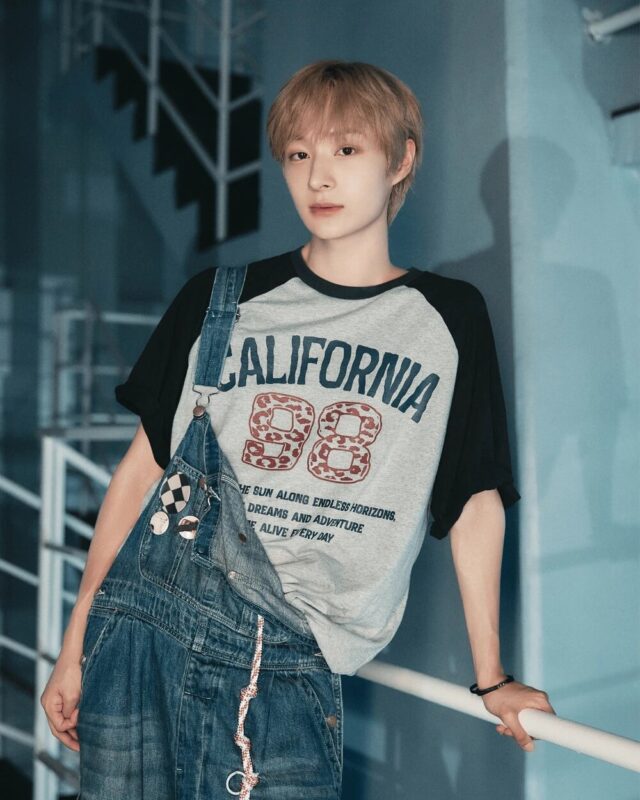
Donghwa, a prominent member of the JYP Entertainment boy group KickFlip, has officially addressed a wave of public criticism following the circulation of a video showing him operating a motorized scooter on public streets. The incident, which surfaced during a critical period of preparation for the group’s upcoming musical release, has ignited a polarized debate within the K-pop community regarding idol safety, personal autonomy, and the stringent expectations placed on performers during high-stakes promotional cycles. The controversy began on September 19, 2026, when a video captured by a bystander began circulating across social media platforms, showing Donghwa riding a scooter with a passenger, identified by fans as his fellow group mate Juwang. While the footage depicted both individuals wearing safety helmets and appearing to adhere to local traffic regulations, the mere act of operating a two-wheeled vehicle triggered a significant backlash from segments of the group’s fandom, known as WeFlip, who expressed profound concern over the potential for injury.
The scrutiny intensified when subsequent footage showed Donghwa and Juwang walking on a sidewalk in the same attire, confirming their identities and suggesting the ride was a personal leisure activity. In the hyper-competitive landscape of the South Korean music industry, where a single physical injury can derail a multi-million dollar comeback campaign involving music videos, choreography-heavy performances, and international tours, the sight of a lead performer engaging in what some perceive as high-risk behavior is often met with immediate trepidation. This incident serves as a latest case study in the complex relationship between K-pop idols and their supporters, highlighting the thin line between genuine concern and the perceived over-regulation of an artist’s private life.
Chronology of the Incident and Online Escalation
The timeline of the controversy was swift, moving from a viral social media post to a formal apology within less than 24 hours. On the evening of September 19, 2026, a netizen uploaded a short clip to X (formerly Twitter) showing Donghwa navigating a scooter through nighttime traffic. The video quickly gained traction, amassing hundreds of thousands of views as fans and critics alike dissected the footage. By the morning of September 20, the discourse had fractured into two primary camps. One side argued that Donghwa was acting recklessly by risking his physical health so close to KickFlip’s scheduled comeback, while the other side defended the idol, pointing out that he is a legal adult who was following all safety protocols, including the use of protective headgear.
The debate became increasingly heated as fans exchanged barbs over the "appropriateness" of the ride. Those critical of Donghwa cited the historical precedent of K-pop idols suffering accidents on scooters or motorcycles, which have led to long-term hiatuses or the permanent cancellation of group activities. Conversely, defenders of the artist argued that the criticism was an overreach of fan influence, with one supporter stating that the idol is "licensed to ride" and that the fandom’s reaction was "too deep" for a legal and safe activity. As the "anti-ride" sentiment grew louder on community forums, the pressure mounted on Donghwa and JYP Entertainment to provide a statement.
The Formal Apology and Vow of Abstinence
On the afternoon of September 20, 2026, Donghwa chose to address the situation directly via Bubble, a popular fan-to-artist communication platform. His messages were somber and reflective, indicating that he had spent time reading the feedback from the WeFlip community. In his statement, Donghwa admitted to underestimating the weight of his actions and the level of anxiety they would cause his supporters. He clarified that while he possessed a legal license to operate the vehicle, he recognized that his safety was not solely his own concern but also a matter of importance to his fans and his group.
"I think I took the situation too lightly yesterday," Donghwa wrote in his apology. "After taking some time and reading through what WeFlip had to say, I’ve been thinking a lot. I’m sorry that I didn’t think things through more carefully from the beginning." He went on to make a significant concession to his critics, promising that he would no longer operate scooters in the future. "I also realized that WeFlip was much more worried about me riding a scooter than I had thought. I understand that fully now. From now on, I won’t ride scooters anymore. I promise." This vow was seen by many as an attempt to de-escalate the tension and refocus the public’s attention on the group’s upcoming artistic work.
Analyzing the Safety Standards in the K-pop Industry
The backlash against Donghwa is rooted in a broader industry context where physical safety is prioritized above almost all other personal interests. In South Korea, motorized scooters and motorcycles are statistically associated with higher accident rates compared to four-wheeled vehicles. For a K-pop idol, whose career is fundamentally dependent on their ability to perform complex, athletic choreography, the risk of a limb injury or road rash is viewed as a threat to their livelihood.
Furthermore, JYP Entertainment has historically maintained a reputation for strict artist management and a "clean" public image. While the company has not issued a separate corporate statement regarding the scooter incident, the speed and tone of Donghwa’s apology suggest a coordinated effort to protect the group’s brand equity. During a "comeback season," the financial stakes are at their peak. Costs associated with venue bookings, television appearances, and marketing collateral are often non-refundable. An injury to a member like Donghwa could necessitate the re-filming of content or the re-blocking of choreography, costs that companies are desperate to avoid.
Data on Public Perception and Idol Autonomy
The reaction to Donghwa’s apology revealed a secondary layer of controversy: the "counter-backlash" from fans who were angered that the idol felt compelled to apologize for a legal activity. Data gathered from social media engagement metrics following the apology showed a significant spike in posts using hashtags related to "Idol Rights" and "Let Them Live." Many international fans, in particular, expressed frustration with what they perceived as the "infantilization" of a 20-year-old man.
Sociological experts who study K-pop fandoms suggest that this friction arises from the "parasocial" nature of the relationship. Fans often feel a sense of "ownership" or "guardianship" over idols, believing that their financial and emotional investment grants them a say in the artist’s personal safety choices. This incident highlights a growing divide between traditional idol management expectations and a modern movement toward granting artists more personal freedom. The anger directed at the "fragile egos" of certain fans indicates a shift in the fandom landscape, where a vocal segment of supporters is now pushing back against the culture of constant apologies.
Legal and Regulatory Context in South Korea
From a legal standpoint, Donghwa’s actions appear to have been entirely within the bounds of South Korean law. As of 2026, South Korea maintains strict regulations for personal mobility devices and motorized scooters. Operators must be at least 16 years old, possess a valid "Class 2" motorized bicycle license, and wear a certified safety helmet. Failure to comply with these rules results in significant fines. Donghwa’s confirmation that he is licensed and the visual evidence of his helmet use suggest that he was a law-abiding road user.
However, in the court of public opinion, legal compliance is often secondary to "moral" or "professional" compliance. The "safety-first" culture in Korea often views scooter riding—especially at night—as inherently "thoughtless" for someone in a high-profile position. This cultural nuance explains why an apology was deemed necessary despite the lack of any legal wrongdoing.
Broader Implications for KickFlip and JYP Entertainment
As KickFlip prepares for its upcoming comeback, the "scooter scandal" serves as a reminder of the intense scrutiny facing fourth and fifth-generation K-pop groups. The incident has the potential to overshadow the group’s musical achievements if not handled carefully. By issuing a definitive promise to stop riding, Donghwa has effectively closed the door on this specific criticism, but he has also set a precedent for how the group might handle future personal choice controversies.
The incident also raises questions about the "authenticity" of idols. As one fan pointed out on X, the constant pressure to apologize for mundane activities may lead to idols becoming less authentic and more guarded in their public and private lives. "Don’t ask why idols are never authentic," the fan warned, suggesting that the harsh reactions to Donghwa’s ride discourage other artists from sharing their hobbies or personal lives with the public.
Moving forward, the industry may see a continued struggle between the traditional "safety-and-image" model of management and the evolving demands for artist autonomy. For now, Donghwa remains focused on his professional obligations. In his closing remarks on Bubble, he emphasized his commitment to the group’s success: "Since I know WeFlip is looking forward to and supporting this comeback, I’ll also work as hard as I can during the remaining time to prepare and show you my best side." As the comeback date approaches, both the agency and the fandom will likely look to move past this event, though the debate over the "apology culture" in K-pop is far from over.

