
 By Suro Senen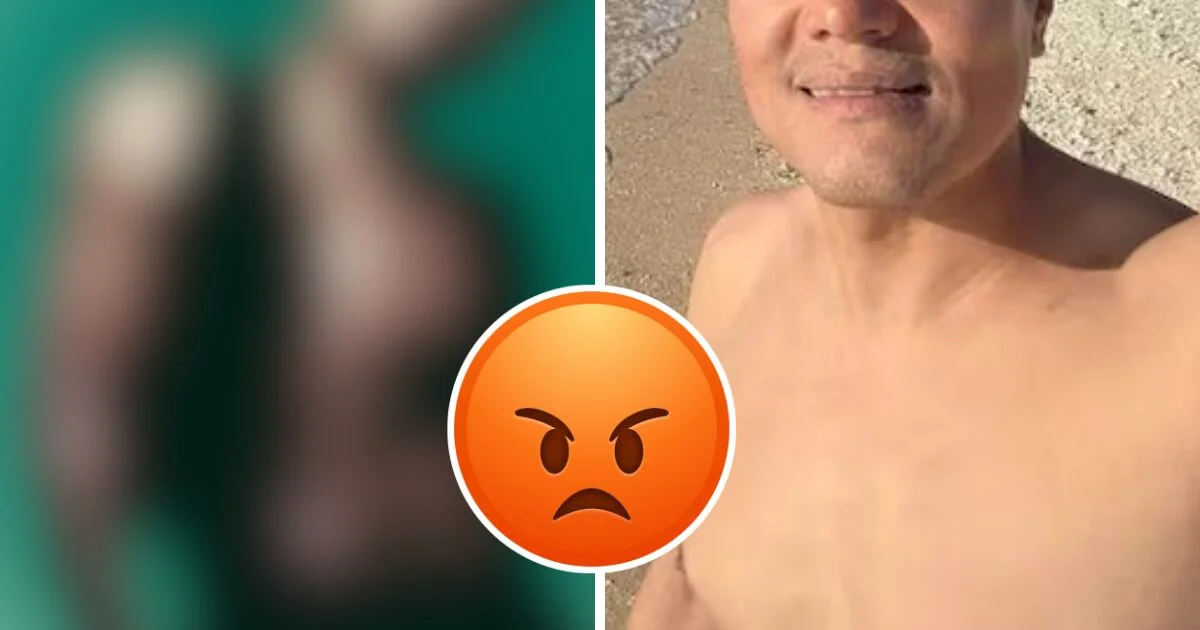
Park Jin Young, the 53-year-old founder and visionary behind JYP Entertainment, has ignited a significant social media discourse following the release of a series of provocative, shirtless teaser images for his upcoming digital single. Scheduled for release on July 23 at 6 PM KST, the new project marks another chapter in the storied and often polarizing career of the man professionally known as J.Y. Park (JYP). While the veteran performer is no stranger to pushing the boundaries of K-pop aesthetics, the latest promotional campaign has surfaced a complex blend of admiration for his physical longevity and sharp criticism regarding his role as a corporate leader versus an active entertainer.
The Digital Single Announcement and Visual Concept
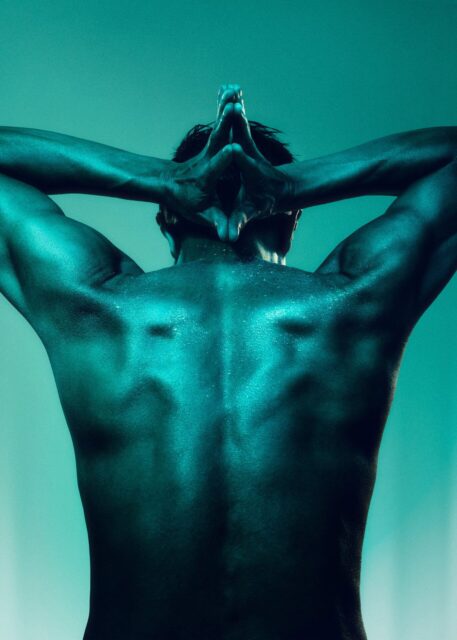
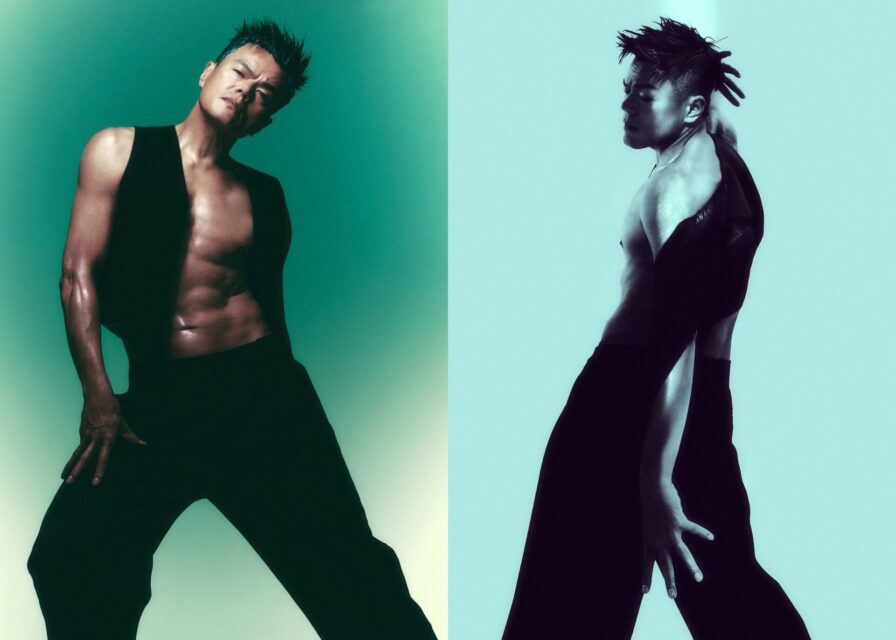
On July 21, 2024, JYP Entertainment’s official social media channels unveiled a set of concept photos and a video teaser for Park Jin Young’s mid-summer comeback. The images depict Park in a high-gloss, "wet-look" aesthetic, showcasing a lean and muscular physique that defies the typical expectations for a performer in his mid-fifties. The promotional rollout includes not only the digital single but also a specialized fan album version, which is currently available for pre-order through the "Fans" app—a proprietary platform designed to facilitate direct communication between JYP artists and their global followers.
The visual direction of the teasers leans heavily into the "summer heat" trope, utilizing high-contrast lighting and minimalist wardrobe choices to emphasize Park’s physical fitness. In the industry, such "thirst trap" marketing is standard for younger idols in their twenties; however, its application to a founder and chairman of a multi-billion dollar corporation has elicited a wide spectrum of public responses.

Chronology of J.Y. Park’s Recent Artistic Endeavors
To understand the context of this latest release, it is necessary to examine Park’s consistent activity as a recording artist. Unlike many of his contemporaries who transitioned fully into executive roles—such as HYBE’s Bang Si-hyuk or SM Entertainment’s founder Lee Soo-man—Park has maintained a dual identity as a "Singer-CEO."
- August 2020: Released "When We Disco," a duet with Sunmi that capitalized on the retro-synthwave trend, proving his continued viability on digital charts.
- November 2022: Launched the "Groove Back" challenge, which went viral globally and culminated in a performance-heavy single release.
- Late 2023: Continued his "80s-inspired" musical exploration with "Changed Man," featuring Kim Wan-sun, often referred to as the "Korean Madonna."
- July 2024: The current digital single release, positioned as a high-energy summer anthem.
This timeline demonstrates that the shirtless teasers are not an isolated stunt but part of a calculated, ongoing effort to remain a relevant face in the music industry he helped build.
Analysis of Public Sentiment and Social Media Reaction
The reaction to the shirtless photos was instantaneous, with the images amassing millions of views across X (formerly Twitter), Instagram, and various Korean community forums like TheQoo and Pann. The sentiment can be categorized into three distinct pillars: admiration for discipline, comedic critique, and corporate dissatisfaction.
Admiration for Physical Longevity
A segment of the audience has come to Park’s defense, highlighting the immense discipline required to maintain such a physique at age 53. Observers noted that Park has long been an advocate for a strict organic diet and a rigorous daily exercise routine, which he often documents in television appearances. Supporters argue that his confidence is inspirational, suggesting that the "ageist" comments directed at him reflect a narrow view of what a veteran artist should be allowed to do. "To be 54 and look this good is not an easy thing," one viral post noted, emphasizing that the body shown in the photos is the result of decades of consistent training.

Comedic and "Cringe" Critique
Conversely, a large portion of the K-pop fandom, particularly the younger demographic, responded with humor and varying degrees of discomfort. The phrase "You’re almost a grandpa" became a recurring theme in the comments sections, with some users questioning the "provocative" nature of the shots. Terms like "dry" were used ironically to counter the "wet" aesthetic of the photos, indicating a lack of the intended "thirst" reaction from the general public. This reaction is consistent with Park’s long-standing reputation for "cringe-inducing" marketing, a persona he has leaned into over the years to stay in the public eye.
Corporate and Management Backlash
The most substantive criticism, however, was not aimed at Park’s appearance but at his professional priorities. Many fans of JYP Entertainment’s flagship groups—such as TWICE, Stray Kids, ITZY, and NMIXX—expressed frustration that the company’s founder was receiving high-budget solo promotions while his artists allegedly faced management hurdles.
Specific grievances included:
- Resource Allocation: Fans questioned whether the creative and financial resources used for Park’s solo comeback could be better spent on promoting younger acts who are currently in their peak commercial years.
- Marketing Strategy: Some netizens pointed to the "Fans" app pre-order system for a digital single as an unnecessary monetization of a veteran artist’s project.
- Artist Treatment: Fans of TWICE, in particular, voiced concerns about the group’s future activities and promotional quality, with some jokingly (or pointedly) suggesting that the founder’s "narcissistic" tendencies were overshadowing the label’s collective success.
Market Performance and Corporate Context
The controversy arrives at a sensitive time for JYP Entertainment. In early 2024, the company’s stock experienced significant volatility. While Stray Kids recently achieved a historic milestone by headlining major international festivals and releasing their highly anticipated album ATE, market analysts have noted that the "Big 4" K-pop agencies are under pressure to diversify their revenue streams as the market stabilizes post-pandemic.

Critics on social media were quick to link the stock performance to Park’s solo activities. One widely shared comment suggested that Park "saw the stock plummeting" and felt the need to "spring into action" with a provocative concept to generate buzz. While there is no empirical evidence that a founder’s shirtless photos can stabilize a stock price, the perception that Park’s personal brand is inextricably tied to the company’s market identity remains a point of contention among investors and fans alike.
The Historical Precedent of J.Y. Park’s Provocations
To provide a factual basis for the current reaction, one must look back at Park’s history of "visual disruption." In 1994, he famously wore clear plastic pants during a performance of "Don’t Leave Me," a move that shocked the conservative South Korean society of the time. Throughout the early 2000s, he consistently adopted "sexy" concepts that were often considered ahead of their time or intentionally shocking.
From a sociological perspective, Park’s latest teasers are a continuation of this "disruptor" persona. By refusing to retire into a quiet executive role, he challenges the traditional Korean hierarchy where elders are expected to maintain a certain level of "dignity" or "gravity" (chemyon). His insistence on being a "sensual" artist at 53 is, in many ways, a rebellion against the aging norms of the entertainment industry.
Broader Implications for the K-pop Industry
The "JYP Shirtless Controversy" highlights a unique phenomenon in the South Korean music industry: the enduring influence of the "First Generation" founders. While the Western music industry has aging stars like Mick Jagger or Madonna who continue to perform into their 60s and 70s, the K-pop industry is uniquely built on a foundation of youth and "perfection."
Park’s active status serves as a litmus test for the industry’s ability to handle "legacy idols." If a founder cannot navigate the transition into an elder statesman of pop without being labeled "cringe," it raises questions about the future of current superstars like BTS or BLACKPINK as they enter their 40s and 50s.
Furthermore, the backlash highlights the evolving relationship between K-pop fans and corporate management. Modern fans are more "corporate-literate" than ever; they track stock prices, quarterly earnings reports, and organizational charts. In this environment, a CEO’s personal creative choices are no longer viewed in a vacuum but are analyzed as business decisions that affect the entire ecosystem of the label.
Conclusion and Outlook
As the July 23 release date approaches, the curiosity surrounding J.Y. Park’s new single remains high. Whether the song becomes a summer hit or merely a viral meme, the promotional campaign has already succeeded in its primary goal: ensuring that the name Park Jin Young remains at the center of the K-pop conversation.
The polarized response underscores a fundamental tension within JYP Entertainment. On one hand, the company benefits from a founder who understands the stage and the nuances of performance. On the other hand, the "Active Founder" model creates a unique set of PR challenges, where the individual’s artistic expression can be perceived as a distraction from the collective corporate mission.
Ultimately, the shirtless teasers are a testament to Park’s unwavering commitment to his identity as a performer. While some may see it as a "grandpa" overstepping, others see it as a masterclass in personal branding and physical discipline. Regardless of the digital single’s chart performance, the debate it has sparked regarding age, management, and the boundaries of the K-pop idol system will likely resonate long after the summer season ends.

