
 By Ammar Sabilarrohman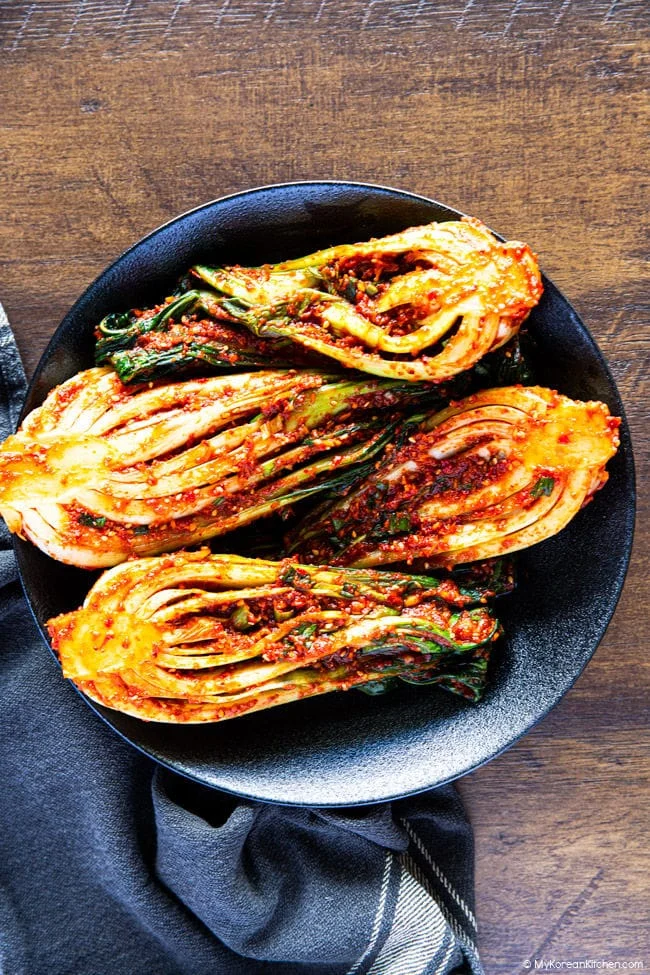
For many culinary enthusiasts, the word "kimchi" immediately conjures images of the traditional, long-fermented napa cabbage (baechu-kimchi). While the classic preparation is a cornerstone of Korean cuisine, the world of kimchi is vast, diverse, and deeply seasonal. Among the most refreshing and under-appreciated variations is bok choy kimchi. Far from being a mere substitute for its napa cabbage counterpart, bok choy kimchi stands as a unique culinary entity, defined by its crisp texture, clean green flavor profile, and its ability to turn a garden harvest into a sophisticated, probiotic-rich side dish.
The Evolution of the Kimchi Pantry
Traditionally, kimchi was a survival mechanism—a way to preserve the bounty of the autumn harvest through the harsh, desolate winter months. Over centuries, the craft evolved from simple salted vegetables into a complex culinary art form. While napa cabbage remains the most ubiquitous base, Korean households have long utilized whatever fresh, leafy greens were available.
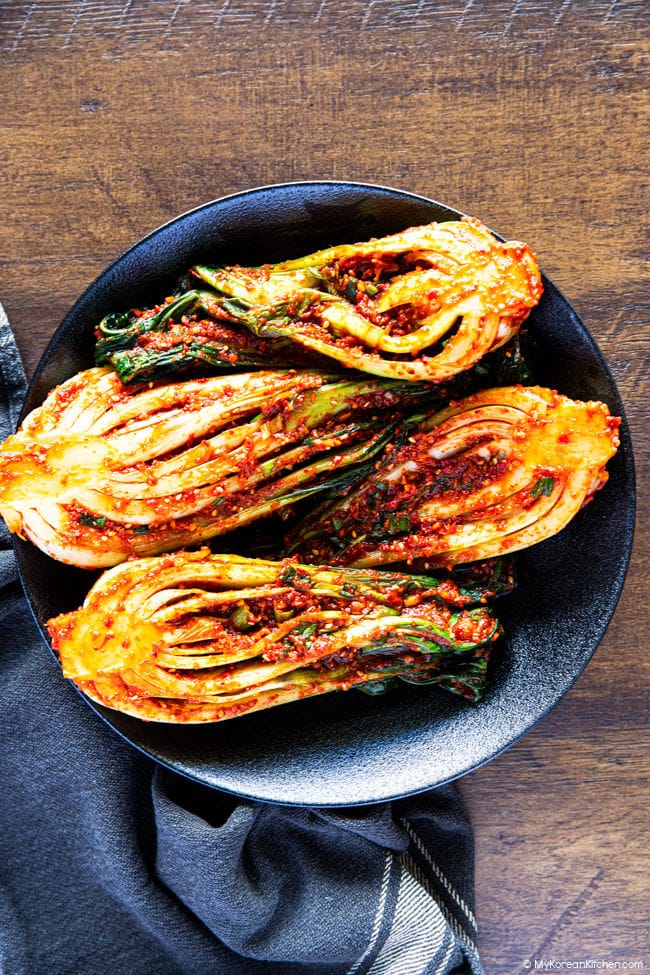
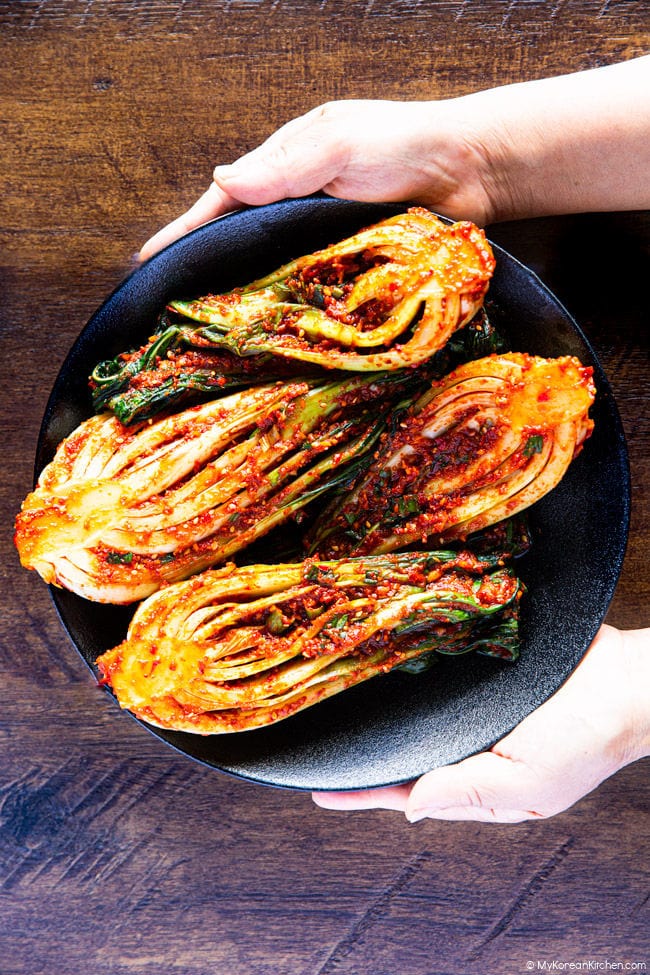
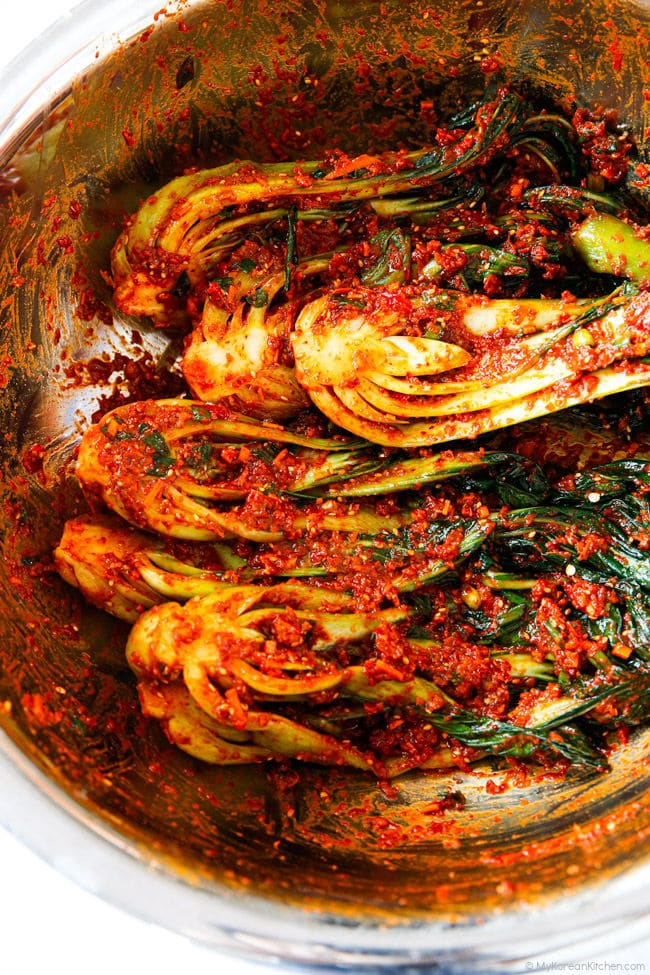
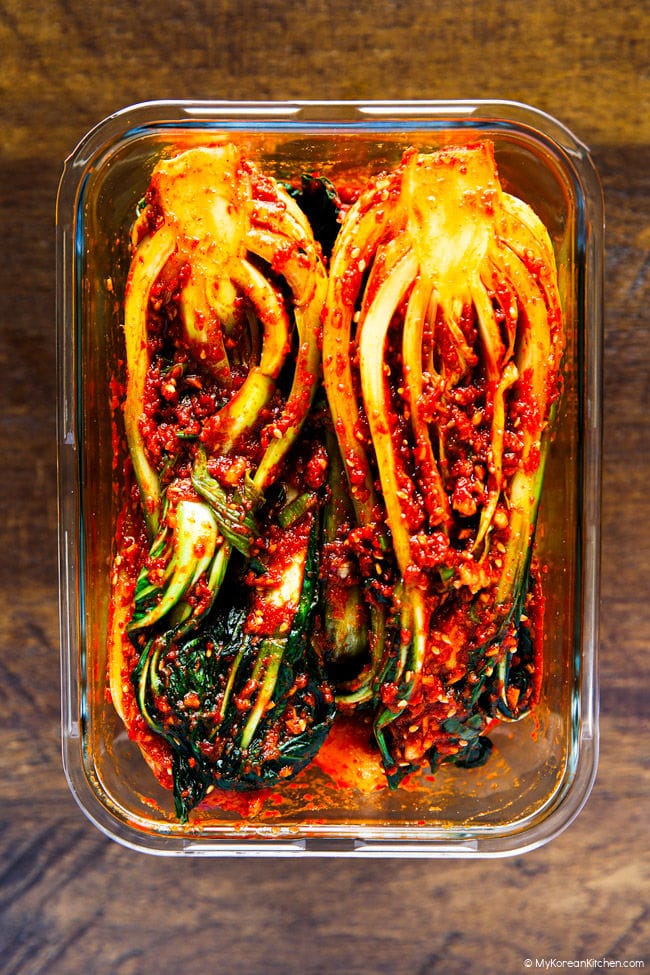
Bok choy, with its succulent, juicy stems and delicate, frilly leaves, offers a distinct experience. Unlike the fibrous nature of mature napa cabbage, bok choy provides a clean, crisp bite that some aficionados compare to celery. When treated with the traditional kimchi seasoning—a blend of aromatic aromatics, pungent fish sauce, and the essential heat of gochugaru (Korean chili flakes)—the vegetable undergoes a transformation. It retains its structural integrity while absorbing the complex, umami-forward flavors of the spice paste, resulting in a side dish that is bright, vibrant, and uniquely textural.
The Anatomy of the Process: A Step-by-Step Chronology
Creating authentic bok choy kimchi requires precision and an understanding of the vegetable’s physical properties. The process, while straightforward, is a delicate balance of timing and technique.
1. Preparation and Sanitation
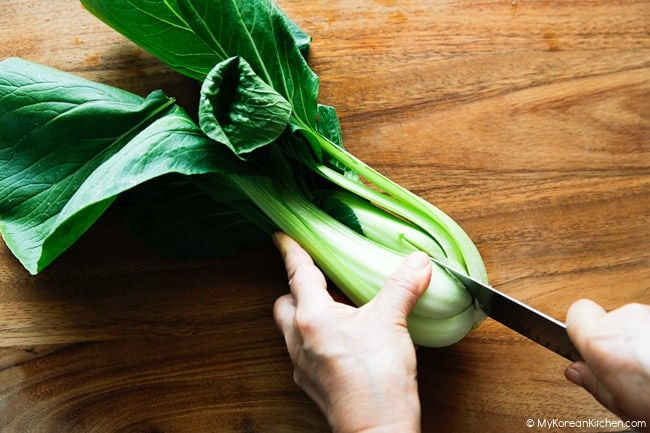
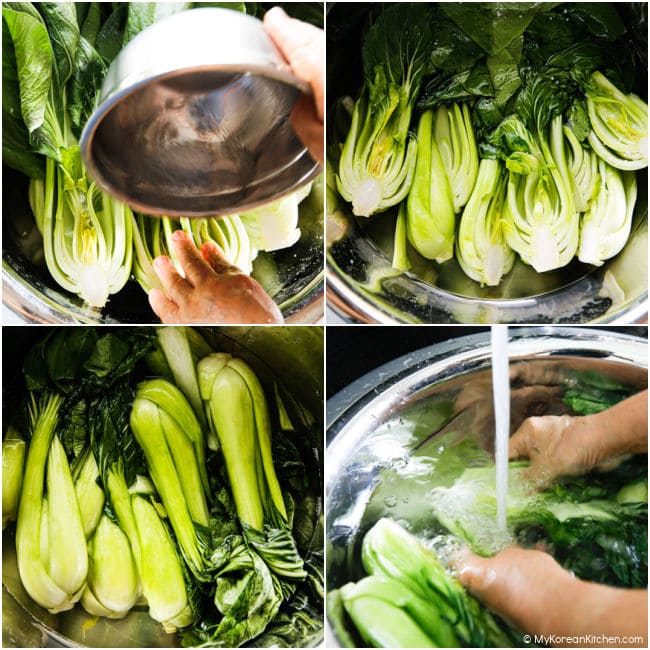
The process begins with the careful selection and cleaning of the bok choy. Unlike napa cabbage, which is often quartered, bok choy is typically trimmed at the root end—just enough to keep the leaves attached—and halved lengthwise. This is a critical step; keeping the base intact ensures the leaves do not fall apart during the brining and seasoning process. Thorough rinsing is mandatory, as soil often hides in the deep, tight crevices of the base.
2. The Science of Brining
The brining stage is where the magic of fermentation begins. By soaking the bok choy in a salt-water solution, the chef draws out excess moisture, effectively "softening" the vegetable while preparing it to absorb the seasoning. The duration of this step is variable: thicker, mature stems may require up to 90 minutes of brining, while smaller, younger specimens can be ready in 60. Periodic turning is required to ensure consistent salinity throughout the bunch. Once properly softened, a final, light rinse removes excess surface salt, leaving the vegetable primed for flavor absorption.
3. The Flavor Foundation: Seasoning and Paste
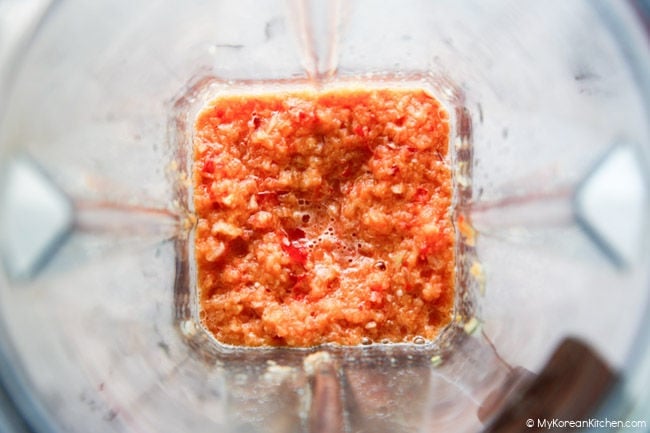
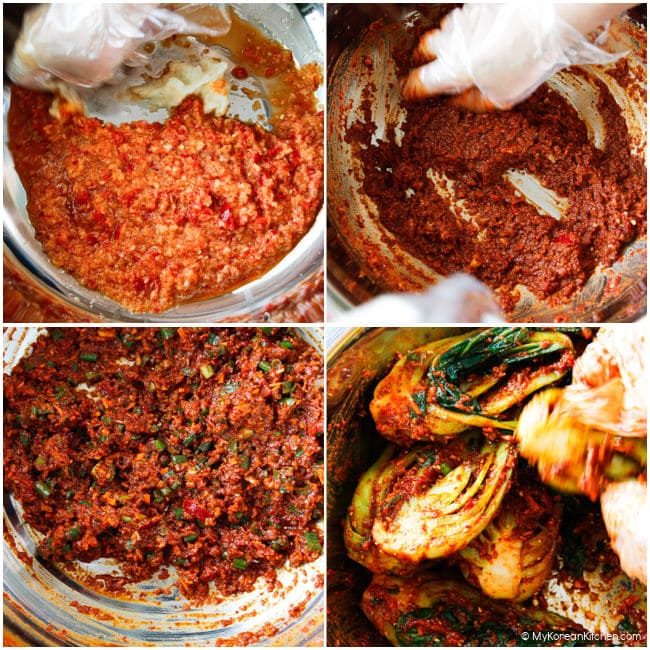
The seasoning paste acts as the soul of the kimchi. It is a harmonious blend of sweet, spicy, and savory elements. A traditional mixture includes blended apple (for natural sweetness and enzymes that aid fermentation), garlic, ginger, salted shrimp (saeujeot), and fish sauce.
A unique component in this recipe is the flour paste, a "porridge" created by whisking flour and water together and heating it until it reaches a thickened, gelatinous consistency. This paste serves as a binder, helping the spicy seasoning cling to the smooth leaves of the bok choy. When mixed with high-quality gochugaru, sugar, and sesame seeds, the resulting paste is a thick, vibrant red coating that defines the kimchi’s character.
Supporting Data: Nutrition and Fermentation Profiles
Beyond its culinary appeal, bok choy kimchi is a nutritional powerhouse. According to standard dietary estimates for this preparation, a serving offers a significant dose of vitamins A and C, alongside essential minerals like calcium and iron.
Nutritional Snapshot (Per Serving Estimate):
- Calories: 457 kcal (based on the full recipe batch)
- Fiber: 24g
- Protein: 22g
- Sugar: 45g
- Vitamin C: 415mg
The fermentation process further enhances these benefits, introducing beneficial probiotics that support gut health. The high fiber content, combined with the low-fat, nutrient-dense profile of the bok choy, makes this an ideal addition to a balanced, health-conscious diet. It should be noted that the high sodium content is a function of the necessary preservation method, though much of the salt is washed away during the final rinsing stage.
Professional Perspectives on Ingredient Selection
The debate over the "perfect" kimchi flavor often centers on the choice of chili. While some modern iterations use paprika to achieve a milder profile, culinary experts argue that gochugaru is indispensable for the authentic experience.
"While paprika can mimic the color, it lacks the specific fruity, smoky depth of Korean chili flakes," notes culinary researchers. For those who find standard kimchi too intense, the professional recommendation is a hybrid approach: using a blend of 2 tablespoons of gochugaru and 3 to 4 tablespoons of sweet, non-smoked paprika. This method preserves the vibrant, deep red aesthetic of the dish while tempering the heat, allowing the fresh, vegetal notes of the bok choy to take center stage.
Furthermore, the addition of red sweet pointed pepper provides an ingenious solution for those using the milder paprika-based recipe. Because paprika is a fine powder, it can sometimes lack the "body" that coarse gochugaru provides. Chopped red sweet pepper adds necessary texture and visual appeal, ensuring the seasoning remains balanced and visually enticing.
Implications: The Future of Home-Fermentation
The growing popularity of bok choy kimchi signals a broader trend in home cooking: the desire for faster, fresher, and more diverse fermentation projects. Unlike napa cabbage kimchi, which can take weeks to reach its peak flavor, bok choy kimchi is designed to be consumed relatively young—typically within 3 to 5 days.
Culinary Pairings
The implication for the modern table is clear: this is a versatile side dish that pairs exceptionally well with rich, fatty proteins. It is widely served alongside samgyeopsal (grilled pork belly) or bossam (boiled pork wraps). The acidity and crispness of the bok choy cut through the richness of the meat, providing a necessary palate cleanser that elevates the entire dining experience.
Storage and Longevity
Because of the delicate nature of the leaves, this variety of kimchi does not have the same long-term shelf life as traditional, hardier versions. It is recommended to store it in a 1.8-liter airtight container, leaving enough headspace for the initial CO2 release during the first 24 hours of fermentation. Once it reaches the desired level of tanginess, refrigeration is vital to stabilize the flavor.
Conclusion: A Seasonal Staple
Bok choy kimchi is a testament to the versatility of the Korean pantry. It challenges the notion that kimchi must be a monolithic, static dish. By embracing the specific characteristics of bok choy—its juiciness, its crunch, and its ability to capture the essence of a season—home cooks can create a vibrant, healthy, and deeply flavorful addition to their meals. Whether you are a seasoned fermenter or a novice looking to explore the world of probiotic-rich foods, this recipe offers a perfect entry point into the dynamic and ever-evolving tradition of homemade kimchi.


 Raul Delapena Setiawan
  Asep Darmawan
  Nana Wu
