
 By Nana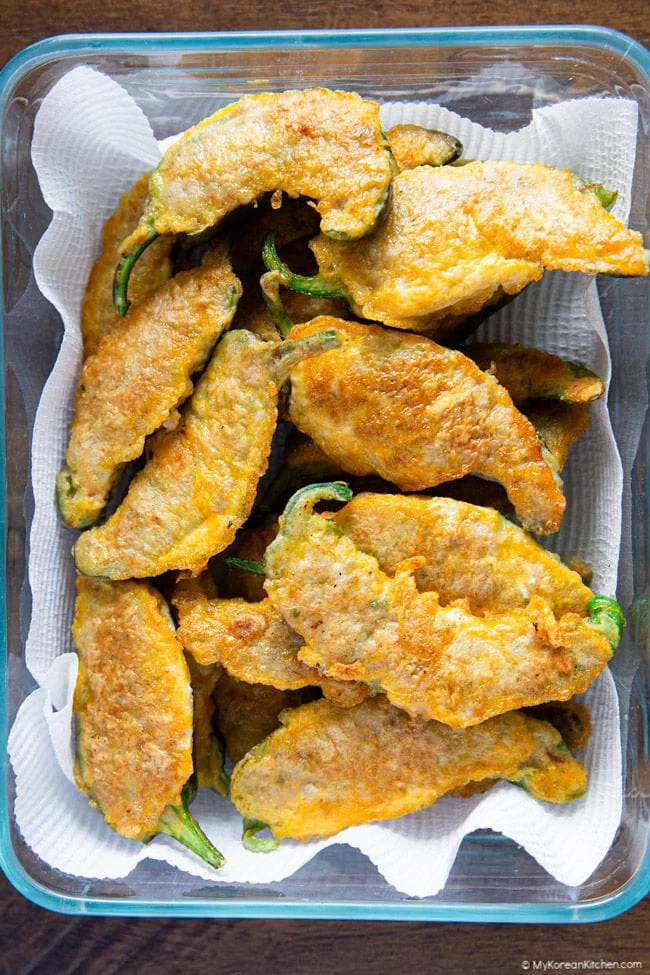
In the vast and vibrant landscape of Korean cuisine, few dishes capture the essence of home-style comfort quite like gochujeon. A masterclass in balance, this dish features green chili peppers stuffed with a savory, seasoned meat filling, coated in a delicate egg batter, and pan-fried to a golden, tender perfection. While it is a staple of festive holiday tables, its accessibility and depth of flavor have solidified its status as a year-round favorite in Korean households.
Main Facts: What is Gochujeon?
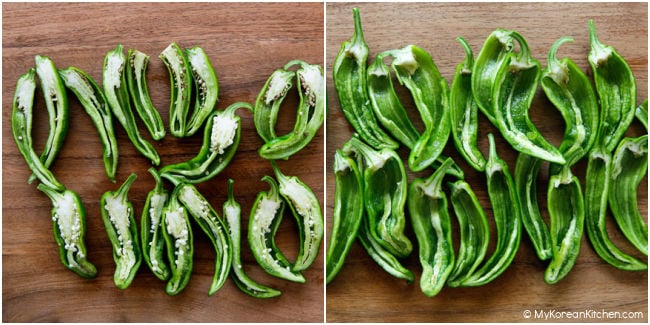
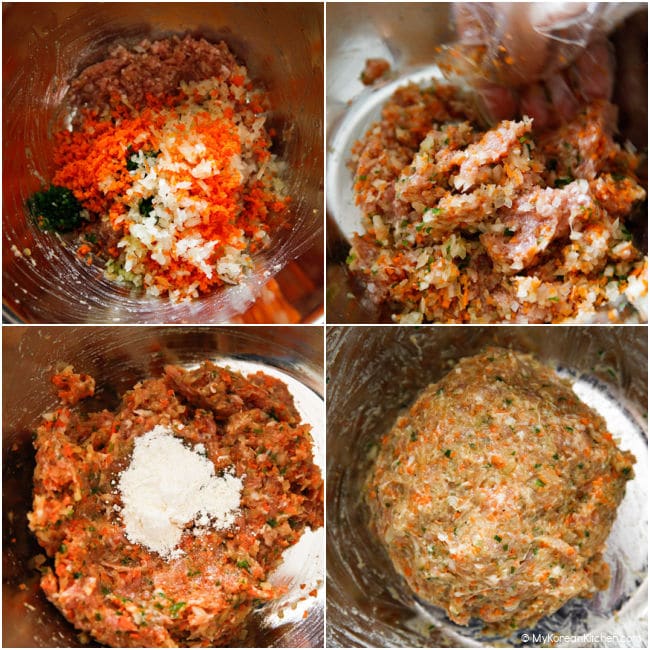
At its core, gochujeon (고추전) is a sophisticated form of jeon, or Korean pancake/fritter. The dish is defined by its two primary components: the vessel and the heart. The vessel consists of green chili peppers, which are halved and deseeded. The heart is a mixture of minced pork or beef, finely chopped aromatics, and seasonings that provide a savory, juicy contrast to the mild heat of the pepper.
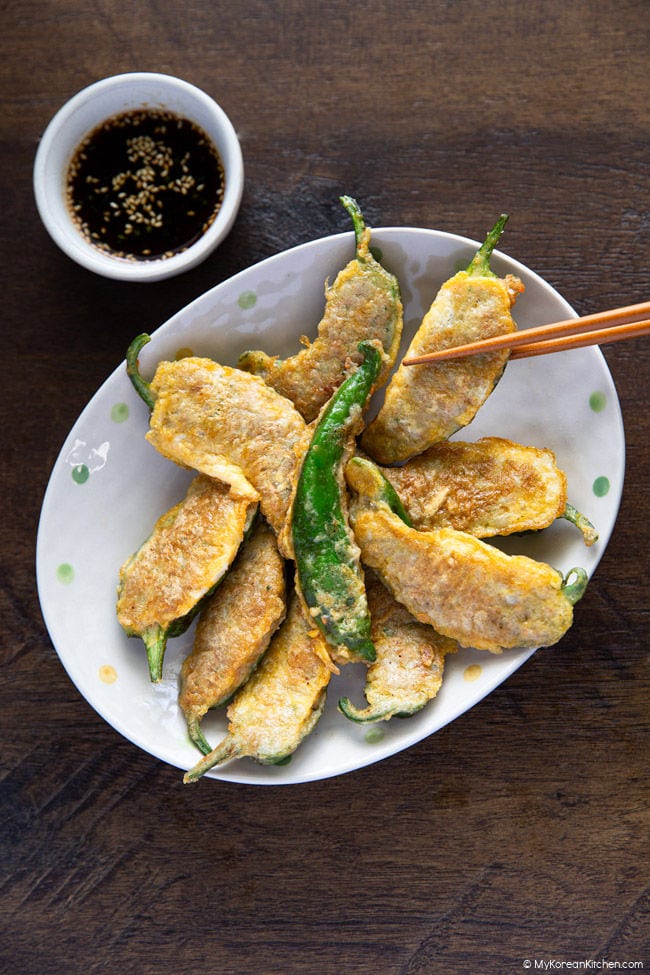
The preparation process is a study in texture. By dusting the interior of the pepper with flour before stuffing, the meat is secured firmly in place. A final dip in a light egg wash creates a golden, protective crust that seals in the juices of the meat while allowing the pepper to steam and soften within. When paired with a simple soy-based dipping sauce—typically comprised of soy sauce, vinegar, and perhaps a touch of sesame or red pepper flakes—the dish becomes a harmonious blend of salty, tangy, and savory notes.
A Chronology of Tradition
The roots of gochujeon are deeply embedded in the history of Korean culinary celebrations. Traditionally, jeon dishes are central to jesa (ancestral rites) and major national holidays such as Chuseok (the harvest festival) and Seollal (Lunar New Year).
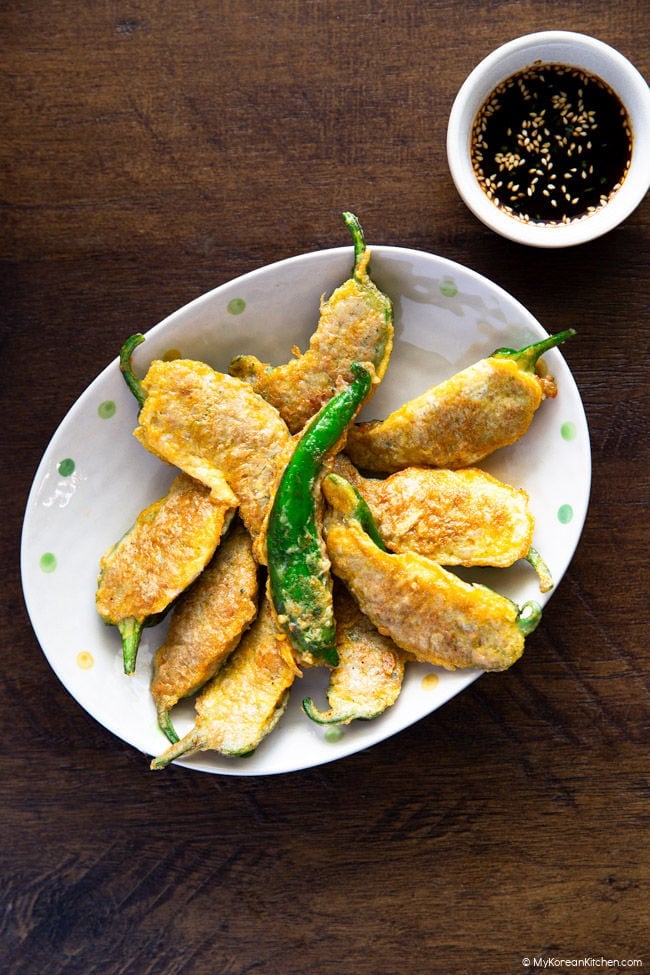
Historically, the preparation of gochujeon was a communal labor of love. During these holidays, family members would gather in the kitchen to prepare vast quantities of various jeon varieties. The labor-intensive nature of cleaning, stuffing, and frying each pepper by hand meant that the dish was often reserved for special occasions. However, as modern convenience has integrated into the Korean kitchen, the dish has transitioned from a holiday-exclusive item to a regular weeknight comfort food. Today, it serves as a bridge between the culinary heritage of the past and the fast-paced lifestyle of the contemporary Korean diner.
Supporting Data: The Anatomy of a Perfect Pepper
The success of gochujeon hinges on the selection of the pepper. In Korea, cooks typically reach for oi gochu or asak-i gochu. These varieties are prized for their unique characteristics: they are significantly larger than standard serrano or bird’s eye chilies, they possess a thick, satisfying crunch, and most importantly, they offer a mild, slightly sweet profile that appeals to a wide demographic, including those who may be sensitive to intense heat.
Nutritional and Culinary Profile
While gochujeon is a fried dish, its caloric impact is relatively modest compared to Western-style deep-fried appetizers. A typical serving is estimated to contain approximately 39 kcal per piece, with a balanced macronutrient profile. The inclusion of lean minced meat provides a protein boost, while the vegetables—carrots, onions, and scallions—add fiber and essential micronutrients.
- Serving Size: 20 pieces (approx.)
- Protein Content: ~2g per piece
- Fat Profile: Predominantly monounsaturated fats from the light pan-frying process.
- Key Vitamins: Significant presence of Vitamin A and C, derived from the fresh peppers and aromatics.
Expert Perspectives and Practical Techniques
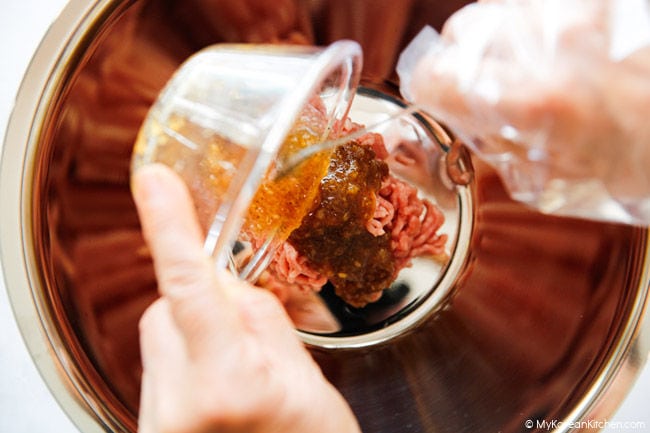
Culinary experts emphasize that the "secret" to professional-quality gochujeon lies in the thermal management of the pan. Because the meat filling is raw when inserted into the pepper, the cooking process must be slow and steady.
The Low-and-Slow Methodology
Professional chefs often recommend cooking on medium-low heat. This ensures that the pork or beef filling reaches a safe internal temperature without the delicate egg coating burning. Furthermore, the handling of the peppers is critical. By leaving the stems attached, the cook gains a "handle" for flipping the peppers, preventing the filling from spilling out.
The "No-Tofu" vs. "Traditional" Debate
While some traditional recipes call for a mix of ground meat and mashed, well-drained tofu to create a softer, lighter texture, many modern home cooks prefer a meat-forward filling. The omission of tofu results in a firmer, more robust bite. For those seeking the best of both worlds, a 50:50 ratio of meat to tofu is often cited as the gold standard for achieving a succulent, melt-in-the-mouth texture.
Implications for the Modern Home Cook
The rise of global interest in Korean cuisine has brought gochujeon to the forefront of international home cooking. Its versatility makes it an excellent candidate for those looking to explore Korean flavors without the need for specialized equipment.
Accessibility and Ingredient Substitutions
One of the most significant implications for international cooks is the availability of produce. When Korean green chilies are unavailable, the recipe remains highly adaptable.
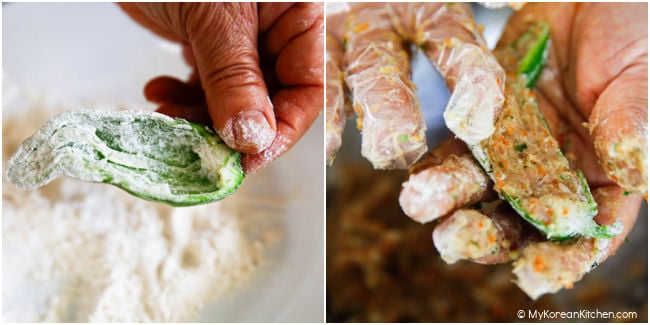
- Jalapeños: A common substitute, though cooks should be aware of the significantly higher Scoville rating. Removing the pith and seeds thoroughly is essential.
- Shishito Peppers: Excellent for their size and shape, though they can be inconsistent in heat levels.
- Anaheim Peppers: Ideal for those who prefer a larger, milder, and more substantial pepper that mimics the dimensions of the traditional Korean variety.
Storage and Reheating Efficiency
A major advantage of gochujeon is its longevity. Unlike many tempura-style dishes that lose their texture quickly, gochujeon holds up well in the refrigerator for up to three days. For long-term storage, the dish can be frozen. The key to preserving the quality is the use of parchment paper between layers to prevent the egg coatings from bonding together. When it comes time to serve, a quick flash in an air fryer or a gentle re-pan-frying with a drop of oil restores the exterior crispness, making it a highly practical meal-prep option.
Conclusion: A Dish for All Seasons
Gochujeon represents the best of Korean culinary philosophy: it is humble, ingredient-focused, and deeply satisfying. Whether one is honoring the traditions of Chuseok or simply looking for a savory, nutrient-dense snack to pair with dinner, the stuffed chili pepper remains an enduring icon. By mastering the delicate balance of the meat filling, the gentle heat of the pepper, and the golden, light egg crust, any home cook can bring a piece of authentic Korean comfort into their own kitchen. The dish serves as a reminder that with just a few simple ingredients and a bit of patience, one can create something truly festive, regardless of the time of year.
 Raul Delapena Setiawan
  Asep Darmawan
  Nana Wu
