
 By Ali Ikhwan
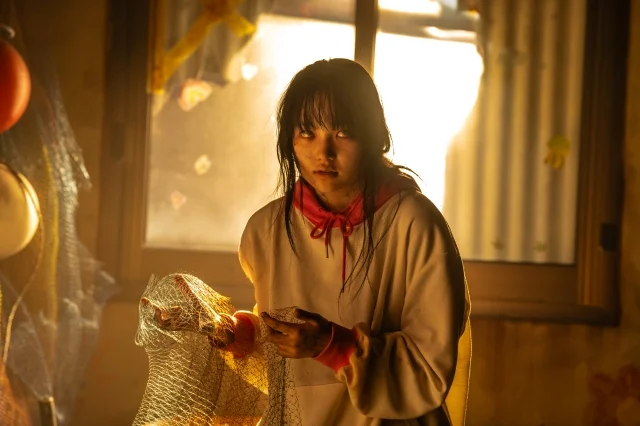
The South Korean cinematic landscape is set to undergo a provocative transformation this winter as the highly anticipated genre-bending film, My Daughter is a Zombie, prepares for its official Japanese theatrical release. With a narrative that masterfully balances domestic heart-wrenching drama with the adrenaline of a post-apocalyptic survival thriller, the film has already garnered significant attention from critics and audiences alike. As it gears up for an November 13, 2025, premiere in Japan, the film promises to redefine the "zombie" subgenre, moving away from mindless gore and toward a deeply human exploration of parental devotion and the ethics of survival.
Main Facts: A New Chapter in Genre-Defying Cinema
My Daughter is a Zombie is not your typical creature feature. Directed by Lee Min-seop, the film offers a poignant, genre-defying look at a father’s desperate attempt to protect his child after she falls victim to a mysterious viral outbreak that has turned society upside down.
The story centers on a father who goes to extraordinary lengths to hide his infected daughter from the prying eyes of the world, specifically a government that has adopted a "zero-tolerance" policy toward the infected. By keeping her at home and attempting to nurture her despite her condition, the protagonist challenges the very definitions of humanity and mercy.
The film is distributed in Japan by KlockWorx and will hit screens nationwide on November 13, 2025. It has been lauded for its technical precision, particularly its use of 5.1ch surround sound to build an atmosphere of claustrophobic tension that keeps the audience on the edge of their seats from the opening sequence to the final, haunting frames.
The Narrative Chronology: A Descent into Desperation
The film’s structure follows a tight, linear chronology that mirrors the rapid decline of civilization. The story begins in a localized, seemingly manageable environment, establishing the emotional bond between father and daughter before the outbreak—which is handled with a cold, calculated efficiency by state authorities—strips away their safety net.
As the government initiates "Protocol 46," a systematic cleanup operation designed to eradicate all traces of the infection, the father enters a phase of total concealment. For the protagonist, the threat is twofold: the physical danger posed by the undead, and the terrifying, bureaucratic machinery of the state that views his daughter as a statistic rather than a person.
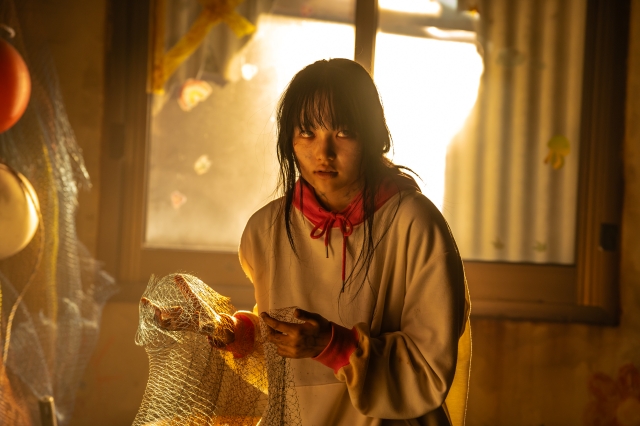
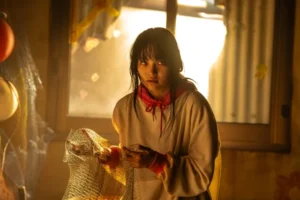
The middle act of the film escalates the tension as the father navigates a series of moral compromises. He must scavenge for supplies, manage the worsening physical state of his daughter, and outwit local enforcement agencies. The film’s pacing is deliberate, forcing the viewer to inhabit the father’s exhaustion, terror, and unwavering resolve.
By the final act, the narrative converges on a "do or die" standoff. The film moves from the intimate, domestic setting of the household to a wider, more public conflict, where the father is forced to confront the reality that his love, while pure, may be operating in a world that no longer has space for it.
Supporting Data and Production Excellence
The production of My Daughter is a Zombie represents a significant milestone in South Korean genre cinema, specifically in how it utilizes CGI and practical effects to ground its horror in reality.
- Director: Lee Min-seop
- Production: Next Entertainment World & Studio N
- Distribution (Japan): KlockWorx
- Release Date: November 13, 2025
- Technical Specifications: 5.1ch Surround Sound
The film’s production quality has been highlighted by critics for its "tactile" nature. The environments—decaying cityscapes contrasted with the hyper-sanitized, cold aesthetic of the government command centers—serve as a visual metaphor for the clash between the organic, messy nature of human love and the rigid, unfeeling nature of systemic survival.
Furthermore, the sound design is a character in its own right. The silence of the apartment, punctuated by the faint, unsettling movements of the daughter, creates a level of psychological dread that is rarely achieved in modern horror. This is not a film that relies on jump scares; it is a film that relies on the slow, inevitable creep of loss.
Official Responses and The "BoA" Connection
Perhaps the most surprising aspect of the film’s reception has been the cultural dialogue surrounding its thematic depth. During recent press junkets, the film has been compared to classic emotional pillars of Korean media, with comparisons drawn to the legacy of legendary performer BoA.
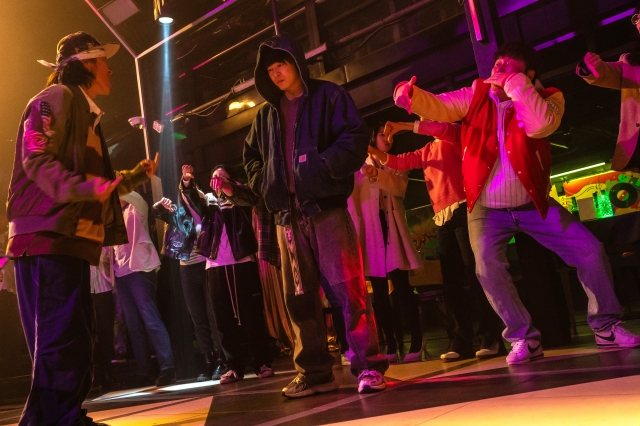
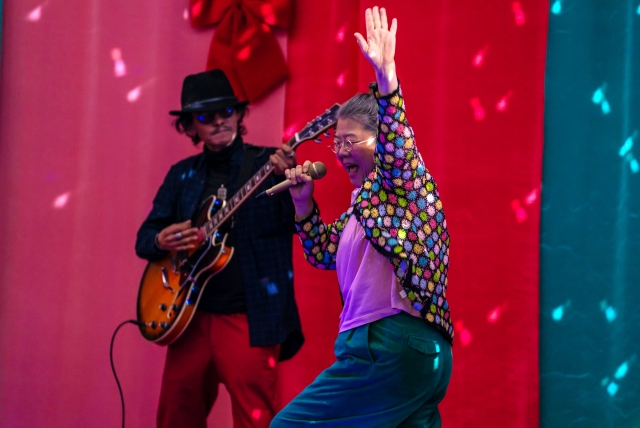
In a unique promotional twist, the film’s marketing campaign has leaned into the idea of "No. 1" status—a nod to BoA’s iconic 2002 hit. Much like how that song transcended pop music to become a cultural touchstone for a generation, My Daughter is a Zombie is being marketed as the "No. 1" emotional experience of the year.
Producers from Next Entertainment World noted in a recent statement: "We wanted to create something that wasn’t just a zombie movie. We wanted to create a mirror. When people see the father’s struggle, we want them to ask themselves, ‘What is the limit of my love?’"
The official response from early screenings has been overwhelmingly positive, with reviewers praising the film’s ability to force the audience to root for the "monster." By focusing on the daughter’s lingering humanity, the director successfully avoids the trap of making her a mindless antagonist, instead positioning her as a tragic victim whose existence is a protest against a world that has given up on empathy.
Implications: A Reflection of Societal Anxiety
The success of My Daughter is a Zombie in Korea and its anticipation in Japan point to a broader trend in global cinema: the return of the "social horror."
The Ethics of Care in a Crisis
The film serves as an allegory for the COVID-19 pandemic and the subsequent societal fractures. The government’s cold approach to the "infected" reflects real-world anxieties about how state power functions during times of health crises. The father’s defiance is, in many ways, an act of rebellion against the dehumanization that often accompanies mass-scale emergency management.
Genre Evolution
For years, the zombie genre was dominated by the "run and gun" style—think World War Z or Train to Busan. While those films were masterpieces of action, My Daughter is a Zombie marks a shift toward the "slow burn." It belongs to a lineage of films that prioritize character development over creature design. This signals a maturation of the audience, who are now seeking narratives that offer emotional catharsis alongside their thrills.
The Japanese Market Outlook
The Japanese theatrical market has long been a bastion for both high-concept horror and deeply emotional drama. By bridging these two worlds, My Daughter is a Zombie is perfectly positioned to capture both the hardcore genre fan and the casual cinema-goer. The film’s focus on the "domestic space" as a sanctuary under siege resonates deeply with Japanese cultural sensibilities regarding the sanctity of the home and the complexities of familial duty.
Conclusion: A Must-Watch Experience
As the release date of November 13, 2025, approaches, the buzz surrounding My Daughter is a Zombie continues to grow. It is rare for a film to successfully manage the tonal gymnastics required to keep a viewer terrified and weeping at the same time, yet early reports suggest that director Lee Min-seop has achieved exactly that.
Whether you are a fan of South Korean cinema, a horror aficionado, or simply a viewer who appreciates high-stakes emotional storytelling, this film demands your attention. It is a haunting, beautiful, and ultimately heartbreaking look at what happens when the only thing keeping us human is the very thing that society demands we abandon.
Prepare for a cinematic experience that will linger long after the lights come up. My Daughter is a Zombie is not just a film about the end of the world; it is a film about the beginning of a conversation—one about how far we are willing to go for the people we love, even when the world tells us it is already too late.
For ticket information and theater listings, audiences are encouraged to visit the official Japanese distribution website at klockworx.com/movies/sekamusu/. Do not miss the opportunity to witness what critics are calling the most significant horror-drama of the decade.
 Basiran
 Siti Muinah

