
 By Basiran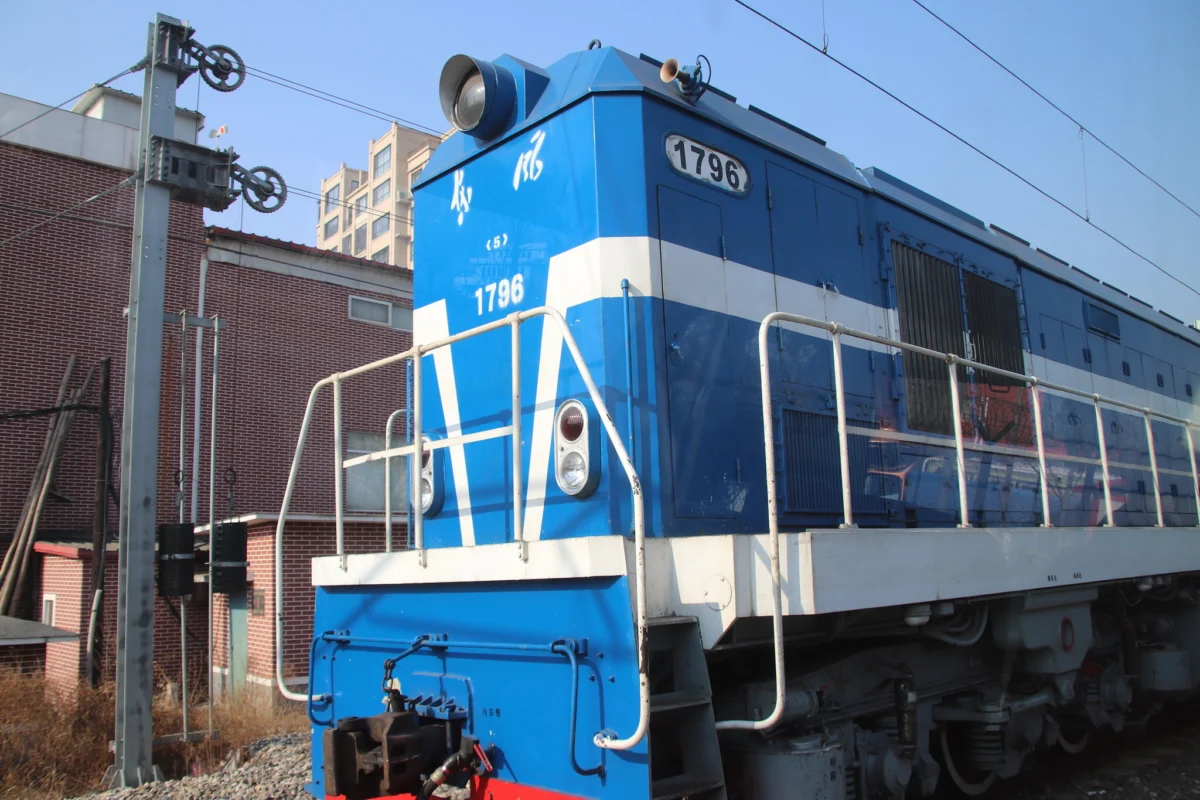
By Editorial Staff
Recent footage broadcast by Chinese state media has provided a rare, behind-the-scenes glimpse into the diplomatic and technical objectives of North Korean Premier Pak Thae Song’s recent visit to Beijing. While official state communiqués focused heavily on the ceremonial aspects of the 65th anniversary of the 1961 China-DPRK Treaty of Friendship, Cooperation and Mutual Assistance, the visual evidence suggests a more pragmatic, industrial agenda: the modernization of North Korea’s aging rail and urban transit networks.
The footage, which captures the Premier touring key transport infrastructure hubs in the Chinese capital, marks a significant potential shift in Pyongyang’s economic development priorities. By leaning on its largest trading partner for technical expertise, the Democratic People’s Republic of Korea (DPRK) appears to be signaling a long-term commitment to revitalizing a transport sector that has long been a bottleneck for its national economy.
The Core Objective: Modernizing the "Arteries of the State"
At the heart of the visit was a strategic reconnaissance mission. Analysts suggest that the DPRK’s rail infrastructure—much of which dates back to the colonial era or the post-war reconstruction period—is in dire need of electrification, track renewal, and signaling automation.
Premier Pak Thae Song’s visit to Beijing’s urban rail control centers was not merely a diplomatic courtesy; it was a targeted observation of China’s world-class transit integration. Beijing’s ability to move millions of commuters daily through a sprawling, high-tech subway and light-rail network serves as a blueprint for what Pyongyang hopes to achieve in its own capital.
For the North Korean leadership, the goal is clear: to enhance internal logistics, facilitate the movement of labor and goods, and demonstrate progress to the domestic population. By observing Chinese railway management, Pyongyang is likely seeking to bridge the technological gap that has plagued its domestic rail capabilities for decades.
Chronology of the Diplomatic Engagement
The visit occurred against the backdrop of a significant anniversary for the two communist allies. The timeline of the engagement underscores the dual nature of the trip: a celebration of historic ties and a forward-looking industrial assessment.
- July 10, 2026: Premier Pak Thae Song arrives in Beijing for a two-day state visit. The atmosphere is marked by high-level protocol, with official media highlighting the endurance of the 1961 Friendship Treaty.
- July 11, 2026 (Morning): Premier Pak holds formal bilateral talks with Chinese Premier Li Qiang. Discussions reportedly focus on trade cooperation, agricultural development, and regional security.
- July 11, 2026 (Afternoon): The technical portion of the visit commences. Pak tours key Beijing rail infrastructure, including automated signaling hubs and urban subway terminals. Chinese state media releases footage showing the Premier questioning officials on maintenance schedules and infrastructure digital integration.
- July 12, 2026: A high-level meeting with President Xi Jinping takes place. The two leaders reiterate the importance of the China-DPRK alliance, emphasizing "strategic communication" and "deepened economic cooperation."
- July 13, 2026: Pak returns to Pyongyang. While official readouts remain vague, the images of the rail tour begin to circulate, sparking intense interest among international observers and intelligence agencies.
Supporting Data: The State of North Korean Rail
The urgency of this collaboration is supported by long-standing data regarding the DPRK’s current infrastructure. According to independent transport analysts, the North Korean rail network suffers from several critical systemic issues:
- Electrification Deficits: While a large portion of the North Korean rail network is technically electrified, the instability of the national power grid frequently results in service delays and reduced speeds.
- Rolling Stock Obsolescence: Many locomotives and carriages in operation are remnants of the mid-20th century. Spare parts are increasingly difficult to procure, leading to a high "cannibalization" rate, where older trains are stripped to keep others running.
- Track Maintenance: The lack of modern ballast-cleaning machines and automated track-laying equipment has led to degraded track quality. This limits the maximum speed of freight trains, hindering internal trade between provinces.
- Urban Transit: The Pyongyang Metro, while famous for its ornate, deep-level stations, faces significant technical challenges in its tunnel ventilation and signaling systems. China’s expertise in deep-earth subway construction and automation is highly attractive to North Korean urban planners.
By adopting Chinese industrial standards, North Korea could potentially bypass years of independent research and development, opting instead for a "plug-and-play" modernization model facilitated by Beijing’s state-owned rail enterprises.
Official Responses and Diplomatic Framing
The messaging from both Pyongyang and Beijing has been characteristically guarded.

Beijing’s Perspective:
Chinese state media, including Xinhua and CCTV, focused on the "unbreakable bond" between the two nations. When queried about the technical tours, a spokesperson for the Chinese Ministry of Foreign Affairs noted that "China and the DPRK enjoy a tradition of exchange in various fields, including economic development and infrastructure management." The rhetoric suggests that while China is willing to share expertise, it is careful not to frame the assistance as a violation of international sanctions—which strictly prohibit many types of dual-use technology transfers to North Korea.
Pyongyang’s Perspective:
The Korean Central News Agency (KCNA) highlighted Premier Pak’s trip as a "resounding success" that "strengthened the fraternal unity" between the two socialist states. North Korean media emphasized that the visit was meant to "study the advanced successes of the Chinese people in the field of transport," framing the knowledge transfer as a necessary step in achieving the goals set out by the Workers’ Party of Korea for national modernization.
Implications: A Strategic Shift or a Symbolic Gesture?
The implications of this visit are far-reaching. If China begins to provide substantive technical support for the renovation of North Korean rail, it will represent a significant, albeit quiet, expansion of bilateral cooperation.
1. Economic Integration
Improved rail links between the DPRK and China could drastically increase the volume of cross-border trade. Enhanced connectivity would facilitate the import of raw materials and the export of manufactured goods, potentially providing a much-needed stimulus to the North Korean economy.
2. Sanctions and Compliance
The most sensitive aspect of this collaboration involves the United Nations Security Council (UNSC) resolutions. Most high-tech industrial machinery is prohibited from export to the DPRK. Both Beijing and Pyongyang must navigate a delicate path; they will likely frame these interactions as "humanitarian" or "technical consultancy" rather than "infrastructure development aid" to avoid triggering international scrutiny.
3. Geopolitical Alignment
The visit underscores that, despite international pressure, the China-DPRK alliance remains a cornerstone of North Korean foreign policy. For Beijing, maintaining a stable and functional North Korea is a strategic priority. Assisting with infrastructure, therefore, is a low-risk, high-reward method for China to ensure the survival and relative stability of its neighbor.
4. Domestic Stability in the DPRK
For the leadership in Pyongyang, a modernized rail system is not just an economic tool; it is a means of exercising tighter control and ensuring that goods and services can be distributed effectively during times of crisis. It is a tangible "gift" from the state to its citizens—the promise of a modern, efficient, and functioning society.
Conclusion
Premier Pak Thae Song’s visit to Beijing serves as a stark reminder that while geopolitical tensions fluctuate, the foundational needs of a nation—transportation, energy, and logistics—remain constant. By turning to China’s technological prowess, North Korea is signaling a pivot toward pragmatic modernization.
Whether this results in a full-scale overhaul of the DPRK’s rail network or remains limited to localized improvements in Pyongyang, the message is clear: North Korea is looking to the future, and it is doing so through the lens of its oldest ally. The international community, meanwhile, will be watching closely to see if this "technical cooperation" evolves into something that fundamentally alters the economic landscape of the Korean Peninsula.
As the 65th anniversary celebrations conclude, the true measure of this visit will not be found in the speeches or the handshakes, but in the rails, signals, and subways of North Korea in the months and years to come.
 Ammar Sabilarrohman
  Pevita Pearce
  Nana Wu
