
 By Asep Darmawan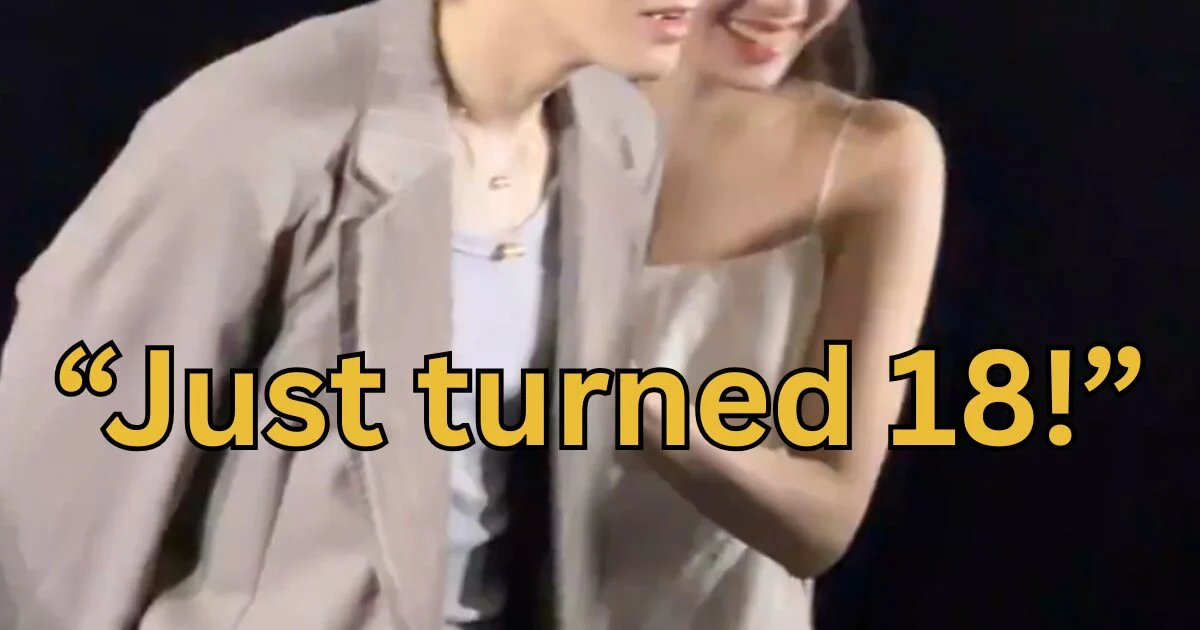
The Chinese drama Key to the Phoenix Heart, which first garnered significant public scrutiny in 2025 over the considerable age difference between its lead actors, has once again become the focal point of a heated online debate. Recent promotional activities for the series have taken an unexpected turn, with the drama’s director facing widespread condemnation for speculative remarks regarding the real-life relationship between male lead Hou Minghao (also known as Neo Hou) and female lead Ai Mi. The comments, suggesting a potential romantic development between the co-stars, have been branded as "sick" and "absurd" by a vocal segment of the internet, reigniting concerns about ethical boundaries in entertainment production, particularly when involving young actors.
The Genesis of the Controversy: An Age Gap Under Scrutiny
The initial controversy surrounding Key to the Phoenix Heart emerged in 2025 when the casting details were first announced. The drama paired Hou Minghao, then 27 years old, with Ai Mi, who was reportedly underage at the time of the announcement, creating a ten-year age disparity between the romantic leads. This significant age gap immediately triggered discussions among fans and industry observers about the appropriateness of such pairings, especially in a narrative context that often romanticizes relationships with considerable power imbalances. While age-gap romances are a common trope in various forms of media, from K-dramas to Hollywood films, the casting of an underage actress opposite an adult male lead for a romantic role frequently draws criticism, prompting questions about responsible storytelling and the potential influence on younger audiences.
The production proceeded despite the initial backlash, with filming concluding and the drama slated for release. It is understood that by the time of the recent promotional events in mid-2026, Ai Mi had reached the age of 18, with Hou Minghao being 28. While her legal status had changed, the historical context of her age during the initial casting and production period remained a sensitive point for many. The public’s initial reservations, though somewhat tempered by Ai Mi’s recent eighteenth birthday, underscored an underlying vigilance regarding the welfare and portrayal of young talent in the entertainment industry.
Director’s Remarks Ignite a Firestorm of Criticism
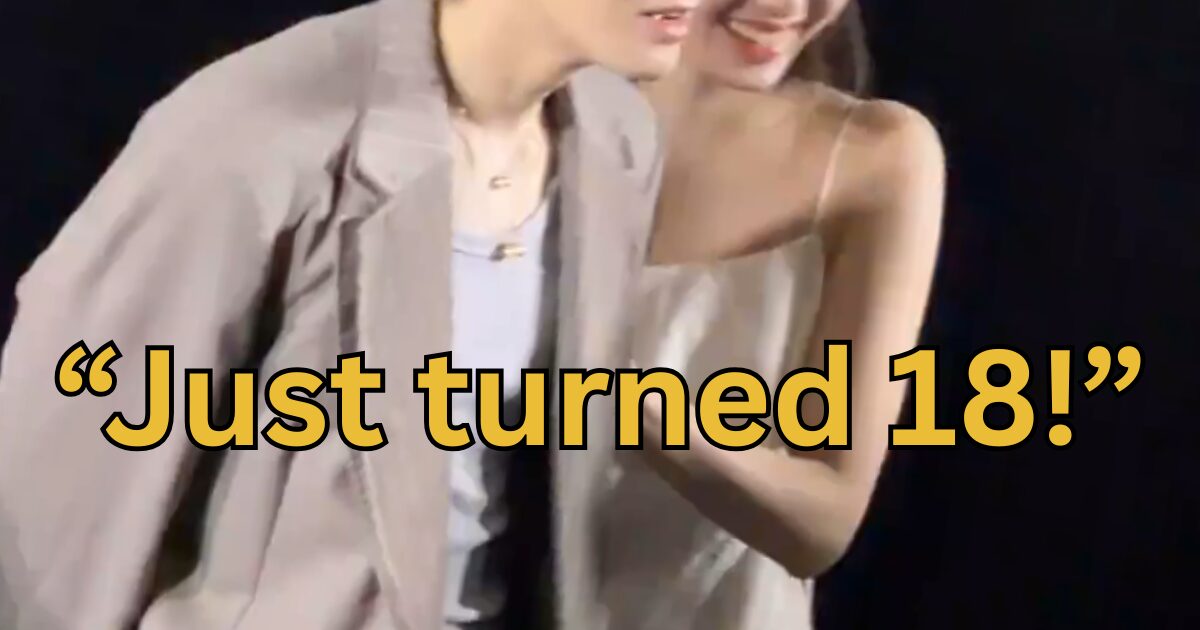
The current wave of outrage stems from an interview conducted as part of the drama’s promotional tour. During the segment, the director of Key to the Phoenix Heart openly speculated on the possibility that Hou Minghao and Ai Mi might have developed "real feelings" for each other during the filming process. Video footage of the interview, which quickly circulated across social media platforms, captured the immediate reactions of both lead actors. Ai Mi and Hou Minghao visibly displayed expressions of shock and discomfort, with many netizens specifically pointing out Hou Minghao’s seemingly "flabbergasted" demeanor throughout the exchange. The director’s comments were perceived not merely as lighthearted banter but as an inappropriate and potentially damaging intrusion into the actors’ personal lives and professional boundaries.
The nature of these remarks, coming from a figure of authority like a director, quickly escalated the discussion beyond the initial age-gap debate. Critics highlighted the inherent power dynamic between a director and their cast, arguing that such comments could create an uncomfortable working environment and place undue pressure on the actors. The implication that their on-screen chemistry might have translated into real-life affection, particularly given the historical age disparity and Ai Mi’s relatively young age, was widely deemed unprofessional and ethically questionable.
Public Outcry and Calls for Accountability
The reaction across social media platforms was swift and overwhelmingly negative. Netizens expressed profound disgust and anger, with many calling the director’s statements "sick" and accusing him of crossing a significant ethical line. Tweets and comments flooded platforms, with users like "rose (@lovelyjkks)" stating, "the director saying he thinks aimi n hmh developed ‘real feelings’ during the filming… he’s playing in minghao’s fing face. he looks flabbergasted THE ENTIRE CONCEPT IS WEIRD? what the hell is wrong with that old man." Another user, "moon (@luvsthyn)," took an even stronger stance, declaring, "u don’t even see directors saying this for age appropriate pairings… this one deserves jail time im so fing serious."
These strong reactions underscore a growing public demand for greater accountability and ethical conduct within the entertainment industry. Comments like "Not enough that he put an age gap pairing in the drama, he even had the audacity to say this without any shame. Free artists from sick directors and greedy agencies" from user "۶۟ৎ (@roshieverse)" reflect a broader sentiment against exploitative or insensitive practices. The outrage was not just directed at the director but also extended to the broader industry for allegedly enabling such behavior and for what is perceived as a failure to adequately protect its talent, especially young individuals. The incident has been framed by many as a clear example of a director overstepping professional boundaries and making assumptions that could have serious implications for the actors’ reputations and personal lives.
Industry Ethics, Actor Welfare, and Professional Boundaries

This controversy brings to the forefront critical questions about industry ethics, the welfare of actors, and the maintenance of professional boundaries on set and during promotional activities. In the highly scrutinized world of entertainment, the line between fictional portrayals and real-life dynamics can often blur, and it is the responsibility of production teams and directors to ensure that this distinction remains clear for both the audience and the cast.
The director’s comments are particularly problematic due to several factors:
- Power Imbalance: A director holds significant authority over actors, especially emerging talents like Ai Mi. Such public speculation from a figure of power can be intimidating and professionally compromising.
- Protection of Young Actors: Even though Ai Mi is now 18, the context of her initial casting as an underage actress in an age-gap romance heightens the sensitivity around any remarks that could sexualize or inappropriately romanticize her relationship with an older co-star. The entertainment industry has a moral and legal obligation to safeguard its younger members.
- Professionalism: Speculating on actors’ private feelings during a public interview is widely considered unprofessional. It shifts focus away from the artistic merits of the drama and places undue attention on the actors’ personal lives, potentially violating their privacy and creating awkward social dynamics.
- Impact on Reputation: Such comments can inadvertently fuel rumors and gossip, affecting the public image and future career opportunities of both actors involved. For young actors, particularly, managing public perception is crucial.
The incident serves as a stark reminder of the evolving standards of conduct expected from public figures in the entertainment sector. In an era where social media amplifies every comment and action, the need for discretion, respect, and a strong ethical compass is more critical than ever.
Potential Ramifications for the Production and Industry
The fallout from this incident is likely to have significant ramifications for Key to the Phoenix Heart and potentially for the broader Chinese drama industry.
- Reputation Damage: The director’s reputation has undoubtedly been tarnished, and the drama itself may suffer from negative publicity, potentially impacting viewership and critical reception.
- Pressure on Production Company: The production company behind Key to the Phoenix Heart may face immense pressure from the public and media to issue a formal apology, clarify their stance on the director’s remarks, and potentially outline measures to prevent similar incidents in the future. Failure to address the controversy adequately could lead to a boycott or further erosion of public trust.
- Actor Agencies’ Response: The agencies representing Hou Minghao and Ai Mi will likely be navigating a delicate situation. They may need to release statements to protect their artists, clarify their positions, and ensure their clients’ well-being and professional image are maintained.
- Industry-Wide Scrutiny: This event could catalyze broader discussions within the Chinese entertainment industry regarding guidelines for age-gap portrayals, ethical conduct during promotions, and robust safeguarding policies for young actors. There might be calls for workshops on professional boundaries, media training for directors, and stronger oversight from regulatory bodies or industry associations.
- Impact on Future Projects: Directors and producers might become more cautious about casting age-gap romances and more mindful of their public statements, especially concerning the personal dynamics between co-stars. The incident could serve as a cautionary tale, pushing for a more responsible and ethical approach to content creation and promotion.
As of this report, the director has not issued a public apology or clarification regarding his controversial remarks. The silence from the production company and the actors’ agencies, if prolonged, could further intensify public dissatisfaction. This incident not only highlights a specific lapse in judgment but also underscores a systemic challenge within the entertainment industry to balance creative freedom with ethical responsibilities, particularly concerning the vulnerability of young talents and the potent influence of public perception in the digital age. The controversy surrounding Key to the Phoenix Heart is poised to leave a lasting mark, prompting a re-evaluation of how relationships are portrayed, discussed, and managed within the intricate ecosystem of television production.

