
 By Nana Wu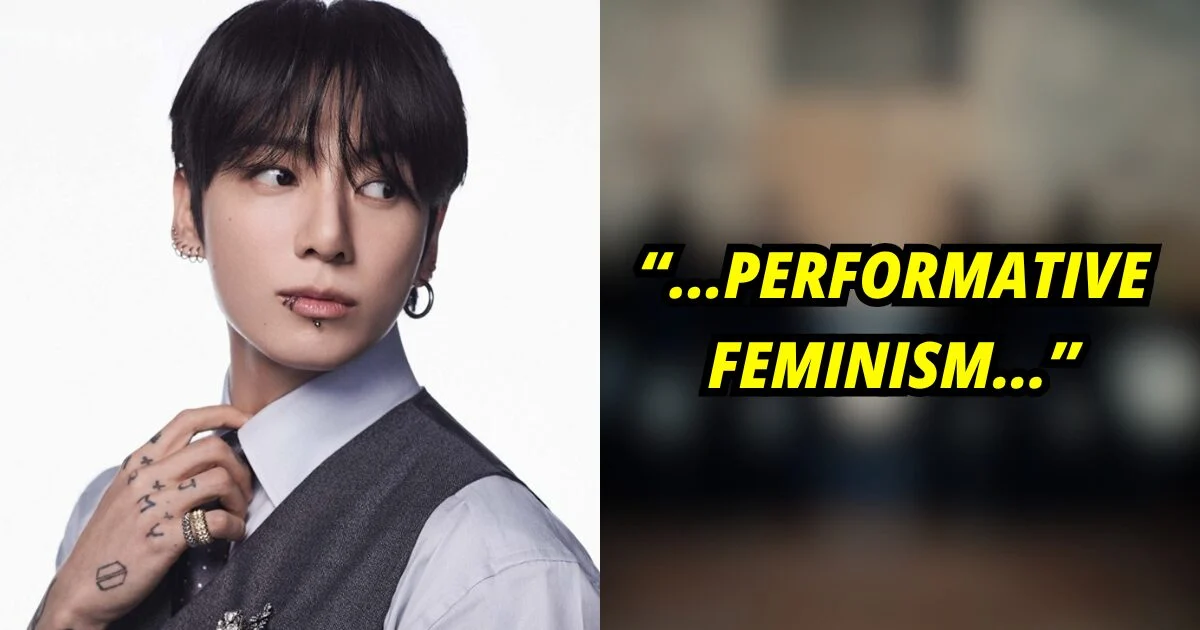
The global music industry and the expansive K-pop fandom have been set ablaze following the recent promotional activities for BTS’s latest project, a highly anticipated single titled "Normal." As the official second single from the group’s landmark album, ARIRANG, the track has become the center of an intense sociological and cultural debate within the digital sphere. The controversy erupted following the release of a 20-second music video teaser on July 15, 2026, which featured the group members in a setting rarely depicted with such bluntness in the highly polished world of South Korean idol pop.
The teaser, which serves as a precursor to the full music video scheduled for release on July 17, depicts the members of BTS in a public restroom setting. Specifically, the footage shows several members lined up at urinals, while the group’s leader, RM, is seen approaching the line in search of an available space. This visual choice, intended to lean into the song’s title "Normal" by showcasing a mundane, everyday human activity, has triggered a viral wave of reactions, accumulating millions of views within hours and sparking a complex conversation regarding gender double standards, the evolution of idol imagery, and the unique scrutiny faced by the world’s most successful musical act.
The Promotional Rollout and Tabloid Marketing Strategy
The release of the "Normal" teaser was not an isolated event but rather the culmination of a sophisticated, multi-layered marketing campaign. Prior to the video’s debut on official channels, fans and residents in major global cities reported sightings of "tabloid-style" advertisements. These physical and digital ads mimicked the aesthetic of sensationalist gossip magazines, featuring grainy, paparazzi-style shots of the BTS members engaged in ordinary tasks—buying groceries, waiting for public transport, and walking in residential neighborhoods.
This "tabloid" aesthetic appears to be a deliberate creative choice by HYBE and BTS to subvert the "larger-than-life" persona often attributed to the group. By utilizing the visual language of invasive celebrity journalism to promote a song titled "Normal," the group seems to be commenting on the paradox of their own existence: the struggle to maintain a sense of normalcy while under the constant, microscopic lens of global fame. The bathroom-themed teaser is viewed by many industry analysts as the ultimate extension of this theme, stripping away the glamour of stage costumes and choreography in favor of a relatable, albeit provocative, human moment.
Chronology of the Normal Release Cycle
The timeline of the "Normal" promotional cycle has been meticulously planned to maximize engagement and discourse:
- Early July 2026: Mysterious tabloid-style posters appear in Seoul, New York, London, and Tokyo, featuring the word "NORMAL" in bold, sensationalist fonts.
- July 10, 2026: BTS official social media accounts transition to a "low-fidelity" aesthetic, signaling a departure from the high-concept visual themes of their previous era.
- July 15, 2026 (18:00 KST): The official "Normal" music video teaser is uploaded to YouTube and HYBE Labels’ official platforms. The 20-second clip goes viral instantly, trending in over 50 countries.
- July 16, 2026: Social media discourse reaches a fever pitch as netizens debate the implications of the teaser’s bathroom setting, with "BTS Normal" and "Double Standards" trending on X (formerly Twitter).
- July 17, 2026 (13:00 KST): Scheduled global release of the "Normal" full music video and digital single.
Analyzing the Discourse: Gender Double Standards and Misogyny
The primary point of contention surrounding the teaser involves the perceived disparity in how male and female idols are treated by the public and the industry. Shortly after the teaser’s release, a segment of the K-pop community raised questions about the "freedom" granted to BTS compared to their female counterparts.
A viral post on X, which garnered hundreds of thousands of interactions, poignantly asked: "But if a girl group did this…?" This question touches on the long-standing criticism that female idols are held to a much stricter standard of "purity" and "elegance." Critics of the teaser argued that if a female group were to release content featuring them in a bathroom or engaging in similarly "unfiltered" behavior, they would likely face severe backlash, accusations of "unladylike" conduct, or even sexualization.
However, the response from the BTS fandom, known as ARMY, and other observers has been multifaceted. Many defenders of the group argue that BTS is actually subjected to more scrutiny than any other group in history due to their unprecedented level of fame. They contend that the group is often used as a lightning rod for broader industry critiques that are not necessarily the fault of the members themselves.
One viral response to the criticism stated: "Y’all are literally more critical towards BTS than literally any other K-pop group ever. Stop acting like they’re this constantly praised group that gets away with everything when y’all literally harass them for doing the most normal ass shit all the damn time."
Other fans pointed out that the teaser contains no actual indecency, as the members are fully clothed and the setting is used as a metaphorical backdrop for the song’s theme. They argued that "performative feminism" was being used to attack the group for a creative choice that is fundamentally about the human condition, not gender politics.
Historical Precedents in K-Pop Imagery
To provide context for the "Normal" teaser, it is essential to look at the history of bathroom-related imagery in K-pop. While the urinal scene felt jarring to some, it is not the first time such a concept has been explored.

In 2015, BIGBANG’s sub-unit GD&TOP released the music video for "Zutter," which famously featured G-Dragon and T.O.P in a bathroom setting, including scenes at urinals. At the time, the video was seen as a rebellious, "bad boy" aesthetic that aligned with BIGBANG’s established brand.
Similarly, female idols have occasionally utilized bathroom or toilet-themed sets for conceptual reasons. Groups like Mamamoo and soloists like Sunmi have used domestic or "private" spaces to convey themes of intimacy, vulnerability, or social defiance. The difference, analysts suggest, lies in the intent. While previous iterations often leaned into the "edgy" or "quirky" nature of the setting, BTS’s "Normal" appears to be aiming for a more grounded, almost cinematic realism.
The Significance of the ARIRANG Album
The song "Normal" is a crucial component of the ARIRANG album, a project that many believe marks a new chapter for BTS. In Korean culture, "Arirang" is the title of the nation’s most famous folk song, often considered the unofficial national anthem. It represents themes of longing, resilience, and the Korean spirit.
By naming their album ARIRANG, BTS is signaling a deep homecoming—both literal and metaphorical. As the members navigate their mid-30s and their post-mandatory service careers, the album appears to be an exploration of what it means to be a Korean icon in the modern world. "Normal" serves as the second single, following a more traditional lead track, suggesting that the group is using this secondary slot to experiment with more provocative and self-reflective themes.
Socio-Cultural Implications: The "Normalcy" Paradox
The debate triggered by "Normal" reflects a broader societal fascination with the "humanization" of idols. For decades, the K-pop industry was built on the "idol" (우상) concept—individuals who were meant to be perfect, untouchable, and aspirational. However, the global shift toward "authenticity" in social media has forced a change in this dynamic.
BTS has been at the forefront of this shift since their debut, often discussing mental health, social pressure, and personal failures in their lyrics. "Normal" seems to be the visual manifestation of this long-running narrative. By placing themselves in a public restroom—the ultimate "equalizer" where every human, regardless of status, must go—they are effectively dismantling the "idol" pedestal.
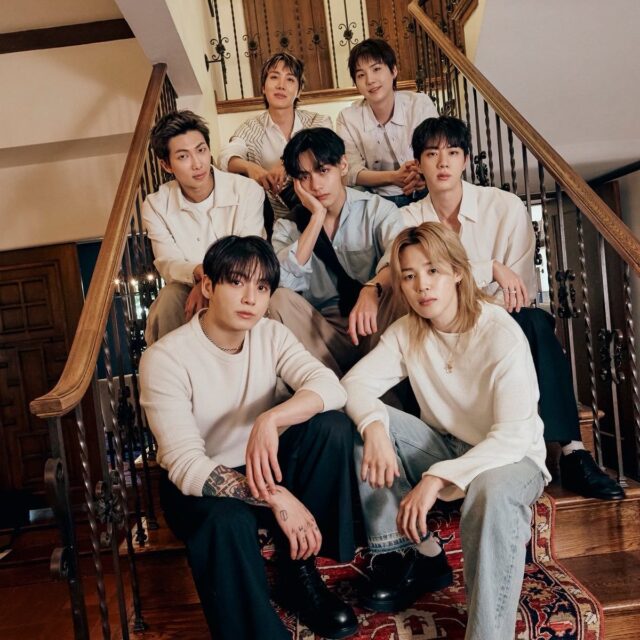
The backlash, therefore, can be viewed as a symptom of the industry’s "growing pains." As BTS pushes the boundaries of what an idol is "allowed" to show, it highlights the lingering restrictions placed on others, particularly women. The frustration expressed by critics is often less about BTS’s specific actions and more about the systemic inequality that prevents female artists from exercising the same level of creative and behavioral autonomy.
Final Thoughts and Anticipation for the Full Release
As the clock ticks toward the July 17 release of the full "Normal" music video, the intensity of the discussion shows no signs of waning. Music critics expect the full video to provide more context that may alleviate or further fuel the current debate. If the video continues the "mundane" theme, it could be a landmark moment in K-pop’s visual history, moving the genre away from "spectacle" and toward "storytelling."
Regardless of the eventual consensus, BTS has once again proven their ability to dominate the cultural conversation. By simply standing at a urinal for 20 seconds, they have forced a global audience to confront deep-seated biases regarding gender, celebrity, and the definition of what is "normal."
The full video for "Normal" will be released on July 17, 2026, at 1 PM KST. Industry trackers are already predicting record-breaking engagement, as both supporters and critics prepare to dissect every frame of what is shaping up to be one of the most talked-about releases of the decade. Through ARIRANG and its singles, BTS continues to redefine the boundaries of their art, proving that even the most "normal" moments can have extraordinary implications.

