
 By Ammar Sabilarrohman
Jakarta, [Date of publication, e.g., July 8, 2024] – The upcoming Korean drama, Four Hands, Two Sonatas, has ignited considerable excitement across the global K-drama landscape with the release of new promotional stills featuring acclaimed actor Song Kang. These visuals offer the first substantive look at Song Kang in his pivotal role, immediately drawing attention to his striking transformation into a charismatic and intensely focused classical pianist. The series, which promises a deep dive into the competitive and emotionally charged world of classical music, is slated for an August 29, 2026 premiere, setting the stage for one of the most anticipated releases of the year.
A Glimpse into the World of ‘Four Hands, Two Sonatas’
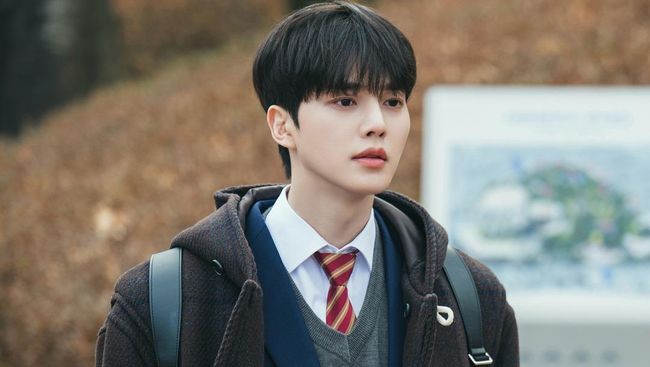
The recently unveiled promotional material showcases Song Kang embodying the character of Kang Bi Oh, a perfectionist pianist whose life revolves around the pursuit of musical excellence. The images depict him in various settings, including sophisticated concert attire and a youthful school uniform, highlighting the dual facets of his character’s journey. Fans and industry observers alike were particularly captivated by Song Kang’s seemingly ageless appearance in the school uniform, a detail that has amplified the buzz surrounding his portrayal of a high school prodigy. This initial visual rollout serves as a critical first step in the drama’s promotional cycle, successfully generating immediate social media traction and fervent discussions among the vast international K-drama fan base. The drama is expected to air on tvN, a network renowned for its high-quality productions and compelling narratives, further cementing its potential for critical and commercial success.
Song Kang as Kang Bi Oh: A Portrait of Perfection and Internal Conflict
Kang Bi Oh is meticulously crafted as a character defined by his relentless pursuit of perfection. He consistently ranks first, not only in his academic studies but also in his piano performance, a testament to his unwavering discipline and profound work ethic. Unlike many fictional prodigies who rely solely on innate talent, Bi Oh’s achievements are deeply rooted in consistent, arduous practice and a methodical approach to mastery. This dedication has earned him widespread recognition from esteemed classical musicians both within Korea and internationally. He is hailed as the next-generation pianist destined to lead Korea’s classical music industry, an extraordinary feat for someone just 17 years old.
Despite this external validation and burgeoning reputation, Kang Bi Oh grapples with a significant internal void: his achievements remain unacknowledged by his own grandfather, a world-renowned conductor whose exacting standards cast a long shadow over Bi Oh’s ambitions. This deep-seated desire for his grandfather’s recognition becomes the primary, unyielding impetus behind Bi Oh’s tireless efforts, pushing him to continually strive for an elusive pinnacle of artistic perfection. This familial dynamic introduces a profound layer of psychological complexity to Bi Oh’s character, transforming him from a mere musical genius into a young man wrestling with identity, legacy, and the intense pressure of familial expectation. His journey promises to explore the delicate balance between external validation and intrinsic artistic satisfaction, themes that resonate deeply with audiences who understand the pursuit of excellence.
The Rivalry Unveiled: Kang Bi Oh vs. Choi Jeong Yo
The meticulously structured life of Kang Bi Oh, centered entirely on his piano, is dramatically disrupted by the arrival of Choi Jeong Yo, a transfer student portrayed by the versatile actor Lee Jun Young. Jeong Yo possesses an effortless, almost supernatural talent that allows him to surpass years of Bi Oh’s painstaking efforts with apparent ease. This unexpected challenge forces Kang Bi Oh to confront limitations he has never before encountered, shattering his carefully constructed world and pushing him beyond his comfort zone. This pivotal encounter is not merely a catalyst for rivalry but a transformative experience that opens Bi Oh’s eyes to a new dimension of music and life itself.
The dynamic between Bi Oh and Jeong Yo is poised to be the narrative backbone of Four Hands, Two Sonatas. It explores the classic dichotomy between hard work and natural genius, but with a nuanced approach that delves into the psychological impact of such a confrontation. For Bi Oh, Jeong Yo represents an existential threat to his self-identity, which has long been intertwined with his status as the best. For Jeong Yo, his effortless talent might come with its own set of burdens or an unexplored understanding of true artistic struggle. Their interactions are expected to drive significant character development, not only in their musical abilities but also in their personal growth, forcing both to re-evaluate their relationship with music, ambition, and each other. This rivalry promises to be a complex, emotionally charged exploration of competition, admiration, and the pursuit of artistic truth.
The Allure of Music-Centric K-Dramas
Four Hands, Two Sonatas joins a distinguished lineage of K-dramas that have successfully woven musical themes into compelling narratives, resonating deeply with global audiences. The Korean entertainment industry has a rich history of producing dramas that highlight the arts, from idol-training academies in Dream High to classical performance in Do You Like Brahms?. These dramas often blend coming-of-age stories with the intense discipline and emotional expression inherent in musical pursuits, creating universally appealing narratives. The intricate world of classical music, in particular, offers a fertile ground for exploring themes of passion, rivalry, sacrifice, and the relentless pursuit of artistic perfection.
The appeal lies in several factors: the visual grandeur of performances, the emotional depth conveyed through musical pieces, and the human drama behind the often-austere facade of classical artistry. Audiences are drawn to stories of prodigies and their struggles, the rigorous training, and the competitive environment, all set against a backdrop of beautiful melodies. Four Hands, Two Sonatas is poised to elevate this genre by focusing on the rarely explored psychological pressures of classical music prodigies and the complex family dynamics that often underpin their careers. The drama’s emphasis on piano performance also offers an opportunity to showcase breathtaking musical sequences, potentially introducing classical pieces to a new generation of listeners and further expanding the cultural footprint of Korean content.
Song Kang’s Evolving Career: From "Son of Netflix" to Classical Prodigy
Song Kang’s casting as Kang Bi Oh marks another significant chapter in his rapidly ascending career. Often dubbed the "Son of Netflix" due to his prominent roles in popular streaming series like Sweet Home, Nevertheless, and Love Alarm, Song Kang has cultivated a diverse portfolio that showcases his versatility across various genres, from apocalyptic thrillers to romantic melodramas. His recent success in My Demon, where he captivated audiences with his charismatic portrayal, further solidified his standing as a leading man with significant international appeal.
This role in Four Hands, Two Sonatas represents a strategic move to broaden his acting range, challenging him with a character that demands not only emotional depth but also the convincing portrayal of a highly skilled classical musician. The physical demands of learning to mimic piano playing, coupled with the psychological complexity of a perfectionist prodigy, will push Song Kang to new artistic heights. Fans and critics are eagerly anticipating how he will embody the internal struggles and external pressures of Kang Bi Oh, a role that promises to be one of his most intricate to date. This project is expected to cement his reputation not just as a visual heartthrob, but as a serious actor capable of delivering nuanced performances in challenging, character-driven narratives, potentially opening doors to even more diverse roles in the future.
Lee Jun Young: A Versatile Talent Challenging the Status Quo
Joining Song Kang is Lee Jun Young, a talented actor with a rich background as a former idol from the K-pop group U-KISS. Lee Jun Young has steadily built an impressive acting resume, demonstrating remarkable versatility in roles across various genres, from the musical drama Imitation to the gritty action film Badland Hunters and the romantic comedy Please Don’t Date Him. His ability to seamlessly transition between intense, dramatic characters and lighter, more charming roles has earned him critical acclaim and a growing fan base.
In Four Hands, Two Sonatas, Lee Jun Young’s portrayal of Choi Jeong Yo is expected to provide a compelling counterpoint to Song Kang’s Kang Bi Oh. Jeong Yo’s effortless talent challenges Bi Oh’s hard-earned achievements, creating a dynamic tension that is central to the drama’s narrative. Lee Jun Young’s proven ability to imbue his characters with complex emotions and motivations suggests that Choi Jeong Yo will be more than just a rival; he will likely be a catalyst for Bi Oh’s growth and a character with his own unique struggles and perspectives. The on-screen chemistry between Song Kang and Lee Jun Young is highly anticipated, as their contrasting acting styles and character approaches are expected to fuel the drama’s emotional core and deliver a captivating portrayal of artistic rivalry and camaraderie.
Production Insights and Anticipated Global Impact
Four Hands, Two Sonatas is being produced for tvN, a powerhouse in Korean broadcasting known for its commitment to high-quality drama production, often featuring intricate plots, stunning cinematography, and strong directorial visions. While specific details about the creative team, including the director and writer, are currently under wraps, tvN’s track record suggests that the drama will benefit from top-tier talent behind the scenes. The extensive preparation required for such a music-centric drama, including potential piano training for the lead actors, indicates a strong dedication to authenticity and immersion, further heightening expectations for a visually and acoustically rich production.
The global appeal of Four Hands, Two Sonatas is undeniable. With Song Kang and Lee Jun Young at the helm, both actors with significant international fan bases, the drama is poised to capitalize on the ongoing Hallyu wave. The universal themes of ambition, rivalry, self-discovery, and the power of music transcend cultural barriers, making it highly marketable to audiences worldwide. The drama has the potential to not only entertain but also to showcase the beauty and complexity of Korean classical music education and performance to a broader international audience, further cementing Korea’s status as a cultural innovator. Its release in 2026 allows for ample pre-production and promotional activities, ensuring a grand global launch.
Deeper Themes: Beyond Rivalry and Redemption
While the core narrative of Four Hands, Two Sonatas appears to center on musical rivalry, the drama is expected to delve into a multitude of profound themes. Beyond the immediate competition between Kang Bi Oh and Choi Jeong Yo, the series will likely explore the psychological toll of being a prodigy, the relentless pressure to maintain excellence, and the delicate balance between natural talent and diligent effort. It will also examine the complexities of familial relationships, particularly the impact of a world-renowned grandfather’s unfulfilled expectations on a driven grandson.
The drama offers a rich canvas to explore the true meaning of artistic integrity and self-worth. Does true artistry lie in flawless execution, or in the raw, unbridled emotion of expression? Can a prodigy find peace and fulfillment if their greatest achievements are not recognized by those they seek to impress most? These questions will likely form the philosophical backbone of the series, providing audiences with not just a compelling story but also a thoughtful meditation on ambition, identity, and the transformative power of human connection through music. The encounter between Bi Oh and Jeong Yo is not just about who is better, but about how each influences the other’s understanding of their art and their place in the world.
Countdown to Premiere: August 29, 2026
With its compelling premise, stellar cast, and the promise of a deep dive into the world of classical music, Four Hands, Two Sonatas is unequivocally one of the most anticipated K-dramas slated for release. The promotional stills featuring Song Kang have successfully ignited a fervent buzz, setting high expectations for both his performance and the overall quality of the production. As the August 29, 2026 premiere date approaches, fans globally will be eagerly awaiting further teasers and trailers, eager to immerse themselves in the intricate harmonies and dramatic cadenzas of this promising new series. The stage is set for a narrative that not only entertains but also resonates deeply, exploring the universal human experience through the extraordinary lives of two young pianists.

