
 By Laily UPN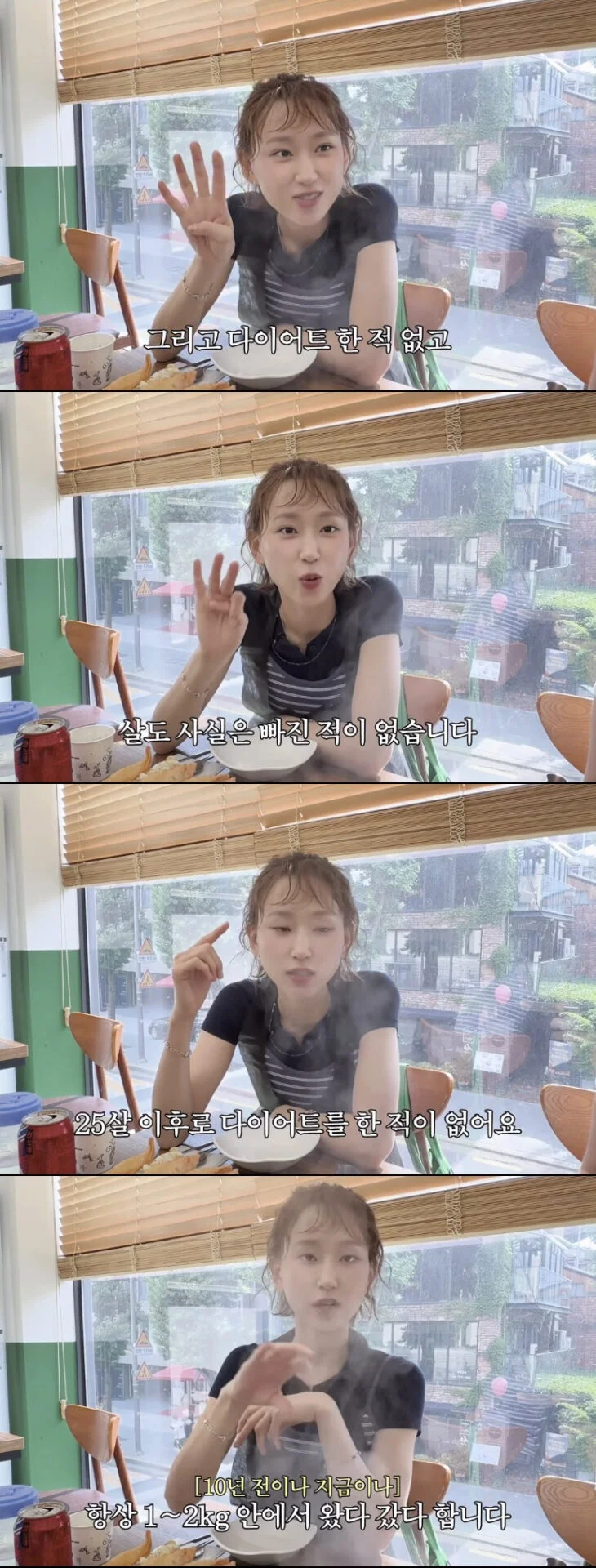
Korean actress Ryu Hye Young has directly addressed a recent surge of public concern regarding her noticeably thin figure, clarifying that her physique is a natural result of body changes and consistent exercise rather than intentional dieting. The actress, known for her compelling roles and approachable demeanor, took to her YouTube channel to provide a detailed explanation, aiming to dispel speculation and foster a healthier understanding of body image in the public eye.
The genesis of these public discussions largely stemmed from Ryu Hye Young’s recent appearance on MBC’s popular reality television show, I Live Alone. The program, which offers an unscripted glimpse into the daily lives of single celebrities, showcased various aspects of Ryu Hye Young’s routine. Viewers observed her engaging in slow-running exercises and meticulously preparing a high-protein meal, specifically a raw fish bibimbap, after stating, "I became obsessed with needing to get enough protein." While her commitment to health and wellness was evident, her visibly slender frame prompted a wave of comments across social media platforms and online communities, with many expressing worry about her well-being and speculating about potential extreme dieting practices.
Responding to these concerns, Ryu Hye Young released a short video on July 16th, aptly titled "The Truth About Dieting?" on her YouTube channel, managed by her production team. In the video, filmed while she was eating, the actress directly confronted the rumors. "I’ve never dieted or lost weight. I haven’t dieted since I was 25," she asserted, offering a clear and unequivocal statement about her dietary habits. She further elaborated on the natural evolution of her body, explaining, "I used to have baby fat on my cheeks and body. That eventually went away, and you could say it’s also because of exercise. I’ve kept working out consistently, but after changing instructors, I focused hard on posture correction exercises." She concluded her explanation by stating, "My weight really hasn’t changed. It always fluctuates within 1 to 2 kilograms. This is my explanation time." Her candidness aimed to reassure fans and correct any misconceptions that had arisen from her television appearance.
The Chronology of Public Scrutiny and Response
The timeline of events leading to Ryu Hye Young’s clarification highlights the rapid pace at which public perception can form and evolve in the digital age. Concerns began to mount shortly after her segment on I Live Alone aired, likely in the weeks leading up to her July 16th video release. The show’s broadcast, reaching a wide audience across South Korea and internationally, provided an intimate look at her lifestyle. While such programs are designed to foster connection between celebrities and their fans, they also inadvertently expose stars to intense public scrutiny, particularly concerning physical appearance, a pervasive issue within the Korean entertainment industry.
The immediate aftermath of the I Live Alone episode saw a noticeable uptick in online discussions, with many netizens expressing a mix of concern and speculation. Comments ranged from genuine worries about her health to critical assessments of her physique, reflecting the often-unfiltered nature of online discourse. This period of heightened public commentary likely prompted Ryu Hye Young and her team to consider a direct response. Her decision to use her personal YouTube channel for this clarification is noteworthy. It bypassed traditional media filters, allowing her to communicate directly and authentically with her audience, providing a personal perspective on a topic that had become a public talking point. The July 16th video served as a definitive statement, aiming to put an end to the speculation and redirect the conversation towards understanding rather than judgment.
Understanding South Korean Beauty Standards and Celebrity Scrutiny
Ryu Hye Young’s experience is not isolated but rather emblematic of a broader phenomenon within South Korean society, where beauty standards are notably stringent and public scrutiny of celebrity appearances is intense. The "ideal" physique for women in the entertainment industry often leans towards extreme thinness, often referred to as "S-line" or "V-line" (referring to body and facial contours, respectively). This pervasive cultural emphasis on appearance is deeply ingrained, influenced by historical beauty ideals, the robust K-pop and K-drama industries, and the widespread use of social media and cosmetic procedures.
Celebrities, as public figures and trendsetters, are under immense pressure to conform to these ideals. Their bodies are frequently discussed, analyzed, and critiqued by fans, media, and even industry insiders. This environment can create a difficult tightrope walk for stars: maintaining a healthy lifestyle while simultaneously navigating unrealistic expectations and the constant threat of public judgment. Reports from various cultural studies and sociological analyses consistently point to high levels of body dissatisfaction and disordered eating patterns among young South Koreans, often exacerbated by media portrayals of celebrity bodies. While there has been a growing movement towards body positivity and acceptance in recent years, traditional beauty standards still exert significant influence, making it challenging for celebrities to deviate from the norm without attracting criticism or concern. Ryu Hye Young’s situation underscores the delicate balance celebrities must strike between maintaining their personal health and managing public perceptions in a culture that places a premium on physical aesthetics.
The Broader Discourse on Body Image in Entertainment
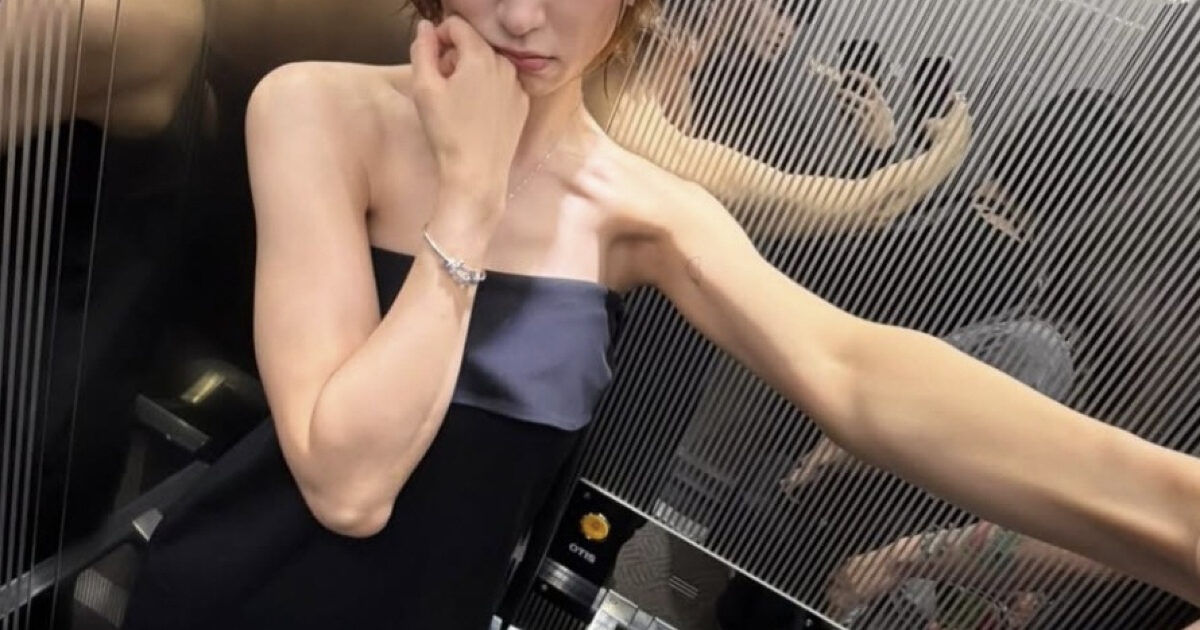
Beyond the specific context of South Korea, the issue of celebrity body image and public scrutiny is a global phenomenon. From Hollywood to Bollywood, and indeed throughout the K-entertainment sphere, stars frequently face intense examination of their weight, shape, and overall appearance. This pervasive focus often overshadows their artistic achievements and personal lives, turning their bodies into public property for discussion and judgment.
The entertainment industry, by its very nature, often promotes idealized images. Historically, these ideals have leaned towards slender figures for women and muscular builds for men. This perpetuates a cycle where celebrities feel pressured to maintain certain physiques, sometimes at the expense of their health, to secure roles, endorsement deals, and public favor. This pressure is compounded by the rise of social media, which provides an instant, unfiltered platform for millions to comment on celebrity appearances, often without considering the individual’s well-being or genetic predispositions.
The implications of such scrutiny are far-reaching. Numerous studies have linked constant public judgment of appearance to increased rates of anxiety, depression, and eating disorders among celebrities. Furthermore, it sets an unhealthy precedent for the general public, particularly impressionable youth, who may internalize these unattainable ideals and develop negative self-perceptions. Movements advocating for body positivity, diversity in representation, and mental health awareness have gained significant traction in recent years, challenging the long-standing norms. These movements seek to shift the narrative from external validation based on appearance to internal acceptance and holistic well-being. Ryu Hye Young’s decision to clarify her situation contributes to this broader discourse, highlighting the need for empathy and understanding when discussing public figures’ bodies.
Health and Public Perception: A Delicate Balance
The public’s response to Ryu Hye Young’s figure, while perhaps well-intentioned in some cases, highlights the complex and often problematic intersection of health, celebrity, and public perception. When a public figure appears noticeably thin, a common reaction is to assume deliberate, and potentially unhealthy, weight loss practices. This assumption often stems from a societal narrative that equates thinness with dieting and fatness with indulgence, overlooking the vast spectrum of natural body types, metabolic rates, and individual health journeys.
Health professionals consistently emphasize that a person’s weight is influenced by a myriad of factors, including genetics, metabolism, lifestyle, age, and underlying health conditions. Attributing a slender physique solely to "dieting" oversimplifies a complex biological and personal reality. Moreover, the very act of publicly commenting on someone’s body, even with expressed concern, can be detrimental. Such comments can inadvertently contribute to body shaming, perpetuate unrealistic beauty standards, and exacerbate body image issues for both the celebrity in question and the audience.
In Ryu Hye Young’s case, her explanation of natural changes (loss of "baby fat") and consistent, health-focused exercise (posture correction) provides crucial context. It underscores that her current physique is a result of a personal and natural trajectory, not a forced adherence to a specific aesthetic ideal. Her clarification serves as an important reminder that health is not always visually apparent and that judging someone’s well-being based solely on their outward appearance can be misleading and harmful. The challenge for the public lies in distinguishing genuine concern for health from the tendency to scrutinize and impose societal beauty standards, fostering an environment where individuals, including celebrities, can exist in their natural bodies without undue judgment.
The Role of Media and Social Platforms
The rapid dissemination of information and the instant feedback loops provided by modern media and social platforms play a pivotal role in shaping and amplifying public discourse around celebrity bodies. Programs like MBC’s I Live Alone offer unprecedented access to the private lives of stars, often without the explicit intention of scrutinizing their appearance. However, the very nature of such intimate portrayals can inadvertently invite intense public observation and commentary.
When a celebrity’s daily routine, including their eating habits and exercise regimens, is broadcast to millions, every detail becomes a potential talking point. The visual nature of television means that physical appearance is immediately front and center. While I Live Alone aims to humanize celebrities, it also places them under a microscope, making them vulnerable to both praise and criticism regarding their bodies.
Social media platforms, such as Twitter, Instagram, and YouTube, further complicate this dynamic. They serve as immediate arenas for public discussion, allowing fans and critics alike to share opinions instantaneously. This unfiltered environment can quickly escalate individual observations into widespread concerns or criticisms, as seen with Ryu Hye Young. However, these platforms also offer celebrities a powerful tool for direct communication. Ryu Hye Young’s choice to address the concerns via her YouTube channel demonstrates the strategic use of personal platforms to reclaim the narrative. By speaking directly to her audience, she bypassed traditional media filters and delivered an authentic, unedited message, asserting her truth and attempting to control the discourse surrounding her body. This dual nature of social media – both a source of intense scrutiny and a means of direct response – highlights its complex and evolving role in the celebrity-public relationship.

Expert Perspectives on Health and Weight
From a medical and nutritional standpoint, Ryu Hye Young’s explanation aligns with common physiological processes. The concept of "baby fat" naturally diminishing with age is well-documented; many individuals experience a change in body composition as they mature from their early twenties into adulthood, losing some subcutaneous fat and gaining muscle mass, especially with consistent exercise. Furthermore, a natural weight fluctuation of 1 to 2 kilograms is considered entirely normal for most adults, influenced by hydration, diet, hormonal cycles, and activity levels.
Nutritionists and exercise physiologists consistently advocate for a holistic approach to health that emphasizes balanced nutrition, regular physical activity, adequate sleep, and mental well-being, rather than focusing solely on a specific number on the scale. They often warn against the dangers of comparing one’s body to others, particularly celebrities, whose public images may be influenced by professional demands, specific roles, or even photo editing. Dr. Kim Min-joo, a Seoul-based nutritionist specializing in celebrity health, commented in a general context on such situations, "It’s crucial to remember that every individual’s body is unique. Genetic factors play a significant role in body type and metabolism. What might appear ‘thin’ to one person could be a healthy and natural state for another, especially if they are maintaining a consistent exercise regimen focused on strength and posture."
Psychologists also weigh in on the impact of public commentary on body image. Dr. Lee Ji-hyun, a clinical psychologist, noted, "The constant public discussion of a celebrity’s weight, even if framed as concern, can be incredibly damaging. It reinforces the idea that one’s worth is tied to their physical appearance and can lead to heightened anxiety, self-consciousness, and even disordered eating behaviors for the person being scrutinized. It also sends a harmful message to the general public, particularly young people, about what constitutes an ‘acceptable’ or ‘healthy’ body." These expert perspectives underscore the importance of refraining from making assumptions about someone’s health based solely on their appearance and highlight the broader societal responsibility in fostering a more body-positive and empathetic culture.
Implications for the Entertainment Industry
Ryu Hye Young’s public clarification carries significant implications for the South Korean entertainment industry and beyond. Her direct approach challenges the long-standing unspoken expectation that celebrities silently endure public scrutiny regarding their bodies. By speaking out, she joins a growing number of public figures globally who are choosing to reclaim their narratives and advocate for body autonomy.
This incident may encourage talent agencies and management companies to reconsider their strategies for managing celebrity image and public relations. Historically, many agencies have focused on maintaining idealized appearances, sometimes at the expense of their artists’ well-being. Ryu Hye Young’s situation highlights the need for a more nuanced approach that prioritizes mental and physical health, while also empowering artists to address personal issues authentically. It could also prompt a re-evaluation of how reality shows portray celebrity lifestyles, urging production teams to be more mindful of the potential for misinterpretation and the subsequent impact on the individuals involved.
Furthermore, this event contributes to the ongoing evolution of beauty standards within the industry. While the pressure for thinness remains strong, there is a gradual shift towards promoting healthier, more diverse body types. Celebrity voices, like Ryu Hye Young’s, are instrumental in driving this change by normalizing natural body variations and challenging the monolithic ideals that have dominated for too long. Ultimately, such open dialogues foster a more transparent and responsible entertainment landscape, where the focus can shift back to talent, artistry, and genuine human connection, rather than superficial appearances.
In conclusion, Ryu Hye Young’s direct and candid response to concerns about her physique serves as a powerful reminder of the complexities surrounding celebrity body image. Her explanation, rooted in natural physiological changes and consistent health-focused exercise, aims to foster a more understanding and less judgmental public discourse. This incident underscores the ongoing societal conversation about beauty standards, the intense scrutiny faced by public figures, and the crucial role of both media and individuals in promoting body positivity, mental well-being, and a more empathetic approach to discussing personal health.

