
 By Lina Hope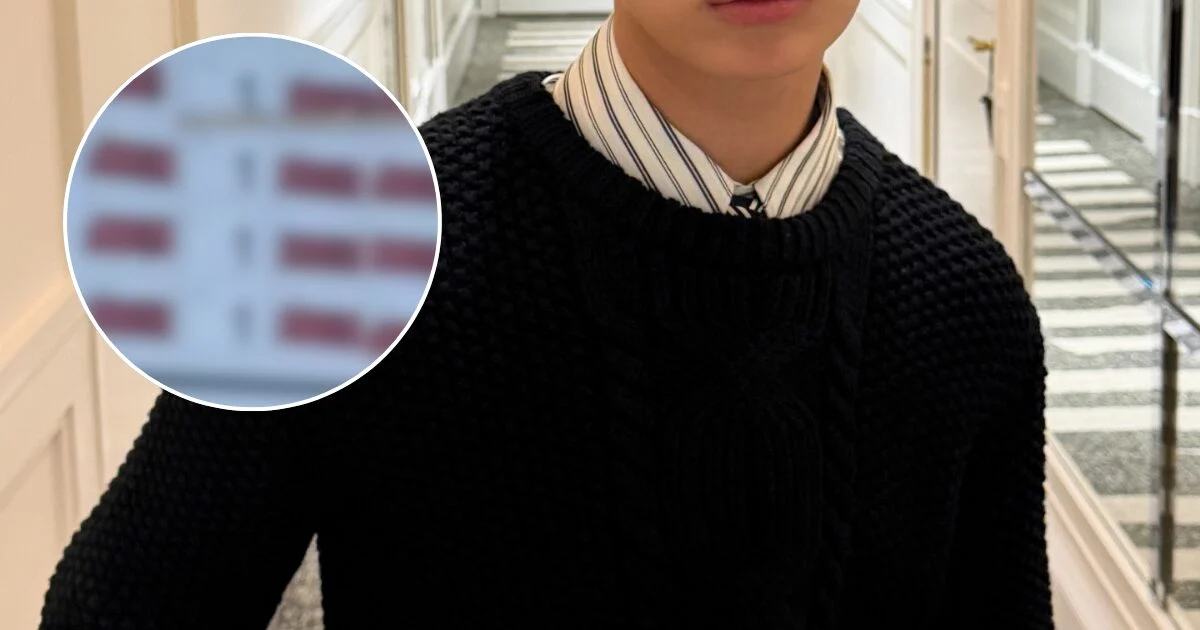
The K-pop industry is often defined by its metrics—album sales, digital chart positions, and, perhaps most visibly to concert-goers, merchandise availability. For CORTIS, the latest powerhouse boy group under the Bighit Music umbrella, their inaugural world tour, titled "PUT YOUR PHONE DOWN," was intended to be a celebratory milestone marking their transition from rookies to global stars. However, a single image captured during the tour’s domestic leg in Incheon has ignited a firestorm of discussion regarding the stark disparity in popularity among group members, specifically focusing on member James. The viral photo, which displays a merchandise status board, has sparked a wave of sympathy and heartbreak among international netizens, highlighting the often-harsh reality of domestic versus global fandom dynamics within the HYBE ecosystem.
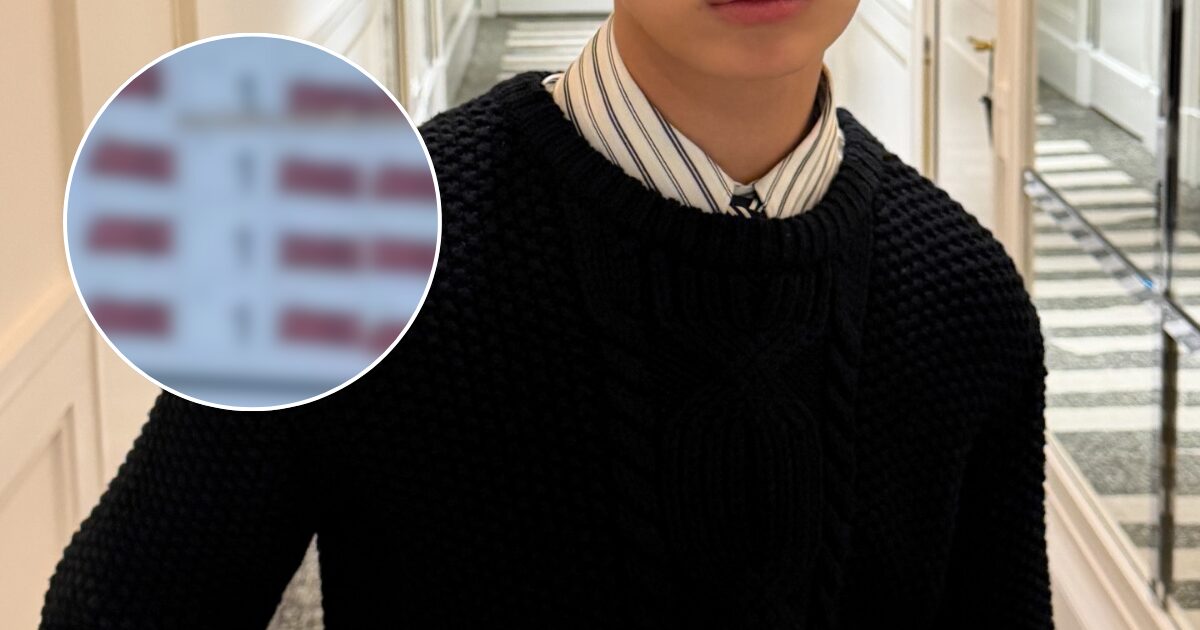
The controversy began to circulate following the CORTIS "PUT YOUR PHONE DOWN" concert held in Incheon on July 19, 2026. As fans gathered at the venue, a tradition in K-pop concerts involves monitoring the "sold out" status of individual member merchandise, which typically includes pickets, photo cards, and clothing items. A video uploaded to TikTok and subsequently shared across X (formerly Twitter) revealed a merchandise board where every size and item for nearly all members had been marked with "Sold Out" stickers. The glaring exception was the column dedicated to James. According to the visual evidence, James’s merchandise remained fully in stock across all categories and sizes, even as the concert was well underway.
For many onlookers, the image was more than just a logistical update; it was a visual representation of a member being "left behind" by the domestic audience. James, who has consistently been a favorite among international fans for his performance skills and charismatic persona, appeared to face a cold reception in South Korea. The contrast was particularly jarring given that CORTIS is managed by Bighit Music, a subsidiary of HYBE, a company known for producing groups with massive, balanced fandoms like BTS and TXT.
The Chronology of the "PUT YOUR PHONE DOWN" Tour Controversies
The merchandise incident does not exist in a vacuum but is rather the latest in a series of hurdles the group has faced during their 2026 tour. The "PUT YOUR PHONE DOWN" tour was conceptualized as an immersive experience, yet it has been plagued by administrative and creative friction since its announcement.
Earlier in the tour, CORTIS faced significant backlash regarding the concert’s structure and fan engagement protocols. Reports surfaced that Bighit Music attempted to "fix" certain controversial elements of the show overnight following the opening night. These changes, which included modifications to the setlist and fan interaction segments, reportedly backfired, leading to a surge of fans demanding refunds. Critics argued that the sudden changes felt disjointed and lacked the polish expected from a HYBE-managed production.
Against this backdrop of organizational instability, the lack of domestic support for James has become a focal point for fan frustration. While the group as a whole continues to sell out venues, the internal popularity gap has raised questions about how Bighit Music markets individual members to the Korean public versus the global market.
Analyzing the Popularity Gap: Global vs. Domestic Fandoms
The phenomenon of the "Global Favorite" who struggles domestically is not unique to James or CORTIS, but it is rarely documented so explicitly through merchandise sales. In the K-pop industry, domestic Korean fans (K-fans) and international fans (I-fans) often prioritize different qualities in an idol. While international audiences may gravitate toward a member’s "vibe," stage presence, or international background, domestic audiences often emphasize specific visual standards, variety show charisma, or "relatability" within the Korean cultural context.

Data from social media engagement and international streaming platforms suggests that James is one of the most "biased" members globally. His individual fancams often garner the highest view counts in regions such as North America, Europe, and Southeast Asia. However, the Incheon merchandise board suggests that this digital popularity has not translated into "boots on the ground" purchasing power within South Korea.
Industry analysts point out that domestic popularity is often driven by "solo stanning" or "akgae" culture, where fans dedicate their financial resources exclusively to one member. When a member lacks a strong domestic individual fanbase, it becomes painfully obvious at physical events. The viral photo of the unsold merch serves as a "picket line" of sorts, where the absence of stickers becomes a public metric of a member’s standing within the local community.
Netizen Reactions and the Emotional Impact on Idols
The reaction to the viral photo was immediate and largely sympathetic. On platforms like TikTok, the original video was flooded with comments from fans expressing their distress. Phrases like "Did he do something bad?" and "This is heartbreaking" trended as fans grappled with the visual evidence of James being overlooked. Some fans pointed out that idols often see these boards themselves, or are made aware of them by staff, which can have a profound impact on their mental health and confidence.
One viral comment noted, "Some of these people did not deserve those tickets. To see every other member sold out and one person completely ignored is a level of cruelty that shouldn’t exist in a fandom." Others criticized the "meritocracy" of K-pop, where a member’s value is often reduced to how quickly their plastic pickets sell out.

There is also a growing discourse regarding the "HYBE effect." Being part of a major conglomerate brings immense visibility, but it also subjects idols to intense scrutiny. In a group where every member is expected to be a "top-tier" star, the pressure to maintain equal popularity is immense. For James, the disparity in Incheon may be a reflection of the domestic market’s current saturation and the difficulty for newer idols to break through into the general public’s consciousness.
Strategic Implications for Bighit Music and HYBE
From a management perspective, the unsold merchandise represents a missed opportunity and a potential branding risk. In the K-pop business model, merchandise sales are a high-margin revenue stream. If a company overestimates the domestic demand for one member while underestimating others, it leads to inventory imbalances and negative optics.
Moving forward, Bighit Music may need to recalibrate its promotional strategy for James within South Korea. This could involve:
- Targeted Domestic Variety Appearances: Increasing James’s visibility on Korean television and digital variety content to build a "friendly" and "relatable" image.
- Strategic Stocking: Adjusting merchandise production levels to reflect regional demand, though this carries the risk of further highlighting popularity gaps if not handled discreetly.
- Solo Projects: Providing James with individual opportunities, such as OSTs or fashion collaborations, that appeal specifically to the Korean market’s sensibilities.
The "PUT YOUR PHONE DOWN" tour is scheduled to continue through several international territories, including Japan, the United States, and parts of Europe. It is widely expected that the merchandise situation will flip in these regions, with James’s items likely being among the first to sell out. However, the "heartbreak" of the Incheon show remains a poignant reminder of the fractured nature of modern K-pop fandoms.

Broader Impact on the K-pop Industry
The viral incident involving James and CORTIS highlights a growing trend in the "Fifth Generation" of K-pop, where groups are increasingly designed for global consumption from day one. As companies like HYBE prioritize global charts (such as Billboard and Spotify), the traditional "base" of the Korean domestic fandom is sometimes treated as a secondary consideration. This can lead to a "hollow" domestic presence where a group is world-famous but can walk down the streets of Seoul unrecognized.
For idols, this creates a dual reality. They may perform to sold-out stadiums abroad while feeling undervalued or ignored at home. The psychological toll of this discrepancy is a topic of increasing concern among industry observers. The "shocking viral photo" of James’s unsold merchandise is not just a story about a boy group member; it is a commentary on the evolving economics of fame in the digital age, where "popularity" is no longer a monolithic concept but a fragmented, regional, and often volatile metric.
As CORTIS moves forward with their tour, the focus will likely remain on James and how he navigates this public realization of his domestic standing. Fans continue to rally behind him, hoping that the global support he receives will eventually force a shift in his domestic perception. For now, the image of the Incheon merchandise board stands as a stark testament to the complexities of idol stardom in 2026.

