
 By Lina Hope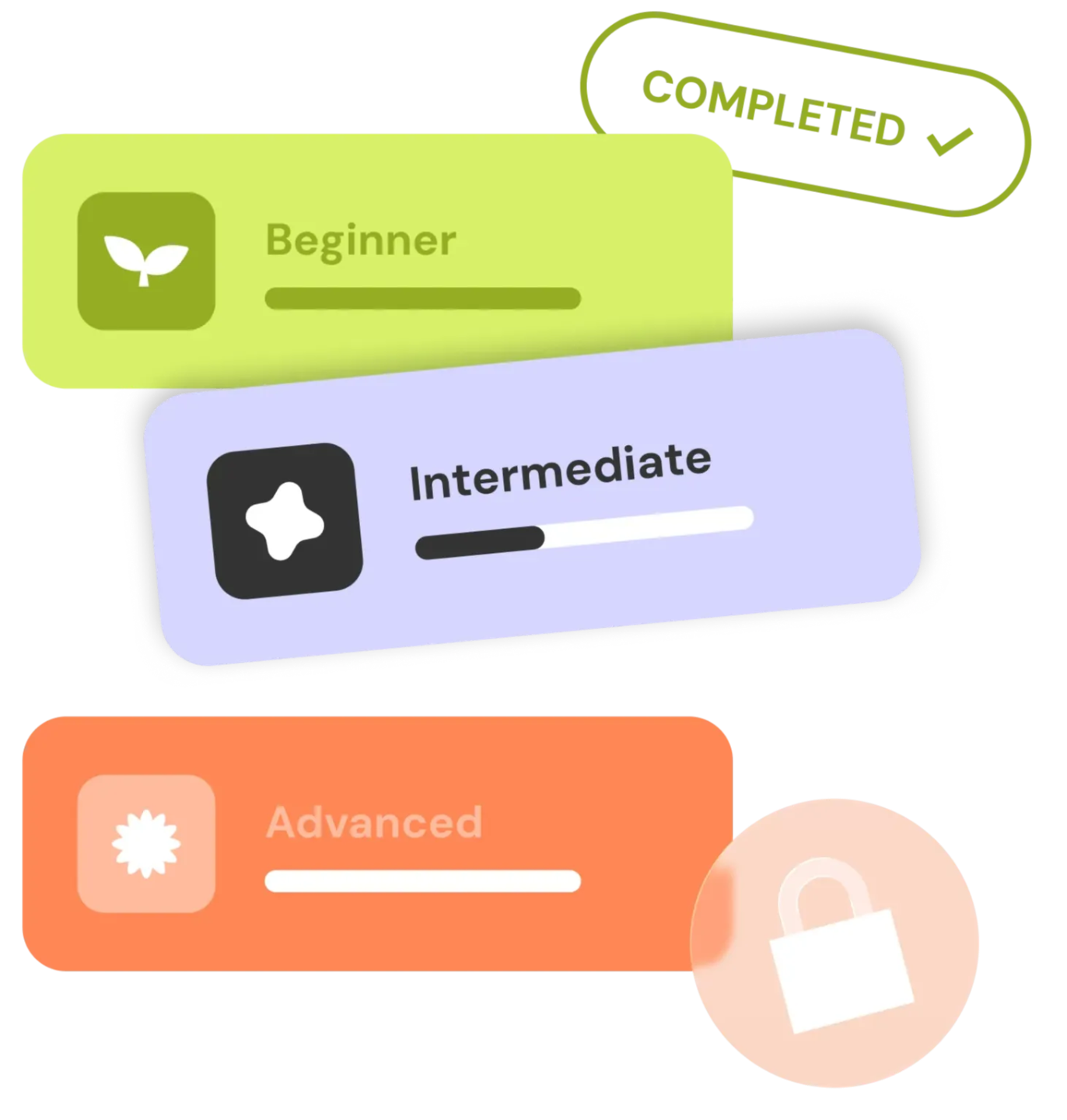
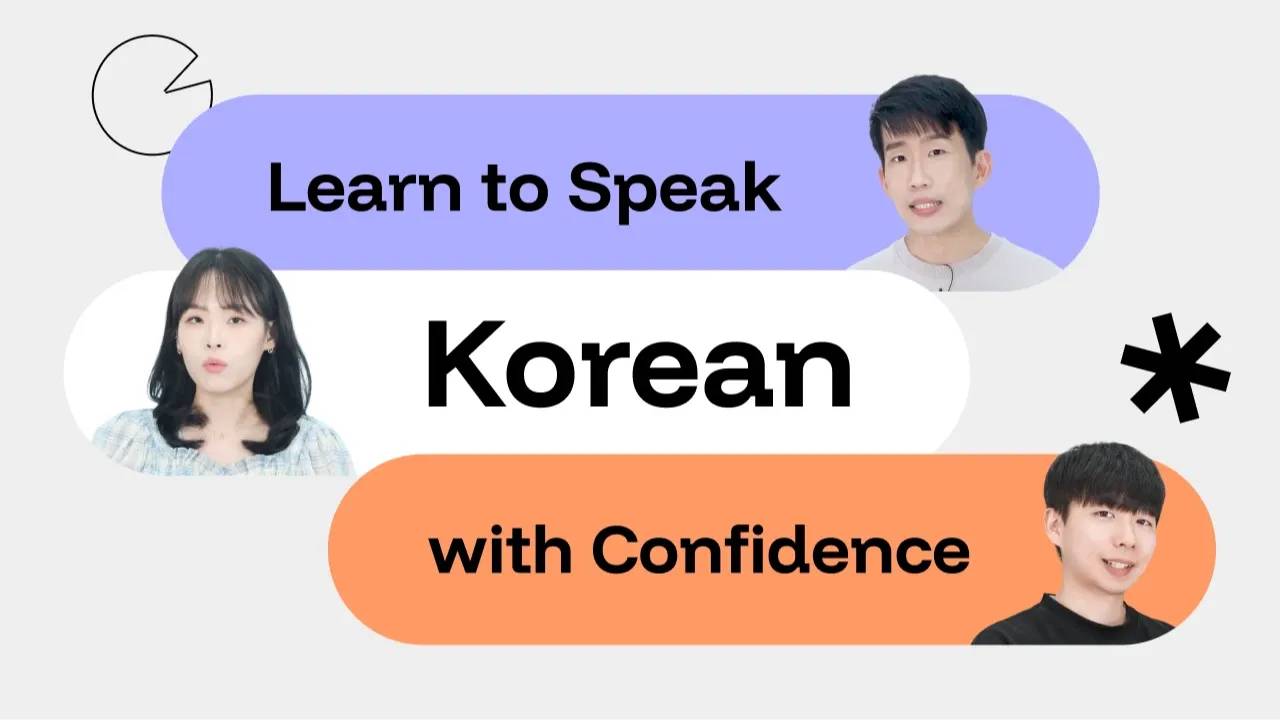
In the digital age, where language-learning applications often prioritize gamification over grammatical depth, one platform has quietly revolutionized the way the world engages with the Korean language. Talk To Me In Korean (TTMIK), founded in 2009, has emerged as a cornerstone of linguistic pedagogy, bridging the gap between casual interest and functional fluency. With over two million learners worldwide and a curriculum refined over more than a decade and a half, TTMIK represents a shift away from superficial "streak-based" learning toward a structured, sustainable, and academically rigorous approach to Korean acquisition.
The Genesis of a Global Phenomenon: A Chronology
The story of Talk To Me In Korean is not merely a tale of an ed-tech startup; it is a chronicle of a changing cultural landscape. When the platform was launched in 2009, the "Hallyu" or "Korean Wave" was in its nascent stages, yet to reach the global saturation point of the 2020s.
2009–2012: Establishing the Foundation
The platform began with a simple but profound premise: that Korean, a language often perceived as daunting due to its unique script and complex honorific systems, could be mastered if broken down into logical, incremental steps. By providing free, accessible audio lessons, the founders identified a massive, underserved global audience hungry for authentic content.
2013–2018: Scaling the Curriculum
As the popularity of K-pop and Korean cinema exploded, so did the demand for deeper instruction. TTMIK expanded its offerings beyond basic conversation, introducing structured workbooks, comprehensive grammar guides, and specialized courses. During this period, they published dozens of titles, eventually reaching 48 published books that have sold over one million copies worldwide, solidifying their reputation as both a digital and print authority.
2019–Present: The Ecosystem of Fluency
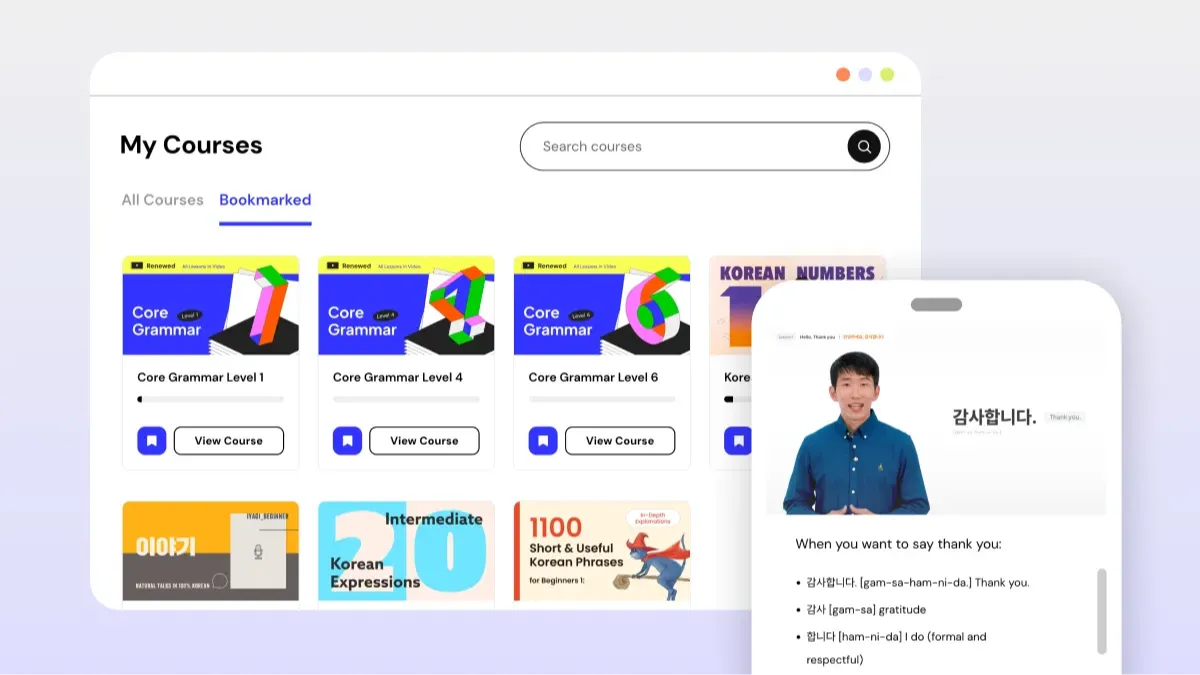
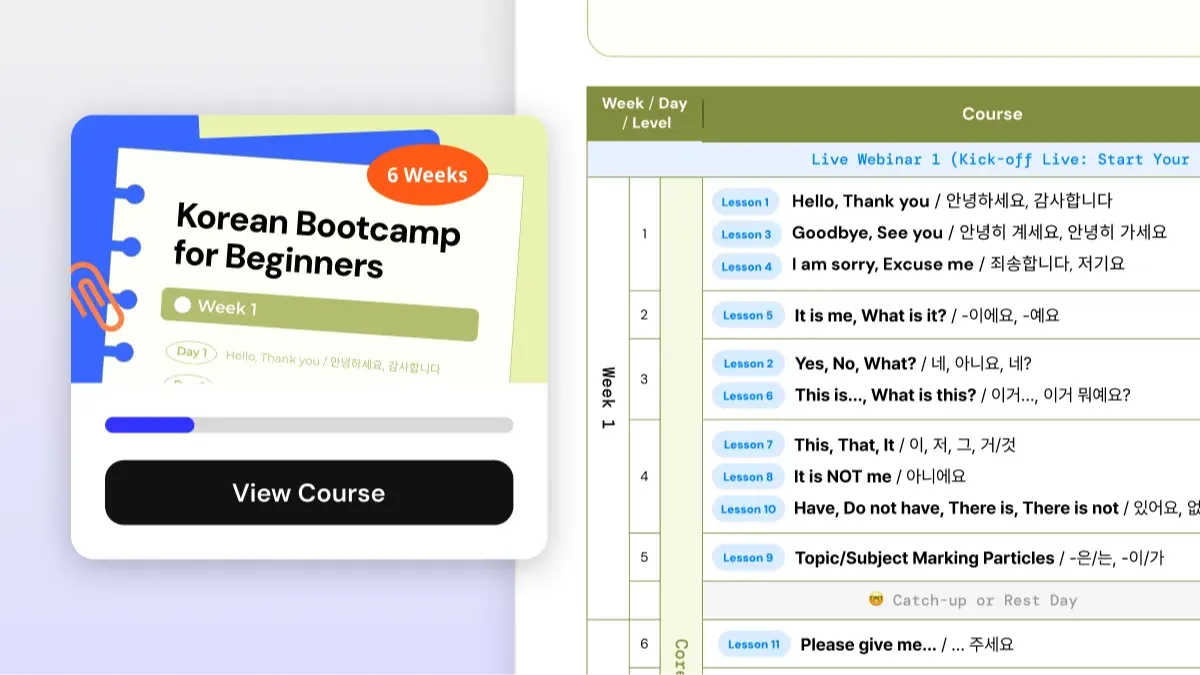
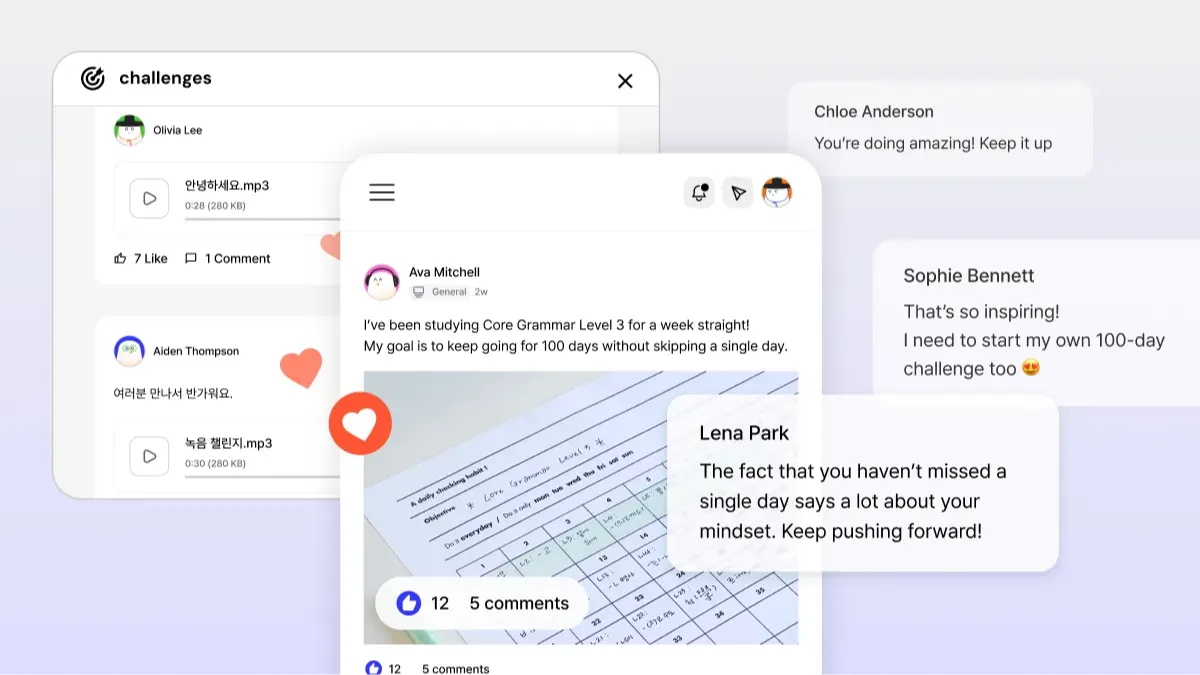
Today, TTMIK is no longer just a podcast or a series of blog posts. It has evolved into a comprehensive ecosystem. The current infrastructure includes a robust subscription service offering over 1,700 lessons, intensive "Bootcamp" programs for those requiring external accountability, and a vibrant community hub designed to combat the isolation often felt by independent language learners.
Decoding the Methodology: The "One Lesson, Four Steps" System
What separates TTMIK from its competitors is its pedagogical philosophy. While many apps utilize repetitive drills, TTMIK operates on a "One Lesson, Four Steps" methodology. Each module is designed to shepherd the learner through a cognitive cycle: warming up, absorbing new concepts, practicing speaking, and executing a final review.
This system addresses a common pain point in modern education: the difference between understanding a rule and being able to deploy it in a real-world conversation. By requiring active participation—specifically through the speaking phase—the curriculum ensures that learners do not become "passive consumers" of language content. Instead, they are pushed to become active producers of the language from the very first lesson.
The Data Behind the Pedagogy: Quantifying Success
The efficacy of Talk To Me In Korean is supported by metrics that reflect long-term engagement rather than short-term usage spikes.
- Global Reach: More than two million learners have utilized the platform to navigate the complexities of the Korean language.
- Curriculum Density: The repository of 1,700+ lessons is the result of 16 years of iterative refinement, shaped heavily by feedback from a massive YouTube audience of over 2.1 million subscribers.
- Commercial Validation: With over one million books sold, the platform has proven that learners are willing to invest in high-quality, physical educational materials to complement their digital studies.
These figures illustrate a clear trend: as the global interest in Korea continues to rise, the demand for structured, high-quality, and reliable educational pathways is growing in tandem.
Bridging the Gap: Tailored Learning Paths
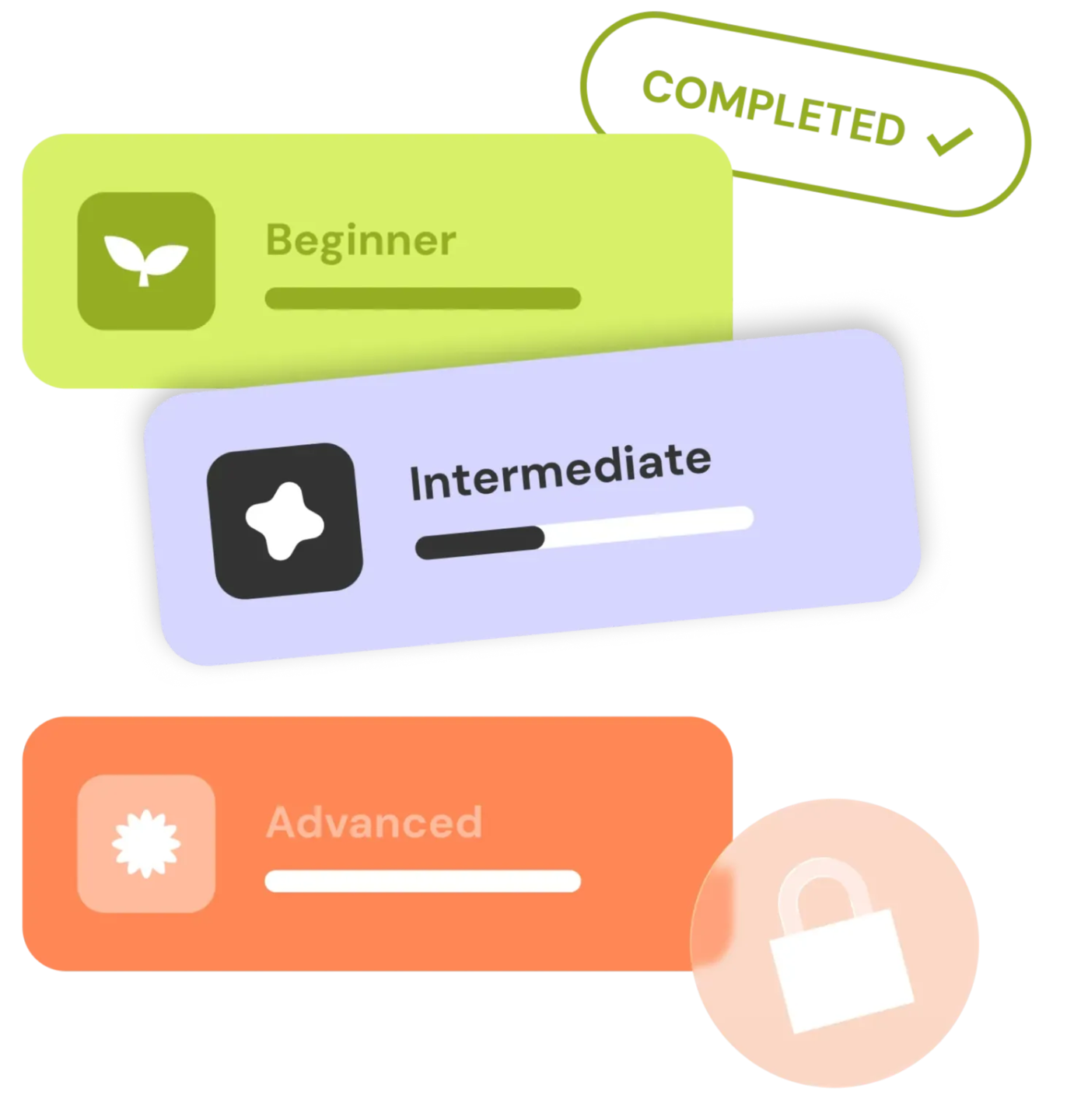
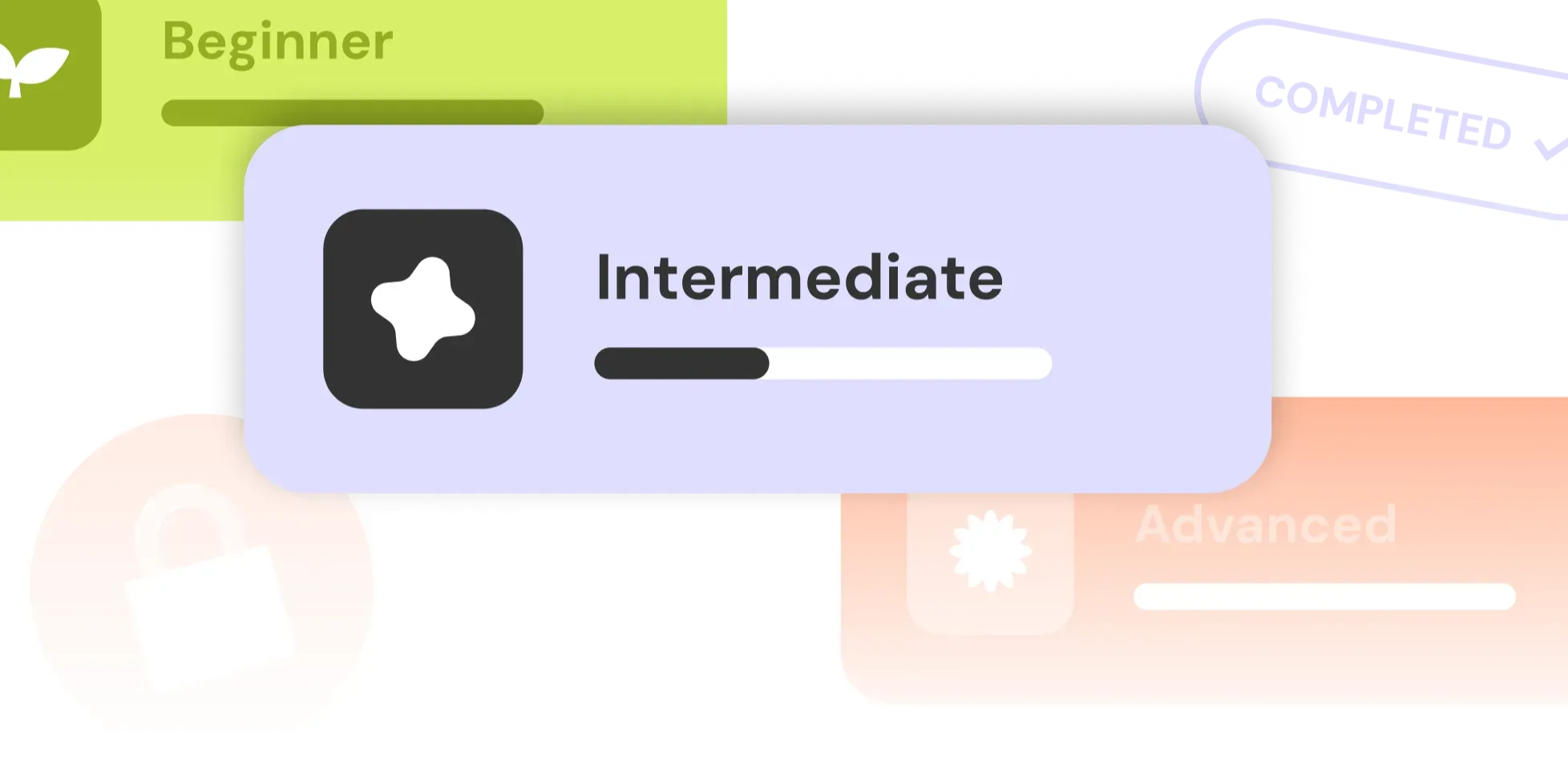
One of the most daunting aspects of learning a language is the uncertainty of where to begin. TTMIK mitigates this "learner’s paralysis" through a multi-tiered approach to education:
- The Subscription Model: This is the foundational tier, granting access to the entire library of lessons across web and mobile platforms. It is designed for the independent learner who values flexibility.
- Bootcamp Programs: For those who struggle with self-discipline, the Bootcamps introduce a layer of "the good kind of pressure"—structured schedules, deadlines, and cohort-based progression.
- Community Engagement: Recognizing that language is fundamentally a social endeavor, the community aspect of the platform provides a space for learners to connect, share their progress, and solve problems collectively.
For newcomers, the platform offers a "3-minute level test." This simple, efficient diagnostic tool ensures that learners do not waste time on material that is either too rudimentary or too advanced. By correctly identifying the starting point, the platform increases the likelihood of long-term retention and reduces the risk of early burnout.
Official Perspectives: The Philosophy of "Right Steps, Right Order"
The leadership at Talk To Me In Korean maintains that the key to mastering Korean is not innate talent, but rather the sequence of exposure. "Anyone can learn Korean with the right steps, in the right order," is the core mantra of the organization.
The development of their curriculum is deeply collaborative. By engaging with a community of millions, the team has been able to identify the specific hurdles that native English speakers (and other language speakers) face when encountering Korean grammar. This feedback loop has resulted in a curriculum that feels personal, responsive, and constantly evolving.
The Implications for the Future of Language Learning
The rise of platforms like TTMIK signals a shift in the broader education sector. As artificial intelligence and machine learning continue to transform language instruction, the human element—the deliberate, logical structuring of lessons by experienced educators—remains the gold standard.
The implications for the learner are significant. By choosing a structured, long-term program over "quick-fix" solutions, students are essentially investing in a skill that will last a lifetime. The shift from "gaming" a language to "mastering" a language is what the TTMIK model promotes.
Furthermore, the integration of both digital and physical learning materials suggests that the "hybrid" model is the most effective. While the convenience of a mobile app allows for daily practice, the depth provided by physical books and structured bootcamps provides the necessary foundation for true fluency.
Navigating the Path Forward: A Call to Action
For those who have been hesitant to begin or those who have stalled in their progress, the message from the TTMIK ecosystem is clear: the path to your first real conversation is likely shorter than you imagine.
Whether one chooses to start with a single lesson to gauge the pedagogical style or commits to a full 7-day trial of the subscription service, the emphasis is on immediate, actionable progress. The platform has effectively democratized access to high-quality Korean language instruction, proving that with the right guidance, the barrier to entry for one of the world’s most fascinating languages is lower than ever before.
As the global community continues to turn its attention toward Korea, the role of educators like Talk To Me In Korean becomes increasingly vital. By prioritizing structural integrity and learner success, they are not just teaching a language; they are facilitating cross-cultural connection in an increasingly globalized world. The 16-year journey of TTMIK serves as a blueprint for how digital education should function: with empathy, with data, and with an unwavering commitment to the learner’s goal of achieving authentic, conversational fluency.
 Jia Lissa
  Asep Darmawan
  Layla Zulfa
