
 By Asro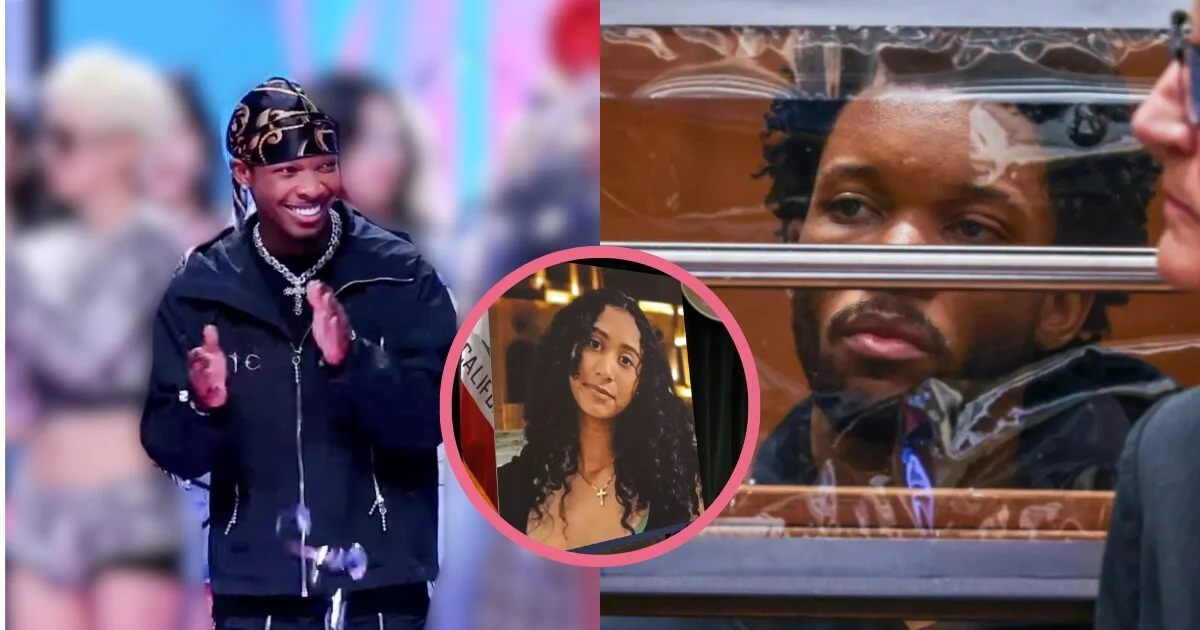
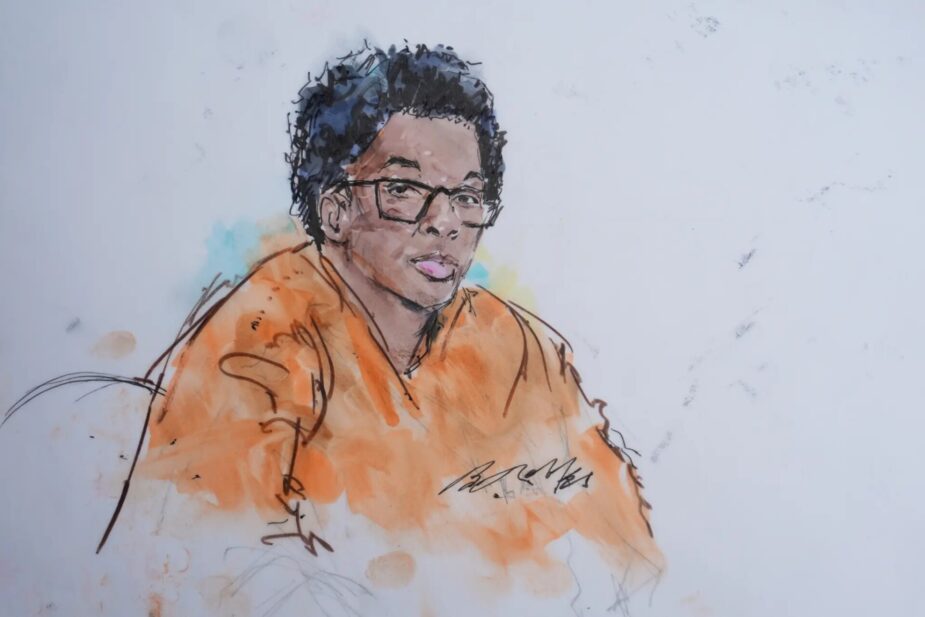
The legal proceedings surrounding the chilling murder of 14-year-old Celeste Rivas Hernandez have entered a critical phase as preliminary hearings continue in a Los Angeles courtroom. The case, which has sent shockwaves through the international music community and the public alike, involves the rising indie-pop artist known as D4vd, legally identified as David Anthony Burke. As prosecutors present a harrowing narrative of violence, concealment, and a dual life lived in the spotlight, the court is tasked with determining whether sufficient evidence exists to proceed to a full criminal trial. The details emerging from the testimony paint a stark contrast between the defendant’s burgeoning career as a global sensation and the alleged brutality that occurred behind closed doors during the height of his professional ascent.
The Discovery of the Victim and Initial Investigation
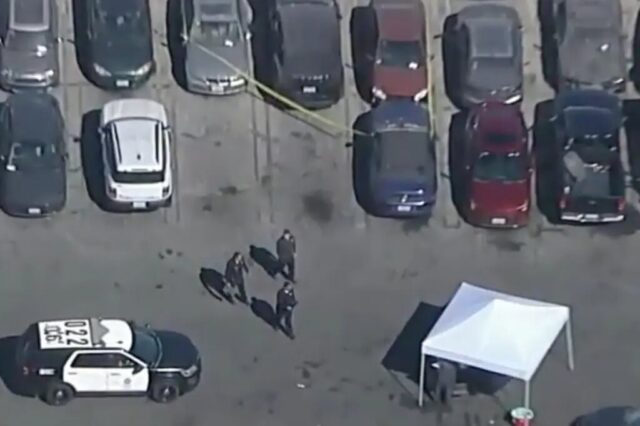
The investigation began in earnest on September 9, 2025, following a report made to the Los Angeles Police Department (LAPD) regarding a suspicious vehicle. According to police records, workers at a local impound lot noticed an increasingly pungent and "foul odor" emanating from a white Tesla that had been sitting on the property for several days. Upon inspection, officers discovered a large bag concealed within the vehicle. Inside the bag were the remains of a young female, later identified as Celeste Rivas Hernandez.
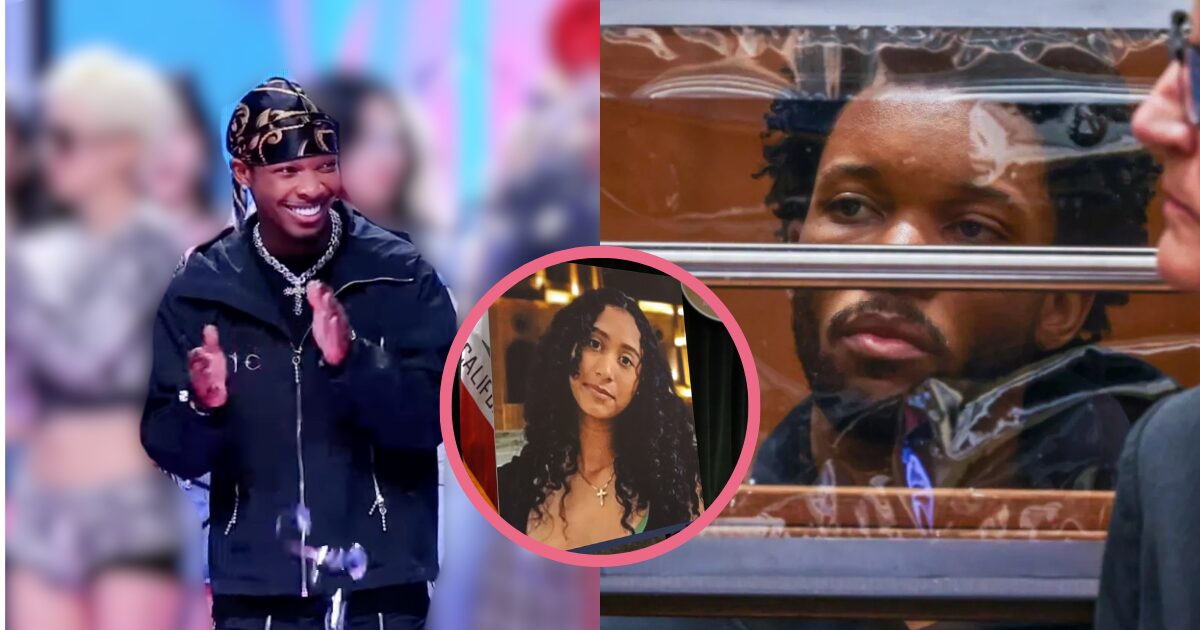
Forensic experts and investigators quickly linked the vehicle to David Anthony Burke. The discovery of a body in a car registered to a high-profile artist immediately transformed a missing person’s inquiry into a high-stakes homicide investigation. Preliminary autopsy reports indicated that the victim had suffered multiple traumatic injuries, and the state of the remains suggested that the body had been moved and stored in varying conditions before the vehicle was impounded. This discovery served as the catalyst for a deeper dive into Burke’s personal life, revealing a connection between the singer and the minor that had reportedly spanned several years—a revelation that has raised serious questions regarding the nature of their relationship and the failure of protective systems.
A Timeline of Alleged Violence and Deception
The prosecution’s case is built upon a meticulous timeline that traces Burke’s actions from the spring of 2025 through his eventual arrest. According to court documents and prosecutorial statements, the violence began on April 23, 2025. Prosecutors allege that Burke lured Hernandez to his residence under false pretenses. Once inside, he is accused of stabbing the teenager and intentionally allowing her to bleed to death. The prosecution argues that this was not an impulsive act but a calculated crime, followed by a series of efforts to establish a viable alibi.
In the weeks following the alleged murder, Burke reportedly continued his life as a rising star while simultaneously managing the disposal of the victim’s remains. On May 5, 2025, after allegedly purchasing various cleaning and disposal supplies, Burke is believed to have mutilated the body. The prosecution presented evidence suggesting that Burke made multiple trips to a dump site on May 8 and May 31, presumably to discard evidence or parts of the remains.

Perhaps the most disturbing evidence presented during the preliminary hearings involved the specific mutilation of the victim’s hands. Photos shown to the court revealed that the victim’s fingers had been removed. Prosecutors allege this was a deliberate attempt to hide tattoos on Hernandez’s fingers that were directly linked to Burke, thereby severing a visible physical connection between the victim and the accused.
The Professional Facade: Performance and Promotion
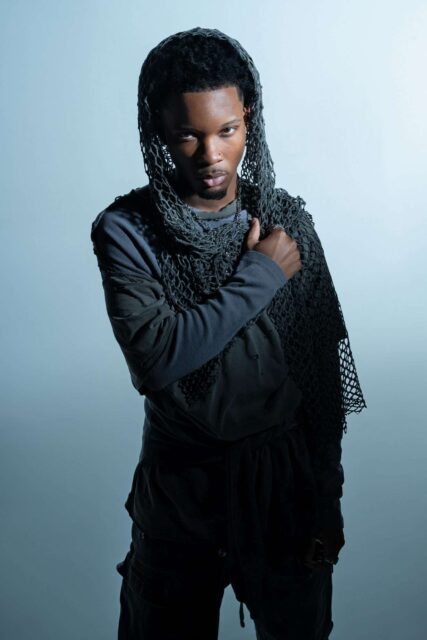
One of the most unsettling aspects of the case is the juxtaposition of the alleged crimes with Burke’s public appearances. On May 23, 2025—exactly one month after the alleged murder and eighteen days after the alleged mutilation—Burke traveled to Seoul, South Korea, to perform on the popular music program M!Countdown. During this trip, he was seen interacting with prominent K-Pop artists, engaging with fans, and participating in the high-energy environment of the international music industry.
Footage of his performances and busking sessions in the streets of Seoul remained online for months, showing a young man who appeared focused on his craft and the promotion of his debut album. The prosecution highlighted these activities not just to show Burke’s whereabouts, but to illustrate a perceived lack of remorse and a high level of calculated normalcy following a violent act. Since the allegations became public, several networks and platforms, including YouTube, have moved to scrub his performances from their archives, though some fan-captured footage and promotional content continue to circulate as the public grapples with the severity of the charges.
Financial Motives and the Price of Fame
A significant portion of the preliminary testimony focused on the potential financial motives behind the crime and the subsequent cover-up. Patrick Steinfeld, the attorney representing the family of Celeste Rivas Hernandez, provided testimony regarding Burke’s financial standing at the time of the incident. According to court records, Burke was in the midst of a massive career rollout for his debut album, which included lucrative contract guarantees.
"He had guarantees of a minimum of $3 million and a maximum guarantee of $6 million with bonuses that increase," Steinfeld stated during the hearing. He noted that the family of the victim was "shocked" and "jaw-dropped" to learn the scale of the wealth Burke was accumulating. The prosecution posits that the fear of a scandal involving a minor—which would have inevitably derailed these multi-million dollar deals and ended his career—served as a primary motivator for the murder and the elaborate attempts to conceal the body. The "rollout" of the album, usually a period of celebration for an artist, is now being viewed through the lens of a desperate attempt to maintain a clean public image at any cost.
Reactions from the Family and Legal Representatives
The atmosphere in the courtroom has been described as heavy, particularly when forensic photographs were displayed. The family of Celeste Rivas Hernandez has maintained a steady presence at the hearings, supported by their legal counsel. Patrick Steinfeld emphasized that the family is seeking justice for a life cut tragically short and expressed their horror at the details of the mutilation.
The defense, meanwhile, has sought to challenge the narrative of premeditation and the validity of the forensic links. While the defense has yet to present its full case, their strategy appears to focus on questioning the chain of custody of the vehicle and the timeline established by the LAPD. However, the sheer volume of digital and physical evidence—including the registration of the Tesla, the purchase records for supplies, and the geographical data from the vehicle’s GPS—presents a significant challenge for the defendant’s legal team.
Broader Impact on the Music Industry and Social Safety
The case against D4vd has ignited a broader conversation regarding the safety of minors within the orbit of the music industry. The allegation that a 14-year-old was in a long-term relationship with an adult artist highlights systemic failures in oversight. Industry analysts suggest that this case may lead to stricter vetting processes and a demand for greater accountability for labels and management teams regarding the personal conduct of their artists.
Furthermore, the "cancel culture" phenomenon has taken a back seat to the gravity of the legal situation. Unlike minor controversies, the nature of these charges has led to a near-total blackout of Burke’s professional presence. The case serves as a grim reminder of the potential for dark realities to exist behind the curated personas of social media and entertainment.
Conclusion and Next Steps
The preliminary hearings are expected to conclude by the end of the week. At that point, the judge will rule on whether the prosecution has met the "probable cause" burden of proof required to move the case to trial. If the case proceeds, it will likely be one of the most high-profile murder trials in Los Angeles in recent years, given the defendant’s celebrity status and the gruesome nature of the evidence.
For the family of Celeste Rivas Hernandez, the legal process is a grueling but necessary path toward closure. As the community awaits the court’s decision, the focus remains on the victim—a 14-year-old girl whose life was allegedly stolen for the sake of a career and a contract. The legal system now faces the task of untangling a web of fame, money, and violence to determine the truth behind the tragic discovery in an impound lot in Los Angeles.

