
 By Laily UPN
On August 6, the official YouTube channel for the legendary South Korean alternative hip-hop group Epik High released a new segment titled “How Dads Teach You to Win Love.” The video, which features the group’s three members—Tablo, Mithra Jin, and DJ Tukutz—serves as a platform for the seasoned musicians to offer relationship advice to their subscribers. Throughout the broadcast, the trio addressed various romantic dilemmas sent in by fans, providing a mix of pragmatic and idealistic counsel based on their personal life experiences. However, the highlight of the episode occurred when the conversation shifted from general dating philosophies to the specific standards they hold for their own children, particularly regarding Tablo’s daughter, Haru.
The discussion was sparked by a perennial question often debated in the realm of modern dating: “Who should I be happy with: the person I like or the person who likes me?” This inquiry prompted a split in opinion among the group members, revealing their differing approaches to emotional investment and partnership.
The Divergent Dating Philosophies of Epik High
Mithra Jin, known for his grounded and often pragmatic perspective, was the first to offer a definitive answer. He argued in favor of choosing the individual who expresses the most affection, stating that he would “100%” choose the person who likes him. His reasoning centered on the idea of emotional stability and the security that comes with being the primary object of someone’s affection. In a relationship where one is pursued, there is often a perceived sense of safety and a lower risk of heartbreak, a sentiment that resonates with many who prioritize long-term consistency over the volatility of unrequited passion.
In contrast, Tablo and DJ Tukutz adopted a more proactive and perhaps romanticized view. Both members asserted that they would prefer to date the person they personally liked, regardless of whether that affection was initially reciprocated with the same intensity. Tablo, the group’s leader and primary lyricist, elaborated on his personal dating philosophy by suggesting that the internal feeling of attraction is more vital to his own happiness than the external validation of being liked. “Honestly, it’s okay if they don’t like me,” Tablo remarked. “If I had to choose, I’d rather be with someone I like even if they don’t like me.”
This stance reflects a common theme in Tablo’s songwriting, which often explores the depths of human emotion, the complexities of longing, and the willingness to endure hardship for the sake of genuine feeling. By choosing the person he likes, Tablo emphasized the importance of personal agency and the fulfillment derived from pursuing one’s own desires, even in the face of potential rejection.
The Parental Pivot: A Shift in Perspective
The tone of the conversation shifted significantly when the show’s producers asked a follow-up question that challenged the consistency of their logic: “Can you say that to your daughter too?”
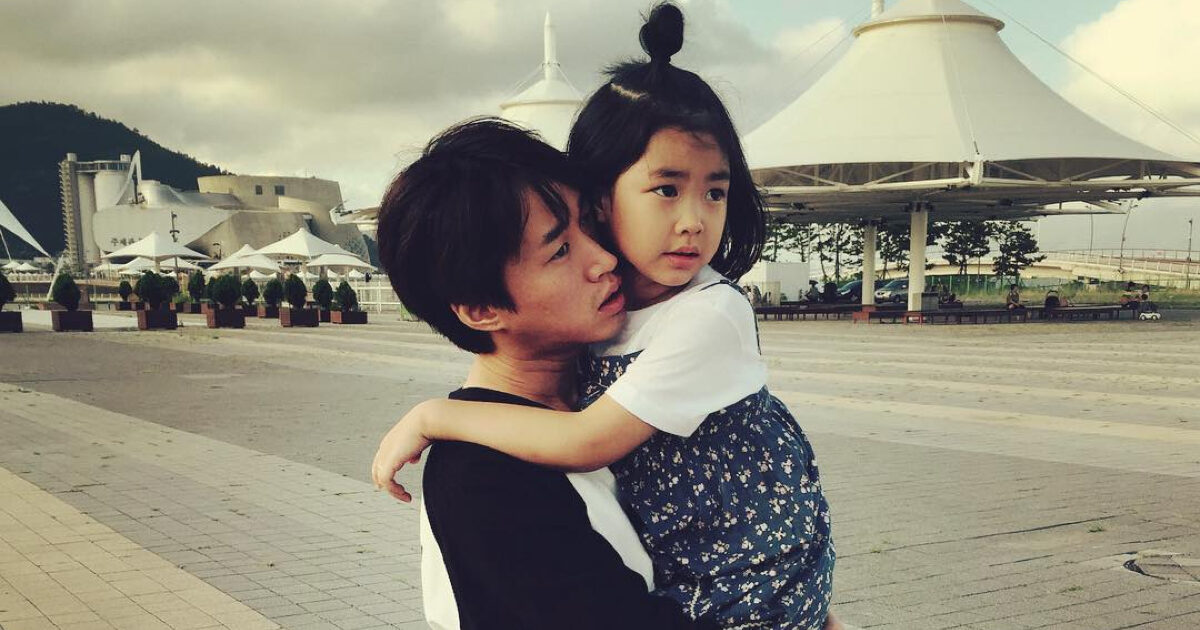
The reaction from DJ Tukutz and Tablo was immediate and visceral. The romantic idealism they applied to their own lives was instantly replaced by a protective, fatherly instinct. DJ Tukutz, laughing while raising his voice to emphasize the distinction, clarified that the rules for their children are entirely different. He insisted that he would advise his daughter to date someone who liked her, prioritizing her emotional well-being and the assurance that she is valued by her partner.
Tablo echoed this sentiment with even greater fervor. He underscored his protective nature by stating, “My daughter should be loved like crazy.” This declaration highlighted a clear dichotomy in his worldview: while he is willing to accept the risks and potential pain of unrequited love for himself, he demands a different standard for his daughter, Haru. For her, he envisions a life of being cherished and prioritized, shielded from the very emotional labor he claimed to be willing to undertake in his own romantic pursuits.
Background: Tablo, Kang Hye Jung, and the Public Eye
Tablo’s relationship with his daughter has been a subject of public fascination for over a decade. Tablo married the acclaimed actress Kang Hye Jung in 2009, and the couple welcomed their daughter, Haru, in 2010. The family gained widespread popularity through their appearance on the KBS reality variety show The Return of Superman, which aired Haru’s upbringing from 2013 to 2015.
During her time on the show, Haru became a beloved figure in South Korea and internationally, known for her unique personality, her love for marine life, and her deep bond with her father. The show provided an intimate look at Tablo’s parenting style, which was often characterized by his efforts to encourage Haru’s creativity and independence while providing a stable, loving environment. Even after their departure from the show, Tablo has continued to share glimpses of Haru’s growth via social media, though he has become more private as she has entered her teenage years.
The recent YouTube video serves as a reminder of the enduring nature of this bond. Tablo’s insistence that his daughter be “loved like crazy” aligns with the “daughter-fool” (ttal-babo) trope in Korean culture—a term used to describe fathers who are exceptionally doting and perhaps overly protective of their daughters.
Analytical Perspective: The Evolution of Epik High’s Image
The transition of Epik High from the “bad boys” of Korean hip-hop to “doting fathers” is a significant narrative arc in the history of the K-pop and K-hip-hop industries. Formed in 2001 and debuting in 2003, Epik High was initially known for their socially conscious lyrics, their willingness to challenge the censorship of the time, and their experimental sound.
As the members have aged and started families, their public personae have evolved. The themes in their music have shifted from youthful rebellion and existential angst to reflections on legacy, family, and the passage of time. This evolution has allowed them to maintain a long-term connection with their fanbase, many of whom have also grown up and started families of their own. The YouTube series “How Dads Teach You to Win Love” is a strategic extension of this brand evolution, positioning the members as elder statesmen who can offer wisdom on life’s most personal challenges.

Societal Implications and the "Daughter-Fool" Phenomenon
The dialogue presented in the video also reflects broader societal attitudes toward gender and protection within the family unit. The instinct to ensure a daughter is "loved more" than she loves is a common sentiment among many fathers globally, often rooted in a desire to protect them from the power imbalances that can occur in romantic relationships.
In the context of South Korean society, where traditional family values often intersect with modern dating complexities, Tablo’s comments resonate with a large demographic. The "ttal-babo" phenomenon is not merely about affection; it is about a generational shift where fathers are becoming more emotionally available and vocal about their devotion to their children, moving away from the more stoic, distant father figures of previous eras.
Chronology of Key Events
- October 2009: Tablo and actress Kang Hye Jung marry in a private ceremony.
- May 2010: The couple welcomes their daughter, Haru.
- November 2013: Tablo and Haru join the cast of The Return of Superman, bringing their father-daughter dynamic to a national audience.
- December 2014: After a year of immense popularity, Tablo and Haru announce their departure from the show to focus on Tablo’s music career and Haru’s schooling.
- 2015–Present: Tablo continues to balance his role as a member of Epik High with his responsibilities as a father, occasionally sharing updates on Haru’s interests and milestones.
- August 6, 2024: Epik High releases the YouTube video “How Dads Teach You to Win Love,” where Tablo’s protective stance on Haru’s future dating life goes viral.
Impact and Public Reaction
The reaction to the video has been overwhelmingly positive, with fans praising the members for their honesty and their relatable transition into fatherhood. On social media platforms and community forums, netizens have noted the heartwarming nature of Tablo’s comments. Many fans who have followed Epik High since their debut expressed a sense of nostalgia, seeing the rappers they once viewed as rebels now discussing the intricacies of parenting.
Furthermore, the video highlights the ongoing relevance of Epik High in the digital age. By utilizing YouTube to create long-form, conversational content, the group is able to bypass traditional media gatekeepers and speak directly to their audience. This approach not only strengthens their bond with existing fans but also introduces their personalities to a younger generation who may only know them through their classic hits.
In conclusion, Tablo’s recent remarks regarding his daughter Haru provide a window into the personal growth of one of hip-hop’s most influential figures. By articulating a standard of love for his daughter that exceeds what he expects for himself, Tablo reinforces his image as a dedicated father. As Haru continues to grow out of the public eye, it is clear that the foundation of support and “crazy love” promised by her father remains a central pillar of her upbringing. The episode serves as a testament to the fact that while artists may change their sound and their style over decades, their roles as parents often become their most significant and defining work.

