
 By Neng Nana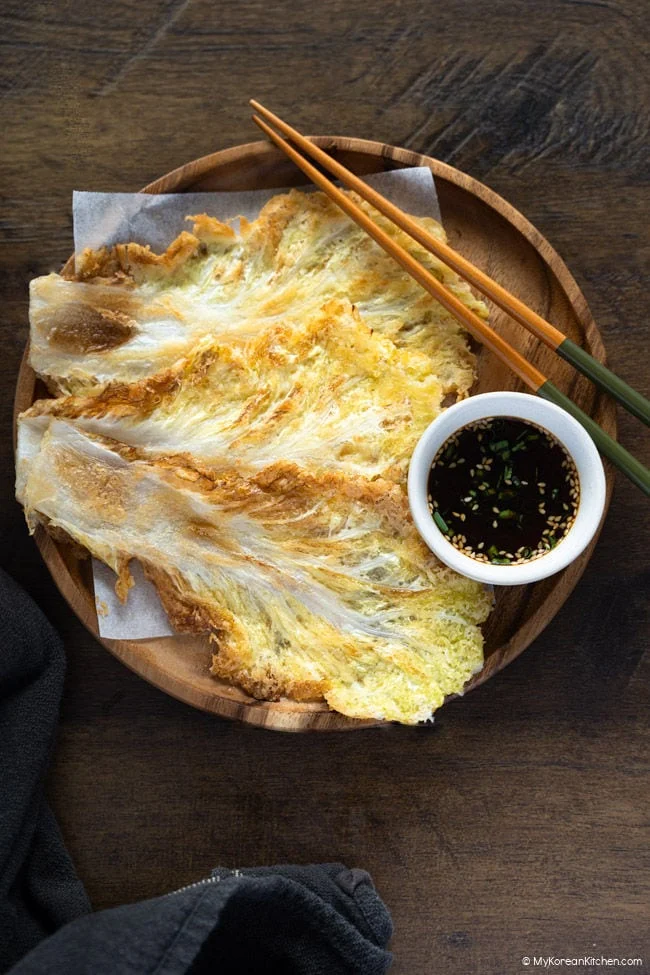
In the expansive landscape of Korean cuisine, where bold, fermented flavors and intricate banchan spreads often dominate the global culinary narrative, there exists a quieter, more meditative tradition. Among these understated treasures is Baechujeon (배추전)—a traditional Korean pancake crafted from the humble napa cabbage. While it lacks the vibrant, fiery hues of kimchi or the complex assembly of bibimbap, it remains a cornerstone of domestic comfort, representing a philosophy where the quality of the ingredient dictates the success of the dish.
The Essence of Baechujeon: Main Facts
Baechujeon is, at its core, an exercise in restraint. Unlike the more popular pajeon (scallion pancake) or kimchijeon (kimchi pancake), which often rely on a medley of seafood, meats, or spicy aromatics to create a complex profile, Baechujeon celebrates the napa cabbage in its most pristine state.
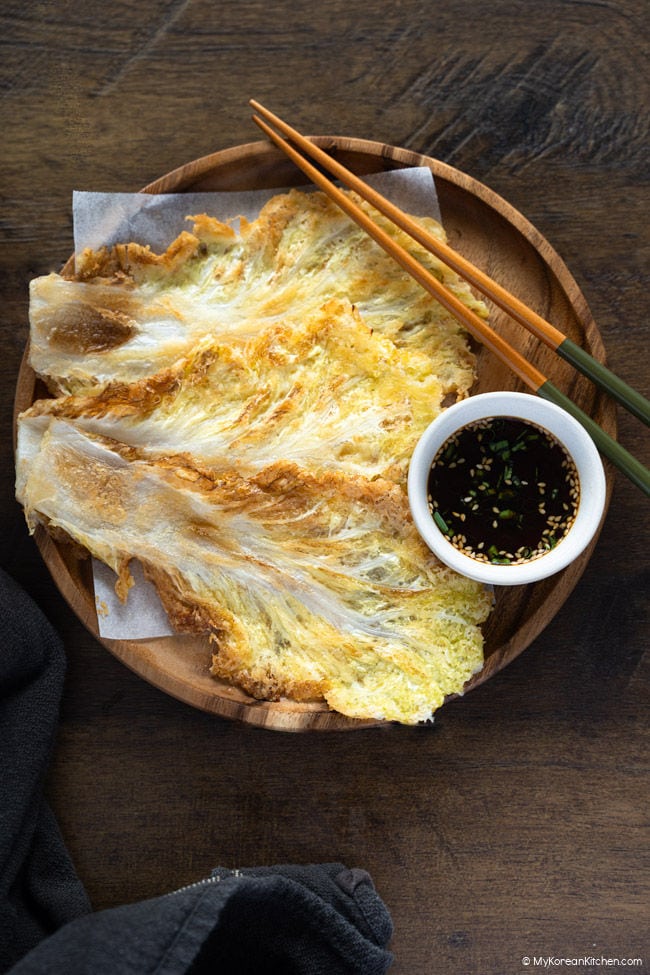
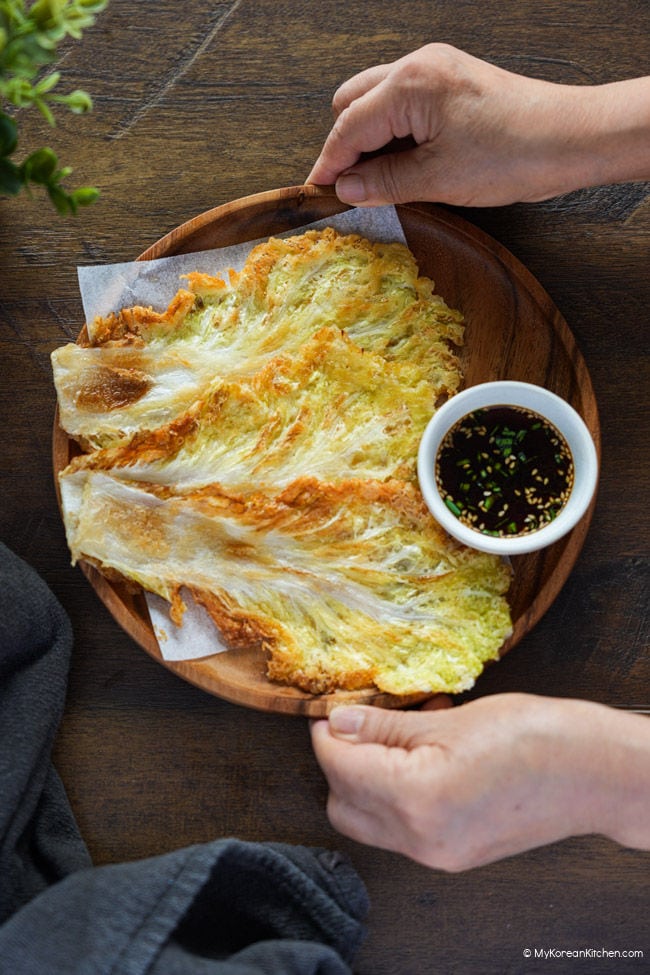
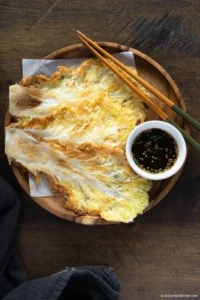
The dish consists of whole napa cabbage leaves lightly dipped in a thin, seasoned wheat-flour batter and pan-fried until the leaves turn tender and sweet, while the edges achieve a delicate, golden crispness. It is a seasonal dish, most cherished in the autumn and winter months when the napa cabbage is at its peak sweetness.
What elevates this specific iteration of the recipe is the intentional use of perilla oil and saeujeot (salted fermented shrimp). The perilla oil provides a distinct, nutty earthiness that grounds the natural, mild sugars of the cabbage, while the saeujeot introduces a subtle, savory salinity that acts as a bridge between the batter and the vegetable. It is a dish that proves that sophistication in the kitchen is not always defined by complexity, but by the thoughtful pairing of a few high-quality components.
A Culinary Chronology: From Farmstead to Modern Table
The history of the "jeon" (pan-fried dish) in Korea spans centuries, serving as a versatile way to prepare seasonal produce. Historically, pancakes were often associated with agricultural festivities and ancestral rites. However, the specific emergence of Baechujeon can be traced back to the regional traditions of the Korean peninsula, particularly in the north and the central provinces, where napa cabbage was the primary winter staple.
- Pre-Industrial Roots: Originally, these pancakes were a common "peasant" food. The leaves were harvested directly from the garden, salted to draw out moisture, and fried over wood-fired griddles. The salt-curing process was essential, as it allowed the cabbage to retain its structure during the frying process.
- The Evolution of Batter: Over decades, the flour used shifted from basic grain flours to refined wheat flours or pancake mixes, which allowed for a thinner, crispier coating.
- Contemporary Revival: In the 21st century, as the "slow food" movement gained traction in Seoul and beyond, Baechujeon underwent a culinary renaissance. Chefs began to highlight its minimalist nature, often pairing it with artisanal perilla oils, which have seen a surge in popularity due to their high Omega-3 content and unique flavor profile.
The Preparation: A Step-by-Step Technical Guide
Creating the perfect Baechujeon is a tactile experience. The process requires an attention to detail that ensures the cabbage remains the star of the show.
Phase 1: Preparing the Foundation
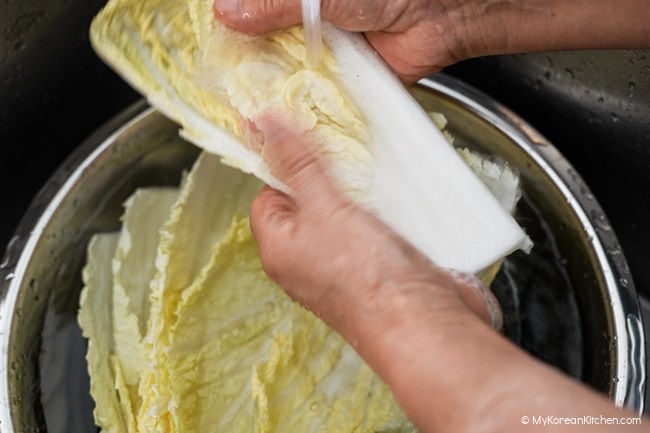
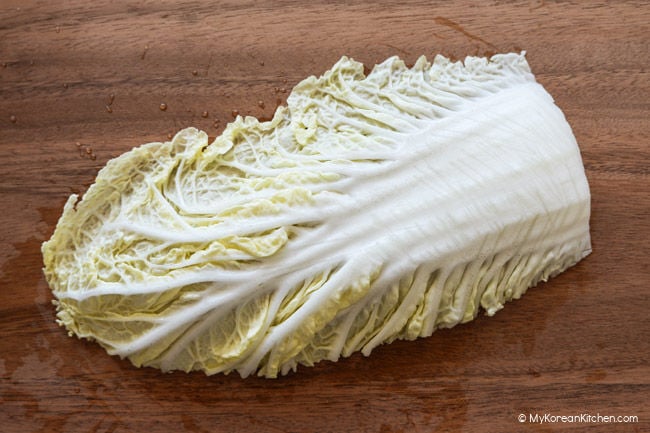
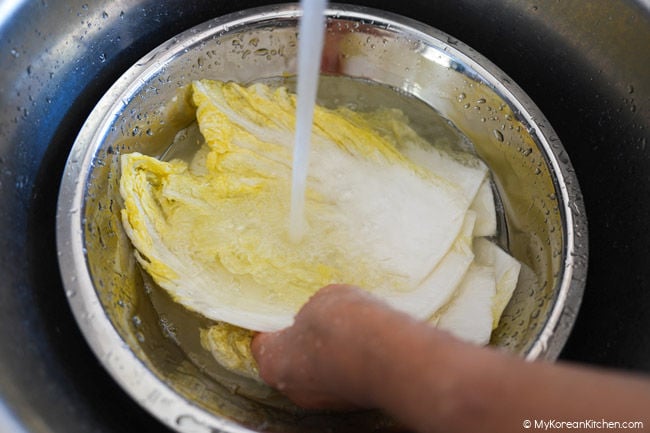
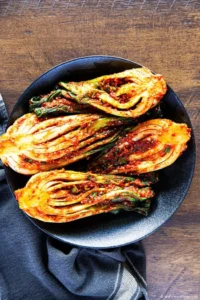
The journey begins with the napa cabbage. The leaves are separated and rinsed under cold, crisp water. To achieve the ideal texture, the thick, white stems must be addressed. A professional technique involves making shallow, diagonal incisions across the spine of the stem. This "scoring" serves two purposes: it allows the heat to penetrate the fibrous part of the cabbage, ensuring it cooks at the same rate as the delicate green leaves, and it makes the leaf pliable enough to lay flat in the pan.
Phase 2: The Osmosis Process
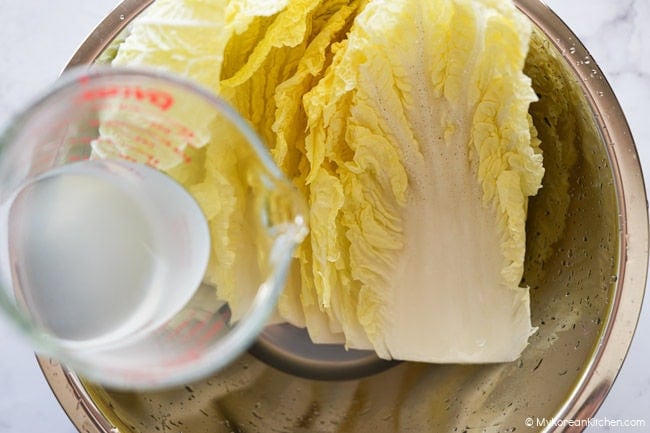
Salting the cabbage is not merely about flavor; it is a structural necessity. By soaking the leaves in a light salt-water brine for approximately five minutes, the excess water is drawn out. This prevents the pancake from becoming soggy during the frying process. After the soak, the leaves are rinsed and patted dry—a critical step, as too much moisture will cause the batter to slide off the cabbage.
Phase 3: The Batter and The Sear
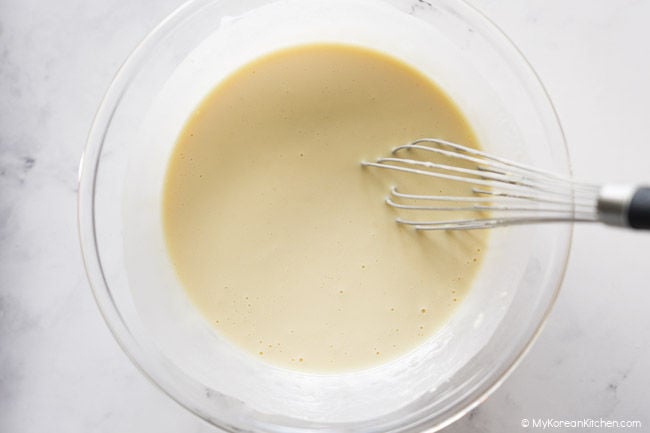
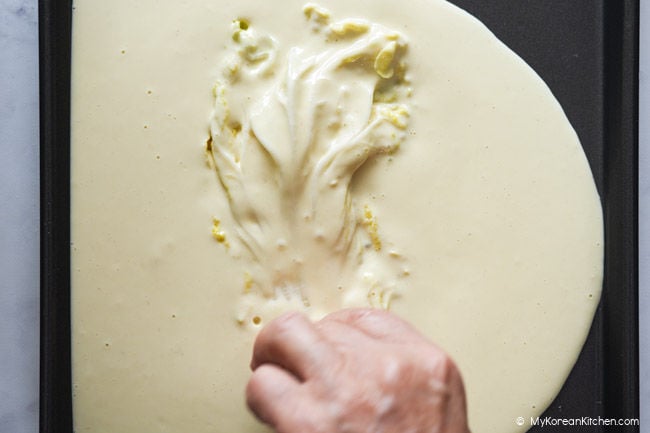
The batter must be kept thin. A common error is creating a thick, doughy coating. The goal is a light, translucent veil that protects the leaf while allowing it to steam within its own juices. The batter is prepared by whisking flour with water and a hint of seasonings.
When it comes to frying, the choice of oil is paramount. Perilla oil is the traditional choice, but it must be monitored closely as it has a lower smoke point than neutral vegetable oils. The leaves are dipped into the batter, ensuring only a thin, even layer remains, and are placed into the hot pan. The result should be a beautiful, golden-brown leaf with a texture that shifts from crisp at the fringes to tender and succulent at the center.
Supporting Data: Nutritional and Economic Context
While Baechujeon is often considered a "light" dish, its nutritional profile is surprisingly robust for a simple pancake.
- Caloric Efficiency: At approximately 54 kcal per serving, it serves as a low-calorie accompaniment to heavier meals.
- Micronutrient Profile: Napa cabbage is an excellent source of Vitamin C and Vitamin K, and provides a small but notable amount of fiber.
- The Role of Fats: By utilizing healthy fats like perilla oil, the dish provides essential fatty acids, making it a more balanced option compared to deep-fried alternatives.
Economically, Baechujeon remains one of the most accessible dishes in the Korean repertoire. The cost-to-satisfaction ratio is remarkably high, as the primary ingredient is an affordable, hardy vegetable that can be stored for long periods, making this a dish that can be prepared regardless of market fluctuations.
Professional Perspectives and Industry Impact
Culinary historians often point to Baechujeon as the "clean slate" of Korean cuisine. It is a dish that invites the palate to reset.
"In an era of hyper-stimulated flavors, there is a growing demand for the quiet, honest cooking represented by Baechujeon," says one food consultant specializing in Korean traditional cuisine. "When you remove the distraction of spicy sauces and heavy garnishes, you are left with the fundamental flavor of the earth. The addition of saeujeot—the fermented shrimp—provides that ‘umami’ backbone that keeps the dish from feeling one-dimensional."
The dish has also become a staple in "modern-traditional" fusion restaurants, where it is often served as a palate cleanser or a sophisticated appetizer paired with a dry, crisp Korean rice wine (makgeolli). The pairing of the nutty, savory pancake with the slightly sweet, effervescent wine is considered a classic interaction of flavor profiles in Korean culinary theory.
Implications: The Future of Traditional "Jeon"
As global interest in fermented and plant-forward diets continues to climb, dishes like Baechujeon are well-positioned for international adoption. Unlike kimchijeon, which requires a very specific, well-aged kimchi that might be challenging for a novice to acquire, Baechujeon uses ingredients found in virtually every supermarket in the world.
The shift toward ingredient-focused cooking suggests that the future of home dining lies in recipes that respect the vegetable. Baechujeon does not attempt to hide the cabbage behind layers of processed ingredients; it elevates it. For the home cook, it offers a pathway to mastering heat control, understanding the importance of moisture content in batters, and learning the delicate art of seasoning.
In conclusion, Baechujeon is more than a simple pancake. It is a reflection of a culinary culture that finds dignity in simplicity. It serves as a reminder that the best meals are often those that require the least modification, provided one has the patience to let the natural ingredients speak for themselves. Whether served as a quick afternoon snack or a refined side dish to a grand dinner, the humble cabbage pancake remains an enduring symbol of the warmth and intelligence of the Korean home kitchen.
 Raul Delapena Setiawan
  Asep Darmawan
  Nana Wu
