
 By rifanmuazin

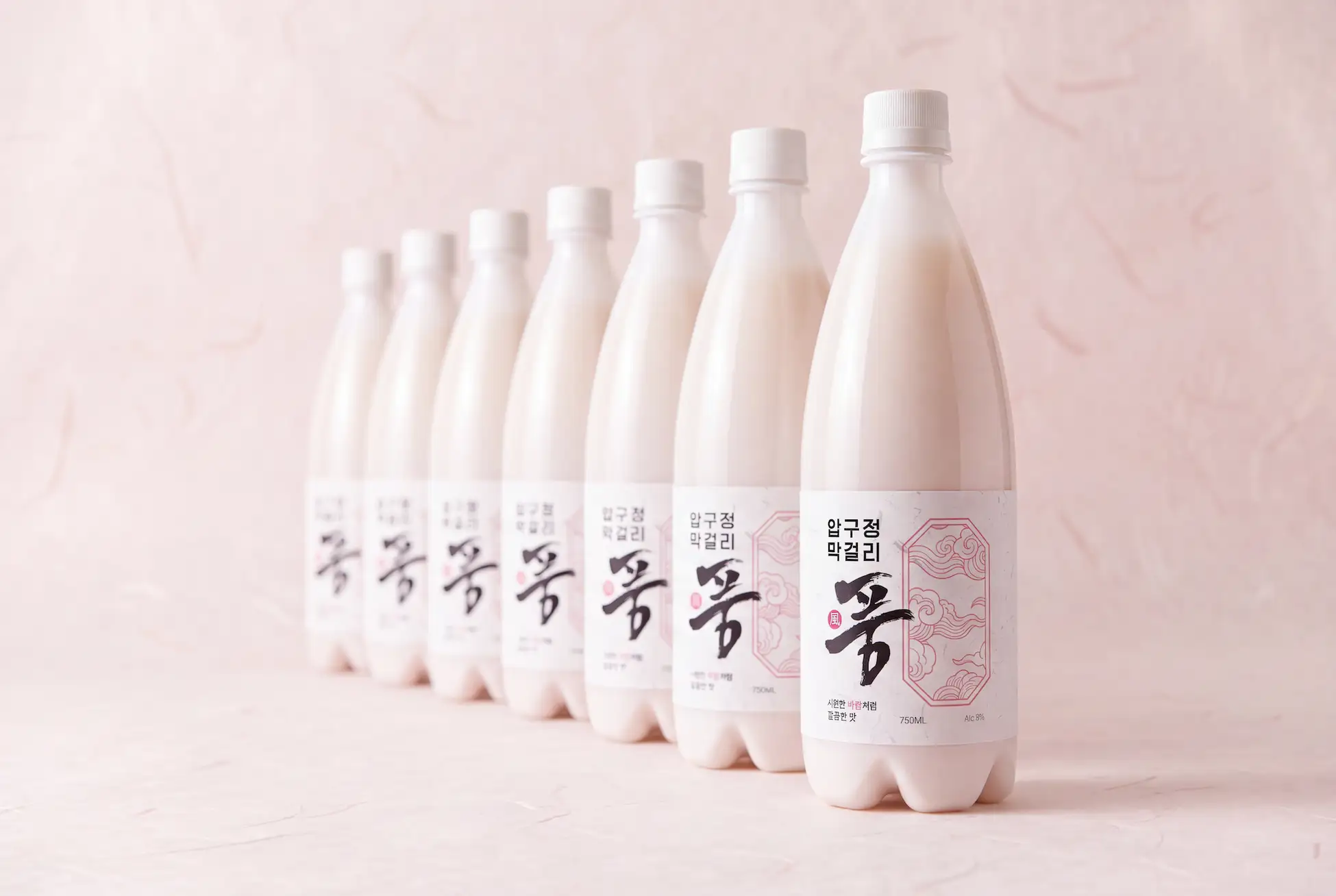
In an era where global culinary trends are increasingly defined by the intersection of heritage and innovation, the traditional Korean rice wine, makgeolli, is experiencing a profound renaissance. At the forefront of this movement is the "Apgujeong Makgeolli" (POONG) brand—a name that has become synonymous with the premiumization of a beverage that was once relegated to local, rustic origins. By blending centuries-old brewing techniques with contemporary aesthetics, Apgujeong Makgeolli is not merely selling a drink; it is exporting a sophisticated piece of Korean culture to the international market.
The Genesis: From Local Staple to Global Luxury
For generations, makgeolli served as the humble "farmer’s drink" of Korea—a cloudy, effervescent, and unrefined rice wine consumed at the end of a long day of labor. However, the brand "Apgujeong Makgeolli" (POONG) has successfully orchestrated a strategic pivot, positioning itself as a premium, lifestyle-oriented product.
The essence of the brand lies in its commitment to the "Apgujeong" identity—a district in Seoul famous for its high-end fashion, luxury culture, and trendsetting influence. By adopting this moniker, the brand signals a departure from the traditional, utilitarian image of makgeolli, opting instead for a brand narrative that appeals to the modern, health-conscious, and culturally curious consumer. This transition has been bolstered by a refined production process that emphasizes small-batch quality, superior ingredients, and a flavor profile that balances the natural sweetness of rice with the tart, complex notes of traditional fermentation.
Chronology of the Expansion
The trajectory of Apgujeong Makgeolli’s success is marked by a series of deliberate, high-impact milestones that have solidified its reputation both in Korea and abroad.

- Foundation and Philosophy: The brand was established with the core mission to modernize the perception of makgeolli. The focus was initially on mastering the fermentation process, which utilizes high-quality nuruk (fermentation starter) to ensure a smooth, clean finish that avoids the "heavy" aftertaste associated with cheaper, mass-produced versions.
- The Domestic Breakthrough: Through strategic partnerships with high-end dining establishments and boutique liquor stores in Seoul, the brand gained a foothold among the discerning urban demographic.
- Expansion into the Japanese Market: Following its success in South Korea, the brand set its sights on Japan, a market with a deep appreciation for artisanal fermented products. The official launch in Japan, facilitated through major e-commerce platforms like Amazon, marked a significant turning point.
- Scaling and Accessibility: By late 2024 and early 2025, the brand began integrating into major convenience store chains (such as CU), making the premium experience accessible to a wider audience while maintaining its "boutique" branding.
- Current Status: Today, Apgujeong Makgeolli operates as a bridge between traditional Korean craftsmanship and international beverage trends, consistently selling out of its limited-run batches.
Supporting Data and Production Standards
The success of Apgujeong Makgeolli is backed by rigorous production standards that justify its premium price point. Unlike mass-market alternatives that often rely on artificial sweeteners and preservatives, Apgujeong Makgeolli prides itself on a "natural" profile.
- Ingredients: The brand utilizes premium rice varieties, purified water, and traditional fermentation starters. The absence of excessive additives results in a cleaner, more refined beverage that appeals to the "clean label" trend currently dominating the global food and beverage industry.
- Alcohol Content: Standard bottles are typically produced at 8% ABV, a sweet spot that offers enough body for a satisfying mouthfeel without overwhelming the palate.
- Pricing and Availability: A standard 750ml bottle is priced competitively within the premium segment (approx. 990 JPY in the Japanese market), reflecting the high cost of quality ingredients and the labor-intensive brewing process.
- E-commerce Success: Data from Amazon Japan indicates that the brand’s multi-pack sets (2-bottle and 4-bottle configurations) are among the highest-performing items in the "International Specialty Alcohol" category. The convenience of direct-to-consumer shipping has been a major driver in building a loyal, recurring customer base.
The Cultural Implications: A New Era for Makgeolli
The rise of Apgujeong Makgeolli is indicative of a broader "K-Culture" trend. Just as K-Pop and K-Drama have exported Korean aesthetics and narratives, Apgujeong Makgeolli is exporting the sensory experience of Korean hospitality.
By positioning the drink as a sophisticated accompaniment to modern cuisine, the brand is successfully challenging the stereotype that rice wine is only for casual, rustic settings. It is now common to see Apgujeong Makgeolli paired with everything from traditional Korean anju (bar snacks) to modern fusion dishes and even Western-style tapas. This versatility is essential for global adoption; by making the product approachable to those who may have never tasted traditional makgeolli before, the brand is expanding the total addressable market for the entire category.
Furthermore, the brand’s heavy reliance on social media—specifically Instagram—has allowed it to engage directly with its audience. Through visually stunning campaigns that emphasize the "lifestyle" of drinking makgeolli, the brand has turned its bottles into status symbols. It is no longer just about the liquid; it is about the aesthetic of the pouring ritual and the communal joy of sharing a drink that represents a vibrant, modern Korea.
Official Responses and Strategic Outlook
Company representatives have stated that their growth strategy remains focused on "quality over quantity." In official communications, the management team has emphasized that the goal is to maintain the integrity of the fermentation process even as demand scales.
"Our objective is to honor the history of makgeolli while proving that it belongs on the tables of the world’s finest restaurants," a brand spokesperson noted. "We are not interested in flooding the market with a cheap product. We are interested in fostering an appreciation for the craftsmanship that goes into every bottle."
Looking toward the future, the brand is exploring further expansion into Southeast Asian and North American markets. By leveraging the existing infrastructure of online marketplaces and building partnerships with local distributors who specialize in premium Asian beverages, Apgujeong Makgeolli is well-positioned to become a household name in the global craft alcohol space.
Conclusion
Apgujeong Makgeolli serves as a masterclass in modern brand building. By taking a product with deep, humble roots and elevating it through premium positioning, consistent quality, and a savvy digital-first marketing strategy, the company has managed to turn a traditional drink into a contemporary global trend. As it continues to navigate the complexities of international trade and consumer expectations, the brand remains a shining example of how heritage, when handled with care and innovation, can find a permanent place in the modern global landscape. For those looking to experience the intersection of Korean history and the future of craft spirits, Apgujeong Makgeolli is, without a doubt, a brand to watch.

 Raul Delapena Setiawan
 Laily UPN

