
 By Nana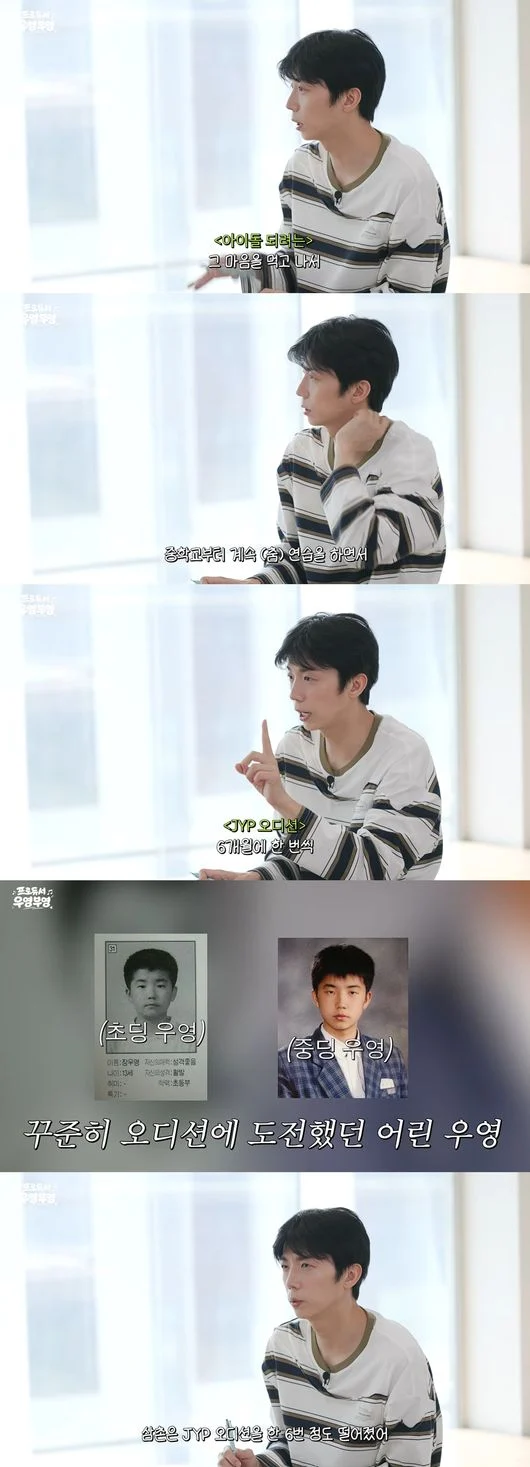
In a compelling and candid revelation that has resonated deeply within the competitive K-pop landscape, Jang Wooyoung, a prominent member of JYP Entertainment’s veteran group 2PM, recently shared his arduous journey of repeated rejections before finally securing a trainee spot at the esteemed agency. His frank discussion, delivered to a group of aspiring young idols, provides a rare glimpse into the immense perseverance required to break into one of the world’s most demanding entertainment industries and underscores the often-unseen struggles behind glittering success.
The Candid Revelation: A Mentor’s Message to Future Idols
On August 24th, through a video titled "I Give It My All (Even Against Kids)" uploaded on his personal YouTube channel, Jang Wooyoung engaged with children who harbor dreams of becoming K-pop idols. Beyond playful dance sessions, the segment transformed into a poignant mentorship moment when Wooyoung delved into the formative years of his own career aspirations. Responding to a child’s inquiry about his initial ambition to become an idol, Wooyoung recounted, "It was around when I was 11 or 12 years old." He elaborated on his disciplined approach, stating, "After deciding I wanted to become an idol, I kept practicing and took JYP auditions every six months." This systematic persistence, he explained, was predicated on a self-imposed six-month improvement cycle. The most striking admission followed: "I failed the JYP audition about six times. Then I passed on the seventh try and joined." This remarkable confession immediately garnered significant attention, highlighting the extraordinary tenacity required to navigate the notoriously difficult K-pop audition circuit.
Chronology of Perseverance: Wooyoung’s Seven-Try Path to JYP
Jang Wooyoung’s personal timeline illustrates a journey marked by unwavering determination. Beginning his pursuit of an idol career in his pre-teen years, a common age for aspiring K-pop stars, he embarked on a rigorous self-improvement regimen. Understanding the competitive nature of JYP Entertainment – one of South Korea’s "Big Four" entertainment agencies – Wooyoung adopted a strategic approach, treating each audition as a milestone in a continuous development process. His commitment to auditioning bi-annually for JYP, an agency known for its stringent selection process and comprehensive training programs, speaks volumes about his singular focus.
For over three years, Wooyoung faced repeated setbacks, enduring six rejections from his dream agency. Each failure, rather than diminishing his resolve, seemingly fueled his dedication to refine his skills in singing, dancing, and performance. This period of consistent rejection and incremental improvement culminated in his seventh attempt, which proved successful, marking the pivotal moment he officially joined JYP Entertainment as a trainee. His eventual debut in 2008 with 2PM, following years of intensive training, serves as a testament to the power of persistence against formidable odds. This chronology not only details Wooyoung’s personal struggle but also offers a realistic perspective on the prolonged efforts often preceding a successful entry into the K-pop industry.
The Broader Context: Navigating the K-Pop Trainee System
Wooyoung’s story is not an isolated incident but rather a microcosm of the broader, often brutal, K-pop trainee system. The journey from aspiring child to global idol is an arduous one, characterized by intense competition, prolonged training, and immense psychological pressure. Annually, tens of thousands of hopefuls, some as young as elementary school age, audition for entertainment companies across South Korea. Out of this vast pool, only a minuscule fraction are selected as trainees. For instance, major agencies like JYP, SM, YG, and HYBE receive hundreds of thousands of applications globally each year, but only a few dozen might be accepted into their trainee programs.
Once accepted, trainees embark on a regimen that can last anywhere from a few months to over a decade. This period involves daily classes in singing, dancing, rapping, foreign languages, media training, and even etiquette. Trainees live under strict supervision, often sacrificing normal schooling and social lives for the relentless pursuit of perfection. The average debut rate for trainees is notoriously low, estimated to be less than 1-2%, meaning even after years of training, the vast majority will never debut. Furthermore, the financial investment by agencies in each trainee can run into hundreds of thousands of dollars, making the selection and elimination process intensely high-stakes.
JYP Entertainment, co-founded by Park Jin-young, has a storied history of identifying and cultivating talent. Known for its emphasis on "talent and personality," JYP’s audition process is designed to uncover not just raw skill but also potential for growth and a strong work ethic. The agency has produced numerous iconic groups, including g.o.d., Wonder Girls, 2PM, Miss A, GOT7, TWICE, Stray Kids, ITZY, and NMIXX, each undergoing a rigorous development process. Wooyoung’s repeated attempts highlight the specific challenges of trying to enter an agency that values a high standard of artistry and a unique brand identity. His eventual success after multiple rejections speaks to the agency’s willingness to recognize sustained improvement and potential.
Beyond Skills: Wooyoung’s Holistic Advice for Aspiring Idols
Perhaps the most profound aspect of Wooyoung’s interaction with the aspiring children was his advice extending beyond mere technical proficiency. When a parent inquired, "What should not be done to become an idol?", Wooyoung offered a surprisingly holistic perspective. He stated, "Singing, dancing, and skills are obviously very important, but there are many things you should not do as well. I hope you don’t focus only on practicing singing and dancing."
He elaborated on this sentiment, urging the children to embrace a broader life experience: "I hope you enjoy the time with friends around you, your parents, and time at home as much as possible." This guidance is particularly salient in an industry often criticized for its intense focus on training at the expense of childhood and personal development. Wooyoung’s emphasis on enjoying life, nurturing relationships, and fostering internal dreams – "I hope you attach dreams like ‘What kind of songs do I like?’ or ‘What kind of singer do I want to become?’ one by one in the back" – provides a crucial counter-narrative to the common perception of idol training as solely a grind for technical excellence.
His advice subtly critiques the potential pitfalls of an overly specialized and isolated upbringing for aspiring idols. Mental health challenges are increasingly recognized within the K-pop industry, with many idols experiencing burnout, anxiety, and depression due. By encouraging a balanced life, Wooyoung implicitly champions the importance of mental well-being, emotional intelligence, and a strong sense of self-identity – qualities that can provide resilience against the immense pressures of fame and public scrutiny. He suggests that genuine artistry and long-term career sustainability are built not just on perfected techniques, but on a rich inner world and a solid support system.
The Enduring Legacy of 2PM and the Impact of Veteran Idols

Jang Wooyoung’s journey is inextricably linked to the legacy of 2PM, a group that debuted in 2008 and carved out a unique niche in K-pop with their powerful "beast idol" concept. 2PM’s enduring success, marked by numerous hit songs, sold-out tours, and a remarkable longevity in a rapidly evolving industry, serves as a powerful testament to the rewards of perseverance. The group, despite members’ individual ventures and military enlistments, has consistently reunited, showcasing a bond and dedication that has resonated with fans globally.
Veteran idols like Wooyoung play a crucial role in shaping the narrative for the next generation. Their candid confessions about past struggles demystify the glamour of the K-pop world, offering realistic insights into the sacrifices and challenges involved. Such revelations help to humanize idols, making their achievements more relatable and inspiring. When an idol of Wooyoung’s stature speaks openly about repeated failures, it sends a powerful message of hope and resilience to countless young dreamers and their parents, validating their struggles and encouraging them to persist. It also fosters a sense of transparency within an industry that has historically been quite guarded about the internal workings of talent development.
Broader Implications: Resilience, Mentorship, and Industry Evolution
Wooyoung’s revelation carries several broader implications for the K-pop industry and its aspirants. Firstly, it champions the virtue of resilience. His story is a powerful reminder that success often follows a path paved with failures, challenging the myth of overnight stardom. This narrative can serve as a vital source of encouragement for those facing similar setbacks in their own pursuits, not just in entertainment but in any highly competitive field.
Secondly, it highlights the growing importance of mentorship from established figures. As the K-pop industry matures, the role of veteran idols in guiding and advising younger generations becomes increasingly critical. Their lived experiences provide invaluable lessons that formal training programs might not fully capture. Wooyoung’s direct interaction with aspiring children exemplifies a positive trend towards creating more accessible and honest dialogues between industry veterans and newcomers.
Finally, this kind of open dialogue contributes to the evolution of industry transparency. In an era where fans demand authenticity and a deeper connection with their idols, sharing personal struggles fosters greater understanding and empathy. It helps to peel back the layers of manufactured perfection, revealing the human stories behind the polished performances. This transparency can ultimately lead to a healthier, more sustainable environment for idols, where their mental and emotional well-being is given due consideration alongside their artistic development.
Jang Wooyoung’s candid sharing of his six failures before joining JYP Entertainment is more than just an anecdote; it is a profound lesson in perseverance, a vital piece of advice for holistic development, and a significant contribution to the ongoing conversation about the realities of the K-pop dream. His message resonates not only with aspiring idols but with anyone striving to achieve a challenging goal, underscoring that true success often emerges from the ashes of repeated setbacks and a steadfast belief in one’s journey.

