
 By Asep Darmawan
The multinational girl group KATSEYE, formed through the highly publicized Dream Academy competition by HYBE and Geffen Records, has once again found itself at the epicenter of a heated controversy regarding the perceived sexualization of its members. The latest debate follows the release of their new music video for "Hootie Frutti" from their EP WILD, reigniting long-standing criticisms that the group’s concepts, choreography, and styling are overtly mature, bordering on exploitative, particularly given their predominantly young fanbase and the age of certain members.
While sensual concepts are not entirely unprecedented within the global K-Pop phenomenon, the intensity and consistency of KATSEYE’s mature themes have drawn significant scrutiny, prompting many to question the ethical boundaries being pushed by their management. Critics argue that the group’s creative direction veers from artistic expression into problematic territory, especially when juxtaposed with the impressionable demographic that forms a substantial part of their audience.

The Genesis of KATSEYE: Ambition Meets Controversy
KATSEYE emerged from the ambitious Dream Academy global audition program, a joint venture between South Korean entertainment giant HYBE Corporation and American record label Geffen Records. Launched with the stated aim of creating a globally appealing girl group that transcended cultural barriers, the competition garnered immense international attention. Hundreds of hopefuls from around the world vied for a spot, undergoing rigorous training and public evaluation over several months before the final lineup of KATSEYE was announced in late 2025. The group officially debuted in early 2026, heralded as a new era for global pop.
The initial promise of KATSEYE was a blend of diverse talents and backgrounds, intended to resonate with a wide audience. However, almost from their debut, a pattern began to emerge that would consistently overshadow their musical prowess: a persistent lean into mature, often overtly sexualized, concepts. This creative direction quickly sparked discussions online, with many fans expressing discomfort and confusion, believing it to be a mismatch for the group’s fresh image and the demographics typically associated with new K-Pop acts.

Chronology of Controversy: From "Gnarly" to "Hootie Frutti"
The first major wave of backlash against KATSEYE’s concept arrived with their track "Gnarly," released in spring 2026. The era was characterized by tight, revealing outfits, highly provocative dance moves that included twerking, and – most controversially – background audio that was later confirmed by an anonymous producer to have been sampled from pornography. The choice to perform "Gnarly" at the Kids’ Choice Awards, an event predominantly attended by and aimed at children and pre-teens, amplified public outrage significantly. Social media platforms, fan forums, and pop culture commentary channels erupted with condemnations, labeling the performance as inappropriate and irresponsible.
Following "Gnarly," the group continued to release music that, while not always as explicitly controversial, often incorporated suggestive lyrical innuendos, sometimes delivered in high-pitched or childlike vocal tones. This created a jarring juxtaposition of innocence and adult suggestion, which many critics found unsettling. These elements, combined with consistently sensual promotional imagery and performances, solidified the perception among a growing segment of the audience that KATSEYE was being steered towards an unnecessarily mature aesthetic.
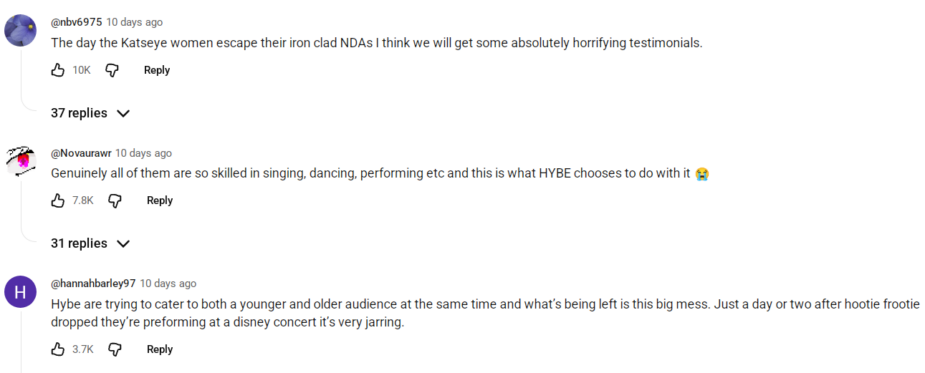
The latest catalyst for renewed public debate is the August 2026 release of "Hootie Frutti" from their WILD EP. The music video for "Hootie Frutti" features overtly sexy choreography and camera work that disproportionately focuses on the members’ bodies, often cropping out their faces. This visual emphasis on physical sensuality, coupled with the group’s established pattern, immediately reignited the discussion about the suitability of such concepts for KATSEYE’s demographic.
The Dual Audience Dilemma: Young Fans, Young Members
At the heart of the ongoing controversy are two critical factors: KATSEYE’s significant following among teenagers and younger children, and the relatively young age of the members themselves. Critics argue that HYBE and Geffen Records are attempting to cater to two vastly different audiences simultaneously – a general pop audience that might appreciate mature themes, and a core fanbase that skews significantly younger. This strategy, many contend, creates an inherent conflict of interest and raises serious ethical questions.

Social media responses to "Hootie Frutti" illustrate this dilemma vividly. One widely shared tweet from user @chelslaysss commented, "ngl i would gag if this were anyone else but katseye. ik their thing is over-sexualization and skimpy outfits but their audience mainly consists of 12 year olds." Another user, @M4INTHINGS, echoed this sentiment, stating, "the literal children in the audience is why hybe’s over sexualization of katseye is problematic." These comments highlight the perception that the group’s content is not aligned with its primary consumers.
The issue is further complicated by the age of the KATSEYE members. Particular attention has been drawn to Yoonchae, the group’s youngest member, who is currently 18 years old. Crucially, Yoonchae was a minor during the promotional activities for several earlier releases, including the contentious "Gnarly" era. While stylists have reportedly dressed her more modestly than her older bandmates in some instances, she has consistently participated fully in the same provocative choreography, concepts, and promotional imagery, including the recent "Hootie Frutti" visuals. This raises specific concerns about the protection of young artists in the entertainment industry and the potential for exploitation when minors are involved in adult-themed content.
"Grooming" Allegations and Ethical Concerns

The intensity of the debate escalated significantly with the introduction of accusations of "grooming" by some fans. While an extremely serious charge, these allegations reflect the depth of concern among a segment of the audience who perceive the consistent exposure of young artists to overtly sexual concepts, coupled with their appeal to a young fanbase, as a form of insidious manipulation. Comments like "the hyper sexualization of these girls needs to be studied. SIS katseye come back to me" from @bewitchcadence, and other social media posts explicitly using the term "grooming," underscore the profound alarm felt by those who believe the boundaries of ethical entertainment are being crossed.
These accusations, while not legally proven, point to a broader societal anxiety about the blurring lines between artistic expression and the exploitation of youth in media. The perception is that the polished, aspirational packaging of K-Pop, which naturally appeals to impressionable audiences, is being leveraged to push adult boundaries, creating a potentially harmful environment for both the performers and their young admirers.
Industry Context and Broader Implications

The KATSEYE controversy is not entirely isolated but rather exists within a broader industry context where the definition of "mature concept" is constantly being tested. K-Pop, in particular, has a history of navigating cultural sensitivities regarding idol image, fan expectations, and international market appeal. While many K-Pop groups adopt mature or "sexy" concepts, the debate around KATSEYE centers on the perceived lack of discretion regarding the members’ ages and the audience demographic.
Industry observers suggest that companies like HYBE and Geffen Records are under immense pressure to create groups that can break through the competitive global music market. This often leads to experimental concepts aimed at attracting diverse audiences, sometimes resulting in choices that provoke ethical dilemmas. The financial stakes are incredibly high, and the desire to stand out might sometimes overshadow considerations for artist welfare or audience appropriateness.
The long-term implications for KATSEYE are significant. While controversy can sometimes generate publicity, sustained negative sentiment, especially involving allegations of sexualization and "grooming," can severely damage a group’s reputation and career longevity. It can also impact the mental and emotional well-being of the members, who are at the center of this public scrutiny. Furthermore, this situation could prompt a wider re-evaluation within the K-Pop and global music industries regarding the guidelines and ethical responsibilities associated with promoting young artists, particularly when their content caters to a mature aesthetic while appealing to a juvenile audience.

The Road Ahead: Calls for Accountability and Change
As of late August 2026, neither HYBE nor Geffen Records has issued a formal statement directly addressing the renewed wave of criticism regarding KATSEYE’s concepts. Their silence, while not uncommon in the face of online backlash, has done little to quell the rising tide of concern. The expectation among critics and fans alike is for greater transparency and a clear articulation of the companies’ strategies for artist protection and audience engagement.
The calls for change extend beyond just KATSEYE. Many hope that this controversy will serve as a wake-up call for the entire industry, encouraging a more thoughtful approach to concept development, age-appropriate content, and the safeguarding of young talent. The debate surrounding KATSEYE underscores the evolving landscape of global pop music, where the pursuit of viral success must be balanced with robust ethical considerations and a genuine commitment to the welfare of artists and their audiences. The question remains whether the industry will heed these warnings or continue to push boundaries, risking further accusations of exploitation.

