 By Iffa Jayyana
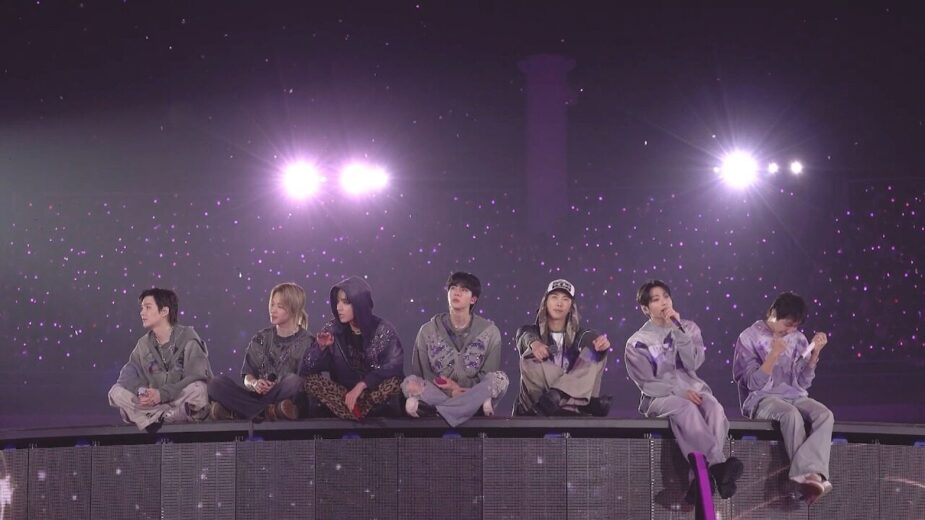
The global music icon BTS has found itself at the center of a developing controversy following the latest stop on their highly anticipated ARIRANG World Tour. During their second performance in Chicago on August 28, 2026, the group included a surprise rendition of the track "134340," a song from their critically acclaimed 2018 album Love Yourself: Tear. While the performance initially sparked excitement among the thousands in attendance at the United Center, it quickly transitioned into a focal point for intense criticism across social media platforms. The backlash centers on the song’s production credits, which include Bobby Jung, a figure whose criminal history involving sexual violence has made him a persona non grata within many sectors of the South Korean entertainment industry.
The incident in Chicago occurred during a segment of the concert designed for spontaneity, where a DJ spins a selection of tracks from BTS’s extensive discography for impromptu performances. "134340," a jazz-influenced track named after the minor planet designation for Pluto, had not been performed live by the group since 2019. For many fans, the reintroduction of the song was not viewed as a nostalgic gift, but rather as a lapse in judgment or a deliberate disregard for the ethical concerns surrounding its creator.
The Legal History of Bobby Jung
To understand the gravity of the current backlash, it is necessary to examine the history of Bobby Jung, born Jung Dae Wook. A former member of the indie band Autumn Vacation and a once-prolific songwriter for several major K-pop acts, Jung’s career collapsed following a series of harrowing legal allegations.
In 2020, Jung was accused of sexually assaulting an aspiring singer and filming the encounter without her consent. Tragically, the victim took her own life shortly after the incident, leaving behind a diary that detailed the trauma she suffered. While the initial case was dismissed due to a lack of evidence, a second complaint was filed in 2021 by a different woman who alleged similar crimes. Prosecutors eventually merged the cases, and in late 2022, the Seoul Central District Court sentenced Jung to one year in prison for violating the Act on Special Cases Concerning the Punishment, etc. of Sexual Crimes. Specifically, he was found guilty of illegally filming a woman. In addition to his prison sentence, he was handed a five-year ban on employment at facilities catering to children, youth, or individuals with disabilities.
The conviction sent shockwaves through the industry, prompting several agencies to scrub Jung’s contributions from their promotional materials. HYBE, the parent company of BTS, was among the first to take action. When the group released the DVD for their Permission to Dance On Stage – Las Vegas concerts, fans noticed that songs associated with Jung, such as "Home" and "Love Maze," were conspicuously absent from the tracklist despite having been performed during the live shows. This move was widely interpreted as a corporate commitment to distancing the BTS brand from individuals convicted of gender-based violence.
A Chronology of Artistic Association and Fan Response
The performance of "134340" in Chicago represents a significant departure from the "shadow-ban" that many fans believed was in place regarding Jung’s work. A timeline of the group’s relationship with these tracks illustrates the shifting tides of public opinion:
- May 2018: BTS releases Love Yourself: Tear, featuring "134340," co-written and produced by Bobby Jung. The song is praised for its sophisticated production and metaphorical lyrics.
- 2019: The song is performed during the 5th Muster [Magic Shop] fan meetings.
- Late 2020: Allegations against Bobby Jung first surface in South Korean media.
- 2021-2022: As legal proceedings against Jung intensify, HYBE begins omitting his credited songs from official DVD releases and streaming highlights.
- December 2022: Bobby Jung is sentenced to prison. Fan communities (ARMY) largely reach a consensus to stop requesting or streaming his songs to prevent him from earning further royalties.
- August 2026: BTS performs "134340" during the ARIRANG World Tour in Chicago.
The decision to play the song in 2026 has been characterized by some observers as a "provocation." Critics argue that given the meticulous planning that goes into a stadium-level world tour, the inclusion of "134340" in the DJ’s pool of songs could not have been an accident. They contend that the group and their management should have been aware of the optics, particularly given the group’s historical stance on social justice and women’s empowerment.
Intersection with the Chris Brown Controversy
The backlash regarding Bobby Jung does not exist in a vacuum. It is compounded by a parallel controversy involving some members of BTS and their perceived association with American R&B singer Chris Brown. Brown’s history of domestic violence, starting with his 2009 assault on Rihanna and continuing through various legal altercations over the following decade, has made him a highly divisive figure.
In recent months, some BTS members have faced scrutiny for sharing Brown’s music on social media or expressing admiration for his choreography. For a segment of the fanbase that prides itself on the "progressive" values of the group, these associations are seen as a betrayal of the "Love Yourself" message.
The convergence of these two issues—performing a Bobby Jung song while simultaneously facing heat for Chris Brown associations—has created a "perfect storm" of criticism. On platforms like X (formerly Twitter), hashtags calling for accountability have trended, with fans expressing a mix of disappointment and anger. One viral post noted, "Playing ‘134340’ in the middle of a worldwide backlash for supporting abusers was definitely a choice. It feels less like a coincidence and more like a provocation."
Analysis of Fan Sentiment and Defensive Arguments
The reaction within the BTS fandom is not monolithic. While a vocal contingent is calling for a boycott or a formal apology, another large segment of the population defends the group. These fans argue that the focus should remain on the music rather than the behind-the-scenes contributors.
The defensive arguments generally fall into three categories:
- Artistic Separation: Some fans believe that a song, once released, belongs to the artists and the fans, and that the crimes of a co-producer should not invalidate the hard work the BTS members put into the track.
- Managerial Oversight: Others suggest that the responsibility lies with the tour’s musical director or the DJ, rather than the members themselves, who may not be tracking which specific producers are on which tracks during a high-energy live performance.
- Malicious Intent: Some supporters claim that the controversy is being manufactured by "anti-fans" to tarnish the group’s reputation during their global tour, arguing that "134340" is an "iconic" song that fans have missed hearing live.
However, the counter-argument remains that BTS is a group with immense global influence. Their participation in UN General Assemblies and their "Love Myself" campaign with UNICEF have set a high bar for their ethical conduct. Critics argue that when a group positions itself as a moral leader, they must be held to a higher standard regarding the people they choose to associate with or the legacies they choose to keep alive through their performances.
Broader Implications for HYBE and the K-Pop Industry
This controversy highlights a growing challenge for the K-pop industry: the "cancel culture" era meets the complex reality of music production. In an industry where a single song can have ten or more credited writers and producers, the risk of "moral contagion" is high.
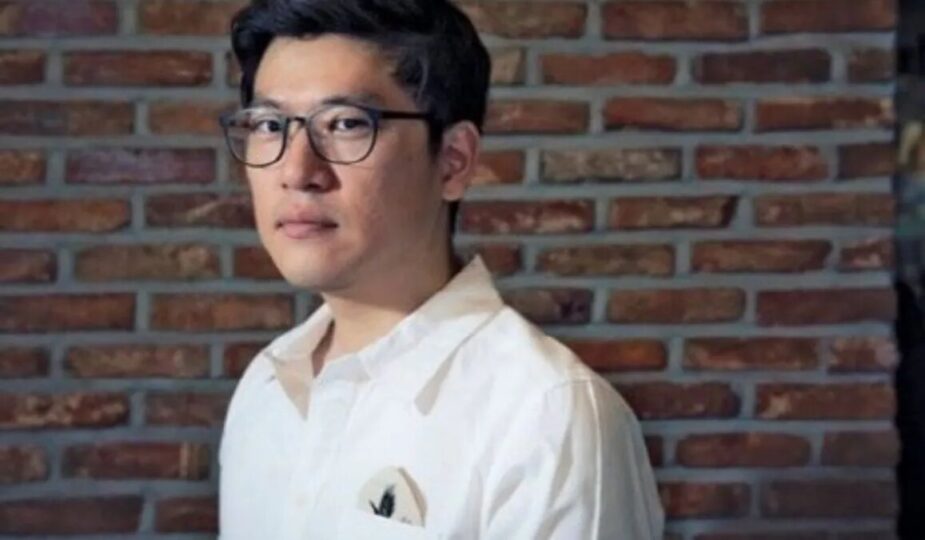
From a corporate perspective, HYBE’s silence on the matter is notable. Traditionally, the agency has opted for a strategy of "quiet removal" (as seen with the DVDs) rather than public statements. However, as the ARIRANG World Tour continues, the pressure for a more transparent stance on artist associations is mounting. If the group continues to perform songs linked to Jung, it could signal a shift in HYBE’s internal policy—moving away from the cautious distancing of 2022 toward a more defiant or indifferent approach in 2026.
The financial implications are also a factor. Every time "134340" is played in a public venue or streamed, royalties are generated. For fans who are aware of Jung’s history, the idea that their support for BTS indirectly provides financial gain to a convicted sex offender is an untenable position. This has led to calls for the group to officially "retire" certain songs from their live sets.
Conclusion and Future Outlook
As BTS moves forward with the remaining dates of the ARIRANG World Tour, the shadow of the Chicago concert remains. The controversy serves as a reminder of the delicate balance global superstars must maintain between their artistic history and the evolving social consciousness of their audience.
Whether HYBE will issue a statement or simply adjust the setlist for future shows remains to be seen. What is clear, however, is that the "ARMY" is no longer a monolith that offers unconditional support. The modern K-pop fan is increasingly politically aware and willing to hold their idols accountable for the company they keep—both in the studio and on the stage. The resolution of this controversy will likely set a precedent for how major K-pop agencies handle the problematic legacies of the creators behind their biggest hits. For now, the "134340" incident stands as a significant moment of friction in what was supposed to be a celebratory return to the global stage for the world’s largest boy band.

