
 By Nana Wu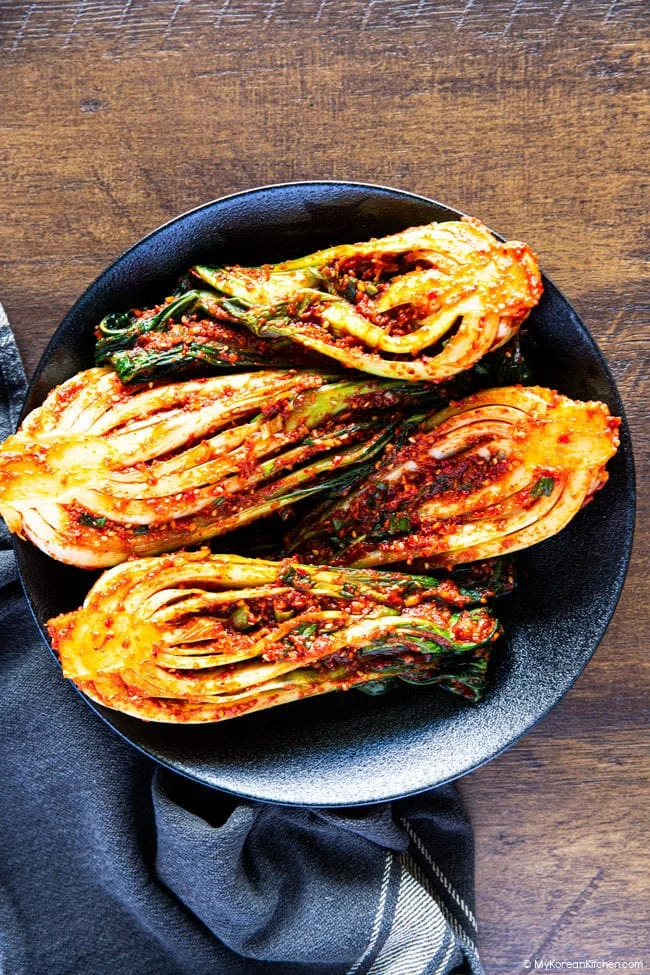
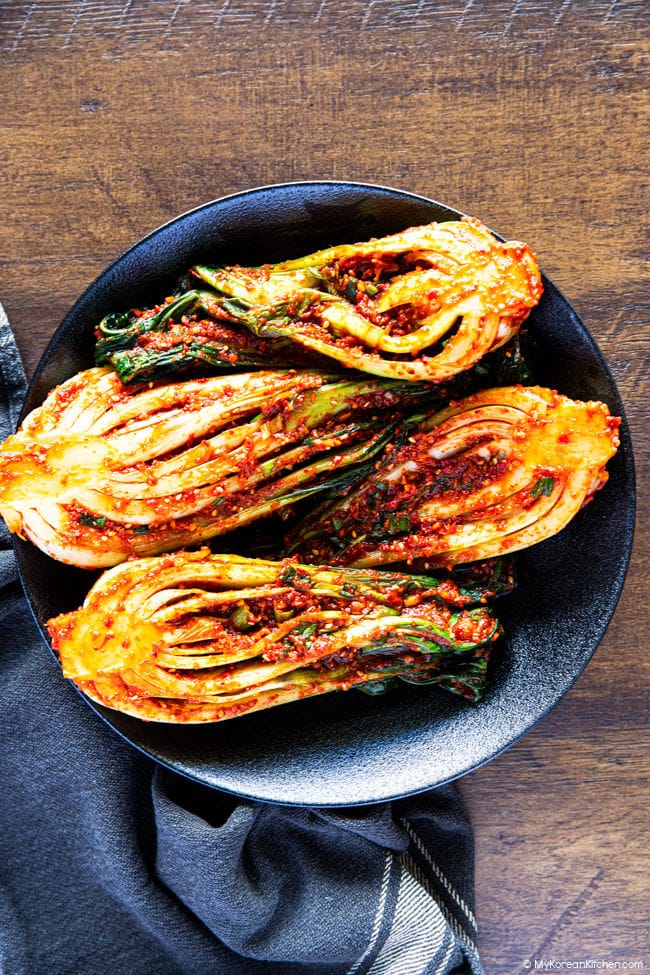
For many culinary enthusiasts, the term "kimchi" is synonymous with napa cabbage—the sturdy, crinkled leaves that form the backbone of the most iconic Korean side dish. However, the world of kimchi is far more expansive and seasonal than a single vegetable might suggest. Among the most refreshing and vibrant variations is bok choy kimchi, a dish that transforms the humble, crisp Chinese cabbage into a complex, probiotic-rich delicacy.
Bok choy kimchi is not merely a substitute for the traditional napa variety; it is a distinct culinary expression. Characterized by its fresh, verdant flavor profile and a satisfying, celery-like crunch, it serves as a testament to the versatility of Korean fermentation techniques. As home gardens overflow with bok choy harvests, this recipe offers a sophisticated method to preserve the season’s bounty, elevating a simple vegetable into a centerpiece of the dinner table.
The Evolution of the Fermented Leaf: A Chronology of Preparation
The creation of authentic bok choy kimchi is a meticulous process that balances chemistry, timing, and intuition. Unlike faster-pickled salads, this process follows a time-honored chronology designed to draw out moisture while infusing deep, umami-rich flavors into the stems.
Phase 1: The Foundation of Brining
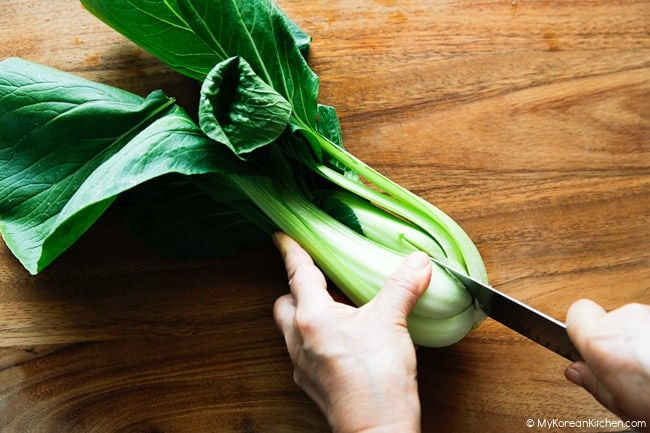
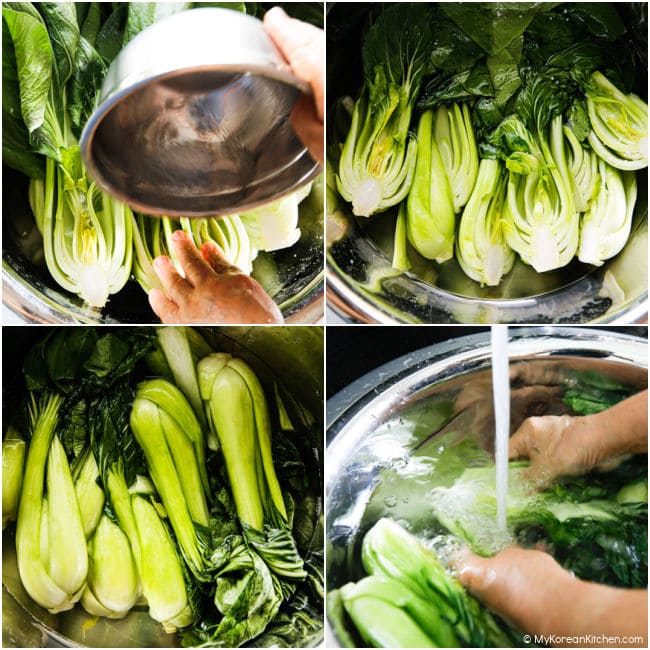
The process begins with the preparation of the bok choy. The root ends are trimmed with surgical precision, ensuring the leaves remain anchored to the base, which helps maintain the structure of the vegetable during the fermentation process. Once halved, the bok choy is rinsed under cold, running water, with particular attention paid to the base where soil often hides.
The brining stage is the most critical juncture. A solution of coarse salt and water creates an osmotic environment that draws out excess moisture, effectively "curing" the stems. For those with thicker, more robust bok choy, a 90-minute brine is essential to ensure that the salt penetrates the densest parts of the stem. Thinner, younger leaves require only 60 minutes. Turning the vegetable two to three times during this phase is vital for consistency.
Phase 2: The Alchemy of Seasoning
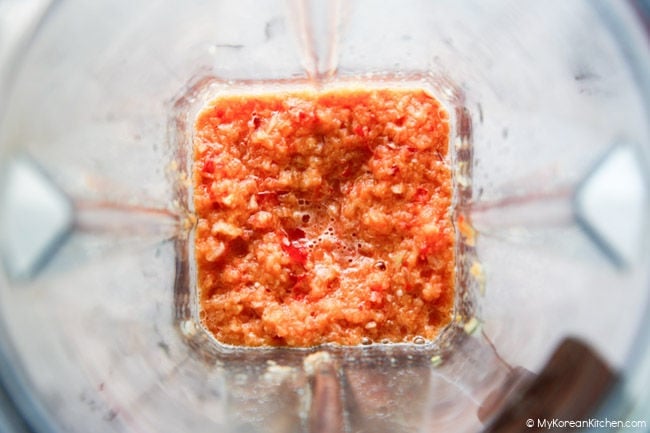
While the bok choy cures, the seasoning paste—the soul of the dish—is constructed. A blender is used to create a harmonious emulsion of apple (which provides natural sweetness and aids fermentation), garlic, ginger, salted shrimp, and fish sauce. The addition of plum syrup adds a subtle, fruity depth that balances the pungent aromatics.
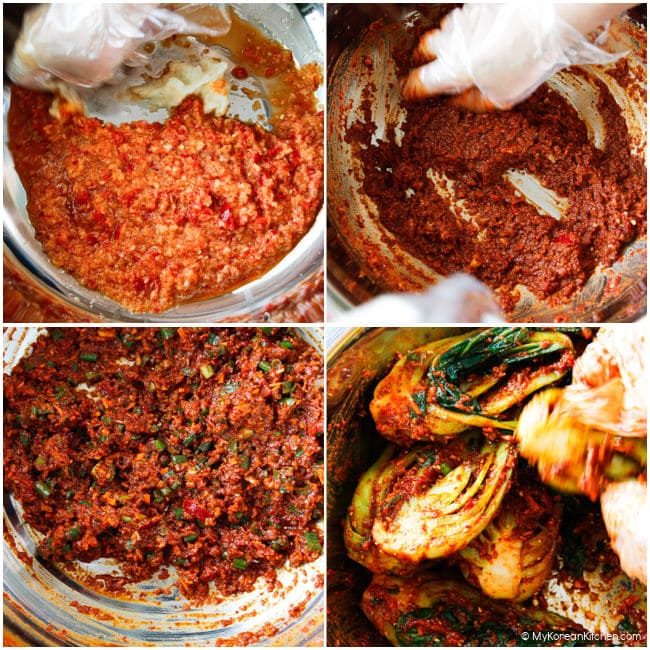
The "flour paste"—a simple mixture of flour and water cooked until it reaches a porridge-like consistency—acts as the binding agent. It ensures the spicy, aromatic seasoning clings to the leaves rather than sliding off. The final step involves incorporating gochugaru (Korean chili flakes), sesame seeds, and fresh aromatics like onion, carrot, and green onion, resulting in a vibrant, complex paste ready to be massaged into the brined leaves.
Phase 3: The Maturation Period
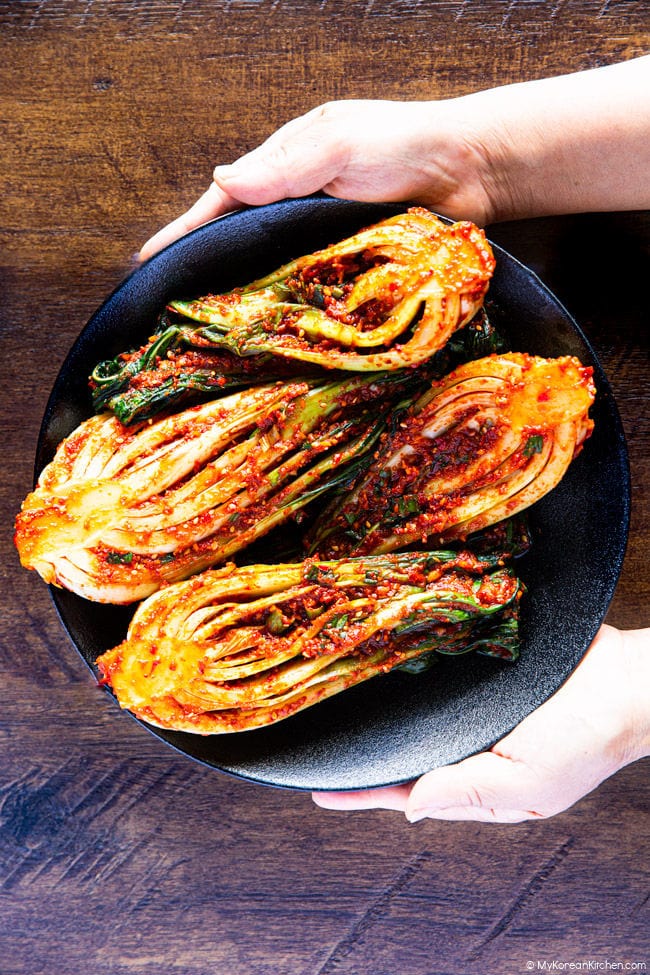
Once the bok choy is thoroughly coated, the final phase is fermentation. This can be enjoyed fresh for a crisp, salad-like experience, or aged. By placing the kimchi in an airtight container at room temperature for approximately 24 hours, the fermentation process begins, allowing the sugars and starches to transform into the lactic acid that gives kimchi its signature tang. Once the process initiates, refrigeration slows the maturation, allowing the flavors to meld over several days.
Supporting Data: Nutritional Density and Culinary Profiles
Bok choy is an nutritional powerhouse, and when transformed through the process of lacto-fermentation, its health profile is significantly enhanced. Fermentation introduces beneficial probiotics, which support gut health, while simultaneously increasing the bioavailability of vitamins.
- Nutritional Snapshot: A standard serving of this homemade kimchi is relatively low in calories (approximately 457 kcal per batch) while remaining high in dietary fiber (24g) and essential vitamins. It is particularly rich in Vitamin A and Vitamin C, providing a potent boost to the immune system.
- The Gochugaru vs. Paprika Debate: A significant point of discussion in the development of this recipe is the use of gochugaru. While paprika can be used as a mild substitute for those with lower spice tolerances, the data from kitchen testing indicates that gochugaru is irreplaceable for true, traditional kimchi. It provides not only the necessary heat but also a deep, ruby-red hue that is central to the visual appeal of the dish. For a balanced approach, a ratio of 2 tablespoons of gochugaru to 3-4 tablespoons of paprika allows for a milder experience without sacrificing color.
Professional Insights and Culinary Adjustments
Culinary experts often emphasize that the "perfect" kimchi is a living, breathing entity that changes based on the environment. The recipe developers at My Korean Kitchen offer specific guidance for those looking to master the craft:
- The Role of Textural Additions: When opting for the milder, paprika-based version of the recipe, the inclusion of thinly sliced red sweet pointed peppers is highly recommended. Because paprika powder is finer than chili flakes, the added pepper provides the necessary structural texture to the paste, ensuring it adheres effectively to the bok choy.
- Managing the Base: A common observation among beginners is that the seasoning tends to accumulate in the natural grooves at the base of the bok choy. This is not a mistake, but a natural occurrence. As the kimchi rests and begins to ferment, these concentrated pockets of flavor will naturally distribute throughout the container, balancing the profile of the entire batch.
- Optimal Consumption Window: Unlike napa cabbage kimchi, which can age for months, bok choy kimchi is best consumed within a 3 to 5-day window. Its delicate structure means the leaves soften faster. Enjoying it while the stems retain their "snap" is key to the overall experience.
Implications: The Cultural Significance of Home-Made Fermentation
The resurgence of interest in home-made kimchi is part of a broader global movement toward preserving traditional foodways. In an era of mass-produced, shelf-stable condiments, the act of preparing kimchi at home serves as a deliberate counter-narrative. It requires patience, an understanding of microbiology, and an appreciation for seasonal produce.
Beyond the home kitchen, this recipe has profound implications for how we view waste and seasonality. By utilizing garden-fresh bok choy, cooks are able to extend the utility of their harvest, turning a surplus of vegetables into a functional, health-promoting food source.
Furthermore, the adaptability of this recipe—allowing for variations in heat and spice—makes it an accessible entry point for those new to Korean cuisine. It bridges the gap between traditional techniques and modern dietary preferences, proving that the ancient art of fermentation is as relevant today as it was centuries ago.
Whether served alongside a decadent platter of samgyeopsal (grilled pork belly) or enjoyed as a bright, tangy side to a simple bowl of steamed rice, bok choy kimchi reminds us that the most profound culinary experiences are often those we create ourselves. It is a dish that honors the vegetable, respects the tradition, and ultimately rewards the cook with a symphony of flavor that is uniquely its own.
 Raul Delapena Setiawan
  Asep Darmawan
