
 By Asep Darmawan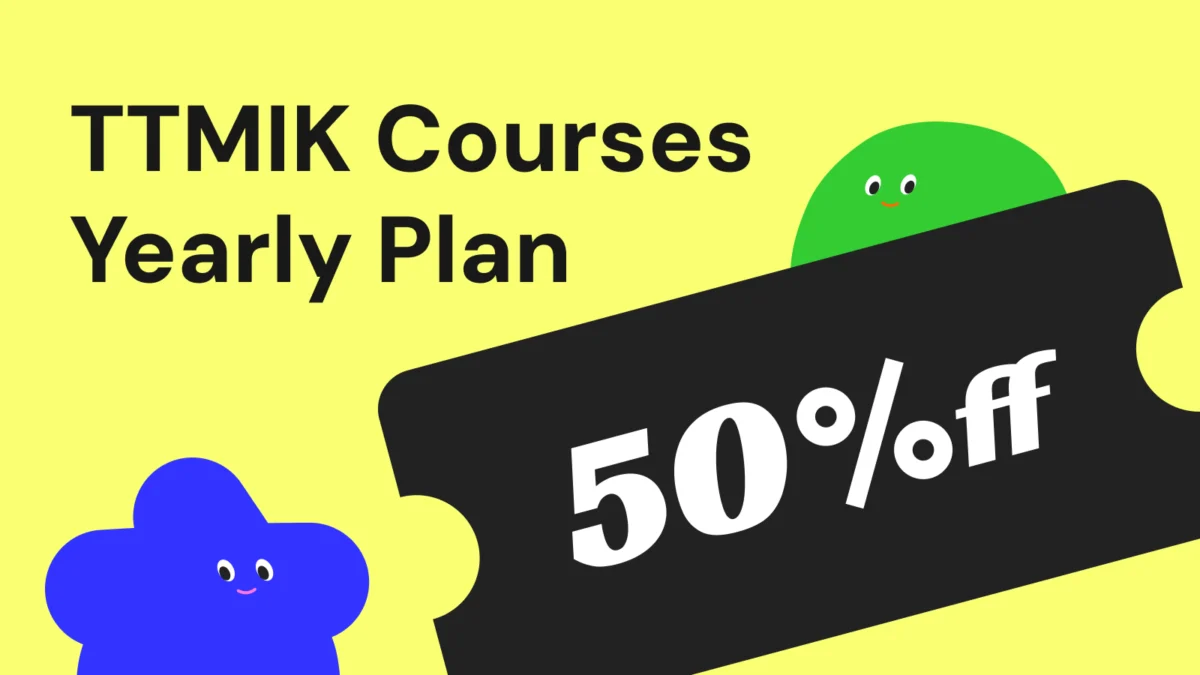
SEOUL, South Korea — For language learners across the globe, the challenge of mastering Korean has long been defined by a lack of structured, culturally immersive resources. Since its inception in 2009, Talk To Me In Korean (TTMIK) has stood as a pillar of digital education, bridging the gap between casual interest and professional fluency. This week, the platform announced a significant, limited-time promotional campaign for its annual subscription plan, inviting both novices and intermediate learners to formalize their study routines ahead of the September 9 deadline.
The Evolution of TTMIK: A Legacy of Linguistic Empowerment
To understand the weight of this current promotion, one must look back at the origins of TTMIK. Launched at a time when Korean language resources were largely limited to academic textbooks or expensive, inaccessible tutoring, TTMIK revolutionized the field by prioritizing accessibility and conversational nuance.
Over the past 15 years, the platform has grown from a humble audio-based podcast experiment into a comprehensive pedagogical ecosystem. By focusing on the "real-world" application of the Korean language, the organization has successfully demystified complex grammatical structures and intricate honorific systems that often discourage beginners. The current push for the Yearly Plan represents a consolidation of this legacy—offering students not just a library of content, but a cohesive, long-term roadmap toward proficiency.
Chronology: From 2009 to the Digital Frontier
The trajectory of TTMIK is marked by a steady expansion of services, mirroring the rising global interest in Korean culture—a phenomenon often referred to as Hallyu.
- 2009: The official launch of Talk To Me In Korean, introducing audio lessons that made grammar accessible to anyone with an internet connection.
- 2012–2015: Rapid expansion into printed textbooks, workbooks, and digital workbooks, creating a hybrid learning model that catered to both visual and auditory learners.
- 2018–2020: The introduction of the tiered subscription model, allowing users to access a vast library of courses ranging from "Hangul" basics to advanced business Korean.
- 2023–2024: Integration of advanced tracking systems, personalized study paths, and community-driven milestones, solidifying the platform’s position as a premium educational tool.
The current promotional window, ending September 9, is designed to encourage students to commit to a structured annual cycle, which the platform argues is the most effective timeline for achieving meaningful linguistic progress.
Supporting Data: Why Consistency Trumps Intensity
One of the central tenets of the TTMIK methodology is the emphasis on consistent, bite-sized learning. The platform’s internal data suggests that the most successful learners are not those who study for eight hours once a week, but those who engage with the language daily.
The success of this approach is reflected in the diverse profiles of their student base. Take, for example, learners like Sarah from Canada, who has been engaging with the curriculum for eight months; Miguel from Spain, with a year of dedicated study; and Aisha from Malaysia, who has reached a two-year milestone. These stories, highlighted in the platform’s latest campaign, serve as a testament to the platform’s long-term efficacy.
When analyzed against standard language acquisition benchmarks, the data supports the "subscription value" model. By providing access to the entire lesson library, the platform eliminates the friction of choosing what to learn next, allowing students to follow a curated roadmap. This reduces "decision fatigue," a common cause of attrition among language learners.
Official Perspective: The Pedagogy of the Yearly Plan
In a recent communication, representatives from TTMIK underscored the necessity of the current promotional offer. "We have been teaching Korean longer than most language apps have even existed," the statement noted. "Our longevity is not just a result of our content, but our commitment to the student journey. The Yearly Plan is designed to provide the stability required to climb the levels of proficiency without the distraction of recurring monthly administrative hurdles."
The platform’s pedagogical framework is built upon a layered system. Rather than pushing users into high-intensity, "gamified" loops that prioritize speed over retention, TTMIK emphasizes the "Level Journey." This involves:
- Foundational Mastery: Ensuring a rock-solid grasp of the Korean alphabet (Hangul) and basic sentence structures.
- Contextual Application: Moving beyond grammar drills to understand the nuances of Korean social hierarchy and honorifics.
- Advanced Fluency: Engaging with native-speed audio and complex cultural content that prepares the learner for real-world interaction in Korea.
By offering a trial experience, the platform encourages potential students to "see how it feels" before committing. This low-barrier entry is intended to demystify the subscription model and foster trust between the educator and the student.
Implications for the Global Language Learning Market
The broader implications of this promotion are significant within the EdTech sector. As AI-driven language apps flood the market with short-term, vocabulary-focused gamification, TTMIK is doubling down on the "Human-Led" approach.
The strategy of prioritizing an annual commitment suggests a shift in the market toward quality over convenience. Language acquisition is, by definition, a long-term endeavor. By incentivizing the Yearly Plan, TTMIK is essentially nudging its user base to treat their studies with the gravity of a professional pursuit rather than a casual pastime.
Furthermore, the transparency of the offer—clearly stating that all plans include every lesson—addresses a common pain point in the language learning industry: hidden costs. Many competitors utilize "freemium" models that lock core grammar or advanced conversational modules behind paywalls. TTMIK’s transparent pricing model is a direct response to the frustration of users who feel "diced and sliced" by subscription tiers.
Conclusion: A Call to Action for the Aspiring Polyglot
As the September 9 deadline approaches, the opportunity for prospective students is clear. The platform is not merely selling a subscription; they are selling a proven track record of pedagogical success. For those who have been considering a deep dive into the Korean language, the current offer provides the financial and structural incentive to move from "dabbler" to "speaker."
With features like customizable study roadmaps, access to a deep archive of content, and a community of learners who have successfully navigated the complexities of the language, TTMIK remains a premier destination for those serious about Korean. Whether the goal is to navigate a trip to Seoul, connect with family, or simply conquer the challenge of a new linguistic structure, the tools are now more accessible than they have been in the platform’s fifteen-year history.
In an era of fleeting digital trends, the longevity of TTMIK serves as a reminder that while technology changes, the fundamental requirements of language acquisition—patience, structure, and consistent, high-quality instruction—remain the same. The question for potential students now is not whether they can learn Korean, but whether they are ready to dedicate the time to do it properly. The roadmap is set; the deadline is firm. The journey to fluency begins with a single lesson.
 Suro Senen
  Jia Lissa
  Ammar Sabilarrohman
