 By Nana
Solar, a prominent member of the popular third-generation K-Pop girl group MAMAMOO, has sent shockwaves across the global K-Pop community following her recent revelation of a terrifying unprovoked assault during an overseas trip to Los Angeles. The incident, which Solar recounted in detail, involved a random male assailant verbally abusing her and throwing a chair in her direction, ultimately resulting in a physical injury. This alarming disclosure has ignited widespread concern among fans and industry observers alike, prompting renewed discussions about the safety protocols for K-Pop idols traveling abroad.
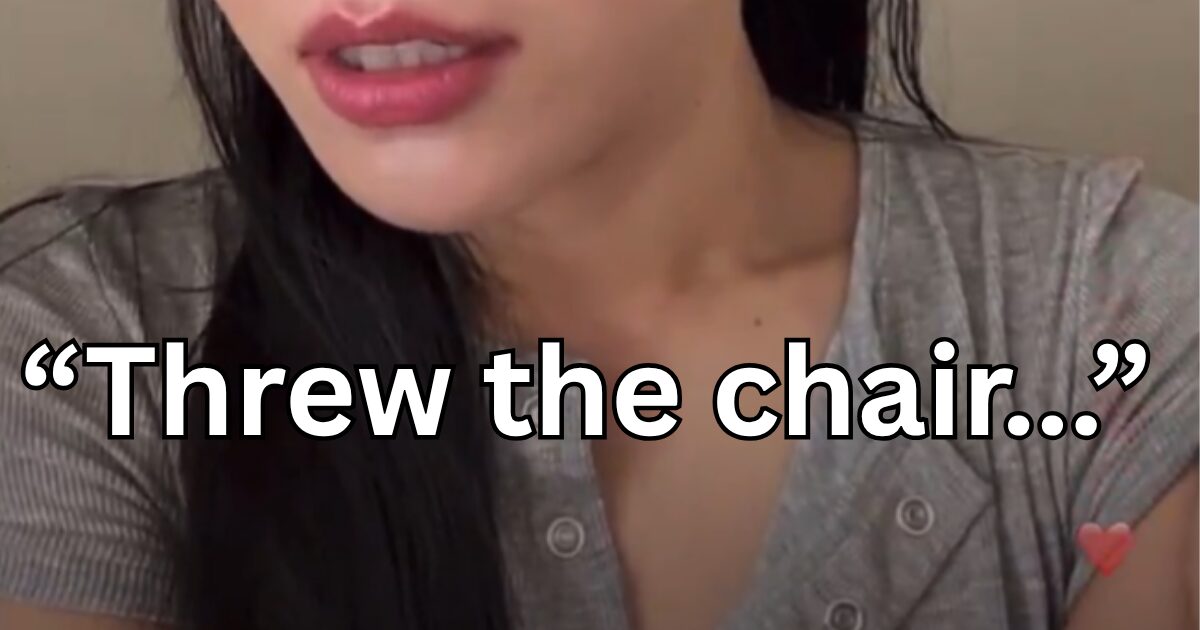
The incident came to light when Solar shared the harrowing experience with her fans, describing a moment of sudden danger while walking on a street in Los Angeles. According to her account, she was with fellow MAMAMOO member Moonbyul, their hairstylist, and two male managers. The three female members were walking slightly ahead of the male managers when an unknown man, seemingly unprovoked, suddenly approached them. He reportedly began to curse at Solar in English before throwing a chair in their direction. While the chair did not directly strike her, a fragment or impact from its landing caused a noticeable bruise on her leg. Solar admitted that in the immediate aftermath, the shock of the situation was so profound that she didn’t register the pain, only later realizing the extent of the physical harm.
Chronology of the Unprovoked Attack
The distressing event unfolded during what was presumably a routine overseas schedule for MAMAMOO in Los Angeles. The specific date of the incident has not been publicly disclosed, but Solar’s revelation on August 31, 2026, quickly brought the past occurrence into sharp focus. The group, known for their powerful vocals and charismatic stage presence, frequently undertakes international activities, including concerts, fan meetings, and content creation, which necessitate extensive travel.
The sequence of events, as narrated by Solar, paints a vivid picture of a sudden and alarming escalation:
- Group Movement: Solar, Moonbyul, and their hairstylist were walking together on a street in Los Angeles, with two male managers following slightly behind. This arrangement, while seemingly innocuous, placed the female idols in a more vulnerable position at the front of the group.
- Sudden Confrontation: An unidentified male individual, who had initially been walking on the opposite side of the street, abruptly crossed paths with the group.
- Verbal Assault: Without warning or apparent provocation, the man began to verbally assault Solar, using expletives in English.
- Physical Aggression: Following the verbal attack, the assailant escalated his aggression by throwing a chair in the direction of Solar and her companions.
- Impact and Injury: The chair, upon impact with the ground or another object, caused a fragment or ricochet to strike Solar’s leg, resulting in a bruise. Solar reported experiencing immediate shock, which initially masked the physical pain.
- Delayed Realization: It was only later, upon noticing the bruise, that Solar fully comprehended the physical consequences of the attack.
Fans quickly connected Solar’s account to previously shared Instagram photos that showed a bruise on her leg, which at the time had no public explanation. This connection amplified the public’s outrage, transforming a seemingly minor injury into tangible evidence of a traumatic event.
Immediate Public and Fan Reaction
Upon the news breaking, the K-Pop fan community, particularly MAMAMOO’s dedicated Moomoos, reacted with an outpouring of heartbreak, anger, and profound concern. Social media platforms, including X (formerly Twitter), were inundated with messages expressing solidarity with Solar and condemning the assailant. Hashtags related to Solar’s safety and calls for improved idol protection quickly trended worldwide.
Many netizens voiced their fury not only at the unknown attacker but also at the perceived inadequacy of the security provided by the group’s management team. The fact that two male managers were present but walking behind the female idols during the incident raised questions about their immediate effectiveness in preventing such an unprovoked assault. Critics argued that security personnel should maintain closer proximity and a more proactive stance, especially in unfamiliar overseas environments.
Comments from fans reflected a deep sense of betrayal and vulnerability:
- "This is outrageous! Solar got attacked by a random man while walking on the street in LA! The guy cursed her and threw a wooden chair toward her. The chair hit the ground, but a fragment hit her. That’s why she got a bruise on the back of her leg. But she acted like nothing…" – DragonKazoo77
- "why are random men throwing wooden chairs at my girl wtf if i catch him" – nevi 🌸
- "oh goodness why the worst thing always happen to someone who doesnt deserve it" – Mira
These reactions underscore a broader anxiety within the K-Pop fandom regarding idol safety, especially when artists travel to foreign countries where they may be less protected by familiar legal frameworks or security measures. The incident served as a stark reminder of the potential dangers that even globally recognized figures face in public spaces.
Agency Response and Security Re-evaluation (Inferred)
While no immediate official statement from RBW Entertainment, MAMAMOO’s agency, was included in the initial report, such a high-profile incident would invariably trigger an internal review and public response. It is highly probable that the agency would issue a statement acknowledging the incident, expressing regret for Solar’s distressing experience, and affirming their commitment to her well-being.
An inferred response from RBW Entertainment would likely include:
- Confirmation of Incident: Acknowledging the details of the attack as recounted by Solar.
- Support for Artist: Reaffirming their dedication to Solar’s physical and psychological recovery and offering all necessary support.
- Review of Protocols: Announcing an immediate and thorough review of existing security protocols for overseas schedules. This would likely involve assessing the number of security personnel, their training, their positioning relative to artists, and the risk assessment processes for different locations.
- Engagement with Authorities: Indicating cooperation with local law enforcement in Los Angeles, even if the incident was not immediately reported at the time. This step would be crucial to demonstrate due diligence.
- Commitment to Future Safety: Pledging to implement stricter and more comprehensive safety measures to prevent similar incidents in the future, possibly including increased security personnel, specialized training for dealing with public harassment, and enhanced surveillance.
This incident is likely to serve as a critical turning point for RBW and other K-Pop agencies in re-evaluating the vulnerabilities faced by their artists, particularly female idols, during international engagements.
Broader Context: K-Pop Idols and Overseas Security Challenges
Solar’s experience is not an isolated one, but rather highlights a systemic issue within the rapidly globalizing K-Pop industry. As K-Pop’s influence expands worldwide, idols are increasingly exposed to diverse public environments, some of which present unforeseen security challenges. The sheer volume of international travel for tours, promotional events, and content creation means artists frequently find themselves in unfamiliar cities, navigating different cultural norms and public safety landscapes.

Several factors contribute to the vulnerability of K-Pop idols abroad:
- High Public Profile: Their celebrity status makes them recognizable targets for both adoring fans and, unfortunately, malicious individuals.
- Language Barriers: In non-Korean speaking countries, communication can be a challenge, potentially hindering immediate responses to threats or reporting incidents to local authorities.
- Unfamiliar Environments: Navigating foreign cities requires specific local knowledge for risk assessment, which may not always be adequately provided to security teams.
- Balancing Accessibility and Security: Agencies often walk a tightrope between protecting idols and allowing them enough public interaction to foster fan engagement. This balance can sometimes compromise security.
- Diverse Threats: Beyond unprovoked attacks, idols also face issues like obsessive stalkers, aggressive paparazzi, and large, uncontrolled crowds.
While many agencies employ security personnel, the effectiveness of these teams can vary. The incident with Solar highlights a potential gap where general managers, rather than trained security specialists, might be tasked with protection, or where the sheer unpredictability of urban environments can overwhelm standard protocols. Los Angeles, like many major global cities, has its share of public safety challenges, including issues related to homelessness, mental health crises, and random acts of violence, making vigilance crucial for high-profile individuals.
Psychological Impact and Support for Idols
Beyond the physical bruise, the psychological toll of such an unprovoked attack on an individual, especially a public figure like Solar, cannot be underestimated. Experiences of sudden violence can lead to trauma, anxiety, hyper-vigilance, and a sense of vulnerability. For idols, whose careers often depend on public appearances and interaction, such an event can significantly impact their comfort levels in public spaces and during future overseas schedules.
Agencies have a growing responsibility to provide comprehensive mental health support for their artists. This includes access to counseling, therapy, and psychological evaluations, especially after traumatic incidents. Ensuring idols feel safe and supported is paramount, not only for their personal well-being but also for their long-term career sustainability. The fear of recurrence or the feeling of being unprotected can have lasting effects on an artist’s confidence and ability to perform under public scrutiny.
Industry-Wide Implications and Calls for Enhanced Standards
Solar’s incident is likely to reverberate throughout the entire K-Pop industry, prompting a broader re-evaluation of security standards for international activities.
- Mandatory Security Training: Agencies may need to implement more rigorous, location-specific security training for all staff accompanying idols abroad, focusing on threat identification, de-escalation techniques, and emergency response protocols.
- Dedicated Security Personnel: There might be a push for agencies to hire more professional, specialized security personnel rather than relying solely on managers for protection, especially for high-risk regions or events.
- Pre-Travel Risk Assessments: Comprehensive risk assessments for each international destination, including local crime rates, cultural sensitivities, and potential areas of concern, could become standard practice.
- Improved Communication and Reporting: Clearer guidelines for idols and staff on how to report incidents immediately to local authorities and the agency.
- Collaboration with Local Law Enforcement: Establishing contacts with local police departments in frequently visited cities to ensure a swift and effective response in case of emergencies.
- Fan Advocacy: Fan communities, already powerful advocates, will likely intensify their calls for agencies to prioritize idol safety above all else, using their collective voice to demand transparency and accountability.
This incident underscores the complex challenges faced by the K-Pop industry as it navigates global expansion. While the allure of international markets is undeniable, it must be balanced with robust safety measures that protect artists from the unpredictable dangers of public life. Solar’s bravery in sharing her story serves as a critical reminder that even the most celebrated stars are vulnerable and deserve comprehensive protection, ensuring that their pursuit of global artistry does not come at the cost of their personal safety and peace of mind. The K-Pop world watches closely, hoping that this distressing event catalyzes meaningful and lasting improvements in artist security across the board.

