
 By Azzam Bilal Chamdy
Concerns over the intense scrutiny of weight and the prevalence of extreme dieting within the K-Pop industry have once again surged following recent comments made by Fromis_9 member Chaeyoung regarding her own weight and that of her group members. The remarks, widely circulated across social media platforms, have ignited a renewed debate among netizens and industry observers about the health and well-being of idols, highlighting the systemic pressures that contribute to potentially unhealthy body image standards.
The Viral Revelation: A Chronology of Concern
The incident unfolded recently when a video clip featuring Fromis_9’s Chaeyoung began to gain significant traction across various online communities and social media platforms, including TikTok and X (formerly Twitter). In the now-viral footage, Chaeyoung openly discussed her current weight, stating it was 40 kilograms (approximately 88 pounds), a significant drop from her previous weight of 50 kilograms (approximately 110 pounds). What further amplified the public’s alarm was her subsequent comment detailing her members’ weights, implying that their figures "all started with a ‘3’," meaning they weighed in the 30-kilogram range (roughly 66-88 pounds).
The context of these comments appeared to be a casual conversation, possibly during a live broadcast or a fan interaction event, where Chaeyoung shared her weight journey. While her demeanor in the clip suggested a certain nonchalance about these figures, the public reaction was anything but. The video rapidly spread, amplified by concerned fans and critics alike who immediately recognized the alarming implications of such low body weights, particularly when considering the average height of adult women, including K-Pop idols. Within hours of the clip’s dissemination, online forums and social media feeds were inundated with discussions, expressing profound worry for the idols’ physical and mental health. The incident quickly became a focal point for the ongoing discourse surrounding body image and extreme dieting in the highly competitive K-Pop entertainment landscape.
The Alarming Numbers: A Deeper Look at Idols’ Weight
To fully grasp the magnitude of the public’s concern, it is essential to contextualize the reported weights within standard health metrics. The Body Mass Index (BMI) is a widely used screening tool for assessing weight status relative to height. For an adult woman, a healthy BMI typically ranges from 18.5 to 24.9. A BMI below 18.5 is generally classified as underweight, indicating potential health risks.
While Chaeyoung’s exact height has not been publicly confirmed in the context of this specific incident, estimations based on typical female idol heights (which often range from 160 cm to 168 cm, or approximately 5’3" to 5’6") allow for a concerning calculation. For example, if Chaeyoung is 163 cm (approximately 5’4") tall, her stated current weight of 40 kg would result in a BMI of approximately 15.0. This figure falls significantly below the healthy range, firmly placing her in the severely underweight category. The implication that other Fromis_9 members weigh in the "30s" suggests even more extreme BMI figures, potentially indicating severe malnutrition or a highly restrictive lifestyle that poses substantial health risks.

Medically, maintaining such a low body weight can lead to a host of severe health complications, including nutrient deficiencies, weakened immune systems, bone density loss (increasing osteoporosis risk), hormonal imbalances, cardiovascular issues, and a higher risk of developing eating disorders. For performers whose careers demand immense physical stamina and mental resilience, these health risks are particularly alarming. The fact that idols, who are often seen as role models by millions of young fans, openly discuss such low weights without apparent concern, further highlights the normalization of these extreme standards within the K-Pop ecosystem.
K-Pop’s Enduring Struggle with Body Image and Diet Culture
The controversy surrounding Chaeyoung’s comments is not an isolated incident but rather a symptom of a deeply entrenched and pervasive diet culture within the K-Pop industry. For decades, the emphasis on achieving a specific, often unnaturally thin, body type has been a defining characteristic of idol training and promotion. This culture is fueled by a confluence of factors, including stringent agency demands, relentless media scrutiny, and the powerful influence of fan expectations, particularly in South Korea where appearance standards are exceptionally high.
Historically, K-Pop agencies have been known for implementing strict diet regimens and weight targets for their trainees and active idols. These programs often involve highly restrictive calorie intake, intense workout schedules, and regular weight checks. Stories of idols surviving on minimal food portions, such as a single apple a day or "paper cup diets," have circulated for years, painting a stark picture of the pressures artists face. This intense focus on physical appearance is often justified by agencies as crucial for an idol’s "visual" appeal, which is considered a significant factor in their marketability and success. The concept of "visuals" often prioritizes a slender physique, small face, and delicate features, inadvertently promoting an unattainable body ideal.

This culture has given rise to numerous controversies over the years, with fans frequently expressing concern over idols appearing visibly underweight during comebacks or promotional cycles. While some idols have spoken out about the difficulties of maintaining such strict diets, and a few have advocated for healthier approaches, the systemic pressures largely remain unchanged. The industry’s prioritization of aesthetics over health has led many critics to label it as an environment conducive to, if not directly fostering, disordered eating patterns among its artists. The silence from agencies on these specific issues, often citing artist privacy, only serves to underscore the perceived lack of transparency and accountability within the system.
Netizen Reactions and the Call for Change
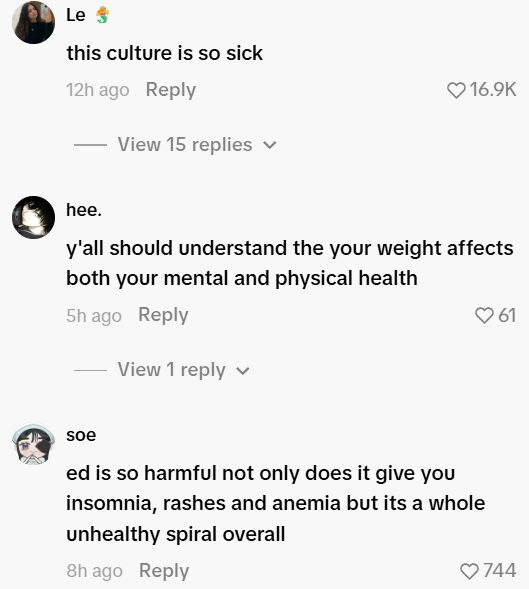
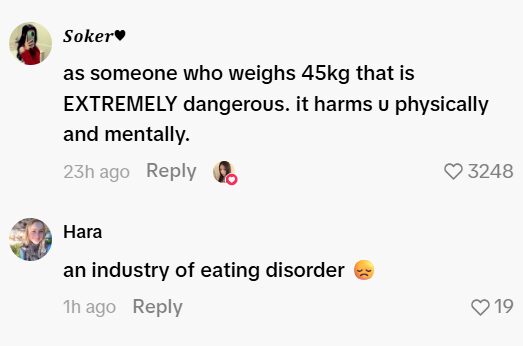
The reaction from netizens to Chaeyoung’s comments was swift and overwhelmingly negative, albeit primarily driven by concern rather than outright condemnation of the idol herself. Online communities were flooded with messages expressing deep worry for Chaeyoung and her fellow Fromis_9 members. Many users highlighted the dangerous precedent such comments set, particularly for impressionable young fans who might internalize these extreme weight standards as aspirational.
Comments frequently drew parallels between the idol diet culture and eating disorders, with users lamenting that the K-Pop industry often appears to normalize behaviors that would be considered clinically unhealthy in any other context. There was a palpable sense of frustration directed not at the idols, but at the system itself – the entertainment agencies, producers, and the broader societal expectations that perpetuate these harmful ideals. Calls for agencies to prioritize the health and well-being of their artists over aesthetic demands were widespread.

Interestingly, the discourse also revealed a dichotomy: while fans expressed concern for the idols, the very act of scrutinizing and discussing their weights, even with good intentions, can inadvertently contribute to the cycle of body image obsession. International fans, in particular, often voiced stronger criticisms against the industry’s practices, perhaps due to different cultural perspectives on body image and health compared to some domestic South Korean fan bases, where thinness is often more overtly celebrated. The collective outcry underscored a growing global awareness and intolerance for exploitative or unhealthy practices within the entertainment industry.
The Silence of Agencies: A Pattern of Non-Response
In the wake of such a sensitive and widely discussed issue, the entertainment agencies involved typically maintain a carefully managed silence. This pattern of non-response is a recurring feature in K-Pop controversies, especially those touching upon artist health, personal lives, or sensitive industry practices. While understandable from a legal and public relations standpoint – avoiding legitimizing a controversy, respecting artist privacy, or preventing further speculation – this silence often exacerbates public concern and fuels criticism.
In this specific instance involving Fromis_9, Pledis Entertainment, the group’s agency, has not issued an official statement addressing Chaeyoung’s comments or the broader concerns raised by netizens. This lack of official communication leaves many questions unanswered and provides little reassurance to worried fans. Critics argue that such silence can be interpreted as an implicit endorsement of the status quo, suggesting that the agencies either do not acknowledge the severity of the issue or are unwilling to publicly commit to reforms.
The absence of official statements means that the burden of interpretation falls largely on the public. While agencies might be dealing with these issues internally, perhaps offering support or guidance to their artists, the lack of transparency prevents public scrutiny and accountability. This strategic silence, while aiming to control the narrative, often has the unintended effect of intensifying speculation and reinforcing the perception that artist welfare might be secondary to maintaining a certain image or commercial viability.
Broader Implications: Mental Health, Role Models, and Industry Responsibility
The implications of comments like Chaeyoung’s extend far beyond the immediate viral moment, touching upon critical issues of mental health, the societal role of idols, and the fundamental responsibility of the entertainment industry.
Firstly, the pervasive emphasis on extreme thinness in K-Pop has well-documented links to significant mental health challenges among idols. The constant pressure to maintain an "ideal" physique, coupled with grueling schedules, public scrutiny, and intense competition, can lead to chronic stress, anxiety, depression, and, most critically, the development or exacerbation of eating disorders. These conditions not only compromise an idol’s physical health but also severely impact their psychological well-being and longevity in the industry. The demanding nature of idol life leaves little room for recovery or addressing such complex health issues adequately.
Secondly, K-Pop idols serve as powerful role models for millions of young people worldwide. Their fashion, music, and indeed, their body types, are often emulated by fans. When idols openly discuss or implicitly promote extremely low weights, it sends a dangerous message to an impressionable audience, particularly teenagers and young adults who are already vulnerable to body image issues. This can contribute to unhealthy dieting practices, body dissatisfaction, and even the onset of disordered eating among fans striving to achieve an unrealistic ideal. The industry, therefore, bears a significant ethical responsibility to promote healthier and more diverse body images.
Finally, this incident underscores the urgent need for a systemic reevaluation of industry practices. Entertainment companies have a moral and professional obligation to prioritize the holistic well-being of their artists. This includes providing comprehensive nutritional support from qualified dietitians, accessible mental health counseling, and fostering an environment where artists feel safe to discuss health concerns without fear of professional repercussions. Promoting healthier body diversity, celebrating strength and talent beyond mere aesthetics, and openly addressing the pressures faced by idols are crucial steps toward fostering a more sustainable and humane K-Pop industry.
In conclusion, Fromis_9 Chaeyoung’s recent comments, while perhaps unintentional in their impact, have served as a potent reminder of the deeply ingrained and concerning body image standards within the K-Pop industry. The ensuing public outcry reflects a growing global demand for greater transparency, accountability, and a shift towards prioritizing the genuine health and well-being of artists over superficial aesthetic ideals. As the K-Pop industry continues its global expansion, addressing these fundamental issues will be critical for its long-term integrity and the welfare of its stars.

