
 By Pevita Pearce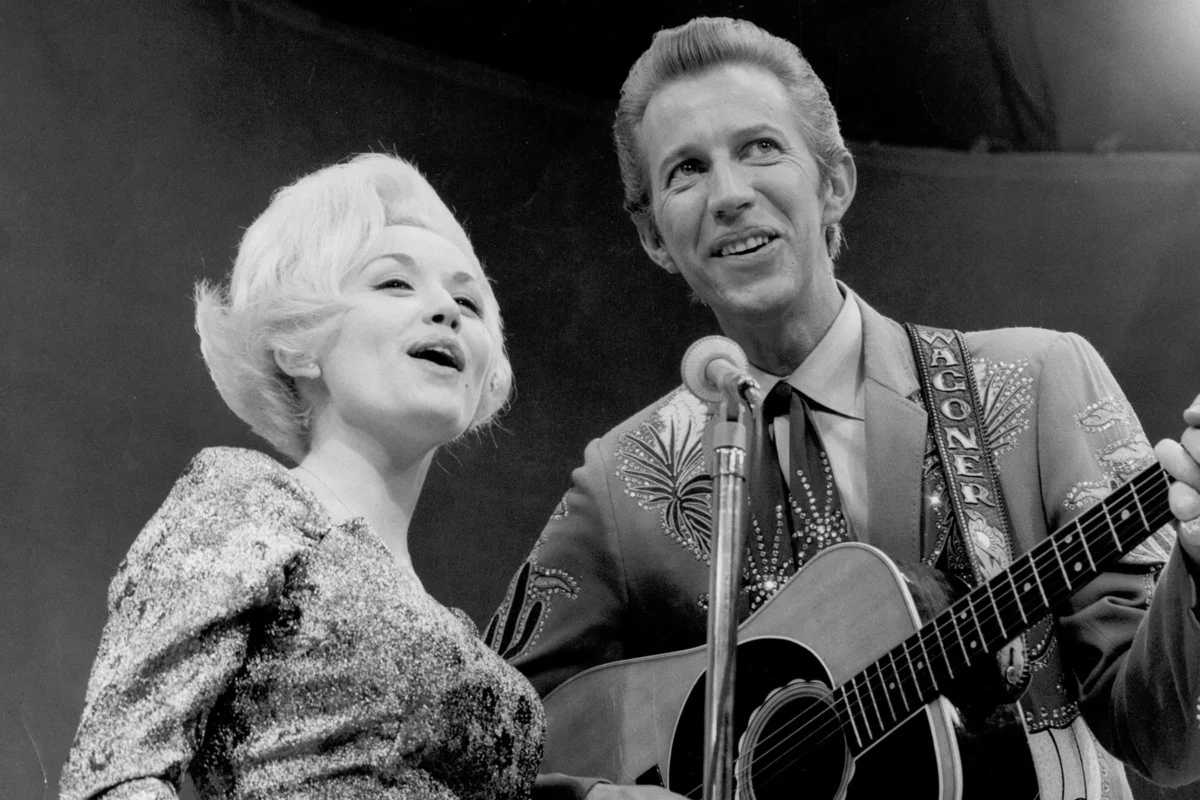
Dolly Parton, the iconic singer-songwriter whose career has indelibly shaped the landscape of country music and beyond, continued to leave her mark on the Billboard charts with remarkable longevity, collaborating with over 60 artists across nearly six decades. Her most recent charted recording, a posthumous release, highlights the enduring power of her artistry and her willingness to engage with artists across generations and musical styles. The recent charting of "Son of Jolene" with Belles in May serves as a poignant testament to Parton’s continuous relevance, arriving as her last new charted recording during her lifetime.
Parton’s journey on the Billboard charts began on January 21, 1967, with the debut of her solo single "Dumb Blonde" on the Hot Country Songs chart, entering at number 64. This marked the initial entry of her distinctive voice and songwriting into the national consciousness through the industry’s primary barometer of success. However, it was her duet with Porter Wagoner that truly signaled the beginning of her collaborative prowess. In December of the same year, their rendition of "The Last Thing on My Mind" debuted on the charts, ultimately climbing to number 7 in February 1968, securing her first top 10 hit as a duet partner. This early success laid the foundation for a career characterized by meaningful musical partnerships.
The breadth of Parton’s influence is underscored by the sheer volume and diversity of her collaborators. Her most recent charted collaboration, a remix of Sabrina Carpenter’s hit "Please Please Please" in 2025, saw Parton joining Carpenter, who humorously captioned their collaboration by stating, "We’re little, we’re blonde and we love each other." This team-up, following the original track’s reign on the Billboard Hot 100, reached the top 20 on the Hot Country Songs chart. This exemplifies Parton’s ability to transcend genre boundaries and connect with contemporary artists, injecting her signature charm and vocal stylings into modern hits. While Carpenter’s description might not fit every single one of Parton’s collaborators, it speaks to the genuine affection and respect she commands throughout the music industry.

A Career Defined by Collaboration and Chart Success
Parton’s musical catalog is a vibrant tapestry woven with the threads of numerous collaborations, reflecting a spirit of togetherness and a universally appealing artistry. Her career on the Billboard charts, spanning from the late 1960s to the mid-2020s, showcases an unparalleled ability to adapt, innovate, and connect with audiences through shared musical endeavors. The span of nearly 60 years during which she consistently appeared on the charts with a diverse array of artists is a testament to her enduring talent and her profound impact on popular music.
Her debut on the Hot Country Songs chart with "Dumb Blonde" in January 1967 was followed by her inaugural duet chart appearance later that year with Porter Wagoner on "The Last Thing on My Mind." This initial success with Wagoner, a prominent figure in country music at the time, established a crucial early partnership that would yield numerous hits and significantly contribute to Parton’s burgeoning career. Their work together was instrumental in defining a specific era of country music, characterized by heartfelt storytelling and harmonious duets.
The most recent addition to Parton’s impressive charting history, "Son of Jolene" with Belles, entered a country sales chart in May, marking her final new charted recording released during her lifetime. This particular collaboration, a spiritual successor to her iconic song "Jolene," further underscores her lasting creative energy and her ability to engage with new generations of artists. The song’s success on the sales chart indicates a continued demand for Parton’s distinctive voice and thematic explorations, even in her later years.
Across her nearly 60-year charting career, Dolly Parton has partnered with more than 60 artists. This remarkable number highlights her openness to diverse musical projects and her consistent ability to forge successful chart-topping ventures with a wide spectrum of talent. The fact that she continued to achieve chart success with new collaborators well into her seventies speaks volumes about her unwavering commitment to her craft and her unique ability to remain relevant in an ever-evolving music industry.

In a 2020 interview, Parton herself reflected on her continued presence on the charts, stating, "I’m touched and honored that I’m able to still be important in the business." This sentiment encapsulates her humble yet proud acknowledgment of her sustained impact. Her collaborations have not only introduced her to new audiences but have also provided a platform for emerging artists to benefit from her legendary status and musical expertise.
A Timeline of Charting Collaborations
Dolly Parton’s charting career is a testament to her enduring appeal and her prolific output. Her first foray into the Billboard charts as a solo artist occurred on January 21, 1967, with "Dumb Blonde" landing at No. 64 on the Hot Country Songs chart. This marked the beginning of a remarkable journey that would see her name appear on the charts repeatedly, often in partnership with other artists.
The foundation for her extensive duet career was laid in December 1967 with the debut of "The Last Thing on My Mind," her first charting duet with Porter Wagoner. This collaboration proved to be highly successful, reaching No. 7 on the Hot Country Songs chart in February 1968 and becoming her first top 10 hit in a duet. The partnership with Wagoner was a cornerstone of her early career, producing a string of successful singles and albums that solidified her position in country music.
Fast forward to more recent years, and Parton continued to demonstrate her cross-generational appeal. In 2025, her collaboration with Sabrina Carpenter on a remix of "Please Please Please" saw the song debut on the Hot Country Songs chart, reaching the top 20. This collaboration showcased her ability to connect with younger artists and adapt her sound to contemporary trends while maintaining her unique artistic identity.

Her most recent charted recording, as of May 2026, was "Son of Jolene" with Belles, a track that achieved success on the country sales charts. This release, appearing as the last new recording during her lifetime, served as a poignant closing chapter to a career marked by consistent chart presence and innovative collaborations. The choice to revisit the theme of "Jolene," one of her most iconic songs, with a new generation of artists highlights her legacy and her enduring connection to her own musical history.
The span between her first charted song in 1967 and her last new charted recording in 2026 covers nearly six decades. During this extensive period, Parton has appeared on various Billboard charts with over 60 different artists. This extensive list of collaborators includes iconic figures from country music, as well as artists from genres as diverse as bluegrass, dance, R&B/hip-hop, and rock. This wide-ranging engagement underscores her versatility and her ability to find common ground and create compelling music with artists from all corners of the musical spectrum.
A Kaleidoscope of Collaborations: Charting Across Genres
Dolly Parton’s extensive charting history is a testament to her remarkable versatility and her ability to connect with audiences across a vast spectrum of musical genres. While firmly rooted in country music, her career has been punctuated by successful collaborations that have seen her venture into bluegrass, pop, R&B/hip-hop, and even dance music. This broad reach is a defining characteristic of her enduring legacy, showcasing her willingness to explore new sonic territories and her innate talent for making any musical setting her own.
One of the most significant and enduring partnerships in Parton’s career was with Porter Wagoner. Their duets, beginning in the late 1960s, were a staple of the Hot Country Songs chart for years. Songs like "The Last Thing on My Mind" (1967), "Tomorrow Is Gone" (1970), and "Please Don’t Stop Loving Me" (1974) not only achieved chart success but also defined a specific era of country music duets, characterized by their heartfelt narratives and harmonious vocal interplay. Their consistent presence on the charts during this period cemented Parton’s reputation as a premier vocalist and songwriter.

Beyond her foundational work with Wagoner, Parton has collaborated with a dazzling array of artists. Her 2014 duet with Kenny Rogers on "You Can’t Make Old Friends" was a poignant reunion of two country music titans, reaching the top 10 of the Hot Country Songs chart. This demonstrated her ability to evoke nostalgia while still producing fresh and impactful music.
Her forays into pop and R&B have also yielded significant chart moments. The enduring popularity of her 1992 duet with Whitney Houston on "I Will Always Love You" (originally written and performed by Parton) for "The Bodyguard" soundtrack remains a monumental achievement, though it was Houston’s rendition that dominated the charts. More recently, her 2023 collaboration with Lizzo on a remix of "Special" brought her signature charm and vocal prowess to a contemporary pop audience, showcasing her continued relevance in the modern music landscape.
Parton’s influence extends to the realm of rock and alternative music as well. Her 2023 collaboration with the band Biffy Clyro on "There’s a Light" from their album "The Myth of the Hurting" marked an unexpected but successful crossover, demonstrating her ability to lend her distinctive voice to a heavier, more rock-oriented sound. This adventurous spirit in choosing collaborators further highlights her broad artistic palette.
In the digital age, Parton has embraced new platforms and collaborations. Her 2020 album "A Holly Dolly Christmas" featured collaborations with Michael Bublé and Miley Cyrus, blending classic holiday themes with contemporary artists, a testament to her adaptability and her understanding of evolving music consumption. The 2025 remix of Sabrina Carpenter’s "Please Please Please" further exemplifies this, reaching the top 20 of the Hot Country Songs chart and demonstrating her enduring appeal to a younger demographic.

The sheer diversity of genres represented by her collaborators—from the classic bluegrass sounds of Vince Gill and Emmylou Harris to the R&B stylings of Stevie Wonder and the contemporary pop of Lizzo—underscores Parton’s universal appeal. Her presence on charts beyond country music is not merely a novelty but a reflection of her deep musicality and her ability to transcend genre limitations, making her a truly singular figure in music history.
Analysis and Implications of a Chart-Dominating Career
Dolly Parton’s unparalleled career on the Billboard charts, spanning nearly six decades and featuring over 60 collaborators, offers a compelling case study in artistic longevity, adaptability, and the power of genuine connection in the music industry. Her consistent chart presence, from her early days in the 1960s to her most recent releases in the 2020s, speaks to a rare combination of enduring talent, strategic career management, and a profound ability to resonate with diverse audiences.
The sheer breadth of her collaborations is perhaps the most striking aspect of her chart legacy. By partnering with artists across genres—from traditional country and bluegrass to pop, R&B, rock, and even dance music—Parton has demonstrated an extraordinary capacity to remain relevant and impactful in an ever-shifting musical landscape. This willingness to step outside her comfort zone and engage with contemporary sounds has not only introduced her to new generations of fans but has also enriched the musical output of her collaborators. Each partnership, whether with a seasoned peer like Kenny Rogers or a rising star like Sabrina Carpenter, has been infused with her unique artistry, often elevating the resulting track to new heights of commercial and critical success.
Her ability to maintain a strong presence on the charts for so long has significant implications for understanding artistic legacy. Parton’s career trajectory defies the typical pattern of artists whose popularity wanes over time. Instead, she has cultivated a sustained relevance through a combination of consistent quality, strategic collaborations, and a public persona that fosters enduring affection. This suggests that authenticity, a strong artistic voice, and a willingness to evolve are crucial components of long-term success in the music industry.

Furthermore, Parton’s collaborations often served as a bridge between different musical worlds. When she partnered with artists from outside the country music sphere, she brought her considerable star power and vocal talent, often introducing her existing fanbase to new artists and genres. Conversely, these collaborations provided emerging artists with the invaluable experience of working with a legend, lending them credibility and exposing them to a wider audience. This reciprocal benefit highlights the power of collaborative synergy in the music industry.
The emotional resonance of her music, coupled with her well-documented philanthropic efforts and her engaging public persona, has created a deep and lasting connection with her audience. This emotional capital undoubtedly plays a role in the continued success of her chart entries. Fans are not just buying or streaming her music; they are investing in an artist who has consistently provided comfort, joy, and inspiration.
The posthumous charting of "Son of Jolene" with Belles is particularly significant. It underscores that her artistic influence extends beyond her own lifetime and that her catalog continues to be a source of inspiration for new creations. This final charted recording serves as a poignant reminder of her enduring legacy and the indelible mark she has left on the music world. Her chart history is not merely a record of commercial success; it is a chronicle of a career that has consistently pushed boundaries, embraced diversity, and, above all, delivered exceptional music that resonates across generations and genres. The analysis of her chart performance reveals a masterclass in sustained artistic relevance and the profound impact of a truly iconic figure.

